20世紀の文化史において、ポール・ロブソンほど多才であり、かつ激動の時代を一身に背負った人物は稀でしょう。彼は深く響くバスの声を持つ歌手として、そして圧倒的な存在感を放つ俳優として世界的な名声を博しました。しかし、彼の真の功績は、芸術的な成功に甘んじることなく、人種差別や社会的不公正と戦い続けた不屈の精神にあります。
ニュージャージー州プリンストンに生まれたロブソンは、幼少期から類まれなる知性と身体能力を兼ね備えていました。
Key Facts
- 多才なキャリア:世界的なバス歌手、舞台・映画俳優、そしてプロのアメリカンフットボール選手という異色の経歴を持つ。
- 学術的背景:ラトガース大学で学士号を、コロンビア大学で法学博士号(LLB)を取得したインテリジェンス。
- 政治的信念:人種差別撤廃と平和を訴え、スペイン内戦への支援や公民権運動に深く関与した。
- 弾圧の歴史:冷戦期、共産主義への傾倒を疑われ、米国政府によるブラックリスト入りやパスポート没収などの激しい迫害を受けた。
知性と身体能力の開花:学生時代からプロスポーツまで
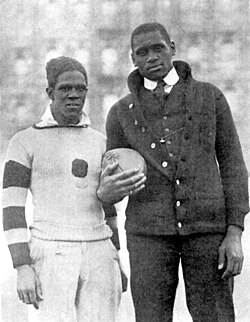
ロブソンの青年期を象徴するのは、学問とスポーツの両立です。ラトガース大学時代、彼は大学フットボールのスター選手として活躍し、1917年と1918年にはコンセンサス・オールアメリカン(全米最優秀選手)に選出されました。その後、アクロン・プロスやミルウォーキー・バジャーズでプロとしてのキャリアを積んでいます。
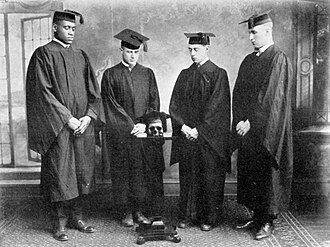
また、学業においても極めて優秀であり、ラトガース大学では名誉団体「キャップ・アンド・スカル」に選ばれた数少ない学生の一人でした。その後、コロンビア大学法科大学院で法律を学び、知的な基盤を築き上げました。
芸術的頂点と社会的覚醒
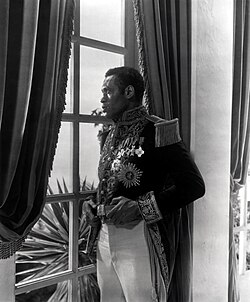
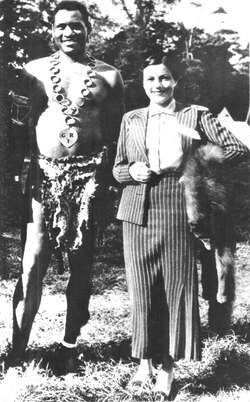
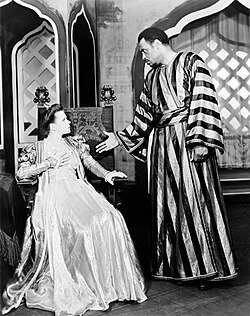
1920年代、ロブソンは「ハレム・ルネサンス」の奔流の中で、俳優および歌手としての才能を開花させます。特に、舞台や映画での『ショーボート』や『皇帝ジョーンズ』、そしてシェイクスピアの『オセロ』での演技は、黒人俳優としての地位を不動のものにしました。
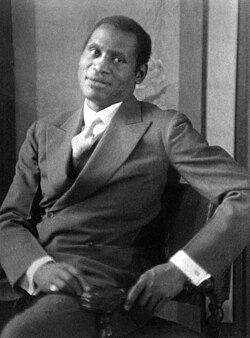
彼の歌声は単なる娯楽ではなく、抑圧された人々の魂を揺さぶる力を持っていました。しかし、名声が高まるにつれ、彼は世界中に蔓延する人種差別と階級闘争という現実に直面し、次第に政治的な活動へと傾倒していきます。
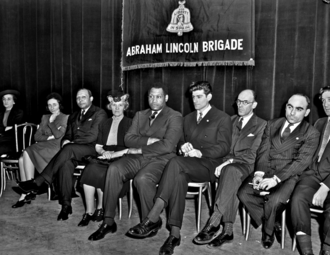
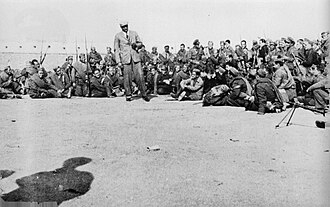
1930年代に入ると、ロブソンは自身の芸術を社会変革の道具として使うようになります。1930年代後半にはスペイン内戦に注目し、ファシズムに抵抗する国際旅団を支援するために現地で歌い、兵士たちを鼓舞しました。
弾圧と抵抗:マッカーシズムの時代
第二次世界大戦後、冷戦の激化とともにロブソンの政治的信念は米国政府の標的となりました。彼は平和主義と人権を訴え続けましたが、その思想が共産主義的であると見なされ、司法省の「破壊的団体リスト」に掲載されることになります。
![Robeson performs at Birmingham Town Hall, England, on March 7, 1939, in aid of a local charity, the Birmingham Mail Christmas Tree Fund.[179] The advertised pianist was Lawrence Brown.[180]](/images/1f/b4/1fb41f3eb48fcac8132eed3eaa9b79e39cdcb9f6956aa5d017457b3d33d2d49c.jpg)
1950年代には、いわゆる「マッカーシズム(赤狩り)」の煽りを受け、ブラックリストに載せられたことで、米国内での仕事の多くを失いました。パスポートも没収され、国際的な移動を制限されましたが、彼は屈することなく、自身の信念を貫き通しました。
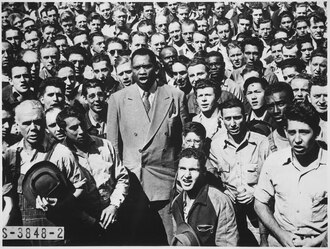
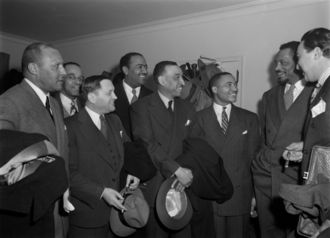
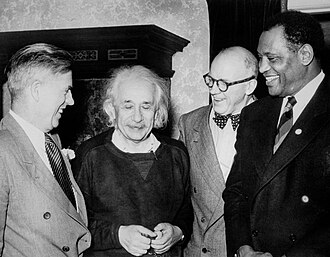
この時期、彼は舞台『オセロ』などの作品を通じて、人種的な壁を打ち破る挑戦を続けました。また、世界的な知識人であるアルベルト・アインシュタインらとも交流し、普遍的な人間愛と平和を追求しました。
晩年と不滅の遺産
1950年代後半になると、マッカーシズムの衰退とともに、ロブソンは再び表舞台へと戻ります。ヨーロッパ、オーストラリア、ニュージーランドなどでカムバックツアーを行い、世界中から熱狂的な支持を受けました。
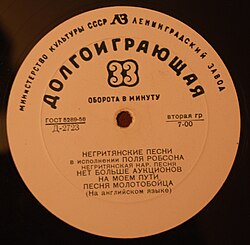
しかし、長年の闘争と精神的な疲弊から、1960年代初頭に健康状態が悪化します。モスクワやロンドン、そして東ドイツで治療を受けましたが、その後は静かな引退生活を送ることとなりました。
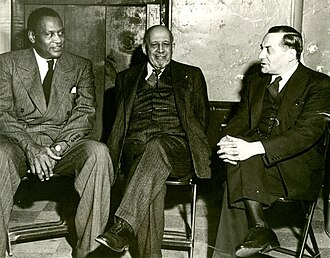
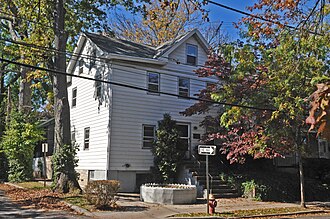
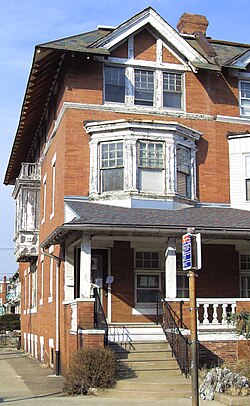
1976年にこの世を去った後も、彼の精神は多くの後世のアーティストや活動家に受け継がれています。フィラデルフィアにある彼の旧宅は、今もその記憶を留める場所として大切にされています。
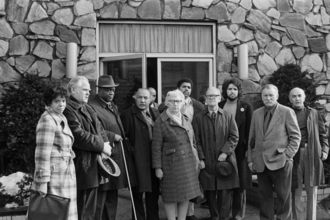
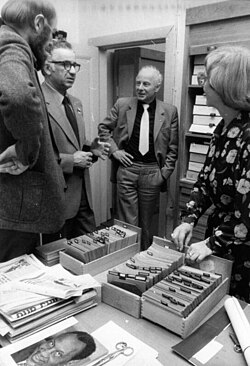
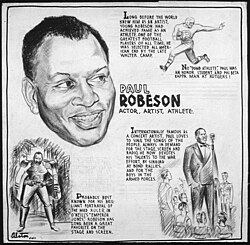
ポール・ロブソンは、単なるエンターテイナーではなく、芸術を通じて人間の尊厳を問い続けた真の人間主義者でした。
| 項目 | 詳細 |
|---|---|
| 主な肩書き | バス歌手、俳優、人権活動家、元プロフットボール選手 |
| 代表作 | 『ショーボート』『オセロ』『皇帝ジョーンズ』 |
| 学歴 | ラトガース大学(BA)、コロンビア大学(LLB) |
| 政治的活動 | スペイン内戦支援、反人種差別運動、平和活動 |
| 受難の時代 | 1950年代のマッカーシズムによるブラックリスト入り |
Frequently Asked Questions
ポール・ロブソンはどのような歌手でしたか?
彼は深く重厚な音色を持つバス歌手として知られ、特に黒人霊歌(スピリチュアルズ)や、ミュージカル『ショーボート』の「オールド・マン・リバー」などの楽曲で世界的な名声を獲得しました。
彼はなぜ米国政府から弾圧を受けたのですか?
冷戦時代、彼が共産主義的な思想に共鳴し、人種差別撤廃や世界平和を強く訴えたため、マッカーシズム(赤狩り)の標的となり、破壊的団体に関与していると見なされたためです。
スポーツ選手としての実績は?
ラトガース大学時代に2度コンセンサス・オールアメリカンに選出されるほどのスター選手であり、卒業後はアクロン・プロスなどのチームでプロのアメリカンフットボール選手としても活動しました。
彼の芸術活動が社会に与えた影響は?
黒人俳優として主役級の役(特にオセロなど)を演じ切ることで、人種的な偏見を打破し、芸術における黒人の可能性を世界に証明しました。また、歌を通じて抑圧された人々に勇気を与え続けました。
晩年の生活はどうでしたか?
1950年代後半に世界ツアーで復活を遂げましたが、その後健康を損ない、ロンドンや東ドイツで治療を受けながら、静かに引退生活を過ごしました。
References
- "Thorpe–M'Millan Fight Great Duel: Robeson Scores Both Touchdowns for Locals Against Indians". . November 20, 1922. p. 7.
- Yowell, Keith (November 19, 2013). "Today in Pro Football History". Archived from the original on December 6, 2024. Retrieved November 5, 2024.
- "Paul Robeson Quotations". Paul Robeson Centennial Celebration. Archived from the original on March 15, 2017. Retrieved March 15, 2017.
- (March 3, 1934). "What's the Name, Please?". : 11.
- "Freedom". NYU Libraries. Archived from the original on March 15, 2022. Retrieved June 3, 2020.
- Hamilton, Neil A. (2002). "State Department Revokes Paul Robeson's Passport". Rebels and Renegades: A Chronology of Social and Political Dissent in the United States. pp. 234–35.
- "Resources About Paul Robeson (1898–1976)" Archived June 22, 2017, at the , Paul Robeson Centennial Celebration. Retrieved June 12, 2017.
- , p. 3; cf. , p. 18, , pp. 4–5
- , pp. 5–6, 145–149; cf. , pp. 4–5; , pp. 10–12
📸 フォトギャラリー