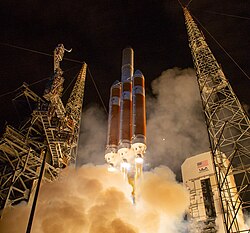
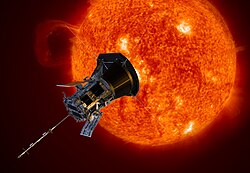
太陽という巨大な恒星の謎を解き明かすため、NASAが放った究極の探査機がパーカー・ソーラー・プローブ(Parker Solar Probe)です。このミッションは、単に太陽に近づくことではなく、太陽の外層大気である「コロナ」に直接飛び込み、太陽物理学の根本的な謎を解明することを目的としています。
かつては「ソーラー・プローブ」や「ソーラー・プローブ・プラス」と呼ばれていたこのプロジェクトは、先駆的な物理学者ユージン・パーカー博士の名を冠し、2018年にその壮大な旅を開始しました。
Key Facts
- ミッション目的:太陽コロナへの進入と太陽風の発生メカニズムの解明。
- 最高到達点:太陽からわずか約690万km(約9.86太陽半径)まで接近。
- 驚異的な速度:太陽の重力を利用し、人類が作った物体の中で史上最速の速度に到達。
- 特殊設計:超高温に耐えるための高度な熱制御システムと耐熱シールドを搭載。
- 軌道戦略:金星の重力を利用した「スイングバイ」を繰り返し、徐々に太陽へと接近。
太陽へのアプローチ:軌道と戦略
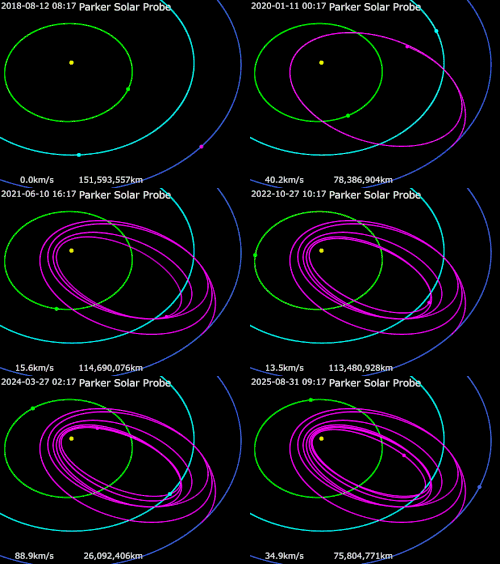
太陽に直接向かうことは、膨大なエネルギーを必要とするため不可能です。そこでパーカー・ソーラー・プローブは、金星の重力を利用して速度を落とし、軌道を太陽側に絞り込むという巧妙な戦略を採用しました。
2018年の打ち上げ後、探査機は何度も金星に接近(フライバイ)し、そのたびに太陽への距離を縮めてきました。このプロセスにより、最終的には太陽のコロナ内部に到達することが可能となりました。
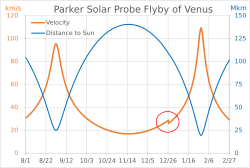
特に2019年12月の金星フライバイでは、速度を秒速26kmまで減速させることで、より太陽に近い新しい軌道へと移行することに成功しています。
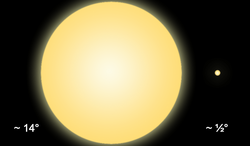
地球から見た太陽の大きさと、この探査機が近日点(太陽に最も近づく点)で捉える太陽の大きさを比較すると、その接近度の凄まじさが分かります。
極限環境に耐える機体設計と観測装置
太陽に近づくということは、想像を絶する熱と放射線にさらされることを意味します。機体を保護するため、炭素複合材を用いた高度な熱シールドが装備されており、内部の精密機器を適切な温度に保つ熱制御システムが不可欠です。
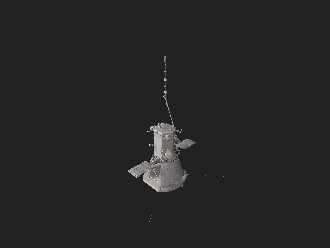
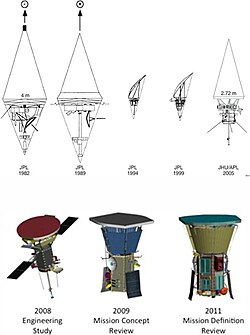
設計の進化を経て完成したこの機体は、以下の4つの主要な観測装置を搭載し、太陽の正体に迫ります。
- SWEAP:太陽風に含まれる電子、アルファ粒子、陽子を調査。
- WISPR:広視野イメージャーにより、太陽近傍の構造を可視化。
- FIELDS:電磁場の変動を精密に測定。
- IS☉IS:高エネルギー粒子の挙動を分析。
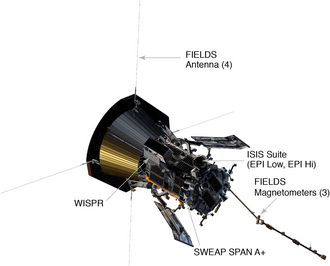
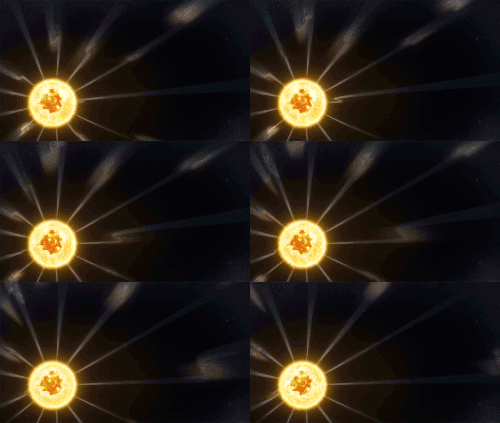
これらの装置により、太陽風が急激に方向を変える「スイッチバック」と呼ばれる磁場の乱れなど、これまでの理論を覆す現象が観測されました。
ミッションの成果と今後の展望
パーカー・ソーラー・プローブは、単なるデータ収集にとどまらず、副産物として多くの彗星(主にクルーツ型彗星)を発見したことでも知られています。2021年から2023年にかけて、PSP-001からPSP-020まで、多くの彗星がこの探査機の視点から捉えられました。
現在は、計画されていた7年のミッション期間を超えて運用されており、2025年末にかけてさらなる近日点通過を予定しています。太陽の最も深い場所へ到達し、宇宙のエネルギー源である太陽の仕組みを完全に理解することが期待されています。
ミッション概要まとめ
| 項目 | 詳細 |
|---|---|
| 運用機関 | NASA / ジョンズ・ホプキンス大学応用物理研究所 (APL) |
| 打ち上げ日 | 2018年8月12日 |
| 打ち上げ重量 | 685 kg |
| 近日点高度 | 約690万 km (0.046 AU) |
| 公転周期 | 88日 |
| 最大速度 | 約192 km/s (近日点付近) |
Frequently Asked Questions
なぜ太陽に近づくと速度が上がるのですか?
太陽の強力な重力に引き寄せられるため、位置エネルギーが運動エネルギーに変換され、加速します。これは地球の重力で落下する物体が加速するのと同じ原理であり、太陽に近づくほど速度は増していきます。
太陽の熱で溶けてしまわないのはなぜですか?
厚い炭素複合材製の耐熱シールドが太陽光を遮断しているためです。このシールドが熱の大部分を跳ね返し、内部の機器は快適な温度に保たれています。
「コロナ」とは具体的に何ですか?
太陽の表面(光球)よりもさらに外側にある、非常に高温で希薄なプラズマの層のことです。不思議なことに、表面よりも外側のコロナの方が温度が高いという謎があり、本ミッションはその原因を調査しています。
金星を何度も通過するのはなぜですか?
太陽へ向かうには速度を適切に制御する必要があります。金星の重力を利用して軌道を曲げ、速度を調整(減速)させることで、燃料を節約しながら効率的に太陽へと接近できるためです。
このミッションで何が分かったのですか?
太陽風の加速メカニズムや、磁場が折り返される「スイッチバック」現象の観測など、太陽物理学における重要な発見が相次いでいます。また、多くの新彗星の発見にも寄与しました。
References
- For altitude above the surface, subtract one solar radius ≈0.7 million km.
- Speeds are given in the heliocentric ecliptic reference frame.
- Details on Venus flybys from Guo et al.: 6 This was published in 2014, four years before the mission began. For a variety of reasons, including the fact that the launch had to be delayed at the last minute, actual details could differ from the ones presented in the work.
- Inbound indicates that the Venus flyby will take place after Parker's aphelion (in the case of the first flyby, after its launch), on its way to perihelion. Outbound indicates that the Venus flyby will take place after Parker's perihelion, on its way to aphelion.
- Inside indicates that the probe will pass in between Venus and the Sun. Outside indicates that the probe will pass beyond Venus from the Sun; the probe will briefly pass through Venus's shadow in those instances.
- The altitude is from the source cited,: 6 dated 2014. 2548 km comes to 1583 mi. NASA's and Johns Hopkins's press releases (identical), say "...came within about 1500 miles of Venus' surface..." A NASA blog, says, "...completed its flyby of Venus at a distance of about 1500 miles..." Other news reports, presumably taking that information, also provide a figure of 2414 km. But neither the NASA/Hopkins press release nor the blog gives a figure in kilometers.
Both the NASA and Hopkins press releases say that the flyby reduced the speed of the Parker Solar Probe (relative to the Sun) by about 10%, or 7000 mph. This altered the orbit, bringing perihelion about 4 million miles closer to the Sun than it would have been without the gravity assist. - By way of comparison, the planet orbits the Sun at a distance varying from about 46,001,200 km at its closest to about 69,816,900 km at its farthest.
- After the second solar encounter phase, Parker Solar Probe was able to download much more data than NASA had expected. So NASA announced a substantial extension of the third solar encounter phase from 11 days to about 35 days. The observational instruments were turned on when Parker Solar Probe came within 0.45 on the inbound trip, and are planned to run until the probe reaches about 0.50 au outbound.
- The third flyby of Venus was the first to pass behind Venus from the point of view of the Sun. The probe was in Venus's shadow, obscured from the Sun, for about 11 minutes, and passed through a so-called "tail" of Venus – a trail of charged particles from the atmosphere of Venus. The probe's instruments were to be turned on to make observations.
📸 フォトギャラリー