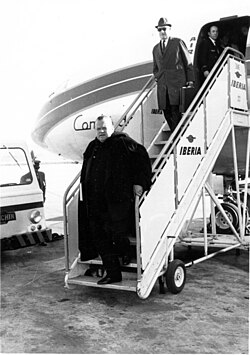
Welles aged three, 1918
← ホームへ戻る

オーソン・ウェルズ演劇・ラジオ・映画の境界を壊した不世出の天才

🗓 2026年8月14日

20世紀の芸術界において、これほど多才で野心的な人物は稀でしょう。オーソン・ウェルズは、映画監督、俳優、脚本家、そしてラジオパーソナリティとして、既存の表現形式を根底から覆しました。彼のキャリアは、単なる成功の積み重ねではなく、常に新しい表現を追い求めた果てしない挑戦の歴史でした。

Key Facts

  • 映画史の金字塔: 22歳でブロードウェイの最年少プロデューサーとなり、後に映画『市民ケーン』で映画表現に革命をもたらした。
  • 多才な表現者: 演劇、ラジオ、映画の3領域で頂点を極め、さらに手品(マジック)にも精通していた。
  • 革新的な手法: ディープフォーカスや斬新な編集など、現代映画の基礎となる技法を先駆的に導入した。
  • 不屈の精神: ハリウッドでの成功と挫折を繰り返し、晩年までヨーロッパと米国を行き来しながら作品制作に没頭した。

早熟な才能の開花と演劇・ラジオでの躍進

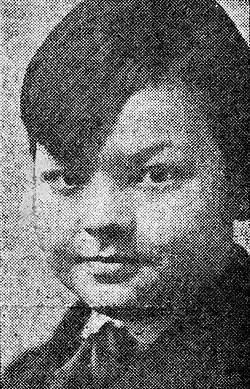
ウェルズの類まれなる才能は、幼少期から顕著でした。幼い頃から芸術への関心が強く、少年時代にはすでに漫画家や詩人、俳優としての顔を持っていました。
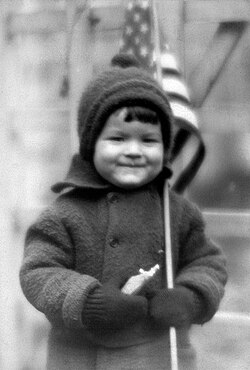
Welles aged three, 1918
Welles in 1926: "Cartoonist, Actor, Poet and only 10"

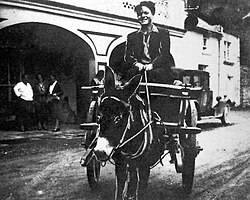
その後、トッド・スクール・フォー・ボーイズで学び、卒業後はアイルランドやアラン諸島を巡るスケッチ旅行に出るなど、知的好奇心と芸術的感性を養いました。

Welles (fourth from left) with classmates at the Todd School for Boys (1931)[25]
After graduating, 16-year-old Welles embarked on a painting and sketching tour of Ireland and the Aran Islands, traveling by donkey cart (1931).

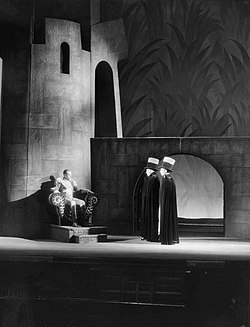
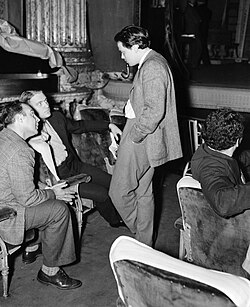
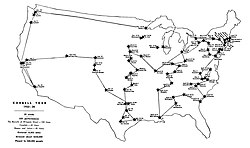
1930年代に入ると、彼は演劇の世界で急速に頭角を現します。1933年から34年にかけてのキャサリン・コーネルによる全米ツアーでプロデビューを果たすと、その後、独自の演出スタイルを確立。1936年には『マクベス』や『馬は帽子を食べる』などの作品で注目を集めました。
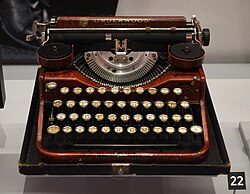
Underwood portable typewriter used by Welles in the 1930s and 1940s, displayed at the National Museum of American History
Map of Katharine Cornell's 1933–1934 transcontinental repertory tour, Welles's professional debut on the American stage
Macbeth (Jack Carter, left) with the Murderers in Macbeth (1936)
From left, Houseman, Edwin Denby and Welles at a rehearsal of Horse Eats Hat (1936)

さらに、連邦劇場プロジェクトによる『揺りかごは岩を揺らす』の演出や、1938年にはブロードウェイ史上最年少のインプレサリオ(興行師)として、記録的な成功を収めた『ジュリアス・シーザー』を制作・監督・主演させました。
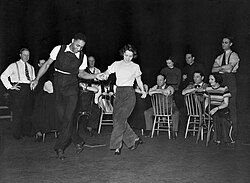
Choreographer Clarence Yates rehearses a musical sequence with Olive Stanton for the Federal Theatre Project production of The Cradle Will Rock (1937)
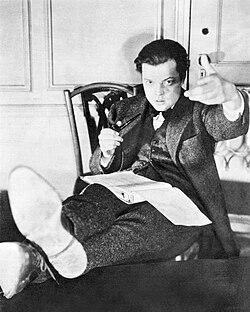
Aged 22 Welles was Broadway's youngest impresario – producing, directing and starring in an adaptation of Julius Caesar that broke all performance records for the play (1938).

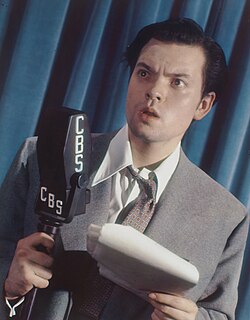
ラジオの世界でも、彼は伝説的な足跡を残しています。ミューチュアル放送の『シャドウ』での声の出演や、1938年のハロウィンに放送され、全米にパニックを引き起こした『宇宙戦争』は、メディアの持つ影響力を世に知らしめた歴史的事件となりました。
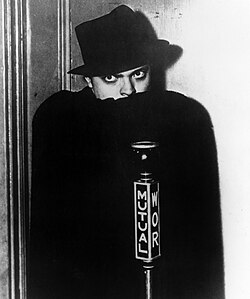
Welles was the voice of The Shadow on the Mutual radio network (1937–1938).
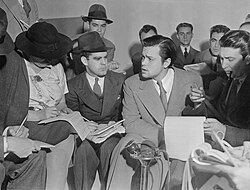
Welles at the press conference after "The War of the Worlds" broadcast (October 31, 1938)
The Mercury Theatre on the Air became The Campbell Playhouse in December 1938.

ハリウッドへの進出と『市民ケーン』の衝撃

1940年代、ウェルズは映画界へと舞台を移します。その頂点が、1941年に公開された『市民ケーン』です。この作品は、物語の構成や撮影技法において極めて革新的であり、映画史における最高傑作の一つとして今なお高く評価されています。
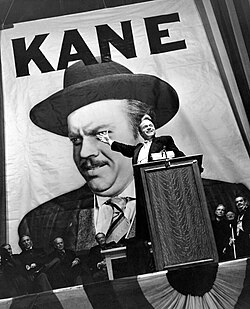
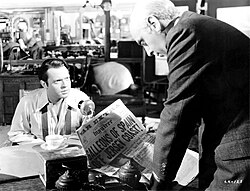
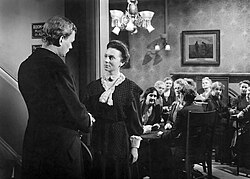
Welles in Citizen Kane (1941)
The National Board of Review recognized both Welles and George Coulouris for their performances in Citizen Kane (1941), which was also voted the year's best film.

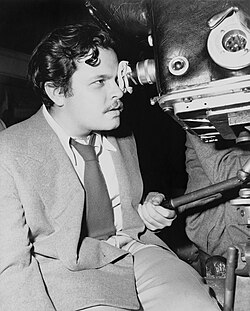
彼は監督としてのみならず、プロデューサーとしても活動し、『ネイティブ・サン』などの作品を手がけました。しかし、その野心的な姿勢は時にスタジオとの衝突を招きます。『マグニフィセント・アンバーソンズ』では、完成直前に大幅なカットを強要されるという苦い経験をしました。
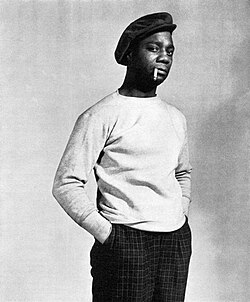
Canada Lee as Bigger Thomas in Native Son (1941), co-produced and directed by Welles
Welles at work on The Magnificent Ambersons (1942)
Promotional photograph of Joseph Cotten and Agnes Moorehead in the excised concluding scene of The Magnificent Ambersons

また、ブラジルでの撮影を試みた未完のプロジェクト『It's All True』など、常に枠にとらわれない壮大な構想を抱いていました。
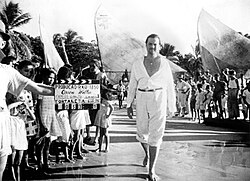
Welles on location in Fortaleza, Brazil, while filming the "Jangadeiros" section of the unfinished film It's All True
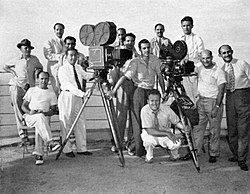
Some of Welles's It's All True film crew at the top of Sugarloaf Mountain, Rio de Janeiro, in early 1942
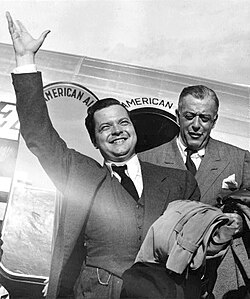
Welles, accompanied by RKO vice-president Phil Reisman, arrives in Rio de Janeiro as a goodwill ambassador to Latin America (February 1942)

多才な活動と晩年の探求

ウェルズの人生は、映画以外にも多彩な活動で彩られていました。戦時中には軍の広報活動に関わり、ラジオシリーズ『Ceiling Unlimited』などを担当。また、私生活ではリタ・ヘイワースとの結婚など、華やかな一面もありました。
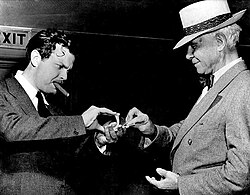
Welles performs a card trick for Carl Sandburg before the War Bond drive broadcast I Pledge America (August 1942).
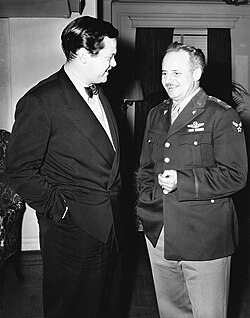
Welles and Col. Arthur I. Ennis, head of the public relations branch of the Army Air Forces, discuss plans for the CBS Radio series Ceiling Unlimited (October 1942).
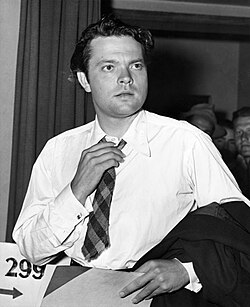
Welles leaves his Army physical after being judged unfit for military service (May 6, 1943).
Rita Hayworth took a lunch-hour break from the set of Cover Girl to marry Welles, with best man Cotten (September 7, 1943).[106]: 91
Welles introduced Vice President Henry A. Wallace at a Madison Square Garden rally advocating a fourth term for President Franklin D. Roosevelt (September 21, 1944).[18]: 385

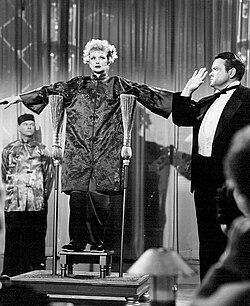
彼はまた、熱狂的なマジシャンでもありました。『マーキュリー・ワンダー・ショー』や、テレビ番組『アイ・ラブ・ルーシー』への出演など、観客を魅了するパフォーマンスを生涯楽しみました。
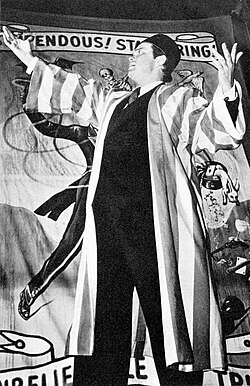
"Hello, suckers!" Orson the Magnificent welcomes the audience to The Mercury Wonder Show (August 1943).
Welles the magician with Lucille Ball in I Love Lucy (October 15, 1956)

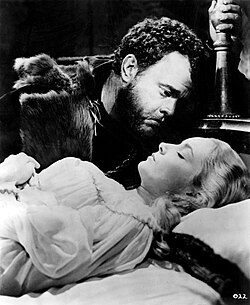
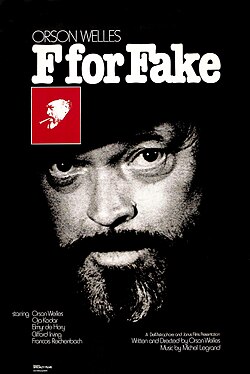
キャリア後半は、ヨーロッパを拠点に活動することが多くなりました。『オセロ』や『Mr.アルカディン』、そして傑作『黒い罠』など、独自の美学を追求した作品を次々と発表。晩年には、映画エッセイ的な手法を用いた『Fは偽物』を完成させ、最期まで表現者としての情熱を燃やし続けました。
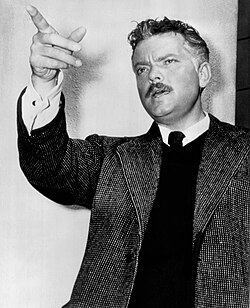
Director and star Orson Welles at work on The Stranger (October 1945)
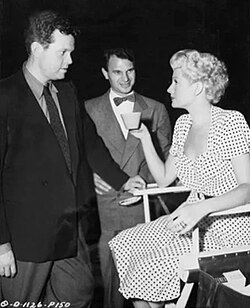
Welles, associate producer Richard Wilson and Rita Hayworth confer on the set of The Lady from Shanghai (1947)
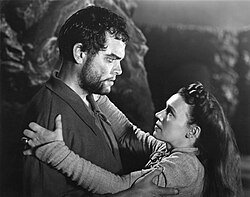
Welles and Jeanette Nolan in Macbeth
Welles and Suzanne Cloutier in Othello (1951)
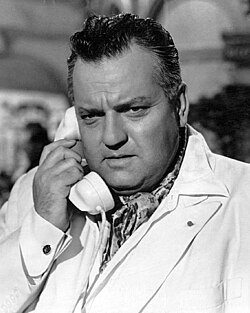
Welles in Madrid during filming of Mr. Arkadin in 1954
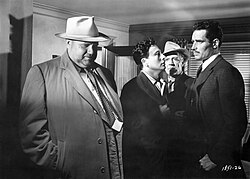
Welles, Victor Millan, Joseph Calleia and Charlton Heston in Touch of Evil (1958)
Welles in Crack in the Mirror (1960)
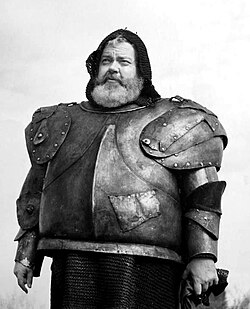
Welles as Falstaff in Chimes at Midnight (1965)
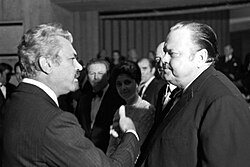
Sergei Bondarchuk and Welles at the Battle of Neretva premiere in Sarajevo (November 1969)
Poster for F for Fake (1974), a film essay and the last film he completed

私生活では、バージニア・ニコルソンやパオラ・モリとの結婚を経て、多くの子供たちに恵まれました。
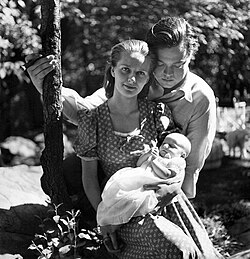
Welles and Virginia Nicolson Welles with their daughter Christopher Marlowe Welles (1938)
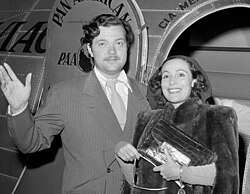
Welles and Dolores del Río (1941)
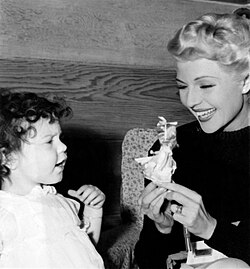
Daughter Rebecca Welles and Rita Hayworth (December 23, 1946)
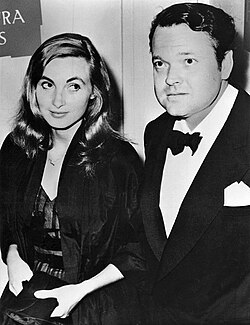
Paola Mori and Welles, days before their marriage (May 1955)

オーソン・ウェルズの主要作品まとめ

彼の膨大な業績の中から、特に重要な作品を分野別にまとめました。

オーソン・ウェルズの代表的業績
カテゴリー 代表作・プロジェクト 特筆事項
映画 市民ケーン、黒い罠、チャイムス・アット・ミッドナイト 映画技法の革新と演出の極致
演劇 ジュリアス・シーザー、マクベス、ネイティブ・サン 最年少インプレサリオとしての成功
ラジオ 宇宙戦争、シャドウ、マーキュリー劇場 音響演出による没入感の創造
その他 マーキュリー・ワンダー・ショー マジシャンとしてのエンターテインメント

Frequently Asked Questions

オーソン・ウェルズが映画史に与えた最大の影響は何ですか?

最大の影響は、『市民ケーン』で見せた革新的な視覚的・物語的アプローチです。特に、手前から奥までピントを合わせるディープフォーカスや、非線形な物語構成は、その後の映画制作のスタンダードとなりました。

ラジオドラマ『宇宙戦争』がなぜそれほど有名なのですか?

ニュース速報の形式を模して「火星人が地球を侵略した」という物語を放送したため、多くのリスナーがそれを現実の出来事だと信じ込み、全米規模のパニックを引き起こしたためです。これはメディアの説得力と危うさを証明した事例となりました。

彼は映画監督以外にどのような才能を持っていましたか?

彼は非常に多才で、優れた俳優であり、脚本家、ラジオパーソナリティ、そして熟練したマジシャンでもありました。また、若いうちから絵画や詩にも親しんでいました。

ウェルズのキャリアにおいて、ヨーロッパでの活動はどのような意味がありましたか?

ハリウッドのスタジオシステムによる制約から離れ、より自由で実験的な作品制作を行うための避難所であり、探求の場でした。これにより、独自の芸術的ビジョンを追求し続けることができました。

『It's All True』とはどのようなプロジェクトでしたか?

ブラジルなどの南米を舞台にした壮大なドキュメンタリー映画の計画でしたが、制作上の困難や政治的状況により未完に終わりました。彼の飽くなき好奇心と、スケールの大きな構想力を象徴するプロジェクトです。

References

  1. Richard H. Welles had changed the spelling of his surname by the time of the 1900 Federal Census, when he was living at , the 1888 Kenosha mansion built by his mother Mary Head Wells and her second husband, Frederick Gottfredsen.
  2. An alternative story of the source of his first and middle names was told by , who met Welles's parents on a cruise toward the end of 1914. Ade was traveling with a friend, Orson Wells (no relation), and the two of them sat at the same table as Mr. and Mrs. Richard Welles. Mrs. Welles was pregnant at the time, and when they said goodbye, she told them that she had enjoyed their company so much that if the child were a boy, she intended to name him after them: George Orson.
  3. Years later, the two men successively married .
  4. "Harvard reportedly offered a scholarship to its famous '47 Workshop' in playwriting", wrote biographer Patrick McGilligan.: 184  The course of study and training was created by in connection with the dramatics course known as English 47.
  5. Pre-production materials for Nero Wolfe (1976) are contained in the Orson Welles – Oja Kodar Papers at the University of Michigan.
  6. Paul Masson's spokesman since 1979, Welles parted company with Paul Masson in 1981, and in 1982 he was replaced by .
  7. Virginia Welles is a sympathetically written key character in one of Welles's last important pieces of writing, the unproduced screenplay about the 1937 staging of that he completed a year before his death.: 384 
  8. "On March 27, 1938," biographer Barbara Leaming wrote, "Orson's close friends received a most peculiar telegram: 'Christopher, she is born.' It was no joke": 148  Her full name was given to be in a January 1940 magazine profile of Welles by .
  9. While bantering with on a 1944 broadcast of before an audience of U.S. Navy service members, Welles says: "My great-granduncle was Gideon Welles, Secretary of the Navy in Lincoln's cabinet." (Lucille Ball AFRS broadcast, May 3, 1944, 2:42.)
  10. Welles repeats the claim in a 1970 appearance on the Dick Cavett Show.

📸 フォトギャラリー

Welles aged three, 1918
Welles in 1926: "Cartoonist, Actor, Poet and only 10"
Welles (fourth from left) with classmates at the Todd School for Boys (1931)[25]
After graduating, 16-year-old Welles embarked on a painting and sketching tour of Ireland and the Aran Islands, traveling by donkey cart (1931).
Underwood portable typewriter used by Welles in the 1930s and 1940s, displayed at the National Museum of American History
Map of Katharine Cornell's 1933–1934 transcontinental repertory tour, Welles's professional debut on the American stage
Macbeth (Jack Carter, left) with the Murderers in Macbeth (1936)
From left, Houseman, Edwin Denby and Welles at a rehearsal of Horse Eats Hat (1936)
Choreographer Clarence Yates rehearses a musical sequence with Olive Stanton for the Federal Theatre Project production of The Cradle Will Rock (1937)
Aged 22 Welles was Broadway's youngest impresario – producing, directing and starring in an adaptation of Julius Caesar that broke all performance records for the play (1938).
Welles was the voice of The Shadow on the Mutual radio network (1937–1938).
Welles at the press conference after "The War of the Worlds" broadcast (October 31, 1938)
The Mercury Theatre on the Air became The Campbell Playhouse in December 1938.
Welles in Citizen Kane (1941)
Canada Lee as Bigger Thomas in Native Son (1941), co-produced and directed by Welles
Welles at work on The Magnificent Ambersons (1942)
Promotional photograph of Joseph Cotten and Agnes Moorehead in the excised concluding scene of The Magnificent Ambersons
Welles on location in Fortaleza, Brazil, while filming the "Jangadeiros" section of the unfinished film It's All True
Some of Welles's It's All True film crew at the top of Sugarloaf Mountain, Rio de Janeiro, in early 1942
Welles performs a card trick for Carl Sandburg before the War Bond drive broadcast I Pledge America (August 1942).
Welles and Col. Arthur I. Ennis, head of the public relations branch of the Army Air Forces, discuss plans for the CBS Radio series Ceiling Unlimited (October 1942).
"Hello, suckers!" Orson the Magnificent welcomes the audience to The Mercury Wonder Show (August 1943).
Welles leaves his Army physical after being judged unfit for military service (May 6, 1943).
Rita Hayworth took a lunch-hour break from the set of Cover Girl to marry Welles, with best man Cotten (September 7, 1943).[106]: 91
Welles introduced Vice President Henry A. Wallace at a Madison Square Garden rally advocating a fourth term for President Franklin D. Roosevelt (September 21, 1944).[18]: 385
Director and star Orson Welles at work on The Stranger (October 1945)
Welles, associate producer Richard Wilson and Rita Hayworth confer on the set of The Lady from Shanghai (1947)
Welles and Jeanette Nolan in Macbeth
Welles and Suzanne Cloutier in Othello (1951)
Welles in Madrid during filming of Mr. Arkadin in 1954
Welles the magician with Lucille Ball in I Love Lucy (October 15, 1956)
Welles, Victor Millan, Joseph Calleia and Charlton Heston in Touch of Evil (1958)
Welles in Crack in the Mirror (1960)
Welles as Falstaff in Chimes at Midnight (1965)
Sergei Bondarchuk and Welles at the Battle of Neretva premiere in Sarajevo (November 1969)
Poster for F for Fake (1974), a film essay and the last film he completed
Welles, accompanied by RKO vice-president Phil Reisman, arrives in Rio de Janeiro as a goodwill ambassador to Latin America (February 1942)
Welles and Virginia Nicolson Welles with their daughter Christopher Marlowe Welles (1938)
Welles and Dolores del Río (1941)
Daughter Rebecca Welles and Rita Hayworth (December 23, 1946)
Paola Mori and Welles, days before their marriage (May 1955)
The National Board of Review recognized both Welles and George Coulouris for their performances in Citizen Kane (1941), which was also voted the year's best film.