動物が周囲の環境変化を察知し、それに対して適切に反応するためには、身体の各部位へ情報を伝え、行動を調整する高度なシステムが必要です。それが神経系です。このシステムは、内分泌系と連携しながら、外部刺激への応答や内部状態の維持を司っています。神経組織の起源は古く、約5億5000万年から6億年前の虫のような生物にまで遡ると考えられています。
Key Facts
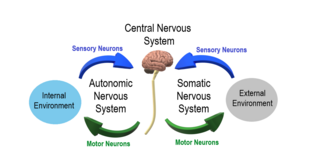
- 構成:脊椎動物では、脳と脊髄からなる「中枢神経系(CNS)」と、それらを全身に繋ぐ「末梢神経系(PNS)」に分かれる。
- 細胞:情報を伝達する「ニューロン」と、それをサポートする「グリア細胞」の2種類で構成される。
- 機能:感覚受容器で得た情報を処理し、運動ニューロンを通じて筋肉などの標的器官へ指令を送る。
- 自律制御:交感神経(緊急時)と副交感神経(リラックス時)、および消化管を制御する腸管神経系が存在する。
- 進化:左右対称の身体を持つ「左右相称動物」の共通祖先から、神経索や脳のような神経節を持つ構造が発展した。
神経系の構造と分類
中枢神経系(CNS)と末梢神経系(PNS)
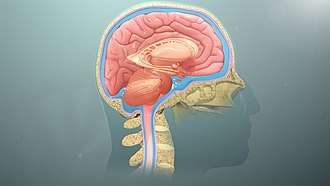
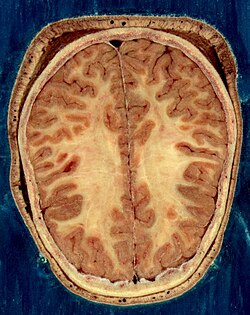
脊椎動物の神経系は、大きく2つの領域に分類されます。まず、司令塔の役割を果たすのが中枢神経系であり、ここには脳と脊髄が含まれます。一方、中枢と身体の各部位を結ぶネットワークが末梢神経系です。末梢神経系は、長い繊維である軸索が束になった「神経」で構成されています。
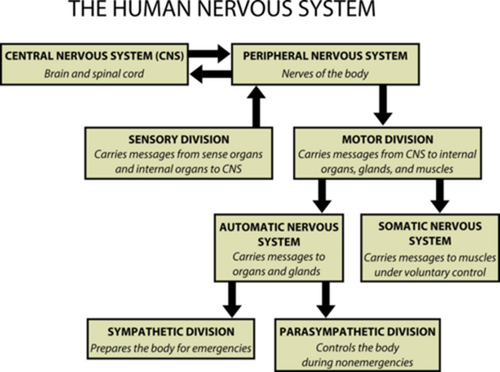
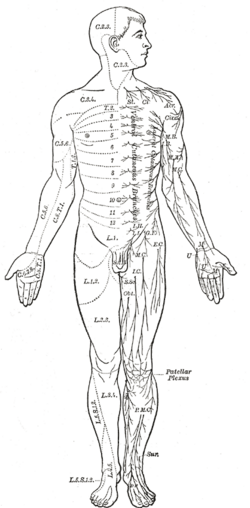
情報の流れによって、末梢神経はさらに2種類に分けられます。身体から中枢へ情報を運ぶのが「感覚神経(求心性神経)」であり、中枢からの指令を身体へ伝えるのが「運動神経(遠心性神経)」です。また、脳から直接出るものは脳神経、脊髄から出るものは脊髄神経と呼ばれます。
末梢神経系の詳細なサブシステム
末梢神経系はさらに、意識的に制御できる「体性神経系」と、不随意に働く「自律神経系」に分かれます。自律神経系はさらに3つの系に細分化されます。
- 交感神経系:危機的な状況でエネルギーを動員し、身体を活動状態にする。
- 副交感神経系:休息時に働き、身体をリラックスした状態に導く。
- 腸管神経系:胃腸などの消化管系を独立して制御する。
神経系の細胞と伝達メカニズム
ニューロンとグリア細胞
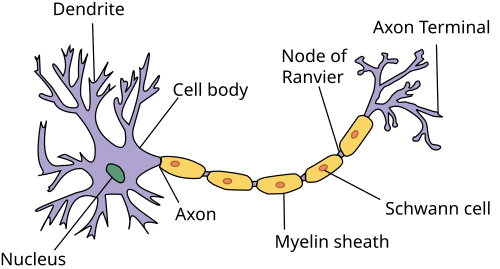
神経組織を構成する主要な細胞は、ニューロン(神経細胞)とグリア細胞です。ニューロンは電気信号を用いて情報を高速に伝達する役割を担い、グリア細胞はそれらのニューロンを物理的・化学的にサポートします。例えば、末梢神経系ではシュワン細胞がニューロンを包み込み、効率的な伝達を助けています。
シナプスによる情報伝達
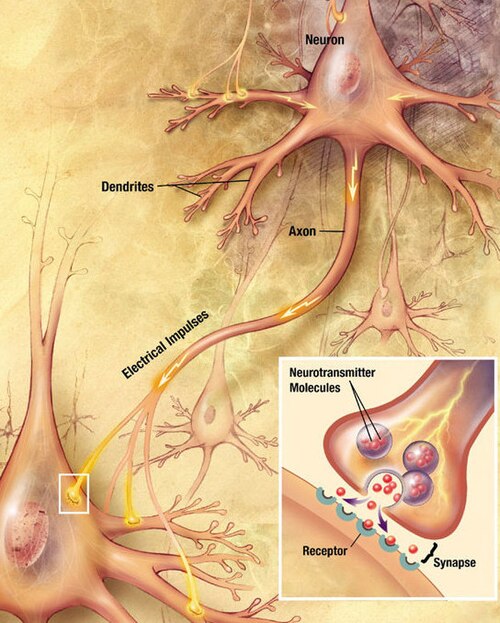
ニューロン間の接合部はシナプスと呼ばれます。電気的な波である「活動電位」が軸索の末端に到達すると、化学物質である「神経伝達物質」が放出されます。これが次の細胞の受容体に結合することで、信号が次へと受け渡されます。
生物学的進化と比較解剖学
左右相称動物の共通構造
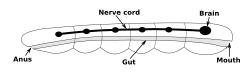
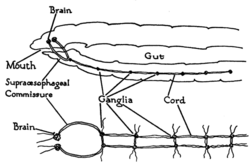
現代の動物の多くは、左右がほぼ鏡合わせの構造を持つ「左右相称動物」です。彼らの共通祖先は、口から肛門まで続く中空の消化管と、身体の各節に神経節(ガングリオン)を持つ神経索を備えていたと考えられています。特に前方に位置する大きな神経節が、後の「脳」へと発展しました。
多様な生物の神経系
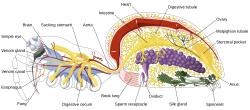
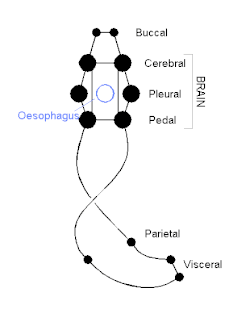
生物によって神経系の複雑さは異なります。例えば、線虫(C. elegans)はすべてのニューロンと接続(コネクトーム)が解明されており、オス(383個)と雌(302個)でニューロン数に差があることが分かっています。また、ミミズやクモ、軟体動物などでも、それぞれの生存戦略に適した神経ネットワークが発達しています。
神経系の機能と動作原理
刺激応答から自律的パターン生成へ
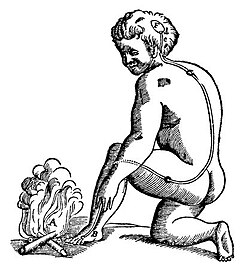
かつて神経系は、単なる「刺激に対する反応(刺激-応答)」の連鎖であると考えられていました。デカルトなどの哲学者が提唱し、後の行動主義心理学に影響を与えたこの考え方では、感覚入力が運動出力を引き起こすという単純な回路が想定されていました。
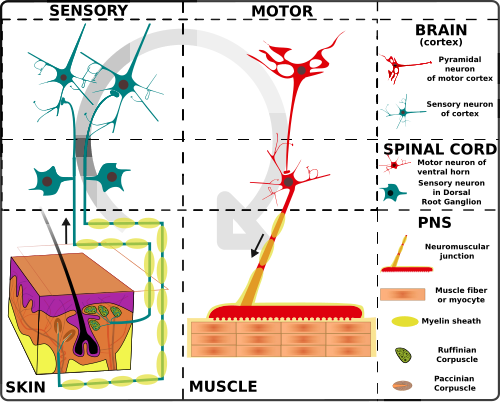
しかし、20世紀の電気生理学の研究により、外部刺激がなくてもニューロンが自発的に活動電位を生成できることが判明しました。現代では、神経系は「外部刺激への応答」と「内部で生成される活動パターン」の両方が相互に作用することで、複雑な行動を実現していると考えられています。
体内時計とサーカディアンリズム
内部的に生成されるパターンの代表例が、約24時間周期のサーカディアンリズム(概日リズム)です。これは特定の遺伝子群による「遺伝子時計」によって制御されており、光などの外部要因に影響されつつも、独立して機能します。哺乳類では、脳の視交叉上核という部位がマスタークロックとして機能し、全身の組織時計を同期させています。
神経系の発生と発達
神経誘導のメカニズム
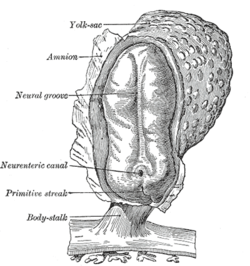
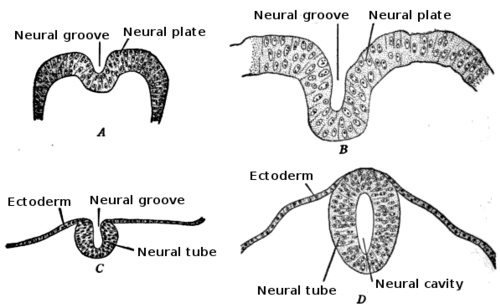
胚の発達過程において、神経組織が形成されるプロセスを「神経誘導」と呼びます。これは、中胚葉のオーガナイザー領域からの信号によって引き起こされます。具体的には、BMP4というタンパク質の働きを、ノギン(Noggin)やコーディン(Chordin)といった別のタンパク質が阻害することで、外胚葉が神経組織へと分化します。
ニューロトロフィンの役割
脊椎動物から昆虫まで、多くの左右相称動物に共通して「ニューロトロフィン」という信号分子が存在します。これはニューロンの成長や生存を調節する重要な因子であり、神経系の形成における共通のメカニズムであると考えられています。
まとめ:神経系の構成一覧
| 分類 | 主要構成要素 | 主な役割・特徴 |
|---|---|---|
| 中枢神経系 (CNS) | 脳、脊髄 | 情報の統合、意思決定、指令の生成 |
| 末梢神経系 (PNS) | 感覚神経、運動神経 | 中枢と身体各部の間の信号伝達 |
| 自律神経系 | 交感・副交感・腸管神経 | 内臓機能の不随意な調節 |
| 細胞レベル | ニューロン、グリア細胞 | 電気信号の伝達と組織の維持サポート |
Frequently Asked Questions
中枢神経系と末梢神経系の決定的な違いは何ですか?
中枢神経系(脳と脊髄)は情報を処理し、判断を下す「コントロールセンター」です。対して末梢神経系は、そのセンターと全身の末端を繋ぐ「通信ケーブル」のような役割を果たし、感覚情報の収集と指令の伝達を担います。
交感神経と副交感神経はどのように使い分けられていますか?
交感神経は「戦うか逃げるか」という緊急時に活性化し、心拍数を上げエネルギーを動員します。一方、副交感神経は「休息と消化」の時に働き、心拍を落ち着かせ、身体を回復・維持させる方向に作用します。
ニューロン以外に脳に存在する細胞は何ですか?
グリア細胞と呼ばれる細胞が存在します。これらはニューロンのように電気信号を伝達するわけではありませんが、栄養供給、絶縁(髄鞘の形成)、免疫防御など、ニューロンが正しく機能するための不可欠なサポートを提供しています。
神経系はどのようにして作られるのですか?
胚の段階で、特定のタンパク質(BMP4など)の働きが阻害されることで、外胚葉という組織が神経組織へと分化します。このプロセスを神経誘導と呼び、その後、ニューロトロフィンなどの分子がニューロンの成長と生存を制御してネットワークが構築されます。
サーカディアンリズムとは何ですか?
約24時間周期で繰り返される生物学的なリズムのことです。遺伝子レベルの時計によって制御されており、睡眠・覚醒サイクルなどの行動を調節しています。哺乳類では脳の視交叉上核がこのリズムの主導権を握っています。
References
- Tortora, G.J.; Derrickson, B. (2016). Principles of Anatomy and Physiology (15th ed.). J. Wiley. .
- Iadecola, Costantino (27 September 2017). "The Neurovascular Unit Coming of Age: A Journey through Neurovascular Coupling in Health and Disease". Neuron. 96 (1): 17–42. :10.1016/j.neuron.2017.07.030. 1097-4199. 5657612. 28957666.
- "Nervous System". Columbia Encyclopedia. Columbia University Press.
- Herculano-Houzel S, Avelino-de-Souza K, et al. (2014). "The elephant brain in numbers". Front Neuroanat. 8: 46. :10.3389/fnana.2014.00046. 4053853. 24971054.
- Kandel ER, Schwartz JH, Jessel TM, eds. (2000). "Ch. 2: Nerve cells and behavior". Principles of Neural Science. McGraw-Hill Professional. .
- Finger S (2001). "Ch. 1: The brain in antiquity". Origins of neuroscience: a history of explorations into brain function. Oxford Univ. Press. .
- Finger, pp. 43–50
- Sakarya O, Armstrong KA, Adamska M, et al. (2007). Vosshall L (ed.). "A post-synaptic scaffold at the origin of the animal kingdom". PLOS ONE. 2 (6): e506. :2007PLoSO...2..506S. :10.1371/journal.pone.0000506. 1876816. 17551586.
- Ruppert EE, Fox RS, Barnes RD (2004). Invertebrate Zoology (7 ed.). Brooks / Cole. pp. 111–124. .
- Balavoine G (2003). "The segmented Urbilateria: A testable scenario". Int Comp Biology. 43 (1): 137–147. :10.1093/icb/43.1.137. 21680418.
📸 フォトギャラリー