自然現象が社会やコミュニティに甚大な被害をもたらしたとき、それを自然災害と呼びます。しかし、近年の学術的な視点では、単なる自然現象だけでなく、そこに住む人々の脆弱性や準備状況が組み合わさることで「災害」が成立するという考え方が主流となっています。つまり、物理的な現象(ハザード)と、それに対する社会の耐性が被害の規模を決定づけるのです。
Key Facts
- 自然災害は、気象、水文、地質などの多様な要因によって引き起こされる。
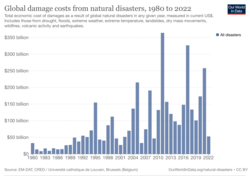
- 経済的損失は1970年代から2010年代にかけて7倍に増加しており、人口増加や資産の蓄積が主な要因となっている。
- 2012年の統計では、全災害の93%が気象関連の事象であった。
- 災害後の救援活動で発生する大量のプラスチック廃棄物が「第二の災害」となるケースがある。
- 多くの国で防災(DRR)予算は国家予算の1%未満に留まっている。
自然災害の分類と具体例
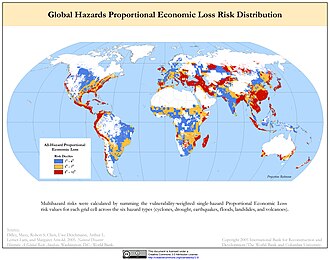
自然災害は、その発生原因によって大きく地質学的なものと気象学的なものに分けられます。
地質学的ハザード
地球内部の活動や地形の変化によって起こる災害です。地震や火山噴火のほか、土砂崩れ(地滑り)や雪崩、シンクホールなどが含まれます。特に地震は、建物やインフラの強度によって被害額が大きく変動します。
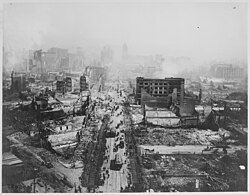
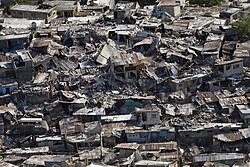
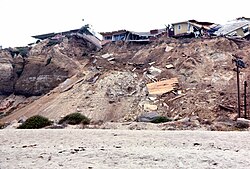
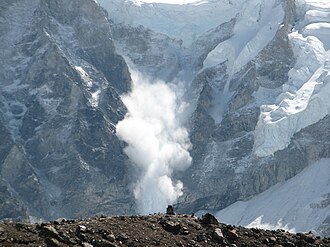
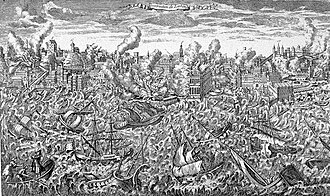
また、海底地震や火山活動によって引き起こされる津波(Tsunami)は、大量の海水が押し寄せることで沿岸部に壊滅的な打撃を与えます。1755年のリスボン地震や2004年のスマトラ島沖地震、2011年の東日本大震災などがその代表例です。
気象・水文ハザード
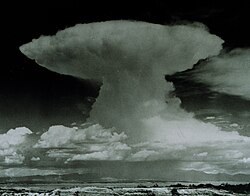
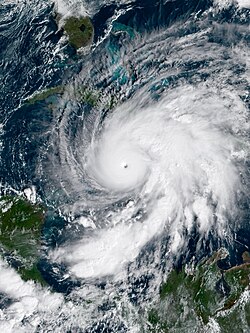
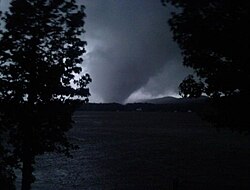
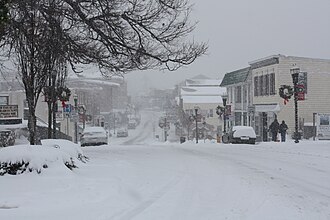
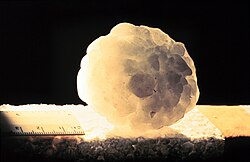
大気の状態や水の循環によって発生する災害です。熱波や干ばつ、猛吹雪(ブリザード)などの温度関連のものから、台風やハリケーンなどの熱帯低気圧、竜巻、雷雨まで多岐にわたります。
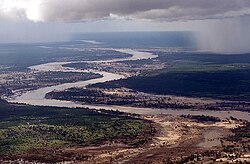
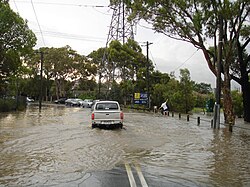
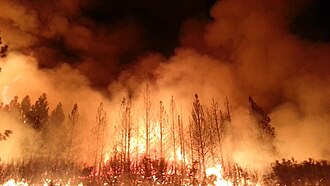
さらに、激しい降雨による洪水や、乾燥した環境で発生する山火事(ワイルドファイア)も深刻な脅威です。山火事は落雷などの自然要因だけでなく、人間の不注意や放火によっても引き起こされ、居住区にまで拡大することがあります。
災害がもたらす多角的な影響
経済的損失の拡大
世界的に見て、極端な気象や水関連の災害による経済的損失は急増しています。2015年から2021年の間、直接的な損失額は年間平均3,300億米ドルを超えました。この傾向は、気候変動の影響に加え、人口増加や都市化による「曝露(リスクにさらされる資産や人の増加)」が最大の要因であると分析されています。
環境への負荷と廃棄物問題
大規模な災害は、短期間に膨大な量の廃棄物を発生させます。2011年の東日本大震災では、約500万トンの瓦礫が発生し、その一部が太平洋を漂流して北米沿岸にまで到達しました。また、救援物資として配布されるペットボトルやテントなどのプラスチック製品が適切に処理されず、排水路を塞いで疾病リスクを高めるなど、環境悪化を招く事例も報告されています。
人的被害の推移
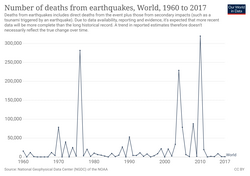
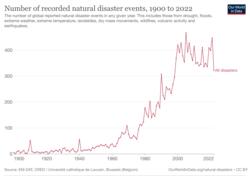
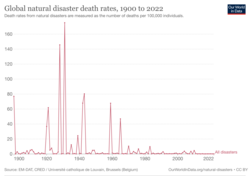
過去100年以上のデータを見ると、災害による死亡者数や発生件数は変動していますが、社会の脆弱な層(女性や高齢者など)がより深刻な影響を受ける傾向にあります。
リスク軽減と国際的な取り組み
災害リスク軽減(DRR: Disaster Risk Reduction)は、多くの国で国家戦略に組み込まれています。しかし、実際には他の開発優先事項に押され、予算配分が不十分な現状があります。こうした課題に対し、GFDRR(災害リスク軽減・回復グローバルファシリティ)のような多国間パートナーシップが、途上国への技術支援や能力構築を行っています。
![Disaster risk reduction progress score for some countries in 2011. The score of 5 is best. Assessments include four indicators that reflect the degree to which countries have prioritised disaster risk reduction and the strengthening of relevant institutions.[90]](/images/be/6c/be6ccfd0885ab858b25884b2dbd4ec2d0f8dec1e00bb4d7abe706c90fc6b08ae.png)
また、法的な枠組みとして、自然災害で避難を余儀なくされた人々を保護するため、1951年の難民条約や2009年のカンパラ条約などが活用されています。
自然災害の概要まとめ
| カテゴリー | 主な現象 | 主な影響要因 |
|---|---|---|
| 地質学的 | 地震、火山、地滑り、津波 | 地盤の強度、建築物の耐震性 |
| 気象学的 | 台風、竜巻、熱波、猛吹雪 | 気候変動、早期警戒システムの有無 |
| 水文学的 | 洪水、土石流 | 排水インフラ、河川管理 |
| 気候学的 | 干ばつ、山火事 | 植生の状態、水資源管理 |
Frequently Asked Questions
なぜ「自然災害」という言葉が不適切だと言われるのですか?
現象自体は自然なものですが、それが「災害」になるのは、社会の準備不足や脆弱なインフラなど、人間側の要因が組み合わさった結果だからです。そのため、単に「災害」と呼び、その原因となるハザードを具体的に指定すべきだという主張があります。
経済的損失が増え続けているのはなぜですか?
気候変動による現象の激甚化もありますが、それ以上に人口増加や経済発展に伴い、災害リスクのある地域に多くの人や高価な資産が集中(曝露の増加)していることが大きな要因です。
救援活動が環境に悪影響を与えることはありますか?
はい。救援物資として大量に配布されるプラスチック製のボトルや梱包材、簡易テントなどが、廃棄物管理システムが崩壊した被災地で放置され、環境汚染や衛生悪化を招く「第二の災害」となることがあります。
防災(DRR)において最も重要なことは何ですか?
単なる事後対応ではなく、事前のリスク分析に基づいたインフラの強化、早期警戒システムの整備、そして国家予算レベルでの計画的な資金配分による「脆弱性の低減」が不可欠です。
References
- "Natural Hazards | National Risk Index". hazards.fema.gov. . Retrieved 2022-06-08.
- G. Bankoff; G. Frerks; D. Hilhorst, eds. (2003). Mapping Vulnerability: Disasters, Development and People. . .[]
- "Why natural disasters aren't all that natural". openDemocracy. 2020-11-26. Archived from the original on 2020-11-29. Retrieved 2020-12-29.
- Kevin Blanchard #NoNaturalDisasters – Changing the discourse of natural disaster reporting (16 November 2018)
- Cannon, Terry. (1994). Vulnerability Analysis and The Explanation Of 'Natural' Disasters. Disasters, Development and Environment.
- "Why natural disasters aren't all that natural". preventionweb.net. 14 September 2017. Retrieved 2022-06-06.
- Gould, Kevin A.; Garcia, M. Magdalena; Remes, Jacob A.C. (1 December 2016). "Beyond 'natural-disasters-are-not-natural': the work of state and nature after the 2010 earthquake in Chile". Journal of Political Ecology. 23 (1): 93. :10.2458/v23i1.20181.
- Smith, Neil (2006-06-11). "There's No Such Thing as a Natural Disaster". Items. Archived from the original on 2021-01-22. Retrieved 2020-12-29.
- Coburn, Andrew W.; Spence, Robin JS; Pomonis, Antonios (1992). "Factors determining human casualty levels in earthquakes: mortality prediction in building collapse" (PDF). Proceedings of the tenth world conference on earthquake engineering. Vol. 10. CRC Press. pp. 5989–5994. . Archived (PDF) from the original on 2020-11-12. Retrieved 2020-12-29.
- "Wildfire Causes and Evaluations". National Park Service. 2018-11-27. Archived from the original on 2021-01-01. Retrieved 2020-12-29.
📸 フォトギャラリー