アメリカ合衆国には、国の歴史的価値を持つ建物や場所を公式に認定し、後世に伝えるための制度があります。それが国家歴史登録財(National Register of Historic Places: NRHP)です。この制度は単なるリストアップではなく、米国のアイデンティティを形作る建築物、遺跡、自然景観を体系的に保護するための国家的な枠組みとして機能しています。
Key Facts
- 設立年: 1966年の国家歴史保存法(NHPA)に基づき創設。
- 管理機関: 内務省傘下の国立公園局(NPS)が運営。
- 登録規模: 総数150万件以上の物件があり、うち約10万件が個別に登録。
- 保護の性質: 私有財産の場合、登録だけでは利用制限はかからないが、連邦政府の事業が影響する場合に審査(セクション106)が行われる。
- 多様な対象: 伝統的な建築物だけでなく、先住民の文化財や近代建築、自然サイトまで幅広くカバー。
NRHPの歴史と発展
1966年10月15日に制定された国家歴史保存法(NHPA)により、NRHPと州歴史保存事務所(SHPO)が設立されました。これにより、米国で初めて包括的な歴史保存政策が導入されることとなりました。当初は既存の国家歴史ランドマークや国立公園内のサイトが中心でしたが、その後、制度は大きく拡大しました。
設立当初、国立公園局のジョージ・B・ハーツォグ・ジュニア局長のもとで、考古学および歴史保存連邦事務所(OAHP)が設置され、プログラムの具体化が進められました。
![George B. Hartzog Jr., director of the National Park Service from 1964 to 1972[2]](/images/e7/90/e790bfbef955037cc34ca990f49838e2f9cea079dbb5f8238aa2d3d4244359c3.jpg)
1980年と1992年の法改正を経て、制度はより柔軟に進化しました。特に1992年の改正では、ネイティブアメリカンやハワイのグループに関連する「伝統的文化財」というカテゴリーが追加され、多様な文化背景を持つ遺産の保護が強化されました。
登録のプロセスと基準
NRHPへの登録は、歴史家や専門コンサルタントだけでなく、個人でも申請が可能です。申請には標準的な登録フォーム(NPS 10-900)を使用し、物件の外観や、その建物・構造物・場所がどのような歴史的意義を持つのかを詳細に記述します。
一般的に「築50年以上」という基準があると思われがちですが、実際には厳格な年数制限はなく、例外的に価値が高いと認められれば、より新しい物件でも登録される可能性があります。
また、個別の物件だけでなく、複数の関連物件をまとめて申請する「複数物件申請(MPS)」という手法もあります。これにより、特定のテーマ(例:特定の地域の図書館や鉄道駅など)に基づいた包括的な保存が可能になります。
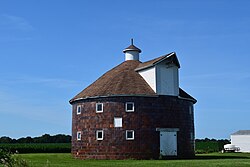
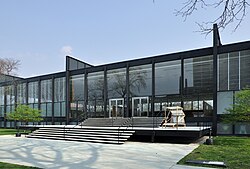
登録物件の多様な例
NRHPには、以下のような多種多様な物件が含まれています。
- 歴史的建築: 1966年に最初に登録されたロードアイランド州のスレーターミルなど。
- 近代建築: ミース・ファン・デル・ローエ設計のシカゴにあるS.R.クラウンホール。
- 自然・文化サイト: マサチューセッツ州のウォールデン池や、ミクロネシア連邦のナン・マドル遺跡。
- 特殊構造物: 退役戦艦ウィスコンシンや、ルイジアナ・スーパードームなどの大規模施設。
![Old Slater Mill, a historic district in Pawtucket, Rhode Island, the first property listed in the National Register, on November 13, 1966[1]](/images/ab/89/ab89cda6c8456a77f77ca7a55e2bb3146c27c40247d78ec4b3bdb76152b67d8e.jpg)
![A cow barn in Enfield Shaker Village in Enfield, New Hampshire, built 1854, listed with NRHP[24]](/images/ce/ea/ceeafa3368ac0ce840f149f42d0018c086aeba45c2eb5062cec755950e5bfd52.jpg)
所有者の権利と保護の限界
NRHPに登録されたからといって、私有地の所有者が自由に物件を利用する権利が制限されるわけではありません。しかし、連邦政府の資金が投入されるプロジェクトや、連邦政府の許可が必要な事業が行われる場合、「セクション106」と呼ばれる審査プロセスが発動します。
セクション106では、連邦機関がその事業が歴史的資源に与える影響を評価し、歴史保存諮問委員会(ACHP)に報告することが義務付けられています。もし悪影響が避けられない場合は、緩和策を盛り込んだ合意書(MOA)が作成されます。
一方で、地方自治体が定める歴史地区の条例は、NRHPよりも厳しい変更制限を課すことがあり、実質的な保護力は地方条例の方が強い場合があります。
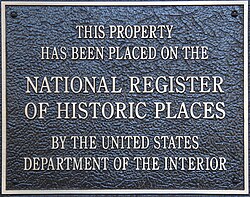
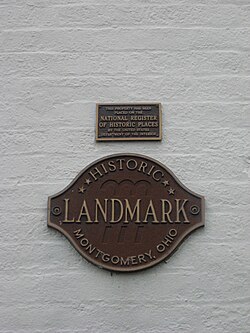
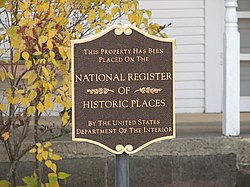
経済的インセンティブ
1976年以降、収益を生む歴史的物件の保存を促進するため、連邦税制による優遇措置が導入されました。国立公園局が定める「リハビリテーション基準」に従って適切に修復された物件は、税制上のメリットを受けることができます。
登録の取り消しと喪失
一度登録されても、物件が破壊された場合は登録から除外されます。1999年までに982件の物件が削除されており、その多くは取り壊しや災害によるものです。例えば、オマハのジョバーズ・キャニオン歴史地区は、登録後に取り壊された最大規模の歴史地区として知られています。
![The demolition of the Jobbers Canyon Historic District in Downtown Omaha, the largest National Register historic district lost to date[30]](/images/fc/3b/fc3b3bb4c5be81128ea47458b2ec0ccb3100caf023b1f8df1e3d6c2095ac1944.jpg)
国際的な比較
米国のNRHPは、他国の制度と比較して所有者の自由度が比較的高いのが特徴です。フランスの「歴史的記念物(monument historique)」や英国の「指定建造物(Listed buildings)」では、改修や取り壊しに厳格な事前承認が必要であり、より強い法的拘束力が伴います。
| 国 | 制度名 | 主な特徴 | 制限の強さ |
|---|---|---|---|
| アメリカ | 国家歴史登録財 (NRHP) | 連邦政府による認定。私有地の利用制限は原則なし(連邦事業時を除く)。 | 緩やか |
| フランス | 歴史的記念物 | 改修時に事前の承認が必須。 | 強い |
| イギリス | 指定建造物 | 許可なく取り壊しや変更を行うことが禁止されている。 | 非常に強い |
Frequently Asked Questions
NRHPに登録されると、家のリフォームができなくなりますか?
いいえ、連邦レベルの登録だけでは私有地の所有者が行うリフォームに制限はかかりません。ただし、地方自治体の歴史地区条例がある場合や、連邦政府の助成金を受けている場合は、制限や基準が適用されることがあります。
登録されるためには、建物は50年以上経過している必要がありますか?
一般的には50年という目安がありますが、絶対的なルールではありません。歴史的に極めて重要な価値があると認められれば、50年未満の物件でも登録される可能性があります。
どのようなものが「歴史的価値がある」と判断されますか?
建築様式の代表例であること、歴史的に重要な人物に関連していること、あるいは重要な歴史的出来事の舞台となったことなどが基準となります。また、先住民の文化に関連する伝統的文化財も含まれます。
登録物件が取り壊されることはありますか?
はい、あります。NRHPへの登録は取り壊しを完全に禁止するものではないため、所有者の判断や災害、都市開発によって取り壊されるケースがあり、その場合は登録リストから削除されます。
登録されることで得られるメリットは何ですか?
最大のメリットは、収益物件の場合に適用される連邦税の優遇措置です。また、公式に認定されることで物件の歴史的価値が認められ、地域社会の誇りや観光資源となるなどの精神的・社会的価値も得られます。
References
- "National Register Information System". . . July 9, 2010.
- "National Park Service Directors and Directorate Archived February 23, 2022, at the , Historic Listing of National Park Service Officials, National Park Service Data Store (IRMA). Retrieved February 23, 2022.
- "National Historic Preservation Act of 1966 Archived January 19, 2022, at the , Public Law 102–575, National Conference of State Historic Preservation Officers. Retrieved February 23, 2022.
- Mackintosh, Barry. "The Historic Sites Survey and National Historic Landmarks Program: A History[], National Park Service Data Store (IRMA). Retrieved February 23, 2022.
- Ferguson, T. J. "Native Americans and the Practice of Archaeology Archived February 6, 2017, at the " (), Annual Review of Anthropology, Vol. 25. (1996), pp. 63–79. Retrieved March 23, 2007.
- Fisher, Charles E. (1998). "Promoting the Preservation of Historic Buildings: Historic Preservation Policy in the United States". . 29 (3/4): 7–11. :10.2307/1504604. 1504604.
- Scarpino, Philip V. "Planning for Preservation: A Look at the Federal-State Historic Preservation Program, 1966–1986 (in The Intergovernmental Politics of Preservation) Archived November 11, 2018, at the " (), The Public Historian, Vol. 14, No. 2. (Spring, 1992), pp. 49–66. Retrieved March 21, 2007.
- Bearss, Edwin C. "The National Park Service and Its History Program: 1864–1986: An Overview (in The National Park Service and Historic Preservation) Archived February 3, 2017, at the " (), The Public Historian, Vol. 9, No. 2, The National Park Service and Historic Preservation. (Spring, 1987), pp. 10–18. Retrieved March 22, 2007.
- Hertfelder, Eric. "The National Park Service and Historic Preservation: Historic Preservation beyond Smokey the Bear (in Commentary: How Well Is the National Park Service Doing?) Archived November 11, 2018, at the " (), The Public Historian, Vol. 9, No. 2, The National Park Service and Historic Preservation. (Spring, 1987), pp. 135–142. Retrieved March 21, 2007.
- "National Register Database Archived August 28, 2018, at the ", National Register of Historic Places. Retrieved February 23, 2022.
📸 フォトギャラリー