Half-length portrait of a wigged middle-aged man with a well-to-do jacket. His left hand is tucked inside his waistcoat.
← ホームへ戻る
ナポレオンフランス帝国ナポレオン法典ナポレオン戦争ボナパルト家

ナポレオン・ボナパルトフランス帝国を築いた不世出の英雄の生涯

🗓 2026年8月11日

フランス革命の混乱期に彗星のごとく現れ、欧州の地図を塗り替えたナポレオン・ボナパルト。彼は単なる軍事的な天才にとどまらず、法整備や行政改革を通じて近代国家の基礎を築いた政治家でもありました。コルシカ島の一家に生まれ、絶頂期にはヨーロッパの大部分を支配下に置いた彼の劇的な人生を辿ります。

主要な事実(Key Facts)

  • 出自:1769年、コルシカ島アジャクシオ生まれ。
  • 権力の頂点:1804年にフランス皇帝に即位し、第一帝政を樹立。
  • 最大の功績:民法典(ナポレオン法典)の編纂による法体系の近代化。
  • 軍事的頂点:アウステルリッツの戦いなどで欧州諸国を圧倒。
  • 没落と最期:ロシア遠征の失敗を経て失脚し、セントヘレナ島で死去。

若き日の台頭と軍事的成功

ナポレオンの父カルロ・ブオナパルトは、コルシカの独立運動に身を投じた後、ルイ16世の宮廷で島を代表する立場となりました。この背景が、ナポレオンがフランスの教育機関で学ぶ道を開きました。
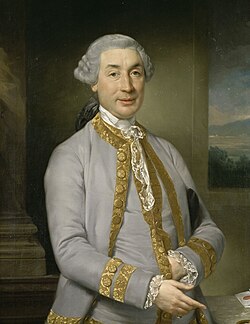
Half-length portrait of a wigged middle-aged man with a well-to-do jacket. His left hand is tucked inside his waistcoat.

青年時代のナポレオンは、共和制への忠誠を誓い、軍人としての才能を開花させます。23歳の頃にはコルシカ共和国義勇兵大隊の中佐として頭角を現していました。
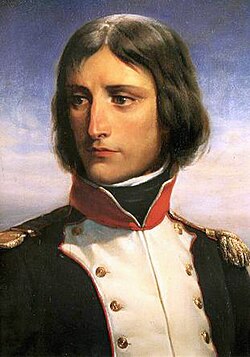
Bonaparte, aged 23, as lieutenant-colonel of a battalion of Corsican Republican volunteers. Portrait made in 1835 by Henri Félix Emmanuel Philippoteaux.

彼の名声を決定づけたのは、1793年のトゥーロン包囲戦での活躍です。巧みな砲兵運用で勝利に導いたことで、若くして将軍へと昇進しました。
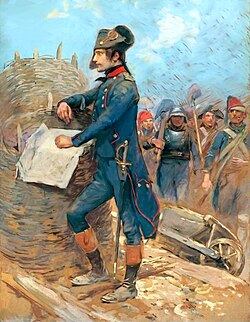
Bonaparte at the Siege of Toulon, 1793, by Édouard Detaille

その後、1795年の「ヴァンデミエール13日の出来事」において、パリでの王党派による暴動を砲撃で鎮圧し、政府からの絶大な信頼を獲得します。
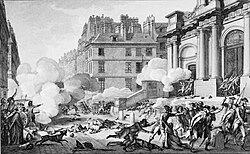
Etching of a street, there are many pockets of smoke due to a group of republican artillery firing on royalists across the street at the entrance to a building

イタリア遠征とエジプト遠征

ナポレオンはイタリア戦線に投入されると、アルコールの橋での戦いなどで鮮やかな勝利を収め、フランス軍の威名を高めました。
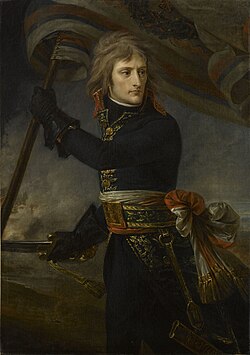
A three-quarter-length depiction of Bonaparte, with black tunic and leather gloves, holding a standard and sword, turning backwards to look at his troops

リヴォリの戦いなどの勝利を経て、彼は軍事的なカリスマとして国民的な人気を得るに至ります。
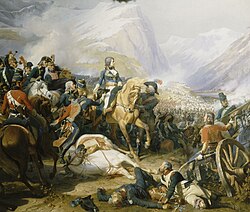
Napoleon at the Battle of Rivoli by Henri Félix Emmanuel Philippoteaux, 1844

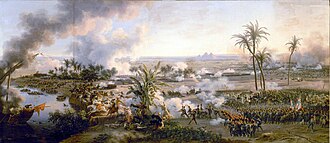
また、東方への関心からエジプト遠征を敢行。ピラミッドの戦いなどで勝利し、スフィンクスの前で自らの野心を燃やしました。
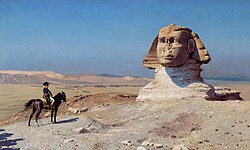
Person on a horse looks towards a giant statue of a head in the desert, with a blue sky

Cavalry battlescene with pyramids in background

フランスの支配者へ:執政から皇帝へ

1799年、ナポレオンは「ブリュメール18日のクーデター」によってディレクトリ体制を崩壊させ、実権を掌握しました。彼はまず「第一執政」として国家の再建に着手します。
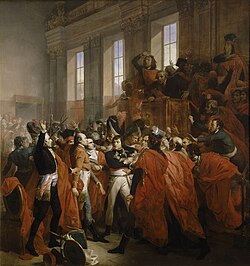
Bonaparte in a simple general uniform in the middle of a scrum of red-robbed members of the Council of Five Hundred

執政としての彼は、冷静で安定した指導力をアピールし、政治的な混乱を収束させました。
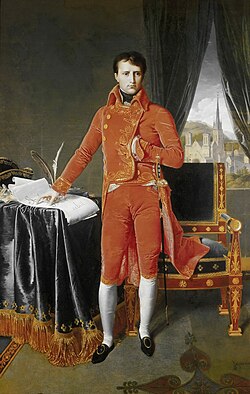
Bonaparte, First Consul, by Jean-Auguste-Dominique Ingres. Posing the hand inside the waistcoat was often used in portraits of rulers to indicate calm and stable leadership.

外交面では、アメリカ合衆国にルイジアナを売却し、米国の領土を倍増させるという大胆な決定を下しました。
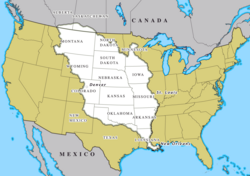
The 1803 Louisiana Purchase totalled 2,144,480 square kilometres (827,987 square miles), doubling the size of the United States.

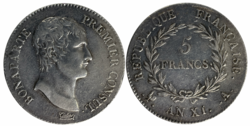
また、自身の権威を象徴する通貨の発行など、経済的な安定化も図りました。

Silver 5 francs coin depicting Napoleon as First Consul from AN XI, 1802

1804年、彼はついに自ら皇帝に即位し、フランス第一帝政を宣言します。これは共和制からの完全な脱却を意味していました。
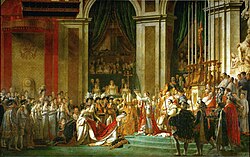
Colored painting depicting Napoleon crowning his wife inside of a cathedral

フォンテーヌブロー宮殿の玉座の間などの豪華な施設を整え、帝国の威信を内外に示しました。
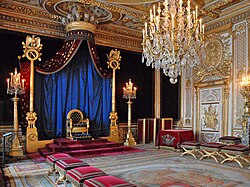
Napoleon's throne room at Fontainebleau

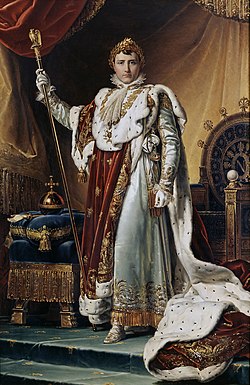
戴冠式の礼装に身を包んだ彼の姿は、権力の頂点に達した象徴となりました。

Napoleon in his coronation robes by François Gérard, c. 1805

帝国の拡大とナポレオン戦争

皇帝となったナポレオンは、欧州諸国との激しい戦争(ナポレオン戦争)を展開します。1805年のウルムの戦いではオーストリア軍を降伏させました。
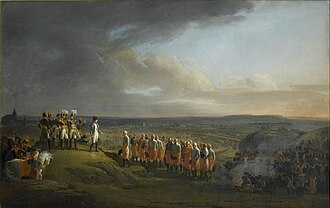
Colored painting depicting Napoleon receiving the surrender of the Austrian generals, with the opposing armies and the city of Ulm in the background

特にアウステルリッツの戦いでは、戦略的な天才ぶりを発揮して第三次対仏大同盟を撃破し、欧州の覇権を確固たるものにしました。
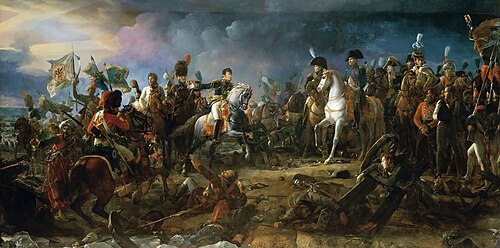
Napoleon at the Battle of Austerlitz, by François Gérard, 1805

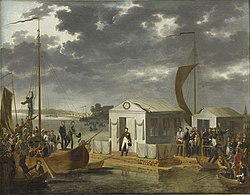
彼は外交にも長けており、イラン使節との会談や、ロシア皇帝アレクサンドル1世とのティルジット条約締結など、同盟関係を巧みに操りました。
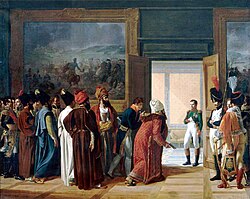
The Iranian envoy Mirza Mohammad-Reza Qazvini meeting with Napoleon at the Finckenstein Palace in West Prussia, 27 April 1807, to sign the Treaty of Finckenstein.

The Treaties of Tilsit: Napoleon meeting with Alexander I of Russia on a raft in the middle of the Neman River, 7 July 1807.

また、精鋭である帝国近衛隊を率いて、イエナの戦いなどの勝利を重ねていきます。
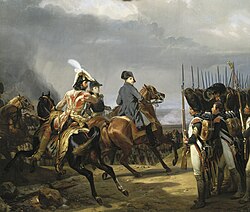
Napoleon reviewing the Imperial Guard before the Battle of Jena, 14 October 1806

家族による支配と領土の最大化

ナポレオンは、自身の兄弟をスペインやオランダなどの王に据え、親族による欧州支配体制を構築しました。
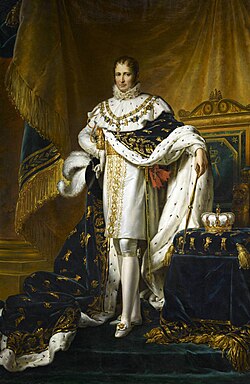
Portrait of Joseph Bonaparte by François Gérard, 1808, depicting Napoleon's elder brother as King of Spain

マドリードの降伏を受けるなど、スペインへの影響力を強めましたが、これは後に激しい抵抗運動を招くことになります。
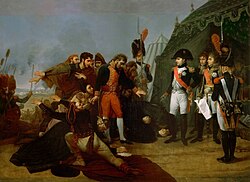
Napoleon Accepting the Surrender of Madrid, 4 December 1808

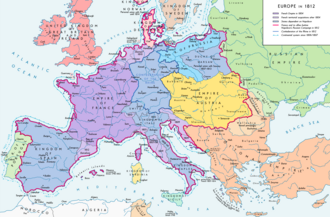
ワグラムの戦いなどの勝利を経て、1812年にはフランス帝国とその衛星国は最大版図に達しました。
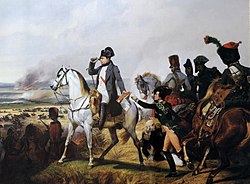
The Battle of Wagram by Horace Vernet, 1836

Map of Europe. French Empire shown as bigger than present day France as it included parts of present-day Netherlands and Italy.

没落への道と最期

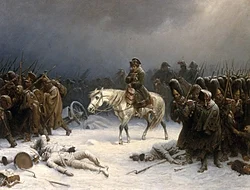
転機となったのは1812年のロシア遠征です。モスクワに入城したものの、焦土作戦と厳しい冬に阻まれ、大軍を失うという壊滅的な打撃を受けました。
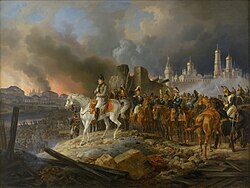
Napoleon watching the fire of Moscow in September 1812, by Adam Albrecht (1841)

Napoleon's withdrawal from Russia, painting by Adolph Northen

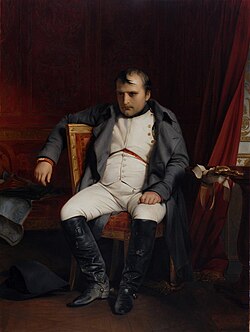
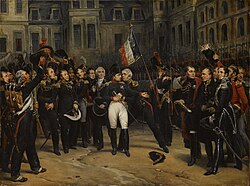
その後、ライプツィヒの戦いなどで敗北し、1814年に退位。エルバ島へ流刑となりました。
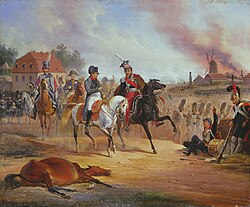
Napoleon and Prince Józef Poniatowski at Leipzig, painting by January Suchodolski

Napoleon after his abdication in Fontainebleau, 4 April 1814, by Paul Delaroche

Napoleon's farewell to his Imperial Guard, 20 April 1814, by Antoine-Alphonse Montfort

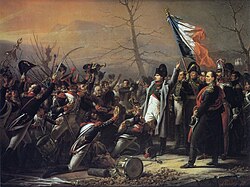
しかし、彼は再びフランスへ上陸し、「百日天下」と呼ばれる短期間の権力復帰を果たします。
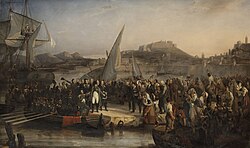
Napoleon's Departure from Elba by Joseph Beaume, 1836

Napoleon's Return from Elba, by Charles de Steuben, 1818

最終的に1815年のウォータルーの戦いで決定的な敗北を喫し、今度は大西洋の孤島セントヘレナ島へ送られました。
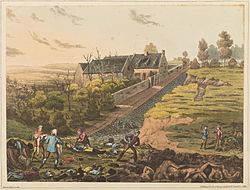
A mass grave of soldiers killed at the Battle of Waterloo

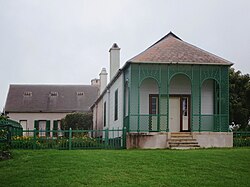
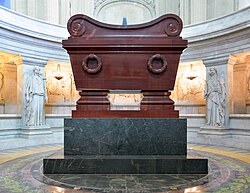
彼はロングウッドハウスという質素な住まいで余生を過ごし、1821年に51歳で没しました。遺骸は後にパリのアンヴァリッドに安置されました。
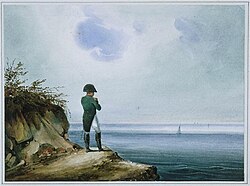
Napoleon on Saint Helena, watercolour by Franz Josef Sandmann, c. 1820

Longwood House, Saint Helena, site of Napoleon's captivity

Napoleon's tomb at Les Invalides in Paris

内政改革と文化的遺産

ナポレオンの真の功績は、軍事面よりも内政面にあると言われています。特に「ナポレオン法典(民法典)」は、法の前での平等や私有財産の不可侵を明文化し、現代の多くの法体系に影響を与えました。
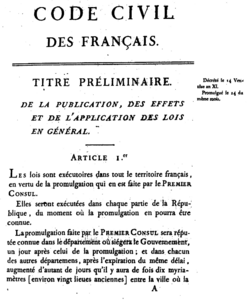
Page of French writing

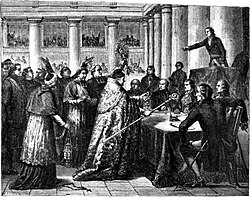
また、カトリック教会とのコンコルダート(政教協約)を締結し、宗教的な混乱を収束させました。
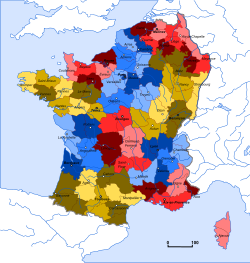
Reorganisation of the religious geography: France is divided into 59 dioceses and 10 ecclesiastical provinces.

Leaders of the Catholic Church taking the civil oath required by the Concordat of 1801

さらに、功績のあった者に授与される「レジオン・ドヌール勲章」を創設し、身分に関わらず能力のある人材を登用する能力主義を導入しました。
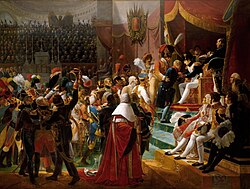
First remittance of the Legion of Honour, 15 July 1804, at Saint-Louis des Invalides, by Jean-Baptiste Debret (1812)

彼の統治スタイルは、トリビュナ(護民院)などの機関を設けつつも、実質的な権限を集中させるものでした。
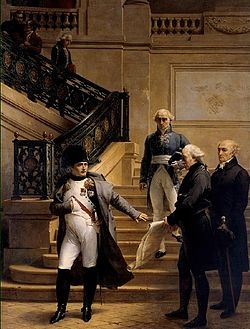
Napoleon visiting the Tribunat

また、軍服に身を包み、片手を懐に入れるポーズは、彼の冷静な指導力を象徴するアイコンとして後世に伝えられています。
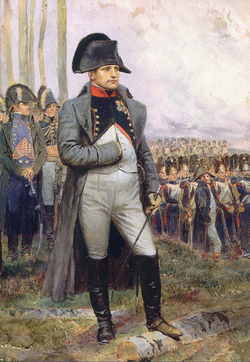
Napoleon is often represented in his green colonel uniform of the Chasseur à Cheval of the Imperial Guard, the regiment that often served as his personal escort, with a large bicorne and a hand-in-waistcoat gesture.

ナポレオンの概要まとめ

ナポレオン・ボナパルトの生涯と功績
項目 詳細
在位期間(皇帝) 第1回:1804年〜1814年 / 第2回:1815年
主な役職 第一執政、フランス皇帝、イタリア国王、ライン同盟保護者
主要な法整備 ナポレオン法典(民法典)の制定
代表的な戦い アウステルリッツ、リヴォリ、ウォータルー
最終的な運命 セントヘレナ島での流刑および死去

その他の影響とエピソード

ナポレオンの影響はフランス国内に留まりませんでした。例えば、イギリスの海軍侵攻を防ぐためにシェルブールの防衛線を強化するなど、戦略的な都市整備も行いました。
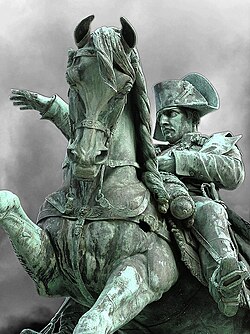
Photo of a grey and phosphorous-coloured equestrian statue. Napoleon is seated on the horse, which is rearing up, he looks forward with his right hand raised and pointing forward; his left hand holds the reins.

一方で、スペインでの過酷な弾圧は、ゴヤの絵画に描かれたように、激しい抵抗と悲劇を生みました。
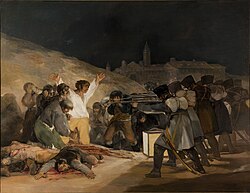
The Third of May 1808 by Francisco Goya, showing Spanish resisters being executed by French troops

また、当時の風刺画では、エルバ島へ追放される彼を皮肉った作品が描かれるなど、賛否両論の評価を受けていました。
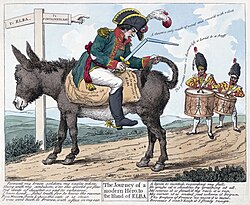
1814 English caricature of Napoleon being exiled to Elba: the ex-emperor is riding a donkey backwards while holding a broken sword.

しかし、その偉大さは国境を越え、アメリカ合衆国議会の議事堂に彼のレリーフが飾られていることからも分かります。
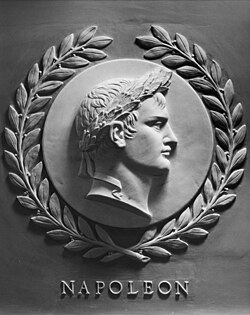
Bas-relief of Napoleon in the chamber of the United States House of Representatives

私生活では、マリー・ルイーズとの間に息子ナポレオン2世をもうけましたが、帝国の崩壊とともにその夢は潰えました。
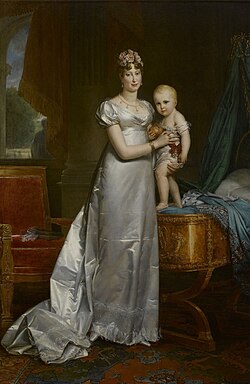
Empress Marie Louise and her son Napoleon, by François Gérard, 1813

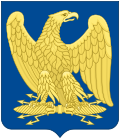
ボナパルト家の紋章である「帝国鷲」は、今もなお彼の権威と野心の象徴として知られています。
Coat of arms of the House of Capet

Imperial Eagle of the House of Bonaparte

Frequently Asked Questions

ナポレオン法典とは何ですか?

1804年に制定された民法典のことで、法の前での平等や私有財産の権利などを明文化しました。この法典はフランス国内だけでなく、ヨーロッパや世界中の近代法体系に多大な影響を与えました。

なぜナポレオンはロシア遠征に失敗したのですか?

ロシア軍の「焦土作戦(退却しながら食料や施設を焼き払う戦略)」により補給路が断たれたことと、ロシアの極めて厳しい冬の寒さに軍が耐えられなかったことが主な原因です。

「百日天下」とはどのような出来事ですか?

1814年に一度退位しエルバ島へ流刑となったナポレオンが、1815年に脱出してフランスに帰還し、再び権力を握った約100日間の期間を指します。この期間はウォータルーの戦いでの敗北で幕を閉じました。

ナポレオンはどのようにして皇帝になったのですか?

ブリュメール18日のクーデターで実権を握り「第一執政」となった後、国民投票などを経て1804年に自ら皇帝に即位しました。これにより、革命後の不安定な共和制から帝政へと移行しました。

セントヘレナ島でナポレオンはどう過ごしましたか?

イギリス軍の監視下で、ロングウッドハウスという邸宅に幽閉されていました。そこでの生活は不自由で孤独なものでしたが、自身の回想録をまとめるなどして過ごし、1821年に没しました。

References

  1. As
  2. Pronounced ; : Napoléon Bonaparte, pronounced
  3. Italian: ; : Napulione Buonaparte .
  4. Although the formally ceded Corsica's rights, it remained un-incorporated during 1769 until it became one of the in 1770. Corsica would be legally integrated as a in 1789.
  5. Aside from his name, there does not appear to be a connection between him and Napoleon's theorem.
  6. This is depicted in by and in Jacques-Louis David's imperial Napoleon Crossing the Alps. He is less realistically portrayed on a in the latter work.
  7. There were actually three versions of the act written on 4 April 1814. The final signed version explicitly refers to "Napoleon II" as his successor.

📸 フォトギャラリー

Half-length portrait of a wigged middle-aged man with a well-to-do jacket. His left hand is tucked inside his waistcoat.
Bonaparte, aged 23, as lieutenant-colonel of a battalion of Corsican Republican volunteers. Portrait made in 1835 by Henri Félix Emmanuel Philippoteaux.
Bonaparte at the Siege of Toulon, 1793, by Édouard Detaille
Etching of a street, there are many pockets of smoke due to a group of republican artillery firing on royalists across the street at the entrance to a building
A three-quarter-length depiction of Bonaparte, with black tunic and leather gloves, holding a standard and sword, turning backwards to look at his troops
Napoleon at the Battle of Rivoli by Henri Félix Emmanuel Philippoteaux, 1844
Person on a horse looks towards a giant statue of a head in the desert, with a blue sky
Cavalry battlescene with pyramids in background
Bonaparte in a simple general uniform in the middle of a scrum of red-robbed members of the Council of Five Hundred
Bonaparte, First Consul, by Jean-Auguste-Dominique Ingres. Posing the hand inside the waistcoat was often used in portraits of rulers to indicate calm and stable leadership.
The 1803 Louisiana Purchase totalled 2,144,480 square kilometres (827,987 square miles), doubling the size of the United States.
Silver 5 francs coin depicting Napoleon as First Consul from AN XI, 1802
Colored painting depicting Napoleon crowning his wife inside of a cathedral
Napoleon's throne room at Fontainebleau
Napoleon in his coronation robes by François Gérard, c. 1805
Colored painting depicting Napoleon receiving the surrender of the Austrian generals, with the opposing armies and the city of Ulm in the background
Napoleon at the Battle of Austerlitz, by François Gérard, 1805
The Iranian envoy Mirza Mohammad-Reza Qazvini meeting with Napoleon at the Finckenstein Palace in West Prussia, 27 April 1807, to sign the Treaty of Finckenstein.
Napoleon reviewing the Imperial Guard before the Battle of Jena, 14 October 1806
The Treaties of Tilsit: Napoleon meeting with Alexander I of Russia on a raft in the middle of the Neman River, 7 July 1807.
Portrait of Joseph Bonaparte by François Gérard, 1808, depicting Napoleon's elder brother as King of Spain
Napoleon Accepting the Surrender of Madrid, 4 December 1808
The Battle of Wagram by Horace Vernet, 1836
Map of Europe. French Empire shown as bigger than present day France as it included parts of present-day Netherlands and Italy.
Napoleon watching the fire of Moscow in September 1812, by Adam Albrecht (1841)
Napoleon's withdrawal from Russia, painting by Adolph Northen
Napoleon and Prince Józef Poniatowski at Leipzig, painting by January Suchodolski
Napoleon after his abdication in Fontainebleau, 4 April 1814, by Paul Delaroche
Napoleon's farewell to his Imperial Guard, 20 April 1814, by Antoine-Alphonse Montfort
Napoleon's Departure from Elba by Joseph Beaume, 1836
Napoleon's Return from Elba, by Charles de Steuben, 1818
Napoleon on Saint Helena, watercolour by Franz Josef Sandmann, c. 1820
Longwood House, Saint Helena, site of Napoleon's captivity
Napoleon's tomb at Les Invalides in Paris
Reorganisation of the religious geography: France is divided into 59 dioceses and 10 ecclesiastical provinces.
Leaders of the Catholic Church taking the civil oath required by the Concordat of 1801
Napoleon visiting the Tribunat
Napoleon is often represented in his green colonel uniform of the Chasseur à Cheval of the Imperial Guard, the regiment that often served as his personal escort, with a large bicorne and a hand-in-waistcoat gesture.
First remittance of the Legion of Honour, 15 July 1804, at Saint-Louis des Invalides, by Jean-Baptiste Debret (1812)
Page of French writing
Photo of a grey and phosphorous-coloured equestrian statue. Napoleon is seated on the horse, which is rearing up, he looks forward with his right hand raised and pointing forward; his left hand holds the reins.
The Third of May 1808 by Francisco Goya, showing Spanish resisters being executed by French troops
A mass grave of soldiers killed at the Battle of Waterloo
1814 English caricature of Napoleon being exiled to Elba: the ex-emperor is riding a donkey backwards while holding a broken sword.
Bas-relief of Napoleon in the chamber of the United States House of Representatives
Empress Marie Louise and her son Napoleon, by François Gérard, 1813
Coat of arms of the House of Capet
Imperial Eagle of the House of Bonaparte