Ballads of bravery (1877) part of Arthurian mythology
← ホームへ戻る

神話学の深淵世界各地の伝承と学術的アプローチ

🗓 2026年8月10日

人類は古来より、世界の成り立ちや自然現象、そして人間の運命を説明するために物語を紡いできました。神話(Mythology)とは、単なる「作り話」ではなく、ある文化圏において真実として受け入れられてきた聖なる物語の体系です。これらの物語は、神々や英雄の行動を通じて、社会の道徳観や宇宙観を次世代へと伝承する重要な役割を果たしてきました。

かつての英語圏では、「神話」という言葉は道徳的な寓話や、根拠のない虚構を指す傾向にありました。しかし、学術的な視点が進むにつれ、それは特定の文化や宗教に深く根ざした、象徴的な意味を持つ物語群として再定義されるようになりました。

Key Facts

  • 神話の定義: 神々や超自然的な存在が登場し、世界の起源や社会規範を説明する聖なる物語。
  • 伝承の広がり: アフリカ、アジア、ヨーロッパ、南北アメリカ、オセアニアなど、地球上のあらゆる地域に固有の神話体系が存在する。
  • 学術的変遷: 19世紀のロマン主義的な民族研究から、20世紀の構造主義や機能主義的な分析へと進化。
  • 物語の類型: 創造神話、大洪水伝説、国家の起源、英雄譚など、共通のパターン(モチーフ)が世界各地で見られる。

世界に広がる多様な神話体系

神話は地域ごとに独自の発展を遂げていますが、同時に驚くべき共通点を持つこともあります。例えば、ヨーロッパではギリシャ・ローマ神話のような古典的な体系から、北欧やケルト、スラヴなどの地域的な伝承まで多岐にわたります。

北欧神話では、雷神トールのような力強い神々が巨人と戦い、世界の秩序を守る姿が描かれます。
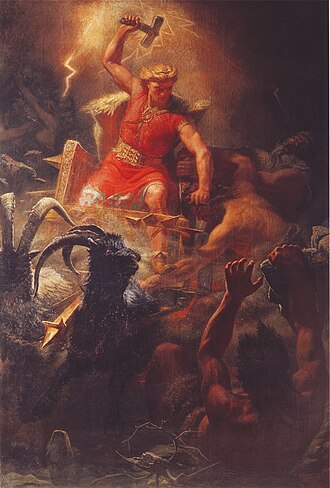
Thor's Fight with the Giants (1872) by Mårten Eskil Winge. Thor is the god of thunder in Norse mythology.

また、ケルト神話やアーサー王伝説などの騎士道物語は、勇気と忠誠という価値観を象徴する物語として、後世の文学に多大な影響を与えました。
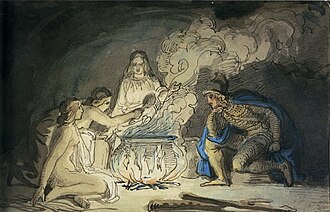
Ballads of bravery (1877) part of Arthurian mythology
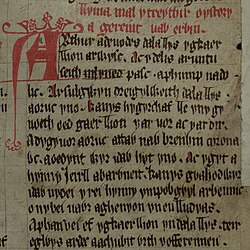
Opening lines of one of the Mabinogi myths from the Red Book of Hergest (written pre-13th century, incorporating pre-Roman myths of Celtic gods):Gereint vab Erbin. Arthur a deuodes dala llys yg Caerllion ar Wysc... (Geraint the son of Erbin. Arthur was accustomed to hold his Court at Caerlleon upon Usk...)

地中海世界では、ギリシャ神話がその頂点にあり、プロメテウスが人類に火を与えた物語のように、文明の始まりや人間の苦悩を象徴的に表現しています。
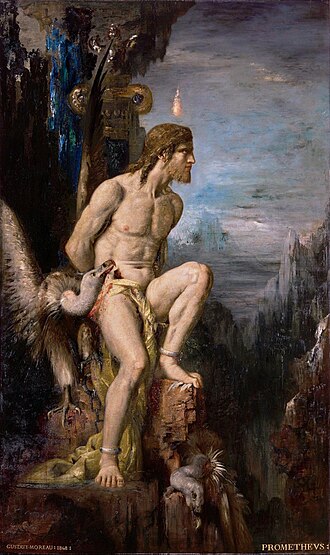
Prometheus (1868) by Gustave Moreau. In the mythos of Hesiodus and possibly Aeschylus (the Greek trilogy Prometheus Bound, Prometheus Unbound and Prometheus Pyrphoros), Prometheus is bound and tortured for giving fire to humanity.
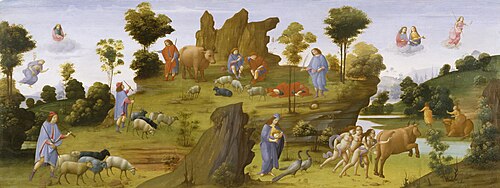
The ancient Roman poet Ovid, in his "The Metamorphoses," told the story of the nymph Io who was seduced by Jupiter, the king of the gods. When his wife Juno became jealous, Jupiter transformed Io into a heifer to protect her. This panel relates the second half of the story. In the upper left, Jupiter emerges from clouds to order Mercury to rescue Io. In the lower-left, Mercury guides his herd to the spot where Io is guarded by the hundred-eyed Argus. In the upper center, Mercury, disguised as a shepherd, lulls Argus to sleep and beheads him. Juno then takes Argus's eyes to ornament the tail feathers of her peacock and sends the Furies to pursue Io, who flees to the Nile River. At last, Jupiter prevails on his wife to cease tormenting the nymph, who, upon resuming her natural form, escapes to the forest and ultimately becomes the Egyptian goddess Isis

さらに、中東のメソポタミア神話やエジプト神話、アジアのヒンドゥー教や仏教、中国神話、そして日本の神話など、それぞれの土地の風土と歴史が反映された豊かな物語が構築されてきました。
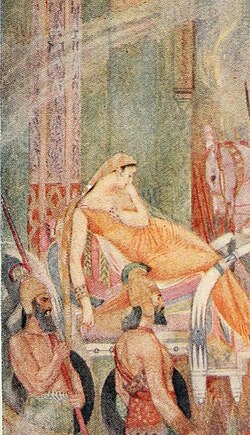
Myths and legends of Babylonia and Assyria (1916)

北米や南米の先住民、アフリカの諸部族、オセアニアのポリネシア文化においても、自然界との共生や祖先の霊を敬う独自の神話体系が受け継がれています。これらの物語は、文字による記録だけでなく、口承(オーラル・トラディション)によって数千年にわたり守られてきました。

神話学の理論的アプローチと変遷

神話をどのように解釈するかという視点は、時代とともに変化してきました。古代ギリシャのサッルスティウスは、神話を神学的、物理的、霊的、物質的なカテゴリーに分類して捉えようとしました。

19世紀後半になると、ヤコブ・グリムらの研究に代表されるロマン主義的な民族主義が高まり、自国のアイデンティティを模索するために北欧やフィンランドなどの土着の神話が再発見されました。フィンランドの叙事詩『カレワラ』に登場する賢者ヴェイネメイネンなどは、その象徴的な例です。
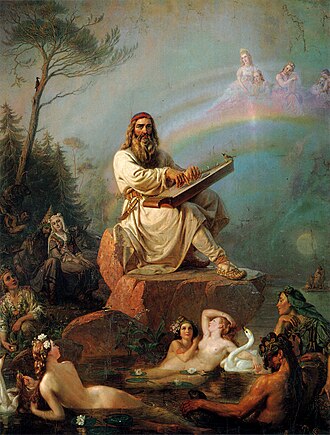
Väinämöinen, the wise demigod and one of the significant characters of Finnish mythological 19th-century epic poetry, The Kalevala (Väinämöinen's Play, Robert Wilhelm Ekman, 1866)

20世紀に入ると、より科学的な分析手法が登場します。クロード・レヴィ=ストロースによる構造主義は、神話を「対立する概念(善と悪、慈悲と冷酷など)」のペアで構成される精神構造の反映であると説きました。一方で、ブロニスワフ・マリノフスキは、神話が社会的な規範や制度を正当化するための「憲章」として機能しているという機能主義的な視点を提示しました。

また、神話を歴史的な出来事の誤解や誇張として捉える「エウヘメリズム」や、物語を比喩として読み解く「アレゴリー(寓意)」などの手法も、神話解読の重要な手段となっています。

神話の構成要素と分類

多くの神話に共通して見られる要素を整理すると、人類が普遍的に抱く問いが見えてきます。以下に、主要な神話の類型と構成要素をまとめます。

神話の主要構成要素と類型
カテゴリー 具体例・内容 役割・目的
創造神話 宇宙の誕生、人間や動物の創造 世界の起源を説明する
大洪水伝説 世界的な洪水による浄化と再始動 道徳的な刷新や再生を象徴
英雄譚 超人的な能力を持つ人物の冒険 文化的な価値観や勇気を提示
起源神話 特定の民族や国家、習慣の始まり 集団のアイデンティティを確立
超自然的存在 神々、半神、伝説上の生物 不可解な自然現象を擬人化

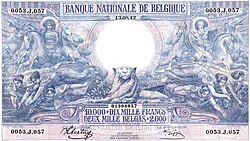
これらの物語は、しばしば芸術作品として昇華されます。例えば、オデュッセウスがデモドコスの歌に心を打たれる場面を描いた絵画や、古代の神々をモチーフにした通貨のデザインなどは、神話が時代を超えて文化的に浸透している証拠です。
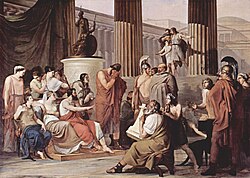
Odysseus Overcome by Demodocus' Song, a mythological painting by Francesco Hayez, 1813–1815
1929 Belgian banknote, depicting Ceres, Neptune and caduceus

現代においても、エディス・ハミルトンの著作のような入門書を通じて、古典神話は世界中の人々にとって教養の基礎となっています。
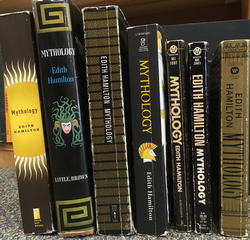
Edith Hamilton's Mythology has been a major channel for English speakers to learn classical Greek and Roman mythology

Frequently Asked Questions

神話と伝説(レジェンド)の違いは何ですか?

一般的に、神話は神々や超自然的な存在を主役とし、世界の創造などの聖なる出来事を扱います。対して伝説は、歴史上の人物や具体的な場所に基づいた、より世俗的な物語であり、誇張が含まれつつも歴史的な根拠を持つことが多いとされています。

なぜ世界中で似たような「洪水伝説」が存在するのでしょうか?

これには複数の説があります。地球規模の自然災害が実際に起きたという物理的な記憶説や、人類が共通して持つ精神構造(構造主義的視点)が似た物語を生成したという説、あるいは文化的な交流を通じて物語が伝播したという説などが考えられています。

現代社会において神話はどのような意味を持ちますか?

現代では宗教的な信仰としての側面は薄れたかもしれませんが、物語の原型(アーキタイプ)として、映画や小説、ゲームなどのエンターテインメントに深く組み込まれています。また、社会的な価値観や権力構造を分析するための批評的な枠組みとしても利用されています。

「エウヘメリズム」とは具体的にどのような考え方ですか?

神話に登場する神々を、もともとは実在した偉大な王や英雄であり、後世の人々によって神格化されたものであると考える説です。つまり、神話を「歪められた歴史」として解釈しようとするアプローチです。

References

  1. Deretic, Irina. "Why are myths true: Plato on the veracity of myths." Vestnik of Saint Petersburg University. Philosophy and Conflict Studies (2020): vol. 36, issue 3, pp. 441–451.
  2. , p. 9.
  3. , and , eds. 2003. "Myths." In A Dictionary of English Folklore. Oxford: Oxford University Press.  .
  4. , p. 23.
  5. , p. 102.
  6. , p. 1.
  7. , p. 6.
  8. Leeming, David Adams, and David Adams. A dictionary of creation myths. Oxford University Press, 1994.

📸 フォトギャラリー

Ballads of bravery (1877) part of Arthurian mythology
Odysseus Overcome by Demodocus' Song, a mythological painting by Francesco Hayez, 1813–1815
Opening lines of one of the Mabinogi myths from the Red Book of Hergest (written pre-13th century, incorporating pre-Roman myths of Celtic gods):Gereint vab Erbin. Arthur a deuodes dala llys yg Caerllion ar Wysc... (Geraint the son of Erbin. Arthur was accustomed to hold his Court at Caerlleon upon Usk...)
Myths and legends of Babylonia and Assyria (1916)
Edith Hamilton's Mythology has been a major channel for English speakers to learn classical Greek and Roman mythology
The ancient Roman poet Ovid, in his "The Metamorphoses," told the story of the nymph Io who was seduced by Jupiter, the king of the gods. When his wife Juno became jealous, Jupiter transformed Io into a heifer to protect her. This panel relates the second half of the story. In the upper left, Jupiter emerges from clouds to order Mercury to rescue Io. In the lower-left, Mercury guides his herd to the spot where Io is guarded by the hundred-eyed Argus. In the upper center, Mercury, disguised as a shepherd, lulls Argus to sleep and beheads him. Juno then takes Argus's eyes to ornament the tail feathers of her peacock and sends the Furies to pursue Io, who flees to the Nile River. At last, Jupiter prevails on his wife to cease tormenting the nymph, who, upon resuming her natural form, escapes to the forest and ultimately becomes the Egyptian goddess Isis
Väinämöinen, the wise demigod and one of the significant characters of Finnish mythological 19th-century epic poetry, The Kalevala (Väinämöinen's Play, Robert Wilhelm Ekman, 1866)
Thor's Fight with the Giants (1872) by Mårten Eskil Winge. Thor is the god of thunder in Norse mythology.
Prometheus (1868) by Gustave Moreau. In the mythos of Hesiodus and possibly Aeschylus (the Greek trilogy Prometheus Bound, Prometheus Unbound and Prometheus Pyrphoros), Prometheus is bound and tortured for giving fire to humanity.
1929 Belgian banknote, depicting Ceres, Neptune and caduceus