アメリカ合衆国マサチューセッツ州ケンブリッジに位置するMIT(マサチューセッツ工科大学)は、科学、工学、計算機科学の分野で世界をリードする私立研究大学です。1861年にウィリアム・バートン・ロジャースによって設立されて以来、「Mens et Manus(心と手)」というラテン語のモットーに象徴されるように、理論的な知性と実践的なスキルの融合を追求し続けてきました。
Key Facts
- 設立: 1861年4月10日
- モットー: 「Mind and Hand(心と手)」
- 所在地: アメリカ合衆国マサチューセッツ州ケンブリッジ
- 学生数: 約11,816名(2025年秋時点)
- 基金: 274億ドル(2025年)
- 世界ランキング: QS世界大学ランキングなどで世界1位を記録
歴史的歩みと進化
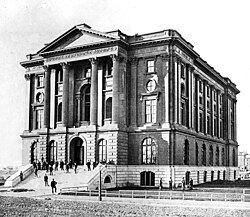
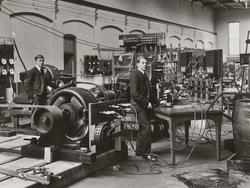
MITの始まりは、ボストンのバックベイにあったロジャース・ビルディングからでした。当初から産業界との密接な連携を重視し、学生たちはダイナモ(発電機)のテストなどの実践的な学習に励んでいました。
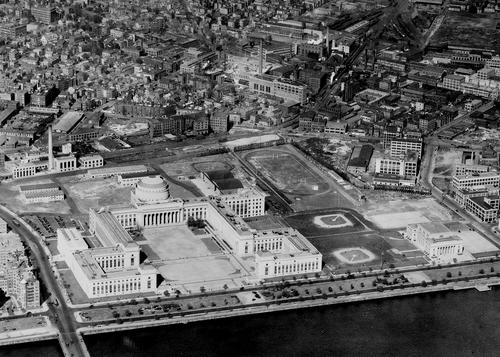
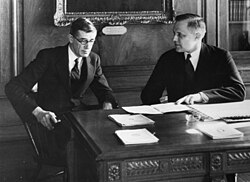
1916年には現在のケンブリッジのキャンパスに移転し、教育環境を大幅に拡大しました。その後、ヴァンネヴァー・ブッシュやカール・コンプトンといった指導者のもとで、カリキュラムの刷新と研究資金の確保が進み、現代的な研究大学としての基盤が築かれました。
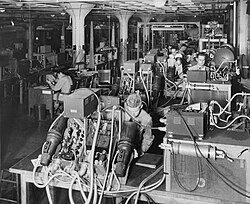
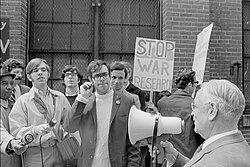
第二次世界大戦中から冷戦期にかけて、MITは国防研究において重要な役割を果たしました。特に「放射研究室(Rad Lab)」でのレーダー開発は、軍事技術のみならず後の電子工学の発展に寄与しました。一方で、ベトナム戦争時代には研究内容に対する学生や教職員による反対運動が起こるなど、社会的な葛藤を経験した歴史も持っています。
学術的成果とイノベーション
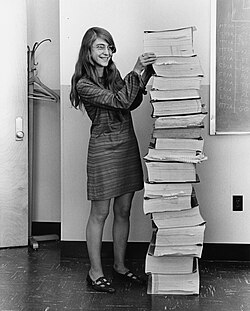
MITは、計算機科学やライフサイエンスの分野で革命的な成果を上げてきました。アポロ計画における月面着陸のガイダンスコードを執筆したマーガレット・ハミルトンなど、人類の歴史を塗り替える貢献をした人材を数多く輩出しています。
また、大学の知見を社会実装する能力に長けており、卒業生や教授陣による起業文化が根付いています。Intel、Qualcomm、Bose、Dropbox、Stripeなど、現代のテクノロジー業界を牽引する企業の多くがMITにルーツを持っています。
キャンパスの特徴と建築
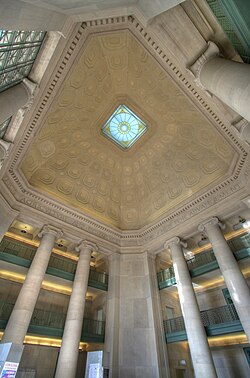
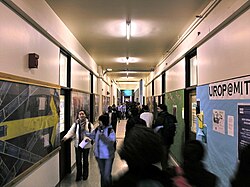
MITのキャンパスは、機能性と前衛的なデザインが共存する空間です。象徴的な「グレート・ドーム」や、キャンパスの主要通路である「インフィニット・コリドー(無限回廊)」は、学生や研究者の交流を促進する設計となっています。
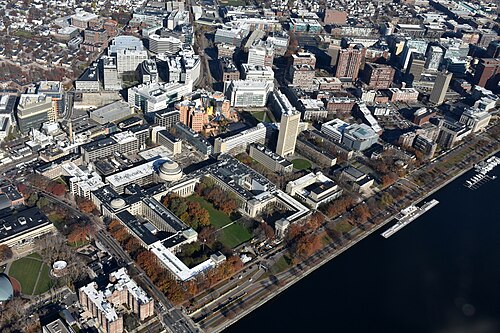
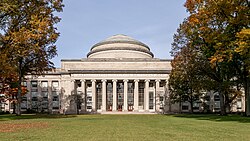
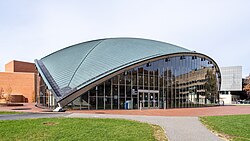
建築面では、エロ・サーリネンの設計によるクレスゲ・オーディトリアムのような戦後建築の傑作から、I.M.ペイが設計したメディアラボ、そしてフランク・ゲーリーによる独創的なスタタ・センターまで、多様な建築様式が混在しています。
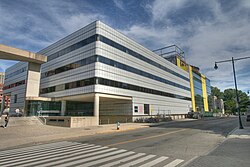
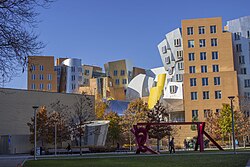
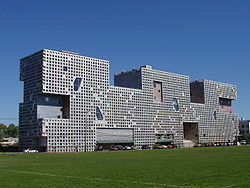
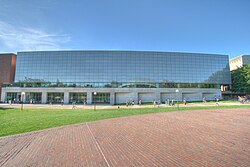
学生生活を支える施設も充実しており、学部生向けの寮であるシモンズ・ホールや、最新のフィットネス設備を備えたゼシガー・スポーツ&フィットネスセンターなどが整備されています。
大学の組織とコミュニティ
MITは、工学部、科学部、管理学部(スローン)、建築・計画学部、人文・芸術・社会科学部のほか、最新の計算機科学を担うシュワルツマン計算機大学など、専門性の高い組織で構成されています。また、ウォーカー・メモリアルなどの記念施設が、歴代総長の精神を今に伝えています。
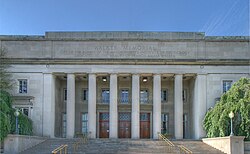
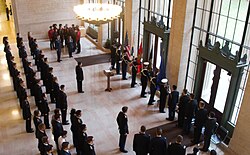
学生文化は非常にユニークで、「ミステリーハント」のような知的なパズルイベントや、伝統的な「ハック(いたずら)」、そしてカルテック(カリフォルニア工科大学)との親密かつ激しいライバル関係が有名です。また、ROTC(予備役将校訓練課程)などの活動を通じて、国家への貢献を学ぶ学生の姿も見られます。
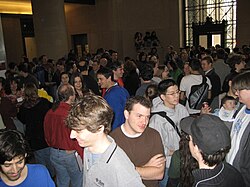
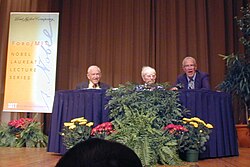
学術的な権威として、多くのノーベル賞受賞者を輩出しており、フランコ・モディリアーニやポール・サミュエルソンといった経済学の巨星たちが、次世代のリーダーたちに影響を与え続けてきました。
主要データまとめ
| 項目 | 詳細 |
|---|---|
| 学生構成(2025年秋) | 学部生 4,561名 / 大学院生 7,255名 |
| 学部合格率(2022年) | 4.0% |
| SAT中央値(2022年) | 1520–1570 |
| 学生の多様性(人種) | アジア系 34%, 白人 22%, ヒスパニック 15% など |
| 主な研究施設 | CSAIL, メディアラボ, コッホ研究所など |
Frequently Asked Questions
MITの「Mens et Manus」とはどのような意味ですか?
ラテン語で「心と手(Mind and Hand)」を意味します。これは、単なる理論的な学習にとどまらず、それを実際に形にする実践的なスキルを重視するというMITの教育哲学を象徴しています。
入学難易度はどのくらい高いのでしょうか?
極めて高いです。2022年のデータでは学部生の合格率は4.0%となっており、SATのスコア中央値が1520〜1570点という、世界トップレベルの学力を持つ学生が集まっています。
どのような企業がMITから誕生していますか?
IntelやQualcomm、Bose、Dropbox、Stripeなど、世界的なテクノロジー企業や金融サービス企業が数多く誕生しています。これは大学の強力な研究成果と起業家精神が結びついた結果です。
キャンパス内で有名な伝統や文化はありますか?
知的なパズルを解く「ミステリーハント」や、キャンパス内に精巧な仕掛けを施す「ハック」という文化があります。また、カリフォルニア工科大学(Caltech)とのライバル関係も伝統的に有名です。
どのような研究分野に強みを持っていますか?
工学、計算機科学、物理学、経済学、ライフサイエンスなど多岐にわたります。特にAI(人工知能)やロボティクス、量子計算などの先端分野で世界をリードしています。
References
- Between 1912 and 1920, Eastman donated $20 million ($304.2 million in 2024 dollars) in cash and Kodak stock to MIT.
- Other wartime projects at MIT included 's gyroscopic gunsights for the Navy, Gordon Brown's work on feedback-control systems in the , and dozens of smaller efforts across the Institute.
- Research outgrowths of the interdepartmental laboratories included::
- and developments by ;
- by and ;
- writings by ;
- by ;
- by .
- Johnson's action ran contrary to the activists' demands and the Pounds Panel recommendations. Most activists had sought conversion of the laboratories to civilian research, not divestiture, predicting that an independent laboratory would pursue weapons work without academic restraint. Only two members of the 22-member panel had recommended separation. After separation, the Draper Laboratory immediately became the largest nonprofit defense R&D contractor in the country, with DOD obligations exceeding 90 percent of its funding.
- After the recommendation to diversify funding, Lincoln remained tilted toward military projects in the subsequent decade. By the mid-1980s roughly a quarter of its budget came from the .
- Killian, appointed president a year later in 1948, promoted the adoption of the committee's ideas.
- The humanities and social sciences had previously been organized as a division with lower institutional status and no authority to grant degrees. The school later became known as the School of Humanities, Arts, and Social Sciences
- Brown originally advanced these ideas as head of electrical engineering. When he became dean of engineering in 1959, a grant extended the engineering-science approach to metallurgy, mechanical engineering, and aeronautical engineering.
- The share of on-campus research supported by the Department of Health and Human Services rose from 16 percent in 1970 to 33 percent by 2006, while the Department of Defense's share fell from 28 to 15 percent.
- Baltimore received the the following year; Sharp shared the prize in 1993 for his discovery of .
📸 フォトギャラリー