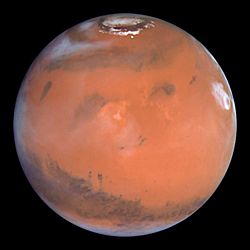
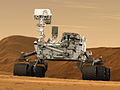
人類の宇宙探査において、火星の居住可能性を追求する旅は止まることがありません。その中心的な役割を担ったのが、NASAのマーズ・サイエンス・ラボラトリー(MSL)ミッションです。このプロジェクトの主役である探査車「キュリオシティ」は、単なる移動観測機ではなく、高度な分析能力を備えた移動式化学研究所として設計されました。
キュリオシティの目的は、火星がかつて微生物などの生命を育むことができる環境であったか、そして現在もその可能性が残っているかを明らかにすることにあります。広大な赤い惑星の地表を走りながら、地質学的、化学的な証拠を収集し続けています。
Key Facts
- ミッション名: マーズ・サイエンス・ラボラトリー(MSL)
- 探査車名称: キュリオシティ(Curiosity)
- 着陸日: 2012年8月6日
- 着陸地点: 火星・ゲールクレーター内「ブラッドベリー着陸地点」
- 主な目的: 生命存在の可能性(居住可能性)の調査と有機化合物の探索
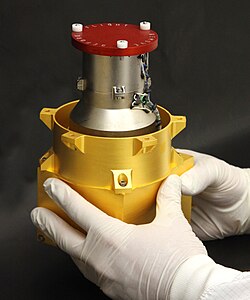
- 動力源: 多目的放射性同位体熱電気転換器(MMRTG)
ミッションの目的と科学的アプローチ
MSLミッションは、主に生物学的、地質学的、そして惑星プロセスという3つの視点から火星を分析しています。特に、生命の構成要素となる炭素、水素、窒素、酸素、リン、硫黄といった化学物質の有無を調査し、生物学的プロセスによって形成された可能性のあるバイオシグネチャー(生命存在指標)の特定を目指しています。
また、過去40億年にわたる火星の大気の進化や、水と二酸化炭素の循環状態を把握することで、惑星としての変遷を解明しようとしています。地表の放射線量の測定も重要な任務の一つであり、将来の有人探査に向けたリスク評価にも寄与しています。
機体構成と高度な観測装置
キュリオシティは、過酷な火星環境に耐えうる堅牢な設計となっており、多様な科学機器を搭載しています。化学分析を行うSAM(Sample Analysis at Mars)や、岩石の組成を調べるChemCam、地表の微細構造を撮影するMAHLIなど、多角的な分析が可能です。
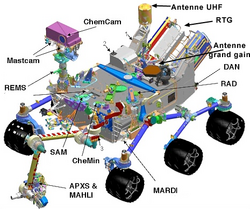
機体の動力には、太陽光に依存せず安定した電力を供給できる放射性同位体熱電気転換器(MMRTG)が採用されており、これにより夜間や砂嵐の際でも活動を継続できます。
また、地球との通信は直接行うほか、火星軌道を周回する3基のリレー衛星を経由させることで、効率的なデータ転送を実現しています。
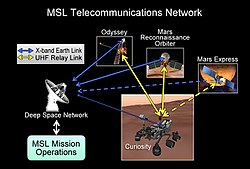
搭載されている主な科学機器
- APXS: アルファ粒子X線分光計(元素分析)
- ChemCam: 化学・カメラ複合装置(レーザーによる成分分析)
- CheMin: 化学・鉱物分析装置(鉱物同定)
- DAN: 中性子ダイナミックアルベド(水素検出)
- RAD: 放射線評価検出器(放射線量測定)
- SAM: 火星サンプル分析装置(有機物・同位体分析)
![Comparison of Radiation Doses – includes the amount detected on the trip from Earth to Mars by the RAD on the MSL (2011–2013)[58][59][60]](/images/78/87/788724bdab1d35be5724ea2ff180c65a7dc6f9b965a09dba74a1f985e044d6f3.png)
地球からの旅と劇的な着陸プロセス
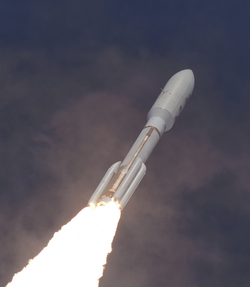
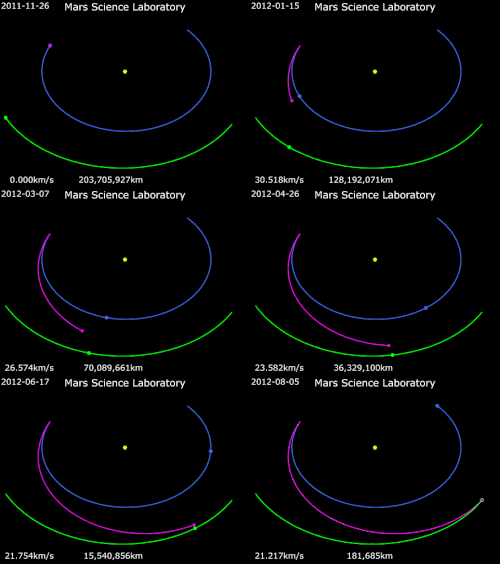
キュリオシティは2011年11月26日、アトラスVロケットによってケープカナベラルから打ち上げられました。その後、長い航行を経て火星へと到達しました。
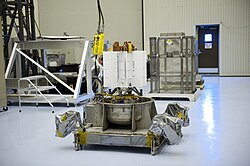
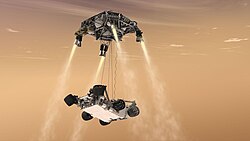
火星への進入から着陸までのプロセスは、極めて精密な制御が必要な「恐怖の7分間」として知られています。まず大気圏に進入し、熱遮蔽板(ヒートシールド)で摩擦熱から機体を保護します。その後、巨大なパラシュートを展開して減速し、最終段階では「スカイクレーン」と呼ばれる独自のシステムを用いて、探査車をゆっくりと地表に降ろしました。
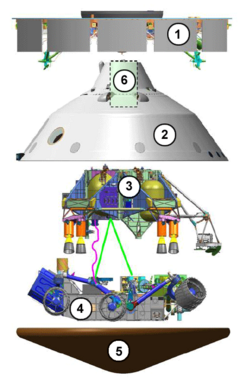
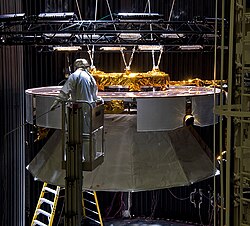
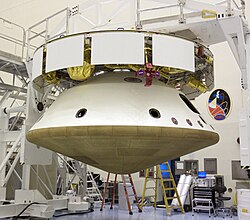
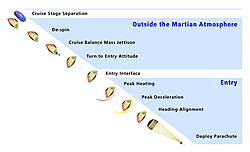
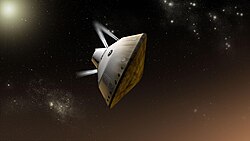
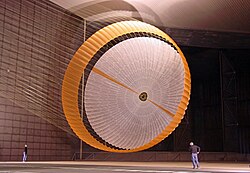
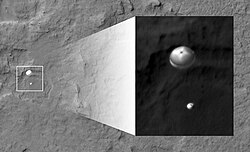
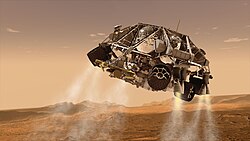
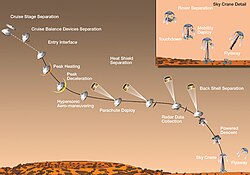
この複雑な一連の動作により、キュリオシティは狙い通りゲールクレーター内のブラッドベリー着陸地点へと安全に到達することができました。
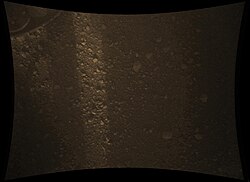
ゲールクレーターでの探査活動
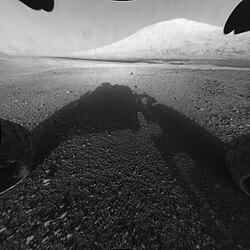
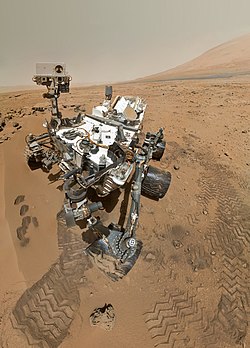
着陸後、キュリオシティはゲールクレーターの中心にそびえるエオリス山(シャープ山)を目指して移動を開始しました。この地域は、過去に水が存在した証拠が多く残っていると考えられており、地層を分析することで火星の歴史を遡ることができます。
![Aeolis Mons rises from the middle of Gale Crater – Green dot marks the Curiosity rover landing site in Aeolis Palus[95][96] – North is down.](/images/80/49/8049f008c747f15a619adfa76ec643e666b72226d7a9f5d863eb1c6fd2639bfc.jpg)
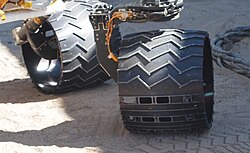
探査車の車輪には、JPL(ジェット推進研究所)の文字をモールス信号で表現した穴が開けられており、走行時に地表に刻印を残す工夫がなされています。
ミッション概要まとめ
| 項目 | 詳細 |
|---|---|
| 打ち上げ日 | 2011年11月26日 |
| 着陸日 | 2012年8月6日 |
| 打ち上げ質量 | 3,839 kg |
| 走行距離 | 約36.9 km(2026年5月時点) |
| 着陸地点 | ゲールクレーター(ブラッドベリー着陸地点) |
| 運用機関 | NASA / JPL |
Frequently Asked Questions
キュリオシティの主な目的は何ですか?
火星がかつて微生物などの生命が存在できる環境(居住可能性)であったかを調査することです。具体的には、有機化合物の探索や、生命に不可欠な化学元素の分析を行っています。
「スカイクレーン」とはどのような仕組みですか?
重量のある探査車を安全に接地させるための特殊な降下装置です。パラシュートで減速した後、ロケットエンジンを搭載したプラットフォームが空中で静止し、ケーブルでキュリオシティを地表に吊り下げて降ろす仕組みです。
動力源に太陽電池ではなく放射性同位体を使う理由は?
火星では大規模な砂嵐が発生し、太陽光パネルが砂で覆われると発電できなくなるリスクがあるためです。MMRTG(放射性同位体熱電気転換器)を使用することで、天候や昼夜に関わらず安定した電力を得ることができます。
ゲールクレーターが着陸地に選ばれたのはなぜですか?
このクレーターは、過去に水が溜まっていた可能性が高く、また中心にあるエオリス山(シャープ山)の地層を調べることで、火星の長期的な気候変動や地質学的歴史を効率的に研究できると考えられたためです。
References
- "Mars Science Laboratory Landing Press Kit" (PDF). . July 2012. p. 6. Archived from the original (PDF) on August 5, 2012. Retrieved August 5, 2012.
- Beutel, Allard (November 19, 2011). "NASA's Mars Science Laboratory Launch Rescheduled for November 26". . Retrieved November 21, 2011.
- Greicius, Tony (January 20, 2015). "Mars Science Laboratory - Curiosity".
- Guy Webster. "Geometry Drives Selection Date for 2011 Mars Launch". NASA/JPL-Caltech. Archived from the original on April 18, 2021. Retrieved September 22, 2011.
- Martin, Paul K. "NASA'S Management of the Mars Science Laboratory Project (IG-11-019)" (PDF). NASA Office of the Inspector General. Archived from the original (PDF) on December 3, 2011. Retrieved June 8, 2011.
- "Video from rover looks down on Mars during landing". MSNBC. August 6, 2012. Retrieved October 7, 2012.
- Young, Monica (August 7, 2012). "Watch Curiosity Descend onto Mars". . Retrieved October 7, 2012.
- "Where Is Curiosity?". mars.nasa.gov. NASA. Retrieved May 12, 2026.
 This article incorporates text from this source, which is in the .
 - Wall, Mike (August 6, 2012). "Touchdown! Huge NASA Rover Lands on Mars". Space.com. Retrieved December 14, 2012.
- "MSL Sol 3 Update". NASA Television. August 8, 2012. Archived from the original on December 12, 2021. Retrieved August 9, 2012.
 This article incorporates text from this source, which is in the .
📸 フォトギャラリー