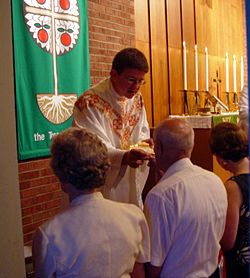
Lutheran priest elevating the host during the Mass at Alsike Church, Sweden
← ホームへ戻る

ルター派キリスト教の教義と歴史信仰のみによる救いの追求

🗓 2026年8月13日

ルター派は、16世紀にマルティン・ルターが主導した宗教改革によって誕生したプロテスタントの主要な教派です。カトリック教会の伝統的な権威に対し、聖書の絶対的な権威と、神の恵みによる救いを強調したことで、キリスト教の世界に決定的な転換をもたらしました。現代においても、北欧やドイツ、そして北米を中心に世界中で信仰されています。

ルター派の核心は、人間が自らの努力や善行によってではなく、ただ信仰のみ(Sola Fide)によって義とされるという「信仰義認」の考え方にあります。これは、絶望的な罪人である人間が、キリストの十字架による贖いを通じてのみ救われるという福音のメッセージに基づいています。
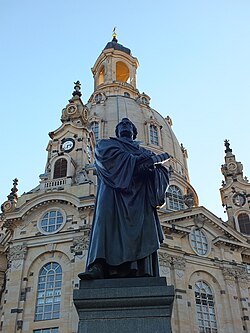
Bronze statue of Martin Luther, in front of the Lutheran Church of Our Lady in Dresden, built in 1885

Key Facts

  • 創始者: マルティン・ルターによる宗教改革が起点。
  • 核心教義: 「聖書のみ(Sola Scriptura)」と「信仰のみ(Sola Fide)」による救い。
  • 主要文書:アウクスブルク信仰告白』を含む『一致文書(Book of Concord)』。
  • 聖礼典: 洗礼と聖餐を重視し、キリストの「実在的臨在」を信じる。
  • 分布: ドイツ、スカンジナビア諸国、アメリカ、そして世界各地に展開。

ルター派の神学的基盤

聖書の権威と翻訳

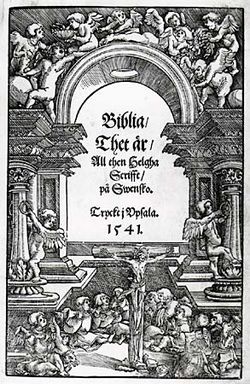
ルター派において、聖書は信仰と生活の唯一の規範です。ルターは、特権階級だけでなくすべての信者が神の言葉に触れられるよう、聖書をドイツ語に翻訳しました。この取り組みは、個人の信仰心を目覚めさせ、教育の普及にも大きく寄与しました。
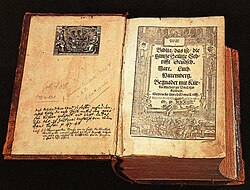
Luther's 1534 translation of the Bible
The title page of the Swedish Gustav Vasa Bible, translated by brothers Olaus Petri and Laurentius Petri and Laurentius Andreae

律法と福音の区別

ルター派神学の重要な特徴は、「律法」と「福音」を明確に区別することです。律法は人間の罪を暴き、神の前に立つことの不可能性を教えますが、福音はキリストによる赦しと救いの希望を提示します。この対比は、信者が絶望から希望へと導かれるプロセスを象徴しています。
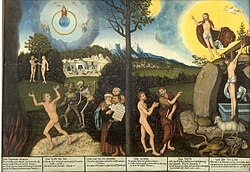
Law and Grace, a portrait by Lucas Cranach the Elder; the left side shows humans' condemnation under God's law and the right side presents God's grace in Christ.

十字架の神学

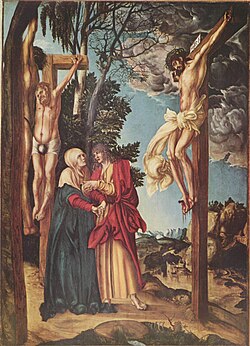
栄光ある神ではなく、苦しみと死という「十字架」の中にこそ真の神が現れるとする「十字架の神学」を重視します。これは、世俗的な成功や権威ではなく、弱さと謙卑の中に神の救いを見出す視点です。
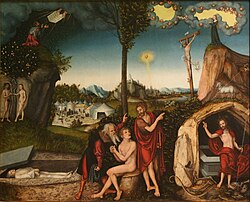
Moses and Elijah point the sinner looking for God's salvation to the cross to find it, a Lutheran ideal known as the Theology of the Cross.

信仰の実践と礼拝

聖礼典と聖餐

ルター派は、洗礼と聖餐の2つの聖礼典を認めます。特に聖餐においては、パンとワインの中にキリストが実在するという「聖餐的結合」を信じており、これは象徴的な意味にとどまらない深い霊的な交わりとされます。

The chancel of St. Matthew's Evangelical Lutheran Church in Charleston. The continually lit sanctuary lamp indicates the real presence of Christ in the Eucharist.[143]
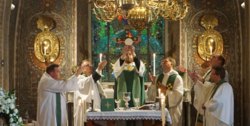
Lutheran priest elevating the host during the Mass at Alsike Church, Sweden
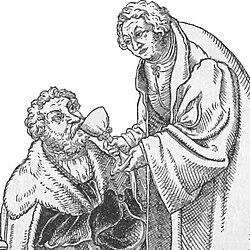
Martin Luther communing John the Steadfast

礼拝の形式と音楽

礼拝(ディバイン・サービス)は、御言葉の奉仕と聖餐の奉仕から構成されます。また、ルターは音楽が信仰を深める強力な手段であると考え、多くの賛美歌を作曲しました。代表作である「ひとつの堅き砦は我らの神」は、今も世界中で歌い継がれています。
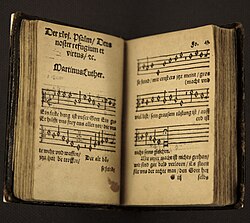
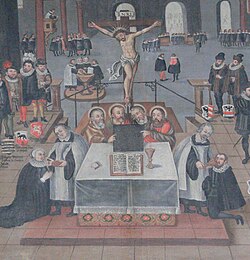
Luther composed hymns and hymn tunes, including "Ein feste Burg ist unser Gott" ("A Mighty Fortress Is Our God").
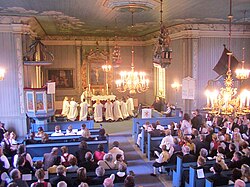
Divine Service at the St. Nicholas church in Luckau, Germany

教会生活と儀式

乳幼児洗礼を実践し、成長した信者が信仰を公に告白する「堅信礼」を行います。また、個人の罪を告白し赦しを得る「告白」の伝統も保持しています。
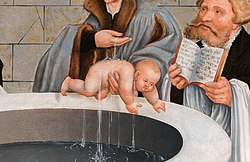
Lutherans practice infant baptism.
Confirmation at the Church of Norway's Lunder Church in Ringerike, Norway in 2012
Article IX, "Of Confession", of the Augsburg Confession[163]

歴史的展開と多様な流れ

教義の確立と論争

ルターの死後、後継者たちの間で教義の解釈を巡る論争が起きました。これらを整理し、信仰の統一を図るためにまとめられたのが『一致文書』です。これにより、ルター派の正統的な神学体系が確立されました。
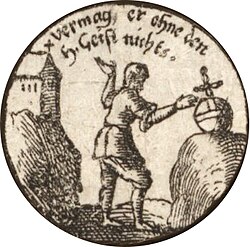
Article XVIII of the Augsburg Confession, "Of Free Will" Free Will
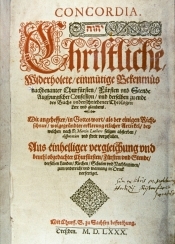
The cover page of the Book of Concord, published in 1580
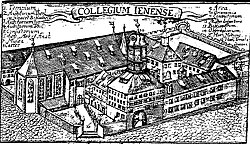
The University of Jena in Germany, the center of Gnesio-Lutheran activity leading up to the Formula of Concord, and a center of Lutheran orthodoxy

敬虔主義と覚醒運動

形式的な教義主義への反動として、個人の内面的な信仰体験や道徳的な生活を重視する「敬虔主義」が台頭しました。その後、北欧などではラエスティアニズムやフィンランドの覚醒運動といった、より情熱的な信仰運動が広がりました。
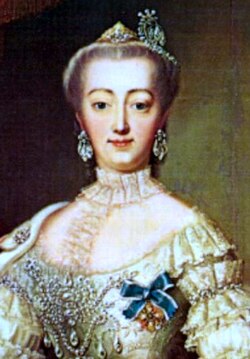
Danish Queen Sophie Magdalene expressed her Pietist sentiment in 1737 by founding a Lutheran convent.
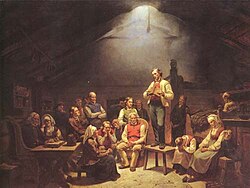
A 19th century Haugean conventicle
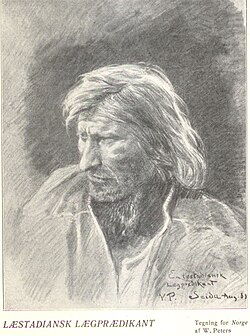
A Læstadian lay preacher in Finnmark, Norway in 1898
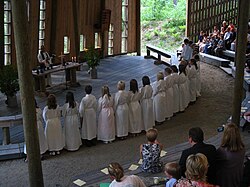
Representing a continuous tradition of the Finnish Awakening, youth are confirmed at Paavo Ruotsalainen's homestead in Nilsiä, Finland.

世界への広がり

ルター派はドイツや北欧から、宣教活動や移民を通じて世界中に広がりました。アメリカではミズーリ・シノドなどの組織が形成され、アジアやアフリカでも独自の教会文化を築いています。
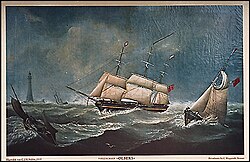
The Olbers, one of the ships that carried Old Lutherans to the Western Hemisphere
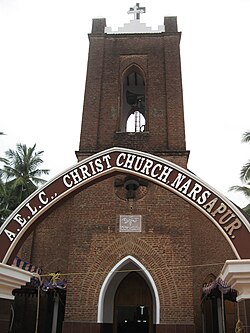
Christ Lutheran Church in India
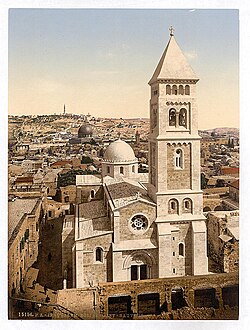
The Lutheran Church of the Redeemer in Jerusalem in the Holy Land houses Lutheran congregations that worship in Arabic, German, Danish, and English
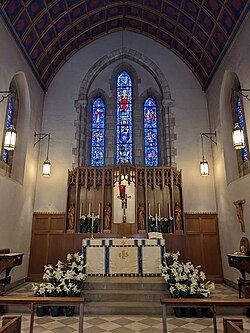
The high altar of Our Saviour Lutheran Church in Baltimore, which belongs to the Lutheran Church – Missouri Synod
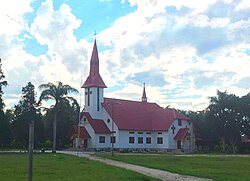
The building of a congregation in North Sumatra in Indonesia belonging to the Batak Christian Protestant Church, which is a merged denomination that includes a Lutheran element
Hope Evangelical Lutheran Church [ar] in Ramallah, Palestine
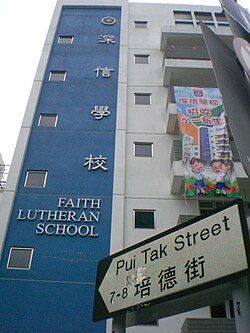
Faith Lutheran School in Hong Kong
Church of Peace in Jawor in Poland, part of the Evangelical Church of the Augsburg Confession in Poland. The Churches of Peace in Jawor and Świdnica are listed as UNESCO World Heritage Sites[326]

組織と教育

ルター派は、教会の統治形態や組織において地域ごとに多様性がありますが、共通して教育を重視しています。教区学校や大学を通じて、神学のみならず一般教育の普及に貢献してきました。

Resurrection Lutheran School is a parochial school of the Wisconsin Evangelical Lutheran Synod (WELS) in Rochester, Minnesota and the fourth-largest private school system in the United States.[291]
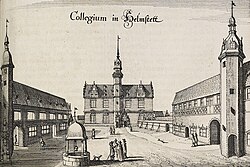
Georg Calixtus taught at the University of Helmstedt during the Syncretistic controversy.
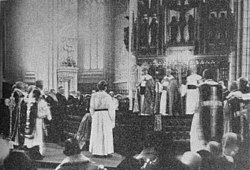
Nathan Söderblom is ordained as archbishop of the Church of Sweden in 1914. Swedish Lutheranism teaches that it possesses an unbroken line of ordinations to the Apostles.
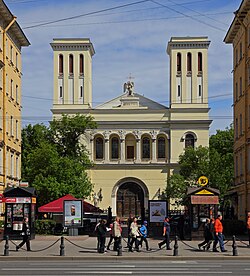
Lutheran Church of Saint Peter and Saint Paul in Saint Petersburg
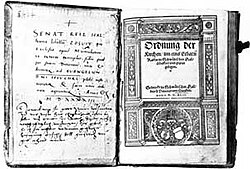
The Schwäbisch Hall Church Order in 1543
The Pennsylvania Ministerium published this hymnal in 1803.[316]

ルター派の基本概念まとめ

ルター派の主要教義と特徴
項目 内容 意味・目的
Sola Fide 信仰のみ 善行ではなく、信仰によってのみ救われる
Sola Scriptura 聖書のみ 教会の伝統より聖書の権威を優先する
Sola Gratia 恵みのみ 救いは神の一方的な慈しみによるものである
聖餐論 実在的臨在 パンとワインにキリストが実際に存在すると信じる
万民祭司 すべての信者が祭司 神と人の間に特別な仲介者は不要である

その他の視覚的象徴と信仰

ルター派の信仰は、芸術や建築にも反映されています。豪華な装飾よりも、御言葉が中心となる空間作りがなされる一方、聖母マリアへの敬意など、カトリック的な伝統を一部保持している教会もあります。
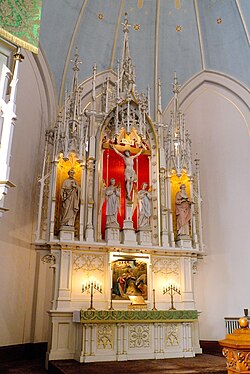
The high altar of Saint John's Evangelical Lutheran Church, a parish of the Wisconsin Evangelical Lutheran Synod in Milwaukee
A Hundskirche replica
A Lutheran pastor wearing a chasuble during communion
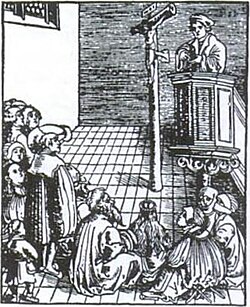
Hallowed be Thy Name by Lucas Cranach the Elder illustrates a Lutheran pastor preaching Christ crucified. During the Reformation and afterwards, many churches did not have pews, so people would stand or sit on the floor. The elderly might be given a chair or stool.
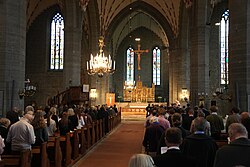
Evangelical-Lutherans of the Church of Sweden praying vespers (one of the canonical hours) in Vadstena Abbey Church (Östergötland County, Sweden)
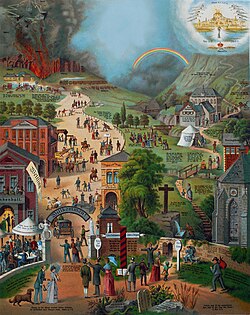
The Broad and the Narrow Way, a popular 1866 German Pietist portrait
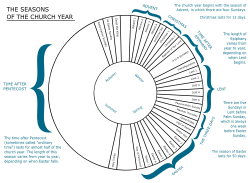
Lutheran church year

また、三位一体の教義を堅持し、キリストの復活が信徒にとって最大の慰めであり勝利であると説いています。
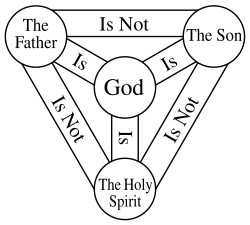
Lutherans believe in the Trinity.
"Even though I am a sinner and deserving of death and hell, this shall nonetheless be my consolation and my victory that my Lord Jesus lives and has risen so that He, in the end, might rescue me from sin, death, and hell", said Martin Luther concerning the meaning of the Resurrection.[144]
The Lutheran faith preaches that whoever has faith in Jesus alone will receive salvation from the grace of God and will enter heaven for eternity.

Frequently Asked Questions

ルター派と他のプロテスタント(カルビン派など)の違いは何ですか?

最も大きな違いは聖餐論にあります。ルター派はキリストがパンとワインに実在すると信じますが、カルビン派などはより霊的な臨在や象徴的な意味を強調します。また、ルター派はカトリックの伝統的な礼拝形式をより多く保持する傾向があります。

「信仰のみ」で救われるなら、良い行いは不要なのですか?

いいえ、不要ではありません。ルター派では、善行は救われるための「条件」ではなく、救われたことへの「結果」であり、感謝の現れであると考えます。真の信仰を持つ者は、自然と隣人への愛と善行に導かれると説いています。

ルター派における聖母マリアの立ち位置はどうなっていますか?

カトリックのような崇拝や執り成しの祈りは行いませんが、キリストを産んだ神の母としてのマリアを深く敬っています。一部のルター派教会では、マリアを記念する祭壇や像が残されていることもあります。

ルター派の礼拝はどのような雰囲気ですか?

伝統的な教会では、聖歌隊による賛美歌、説教、そして聖餐式を含む厳かな典礼形式が行われます。一方で、現代的な教会ではより簡素な形式を採用している場合もあり、地域や教派によって多様です。

「万民祭司」とは具体的にどういう意味ですか?

すべてのクリスチャンが、神に対して直接祈り、聖書を読み、神の恵みにアクセスできる権利を持っているという意味です。聖職者は特別な特権を持つ階級ではなく、会衆に御言葉を伝え、聖礼典を執行するために召された役割であると考えます。

References

  1. The faith is referred to as Evangelical Lutheranism, Evangelicalism, and Lutheranism. Certain Evangelical-Lutheran denominations may use the full form Evangelical Lutheran (such as the , , and ), while others may simply use Evangelical (as with the ) or Lutheran (as with the ) in their names. A number of churches reference the in their names, such as the , , , among others.
  2. Cf.
  3. See  [ru] and  [ru] in the Russian Wikipedia for more on this.
  4. This map undercounts several countries, notably the United States. The LWF does not include the and several other Lutheran bodies which together have over 2.5 million members

📸 フォトギャラリー

Lutheran priest elevating the host during the Mass at Alsike Church, Sweden
The high altar of Saint John's Evangelical Lutheran Church, a parish of the Wisconsin Evangelical Lutheran Synod in Milwaukee
Bronze statue of Martin Luther, in front of the Lutheran Church of Our Lady in Dresden, built in 1885
The title page of the Swedish Gustav Vasa Bible, translated by brothers Olaus Petri and Laurentius Petri and Laurentius Andreae
A Hundskirche replica
The University of Jena in Germany, the center of Gnesio-Lutheran activity leading up to the Formula of Concord, and a center of Lutheran orthodoxy
Danish Queen Sophie Magdalene expressed her Pietist sentiment in 1737 by founding a Lutheran convent.
A 19th century Haugean conventicle
The Olbers, one of the ships that carried Old Lutherans to the Western Hemisphere
Representing a continuous tradition of the Finnish Awakening, youth are confirmed at Paavo Ruotsalainen's homestead in Nilsiä, Finland.
Luther's 1534 translation of the Bible
Moses and Elijah point the sinner looking for God's salvation to the cross to find it, a Lutheran ideal known as the Theology of the Cross.
Law and Grace, a portrait by Lucas Cranach the Elder; the left side shows humans' condemnation under God's law and the right side presents God's grace in Christ.
The cover page of the Book of Concord, published in 1580
The Lutheran faith preaches that whoever has faith in Jesus alone will receive salvation from the grace of God and will enter heaven for eternity.
The chancel of St. Matthew's Evangelical Lutheran Church in Charleston. The continually lit sanctuary lamp indicates the real presence of Christ in the Eucharist.[143]
"Even though I am a sinner and deserving of death and hell, this shall nonetheless be my consolation and my victory that my Lord Jesus lives and has risen so that He, in the end, might rescue me from sin, death, and hell", said Martin Luther concerning the meaning of the Resurrection.[144]
Lutherans believe in the Trinity.
Article IX, "Of Confession", of the Augsburg Confession[163]
Lutherans practice infant baptism.
Martin Luther communing John the Steadfast
Evangelical-Lutherans of the Church of Sweden praying vespers (one of the canonical hours) in Vadstena Abbey Church (Östergötland County, Sweden)
Article XVIII of the Augsburg Confession, "Of Free Will" Free Will
The Broad and the Narrow Way, a popular 1866 German Pietist portrait
Luther composed hymns and hymn tunes, including "Ein feste Burg ist unser Gott" ("A Mighty Fortress Is Our God").
Divine Service at the St. Nicholas church in Luckau, Germany
Lutheran church year
Christ Lutheran Church in India
Resurrection Lutheran School is a parochial school of the Wisconsin Evangelical Lutheran Synod (WELS) in Rochester, Minnesota and the fourth-largest private school system in the United States.[291]
Georg Calixtus taught at the University of Helmstedt during the Syncretistic controversy.
The Lutheran Church of the Redeemer in Jerusalem in the Holy Land houses Lutheran congregations that worship in Arabic, German, Danish, and English
A Lutheran pastor wearing a chasuble during communion
Confirmation at the Church of Norway's Lunder Church in Ringerike, Norway in 2012
A Læstadian lay preacher in Finnmark, Norway in 1898
Hallowed be Thy Name by Lucas Cranach the Elder illustrates a Lutheran pastor preaching Christ crucified. During the Reformation and afterwards, many churches did not have pews, so people would stand or sit on the floor. The elderly might be given a chair or stool.
Nathan Söderblom is ordained as archbishop of the Church of Sweden in 1914. Swedish Lutheranism teaches that it possesses an unbroken line of ordinations to the Apostles.
Lutheran Church of Saint Peter and Saint Paul in Saint Petersburg
The Schwäbisch Hall Church Order in 1543
The Pennsylvania Ministerium published this hymnal in 1803.[316]
The high altar of Our Saviour Lutheran Church in Baltimore, which belongs to the Lutheran Church – Missouri Synod
The building of a congregation in North Sumatra in Indonesia belonging to the Batak Christian Protestant Church, which is a merged denomination that includes a Lutheran element
Hope Evangelical Lutheran Church [ar] in Ramallah, Palestine
Faith Lutheran School in Hong Kong
Church of Peace in Jawor in Poland, part of the Evangelical Church of the Augsburg Confession in Poland. The Churches of Peace in Jawor and Świdnica are listed as UNESCO World Heritage Sites[326]