映画の歴史は、同時に「喪失」の歴史でもあります。ロストフィルムとは、スタジオのアーカイブや個人のコレクション、公的な保存機関のどこにも、オリジナルネガおよびそのコピーが存在しないことが判明している映画を指します。かつて世界を熱狂させた名作の多くが、今では断片的な写真や記録でしか確認できないという残酷な現実があります。
Key Facts
- サイレント映画の喪失率: アメリカのサイレント映画の約75%から90%以上が消失したと推定されています。
- 主な消失原因: 意図的な廃棄、フィルム素材(硝酸塩)の自然分解、および大規模な火災です。
- 保存の転換点: 1949年に導入された「セーフティフィルム」により、1950年代以降の作品の消失率は大幅に低下しました。
- 部分的な生存: 映像のみ、あるいは音声のみが残っている「部分的喪失」の状態にある作品も多く存在します。
なぜ映画は消えてしまったのか?
価値観の欠如と意図的な廃棄
初期の映画業界において、映画は「使い捨ての娯楽」と考えられていました。劇場公開が終われば商業的価値はないと判断され、保管スペースを確保するために大量に廃棄されたのです。また、フィルムに含まれる銀を回収して現金化するという経済的な理由で、スタジオが自ら作品を破棄したケースも少なくありませんでした。
素材の危険性と化学的崩壊
1952年まで主流だった35mmフィルムの素材「硝酸塩(ニトロセルロース)」は、極めて燃えやすく、保管状況によっては自然発火する危険がありました。また、化学的に不安定なため、時間の経過とともにベタついた塊や火薬のような粉末へと分解される性質を持っていました。適切な温度・湿度管理がなされなかった多くのフィルムが、このように物理的に崩壊しました。
さらに、大規模な火災が壊滅的な打撃を与えました。1937年のフォックス社の保管庫火災や、1965年のMGM社の火災では、数百本もの貴重な作品が灰となりました。

技術的な制約と音声の分離
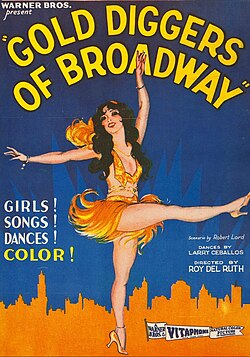
初期のトーキー(有声映画)で採用されていた「ヴィタフォン」などのサウンド・オン・ディスク方式は、映像と音声が別々のディスクに記録されていました。このため、映像フィルムだけが残り音声ディスクが失われる、あるいはその逆という現象が頻発し、完全な形での保存を困難にしました。

失われた名作と断片的な記憶
多くの伝説的な俳優たちの業績も、ロストフィルムの影響で不完全なものとなっています。例えば、サイレント時代のトップスターであったテダ・バラは40本の映画に出演しましたが、現在確認できるのはわずか6本のみです。
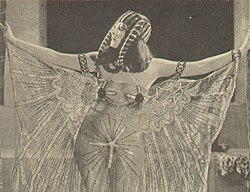
また、SF小説をベースにした初期の野心作や、初期のカラー作品も多くが失われました。一部の作品は、後の映画に挿入された「ストックフッテージ(使い回し映像)」として、わずか数秒の断片だけが現代に生き残っていることもあります。
![The First Men in the Moon (1919), a lost British film, reputedly "the first movie to ever be based entirely on a famous science fiction novel"[6]](/images/47/55/4755e7fa7a1b5f1c423043d51f7a5b95eec40a4617bb35570b4d35e69ad5cc55.jpg)

奇跡の再発見と現代の修復
絶望的な状況の中でも、世界各地で「奇跡の再発見」が起きています。例えば、名作『メトロポリス』は、アルゼンチンの映画博物館で欠落していたシーンを含むコピーが発見され、公開当時の姿に限りなく近い形での復元に成功しました。
また、農家の納屋や個人のコレクターの倉庫から、忘れ去られていたプリントが見つかるケースもあります。現代では、デジタル技術の向上により、劣化したフィルムから映像を救い出し、カラー化やノイズ除去を行うことで、かつての輝きを取り戻す試みが続いています。
映画保存の現状まとめ
| 時代・素材 | 主な特徴 | 主なリスク |
|---|---|---|
| 初期〜1952年(硝酸塩フィルム) | 高画質だが極めて可燃性が高い | 自然発火、化学的分解、火災による全滅 |
| 1949年以降(セーフティフィルム) | 不燃性で安定している | 酢酸症候群(劣化)、色の退色 |
| 現代(デジタルアーカイブ) | 劣化せず複製が容易 | データ形式の陳腐化、ストレージの破損 |
Frequently Asked Questions
ロストフィルムは完全に消えてしまったということですか?
多くの場合、オリジナルとコピーのすべてが確認できない状態を指しますが、後になって世界中のアーカイブや個人の所有物から再発見される可能性があります。
なぜ1950年代以降の映画はあまり失われていないのですか?
1949年に導入された「セーフティフィルム」が不燃性で化学的に安定していたことと、映画の歴史的価値に対する認識が高まり、保存体制が整備されたためです。
「部分的喪失」とはどのような状態を指しますか?
映画の全編ではなく、一部のシーンだけが残っている状態や、映像はあるが音声が失われた(あるいはその逆)状態のことを指します。
個人で古いフィルムを持っていた場合、どうすればよいですか?
特に初期の硝酸塩フィルムは危険物であるため、専門のアーカイブ機関や博物館に相談し、適切な管理とデジタル化を依頼することが推奨されます。
References
- Pierce, David. "The Survival of American Silent Films: 1912-1929" (PDF). Library Of Congress. Council on Library and Information Resources and the Library of Congress. Archived (PDF) from the original on May 17, 2021. Retrieved November 18, 2020.
- "Report of the Register of Copyrights for the Fiscal Year 1912–1913" (PDF). Library of Congress. p. 141. Archived (PDF) from the original on September 23, 2015. Retrieved November 20, 2021.
- Slide, Anthony (2000). Nitrate Won't Wait: History of Film Preservation in the United States. McFarland. p. 5. . Retrieved November 20, 2021.
It is often claimed that 75 percent of all American silent films are gone and 50 percent of all films made prior to 1950 are lost; such figures, as archivists admit in private, were thought up on the spur of the moment, without statistical information to back them up.
- (October 14, 2010). "Film Riches, Cleaned Up for Posterity". . Archived from the original on February 6, 2021. Retrieved November 20, 2021.
- Brian Dzyak (2010). What I Really Want to Do on Set in Hollywood: A Guide to Real Jobs in the Film Industry. Crown Publishing Group. pp. 303–. .
- Robert Godwin, "H.G. Wells The First Men in the Moon: the Story of the 1919 Film," , - see web page at Apogee books Archived May 5, 2014, at the (retrieved May 5, 2014).
- "Silent Era : Presumed Lost". www.silentera.com. Archived from the original on October 27, 2021. Retrieved June 14, 2005.
- Film Preservation Archived March 12, 2013, at the , The Film Foundation.
- Ohlheiser, Abby (December 4, 2013). "Most of America's Silent Films Are Lost Forever". The Wire. . Archived from the original on November 5, 2014. Retrieved November 4, 2014.
- Robert A. Harris, public hearing statement Archived March 14, 2022, at the to the National Film Preservation Board of the Library of Congress, Washington, D.C., February 1993.
📸 フォトギャラリー