French dictionary printed in 1830 detailing the Mediterranean Lingua Franca
← ホームへ戻る

リンガ・フランカ異なる言語圏をつなぐ「共通語」の役割と歴史

🗓 2026年8月13日

異なる母国語を持つ人々が意思疎通を図る際、互いの言語ではなく、第三の言語を用いてコミュニケーションを取ることがあります。このように、異なる言語集団の間で橋渡しとして機能する言語をリンガ・フランカ共通語、橋渡し言語)と呼びます。これは単なる翻訳の手段ではなく、歴史的に貿易、外交、宗教、学術などの分野で効率的な情報交換を行うために発展してきました。

Key Facts

  • 定義:母国語が異なる人々が共通して使用する、コミュニケーションのための補助的な言語。
  • 目的:主に商業(貿易用語)、外交、宗教、科学的な知識共有のために利用される。
  • 語源:11世紀から19世紀にかけて地中海沿岸の商人たちが使用したロマンス系ピジン言語に由来する。
  • 現代の例:英語が世界的なリンガ・フランカとして機能しているが、地域ごとにスペイン語、アラビア語、スワヒリ語などがその役割を担っている。

リンガ・フランカの成り立ちと概念

「リンガ・フランカ」という言葉自体は、中世の地中海世界で使われていた特定の混成言語(ピジン)から来ています。当時の商人たちは、効率的に取引を行うために、複数の言語が混ざり合った簡略的な言語を用いていました。
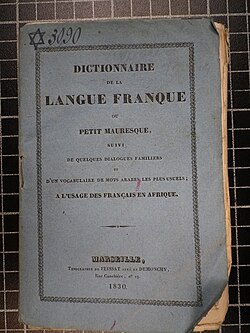
French dictionary printed in 1830 detailing the Mediterranean Lingua Franca

歴史を振り返ると、こうした共通語は常に必要とされてきました。例えば、古代の学術世界では特定の言語が知識の標準となり、国籍を超えた科学者や学者が情報を共有するためのツールとなりました。また、世界的に広く話される「世界言語」は、そのまま地球規模のリンガ・フランカとして機能することが一般的です。
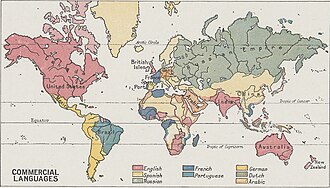
Trade languages of the world in 1908 from The Harmsworth Atlas and Gazetteer

歴史的な共通語の事例

地域によっては、特定の時代に強力な影響力を持った共通語が存在しました。例えば、古代ギリシャのコイネー(共通ギリシャ語)は、広範な地域で意思疎通を可能にしました。
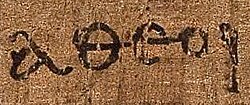
Koine Greek

また、中世ヨーロッパでは中低地ドイツ語が貿易の言語として機能し、経済圏の拡大を支えました。
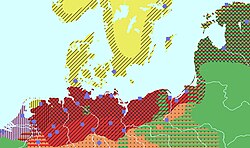
Extent of Middle Low German in red with its use as a literary language black lines tilted right

ニュージーランドの事例では、ヨーロッパ人が入植する前の約800年間、古典マオリ語が北島と南島の双方で共通語として機能していました。マオリ語は貿易や教育、部族間の対話に不可欠であり、1860年代まで経済や土地所有の主導権をマオリが握っていたため、初期の移民にとっても習得必須の言語でした。しかし、その後の差別的な法整備などにより、共通語としての地位を英語に譲ることとなりました。

現代における主要なリンガ・フランカ

現代では、政治的・経済的な影響力を持つ言語が、広域的な共通語として定着しています。

グローバルな影響力を持つ言語

英語は現在、世界で最も普及しているデファクトスタンダードの共通語です。ビジネス、科学、航空、テクノロジーなど、あらゆる分野で標準的に使用されています。
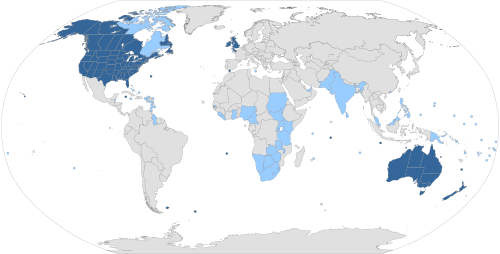
English language distribution Majority native language Official or administrative language, but not native language

同様に、スペイン語はラテンアメリカを中心に、また米国の一部でも重要な役割を果たしています。
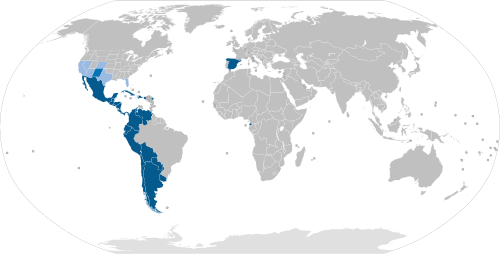
Spanish language distribution Official language Co-official language Culturally important or secondary language (> 20% of the population)

フランス語は、かつての植民地時代の名残もあり、アフリカ諸国を含む多くの地域で行政や文化の共通語として機能し続けています。
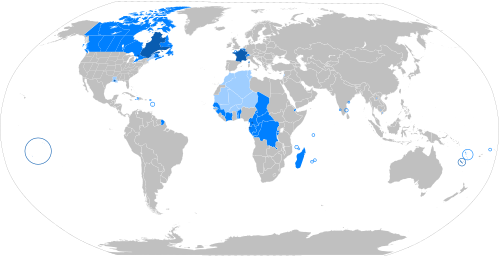
French language distribution Majority native language Official language, but not a majority native language Administrative or cultural language

地域的な共通語の展開

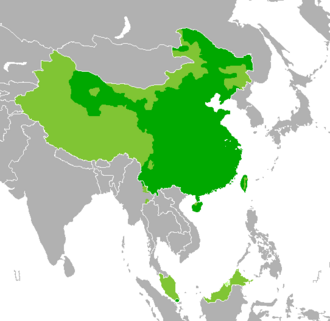
ヨーロッパではドイツ語が、アジアでは中国語が、それぞれ広範な地域で影響力を持っています。
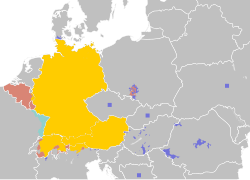
Legal statuses of German in Europe: (co-)official language and first language of the majority co-official, but not the first language of the majority legally recognized minority language sizable minority, without legal recognition
Map of the Chinese-speaking world. native majority official or educational significant minorities

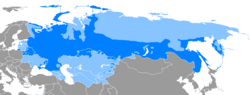
中東や北アフリカではアラビア語が、ロシアおよび旧ソ連圏ではロシア語が、共通の意思疎通手段として不可欠です。
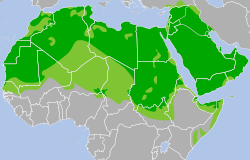
Arabic language mapDark green: majority; light green: significant minority
Areas where Russian is the majority language (dark blue) or a minority language (light blue)

また、イタリア語は音楽やオペラの分野で世界的な共通語としての地位を確立しています。
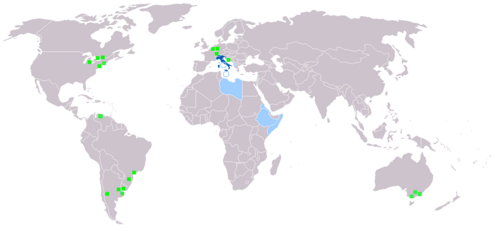
Italian language distribution Areas where it is the majority language Areas where it is a minority language or where it was a former colonial language Areas where notable Italian-speaking communities are present

ポルトガル語はルゾフォニア(ポルトガル語圏)と呼ばれる地域で、ブラジルやアフリカの諸国を結びつけています。
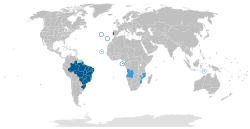
The Lusophone world Native language Official and administrative language Cultural or secondary language

インド亜大陸では、ヒンドゥスターニー語(ヒンディー語とウルドゥー語の基盤)が北部の広範な地域で共通語として機能しています。
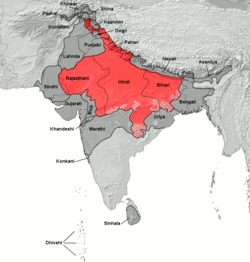
The Hindi Belt (red) is a linguistic region in India where Hindustani (based on Dehlavi) serves as the lingua franca.

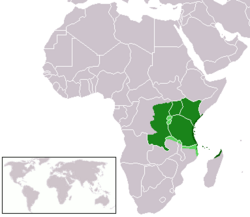
東南アジアではマレー語が、東アフリカではスワヒリ語が、多様な民族集団をつなぐ重要な役割を担っています。
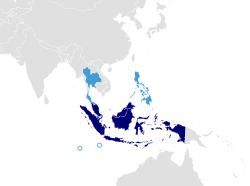
Countries where pluricentric Malay is spoken, regardless of standard variety
Geographic extent of Swahili. Dark green: native range. Medium green: official use. Light green: bilingual use but not official.

さらに、ペルシャ語も中央アジアから中東にかけて重要な文化的・言語的橋渡しとなってきました。
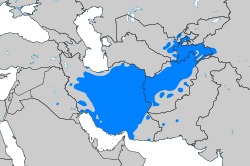
Areas with significant numbers of people whose first language is Persian (including dialects)

音声以外の共通語:手話の役割

リンガ・フランカは音声言語だけではありません。北米では、ヨーロッパ入植以前に「ハンドトーク」と呼ばれる手話が、異なる言語を話す部族間の共通手段として広く利用されていました。これは口頭言語と併用して使用され、書き留めることも可能な高度なコミュニケーション体系でした。
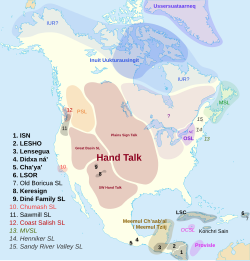
Map of the various sign languages of North America, excluding Francosign languages. Hand Talk was the predominant lingua franca prior to European settlement, able to be written down and signed alongside oral languages

共通語のまとめ

主要なリンガ・フランカとその特徴
言語 主な機能・領域 特徴
英語 全世界(グローバル) ビジネス、科学、外交の標準語
スペイン語 中南米、米国一部 広大な地域での公用語・共通語
フランス語 欧州、アフリカ諸国 外交、行政、文化的な共通語
スワヒリ語 東アフリカ 多民族社会をつなぐ貿易・共通語
アラビア語 中東、北アフリカ 宗教的・地域的な結束を支える言語

Frequently Asked Questions

リンガ・フランカとピジン言語は何が違うのですか?

ピジン言語は、異なる言語を話す人々が接触した際に、最低限の意思疎通のために自然発生的に作られた簡略的な混成言語です。一方、リンガ・フランカは、そのピジン言語を含む「共通して使われる言語」全般を指す広い概念です。

なぜ特定の言語がリンガ・フランカになるのですか?

一般的に、その言語を話す集団が経済的、政治的、軍事的に強い影響力を持っていたり、宗教や学問などの文化的な権威を持っていたりする場合に、効率的なコミュニケーション手段として広まる傾向があります。

クレオール言語とはどのような関係がありますか?

ピジン言語が世代を超えて受け継がれ、ある集団の母国語(第一言語)として定着し、文法や語彙が複雑化したものをクレオール言語と呼びます。クレオール化した言語が、さらに周辺地域で共通語として使われることがあります。

現代において英語以外のリンガ・フランカは消滅しているのでしょうか?

いいえ。世界全体では英語が強力ですが、地域レベル(Regional Lingua Franca)では、スワヒリ語やアラビア語、マレー語などが依然として重要な役割を果たしており、地域的なアイデンティティや利便性を支えています。

References

  1. Viacheslav A. Chirikba, "The problem of the Caucasian Sprachbund" in Pieter Muysken, ed., From Linguistic Areas to Areal Linguistics, 2008, p. 31.  
  2. Nye, Mary Jo (2016). "Speaking in Tongues: Science's centuries-long hunt for a common language". Distillations. 2 (1): 40–43. Archived from the original on 3 August 2020. Retrieved 20 March 2018.
  3. Gordin, Michael D. (2015). Scientific Babel: How Science Was Done Before and After Global English. Chicago, Illinois: University of Chicago Press.  .
  4. Italian-Based Pidgins and Lingua Franca. Oceanic Linguistics Special Publications. Vol. 14. 1975. pp. 70–72.
  5. Woll, Bensie (22 March 2022). "English of often considered the de facto global language..." University College London Culture Online. University College London. Retrieved 17 October 2024.
  6. "vehicular, adj." OED Online. Oxford University Press, July 2018. Web. 1 November 2018.
  7. Intro Sociolinguistics Archived 22 May 2018 at the Pidgin and Creole Languages: Origins and Relationships – Notes for LG102, – University of Essex, Peter L. Patrick – Week 11, Autumn term.
  8. Lingua Franca: Chomera or Reality? (PDF). Publ. Office of the Europ. Union. 2010.  . Archived (PDF) from the original on 27 February 2020. Retrieved 15 December 2018.
  9. Romaine, Suzanne (1988). Pidgin and Creole Languages. Longman.
  10. "Lingua Franca, Pidgin, and Creole". 3 April 2015. Archived from the original on 21 August 2020. Retrieved 29 April 2019.

📸 フォトギャラリー

French dictionary printed in 1830 detailing the Mediterranean Lingua Franca
Trade languages of the world in 1908 from The Harmsworth Atlas and Gazetteer
Koine Greek
Extent of Middle Low German in red with its use as a literary language black lines tilted right
English language distribution Majority native language Official or administrative language, but not native language
Spanish language distribution Official language Co-official language Culturally important or secondary language (> 20% of the population)
French language distribution Majority native language Official language, but not a majority native language Administrative or cultural language
Legal statuses of German in Europe: (co-)official language and first language of the majority co-official, but not the first language of the majority legally recognized minority language sizable minority, without legal recognition
Map of the Chinese-speaking world. native majority official or educational significant minorities
Arabic language mapDark green: majority; light green: significant minority
Areas where Russian is the majority language (dark blue) or a minority language (light blue)
Italian language distribution Areas where it is the majority language Areas where it is a minority language or where it was a former colonial language Areas where notable Italian-speaking communities are present
The Lusophone world Native language Official and administrative language Cultural or secondary language
The Hindi Belt (red) is a linguistic region in India where Hindustani (based on Dehlavi) serves as the lingua franca.
Countries where pluricentric Malay is spoken, regardless of standard variety
Geographic extent of Swahili. Dark green: native range. Medium green: official use. Light green: bilingual use but not official.
Areas with significant numbers of people whose first language is Persian (including dialects)
Map of the various sign languages of North America, excluding Francosign languages. Hand Talk was the predominant lingua franca prior to European settlement, able to be written down and signed alongside oral languages