空を切り裂く強烈な光と、大地を揺らす轟音。雷は自然界で最もダイナミックな電気現象の一つです。主に積乱雲の中で発生するこの現象は、単なる気象現象にとどまらず、地球の大気化学や生態系にまで深い影響を及ぼしています。本記事では、雷がどのようにして生まれ、どのような形態で地上や空に現れるのか、その科学的なプロセスを詳しく解説します。
Key Facts
- 発生源: 主に高度1〜15kmに達する積乱雲の中で電荷が分離することで発生する。
- 電荷の分離: 上昇気流の中で氷晶とあられ(graupel)が衝突し、雲の上部が正、下部が負に帯電する。
- 多様な形態: 雲内部で完結する「雲内放電」、雲同士の「雲間放電」、そして地上へ届く「落雷」に分類される。
- 極性の違い: 一般的な負極性の雷だけでなく、より強力な正極性の雷(ボルト・フロム・ザ・ブルーなど)が存在する。
- 地球規模の現象: テキサスからルイジアナまで768kmに及ぶ「メガフラッシュ」のような超巨大な放電も記録されている。
雷が発生する科学的プロセス
電荷の分離と蓄積
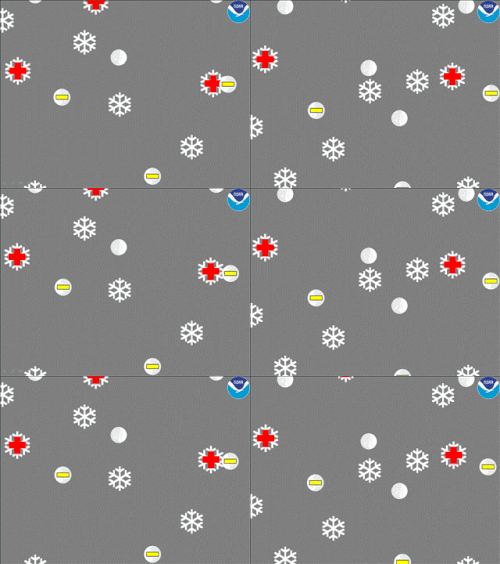
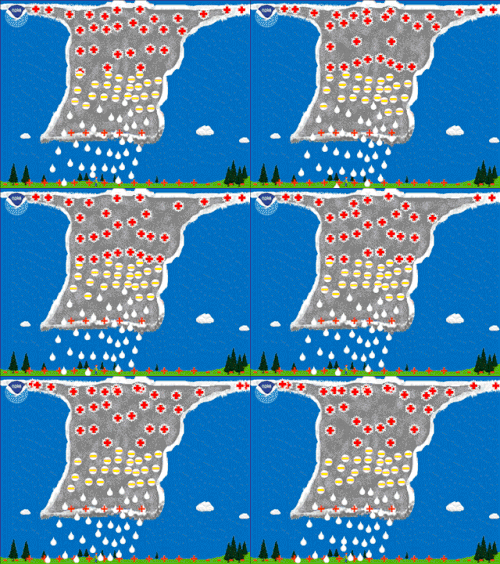
雷の始まりは、積乱雲内部の激しい対流にあります。気温が−15℃から−25℃の領域では、強い上昇気流によって氷の粒子が激しく衝突し合います。このとき、軽い氷晶は正の電荷を帯びて上空へ運ばれ、重いあられ(graupel)は負の電荷を帯びて下層に溜まります。
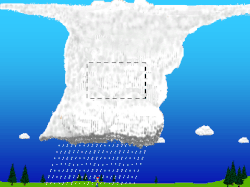
この衝突プロセスにより、雲の中には巨大な電池のような構造が出来上がります。具体的には、雲の上層部が正に、中層から下層部にかけてが負に帯電した状態になります。
放電のメカニズム:リーダーとストリーマー
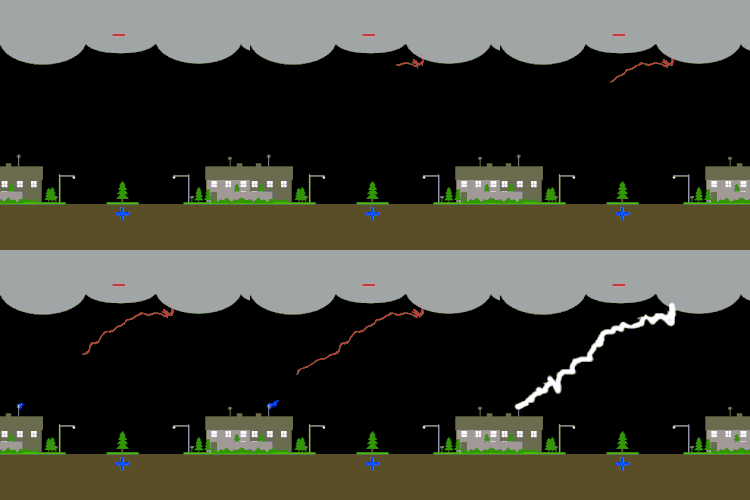
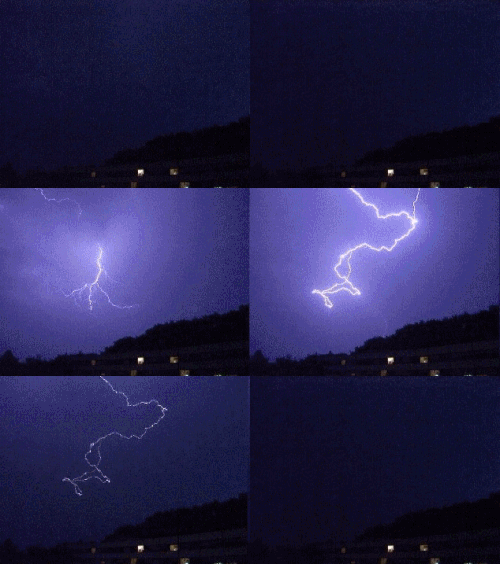
蓄積された電荷のバランスが限界に達すると、電気的な放電が始まります。まず、雲から地上に向かって「ダウンワードリーダー」と呼ばれる電離した空気の道が、枝分かれしながら降りてきます。
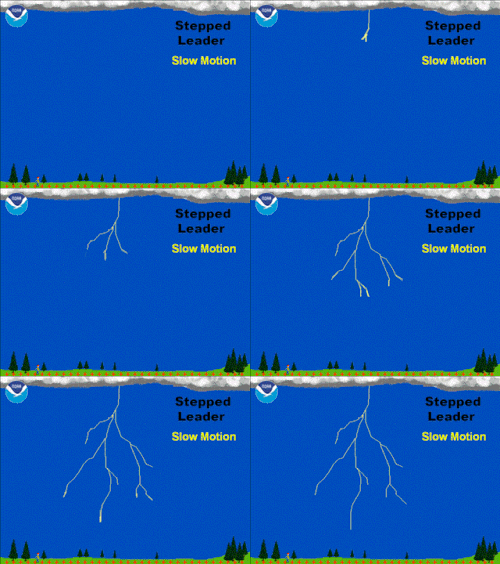
同時に、地上の高い物体からは上空に向かって「アップワードストリーマー」と呼ばれる電気の道が伸び上がります。この両者が接触した瞬間、回路が完成し、強烈な電流が流れる「帰還雷撃(リターンストローク)」が発生します。これが私たちが目にする眩い閃光の正体です。
雷の形態と種類
発生場所による分類
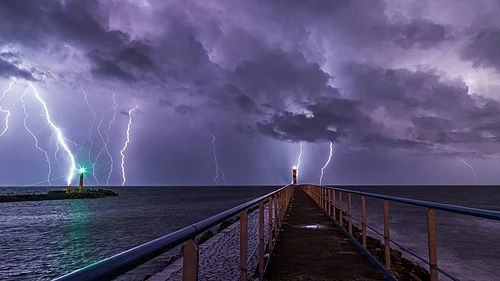
雷はどこで放電が起きるかによって、大きく3つのタイプに分けられます。
- 雲内放電 (IC): 単一の積乱雲の中で完結する放電。
- 雲間放電 (CC): 異なる雲の間で発生する放電。
- 落雷 (CG): 雲から地上へ向かって発生する放電。
極性と特殊な雷
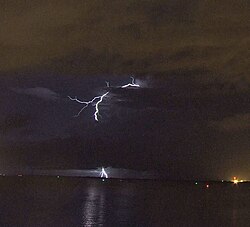
多くの落雷は負の電荷を伴いますが、中には正の電荷を持つ「正極性雷」が存在します。特に、快晴の空から突然突き刺さるように見える「ボルト・フロム・ザ・ブルー(青天の霹靂)」は、雲のアンビル(かなとこ雲)の外側から遠く離れた地上へ到達する正極性の放電である場合が多いとされています。
地球規模の分布とメガフラッシュ
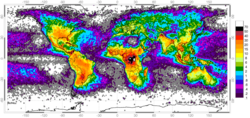
雷の発生頻度は世界中で均一ではありません。NASAの観測データによれば、地域によって明確な偏りがあることが分かっています。また、通常よりも遥かに長い距離を移動する「メガフラッシュ」という現象もあり、米国では数百キロメートルにわたる記録的な放電が観測されています。
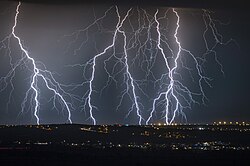
![A 768 km (477 mi) megaflash from Texas to Louisiana, in the United States.[75]](/images/45/78/457828037f94a7ca2f2633030745cc86fbf493c427ecba9f04e628992682d971.png)
雷がもたらす影響と現象
自然界と構造物へのダメージ
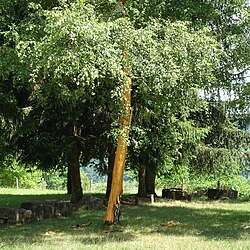
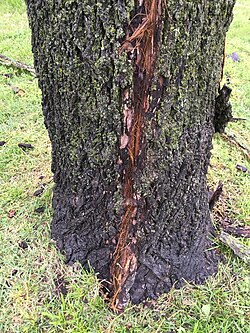
雷撃を受けた物体は、極めて高い熱と強力な磁力にさらされます。樹木に落雷した場合、樹皮と幹の間の水分が急激に加熱されて水蒸気となり、その爆発的な圧力で樹皮が吹き飛ばされることがあります。
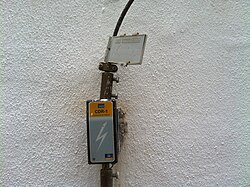
人工構造物においても、電気設備への深刻なダメージや火災の原因となります。また、航空機にとっても大きなリスクであり、適切な対策が講じられています。
環境への寄与と化学変化
雷は破壊的な側面だけでなく、地球環境に重要な役割も果たしています。放電時の高エネルギーにより大気中の窒素と酸素が反応し、窒素酸化物(NOx)が生成されます。これが雨とともに地上に降り注ぐことで、天然の肥料として土壌を豊かにします。
文化的な象徴としての雷
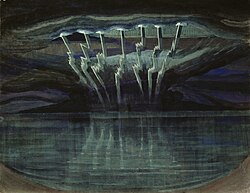
その圧倒的な威力から、雷は古来より多くの宗教や神話で神の力として描かれてきました。芸術作品においても、自然の猛威や精神的な衝撃を表現するモチーフとして頻繁に用いられています。

雷の概要まとめ
| 項目 | 詳細 |
|---|---|
| 主な発生条件 | 積乱雲内での氷晶とあられの衝突による電荷分離 |
| 放電のプロセス | リーダーの降下 → ストリーマーの上昇 → 接続(帰還雷撃) |
| 主な種類 | 雲内放電、雲間放電、落雷(正極性・負極性) |
| 環境への影響 | 窒素酸化物の生成による土壌肥沃化、構造物の破壊 |
| 最大記録 | 数百kmに及ぶメガフラッシュ(例:米国で768km) |
Frequently Asked Questions
雷はなぜ鳴るのですか?
落雷の瞬間、放電経路の空気は太陽の表面温度に匹敵するほどの超高温になります。これにより周囲の空気が爆発的に膨張し、衝撃波が発生します。これが音波となって伝わったものが「雷鳴」です。
同じ場所に二度雷が落ちることはありますか?
はい、あります。特に高いビルや尖塔など、電気的に通り道になりやすい場所には、繰り返し落雷が発生することが一般的です。
「青天の霹靂」とは科学的にどういう現象ですか?
これは主に「ボルト・フロム・ザ・ブルー」と呼ばれる現象を指します。積乱雲の本体からは離れた場所であっても、雲の上部から水平に伸びた放電が地上に到達することで、晴天に見える場所へ落雷することがあります。
雷が環境に良い影響を与えることはありますか?
はい。雷による放電は、大気中の窒素を固定して窒素酸化物を作り出します。これが雨を通じて地表に届くことで、植物の成長を助ける天然の肥料として機能します。
メガフラッシュとは何ですか?
通常の落雷よりも遥かに長い距離を移動する巨大な放電現象のことです。米国ではテキサス州からルイジアナ州にわたる768kmという驚異的な長さの放電が記録されています。
References
- Maggio, Christopher R.; Marshall, Thomas C.; Stolzenburg, Maribeth (2009). "Estimations of charge transferred and energy released by lightning flashes in short bursts". Journal of Geophysical Research: Atmospheres. 114 (D14): D14203. :2009JGRD..11414203M. :10.1029/2008JD011506.
- "Severe Weather 101: Lightning Basics". . . Retrieved October 23, 2019.
- "Lightning Facts". factsjustforkids.com. Facts Just for Kids. Retrieved October 23, 2019.
- "How Hot Is Lightning?". . weather.gov. . Retrieved February 3, 2025.
- "Essential Climate Variables". World Meteorological Organization. November 13, 2024. Retrieved February 3, 2025.
- "Severe Weather Safety Guide" (PDF). National Weather Service. 2022.
- "Lightning Facts". Fast Facts for Kids. 2022. Archived from the original on September 28, 2022. Retrieved July 27, 2022.
- Cooray, V., ed. (2014). "Mechanism of the Lightning Flash". The Lightning Flash (2nd ed.). London: . pp. 119–229.
- Jones, Nicola (January 4, 2021). "Salty Seas Make Lightning Brighter". . Retrieved January 11, 2021.
- "NWS JetStream – The Positive and Negative Side of Lightning". . Archived from the original on July 5, 2007. Retrieved September 25, 2007.
📸 フォトギャラリー