Depiction of Ku Klux Klan in North Carolina in 1870, based on a photograph taken under the supervision of a federal officer who seized Klan costumes
← ホームへ戻る

ク・クラックス・クラン(KKK)の歴史と変遷白人至上主義組織の正体

🗓 2026年8月17日

アメリカ合衆国の歴史において、最も悪名高いヘイトグループとして知られるのがク・クラックス・クラン(Ku Klux Klan、通称KKK)です。この組織は単一の継続的な団体ではなく、時代ごとに異なる目的と形態を持って現れた3つの大きな波(第1次から第3次)に分かれています。一貫しているのは、白人至上主義に基づき、特定の人種や宗教、集団を排除しようとする排外主義的な思想です。

Key Facts

  • 組織の構造: 歴史的に3つの異なる時期に活動がピークを迎えた。
  • 核心的な思想: 白人至上主義、反黒人差別、ネイティビズム(自国民優先主義)。
  • 象徴的な手法: 白いローブとフードによる正体隠匿、および十字架の焼却。
  • 被害対象: アフリカ系アメリカ人を筆頭に、ユダヤ人、カトリック信者、移民、LGBTQ+など多岐にわたる。

第1次KKK(1865年〜1872年):再建時代への反発

南北戦争直後の1865年、元南部連合軍の兵士たちによって結成されました。彼らの主な目的は、戦後の「再建時代」における黒人の権利拡大を阻止し、南部の白人支配体制を回復させることでした。

初期の活動は、投票権を持つ黒人や彼らを支援する白人(スカラーワグやカーペットバッガーと呼ばれる人々)に対する暴力的な威嚇が中心でした。鞭打ちや殺害などの残酷な手段を用い、恐怖によって政治的な影響力を排除しようとしました。

A cartoon threatening that the KKK (represented by a Democratic donkey) will lynch scalawags (left) and carpetbaggers (right) on March 4, 1869, the day President Grant takes office. Tuscaloosa, Alabama, Independent Monitor, September 1, 1868.[f]
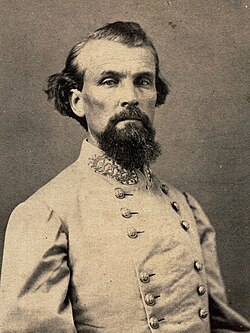
Nathan Bedford Forrest, first Grand Wizard of the Klan, pictured in 1864 wearing his Confederate uniform

正体を隠すためのマスクや衣装が導入され、組織的なテロリズムを展開しましたが、連邦政府による厳しい取り締まりや、1871年の公民権法(Civil Rights Act of 1871)などの法的措置により、1870年代初頭には一度衰退しました。
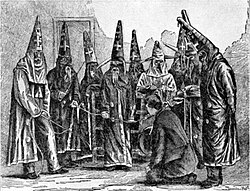
Depiction of Ku Klux Klan in North Carolina in 1870, based on a photograph taken under the supervision of a federal officer who seized Klan costumes
Three Ku Klux Klan members arrested in Tishomingo County, Mississippi, September 1871, for the attempted murder of an entire family.[80]
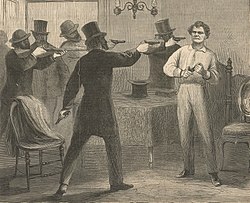
George W. Ashburn was assassinated for his pro-black sentiments.
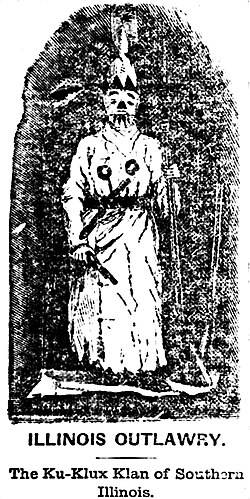
Garb and weapons of the Ku Klux Klan in Southern Illinois, as posed for Joseph A. Dacus of the Missouri Republican, in August 1875.
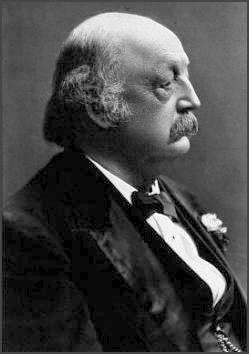
Benjamin Butler wrote the Civil Rights Act of 1871.
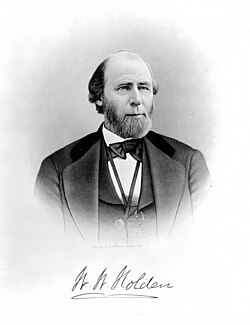
Gov. William Holden of North Carolina

第2次KKK(1915年〜1944年):大衆化と憎悪の拡大

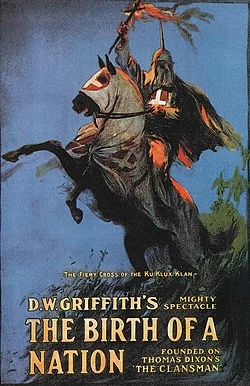
20世紀に入り、1915年にウィリアム・J・シモンズによって再興されました。この時期の再興を後押ししたのが、映画『国民の誕生(The Birth of a Nation)』であり、KKKを南部の秩序を守る英雄として描いたことで、多くの白人が感化されました。
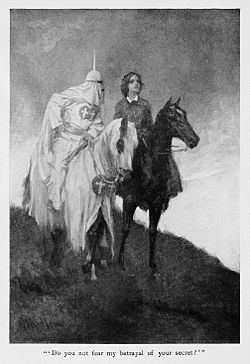
Frontispiece to the first edition of Dixon's The Clansman, by Arthur I. Keller
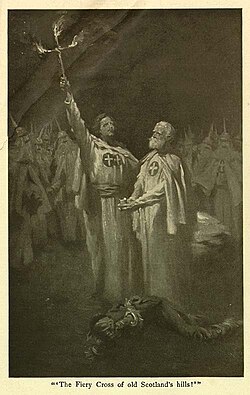
"The Fiery Cross of old Scotland's hills!" Illustration from the first edition of The Clansman, by Arthur I. Keller. Note figures in background.
Movie poster for The Birth of a Nation, which has been widely credited with inspiring the 20th-century revival of the Ku Klux Klan

第2次KKKは、単なる南部の一地方組織ではなく、全米規模の巨大組織へと成長しました。1920年代には会員数が数百万人規模に達し、都市部にも浸透しました。思想も深化し、反黒人だけでなく、反カトリック、反ユダヤ主義、反共産主義、そして「アングロサクソン主義」に基づく排外主義を掲げました。
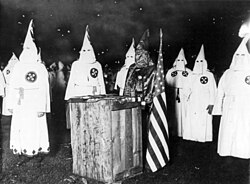
KKK rally near Chicago in the 1920s
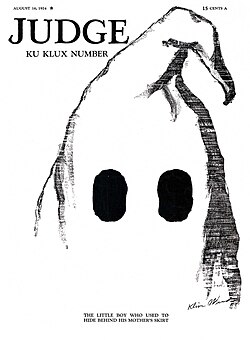
The "Ku Klux Number" of Judge, August 16, 1924
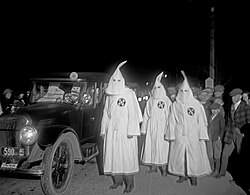
Three Ku Klux Klan members at a 1922 parade

この時代に、組織の象徴となる「燃える十字架」の儀式や、独特の階級制度、そして「KI」で始まる独自の専門用語(KlavernやKloranなど)が体系化されました。また、女性向けの組織も作られ、社会的な浸透を図りました。
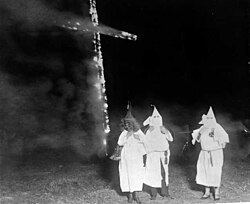
Cross burning was introduced by William J. Simmons, the founder of the second Klan in 1915.
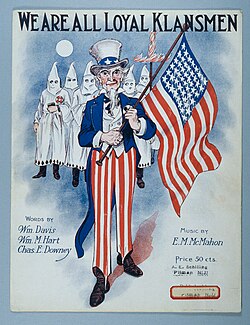
Sheet music to "We Are All Loyal Klansmen", 1923

しかし、指導者の不祥事や内部腐敗、そして社会情勢の変化により、1940年代にかけて再び勢力を失っていきました。

This Harper's Weekly cartoon links the 1868 Democratic candidates Horatio Seymour and Francis Preston Blair Jr. with secession and the Confederate cause.[64]
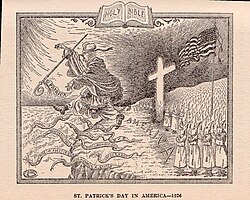
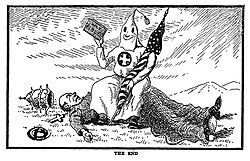
In this 1926 cartoon, the Ku Klux Klan chases the Catholic Church, personified by St. Patrick, from the shores of America. Among the "snakes" are various supposed negative attributes of the Church, including superstition, the union of church and state, control of public schools, and intolerance.
"The End" referring to the end of Catholic influence in the US. Klansmen: Guardians of Liberty 1926
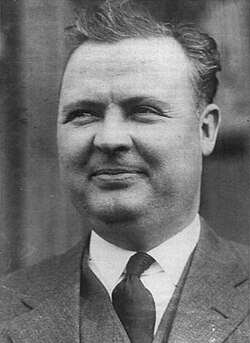
D. C. Stephenson, Grand Dragon of the Indiana Klan. His conviction in 1925 for the murder of Madge Oberholtzer, a white schoolteacher, led to the decline of the Indiana Klan.
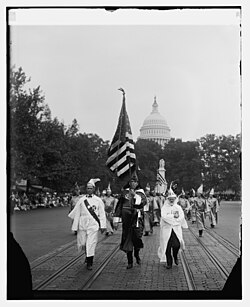
Ku Klux Klan parade in Washington, D.C., September 13, 1926

第3次KKK(1940年代後半〜現在):公民権運動への抵抗

1950年代から60年代にかけて、アフリカ系アメリカ人が平等な権利を求めた「公民権運動」が激化すると、それに反発する形で再びKKKが活動を再開しました。この時期の活動は、極めて暴力的なテロ行為が目立ちました。

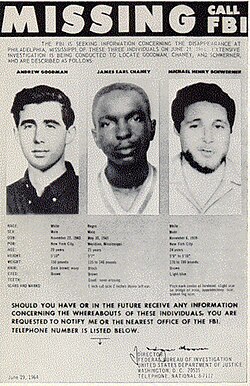
教会への爆破テロや、活動家の誘拐・殺害などが頻発し、社会に深い傷跡を残しました。特にミシシッピ州などで起きた公民権活動家たちの殺害事件は、全米に衝撃を与えました。
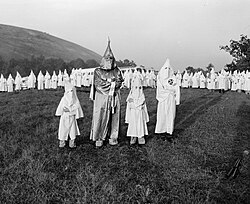
Two children wearing Ku Klux Klan robes and hoods stand on either side of Grand Dragon Samuel Green at Stone Mountain, Georgia, on July 24, 1948.
Goodman, Chaney, and Schwerner were three civil rights workers abducted and murdered by members of the Ku Klux Klan.

現代のKKKは、かつてのような数百万人の規模ではなく、小規模な分派に分断されています。現在はネオナチなどの他の極右団体と連携したり、インターネットを通じて思想を広めたりしていますが、法的な監視と社会的な拒絶により、その影響力は限定的となっています。
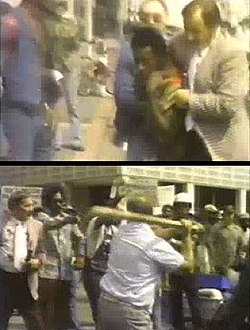
Violence at a Klan march in Mobile, Alabama, 1977

組織の象徴と特有の文化

KKKは視覚的なシンボルを多用して結束力を高め、外部に恐怖を与えてきました。最も有名なのは「血の滴る十字架(Blood Drop Cross)」であり、これは組織のアイデンティティを示す紋章として使用されています。

また、彼らは独自の言語体系を持っており、以下のような役職名や用語を定義していました。

KKKの独自用語例
用語 意味・役割
Klabee 会計責任者
Klavern 地方組織(支部)
Imperial Kleagle 勧誘担当者
Klecktoken 入会金
Kloran 儀式用の教本

Frequently Asked Questions

KKKは一つの組織としてずっと続いていたのですか?

いいえ。歴史的には、19世紀後半の「第1次」、20世紀前半の「第2次」、そして公民権運動期以降の「第3次」という3つの異なる波に分かれており、それぞれ設立目的や規模、思想の範囲が異なります。

なぜ白いローブとフードを着用するのですか?

もともとは正体を隠してテロ行為を行うための実用的な目的でしたが、次第に「幽霊」のような外見で相手を威嚇し、組織の一体感を演出するための象徴的な衣装へと変化しました。

「燃える十字架」にはどのような意味があるのですか?

十字架の焼却は、第2次KKKの創設者ウィリアム・J・シモンズによって導入されました。これは相手に対する激しい威嚇であると同時に、彼らにとっては信仰と人種的純潔を象徴する儀式的な意味を持っていました。

現代でもKKKは活動しているのですか?

はい。ただし、かつてのような巨大な単一組織ではなく、小規模なグループに分かれて活動しています。会員数は大幅に減少していますが、依然としてヘイトクライムや極右思想の温床となっており、監視対象となっています。

References

  1. The Ku Klux Klan opposed the civil rights and Black rights movements, and often killed Black people that either committed crimes, or simply exercised their rights of voting, owning guns, land, etc.
  2. Peaked in 1924–1925
  3. In addition to previous Klan ideologies
  4. The Third KKK is , , and .
  5. Commonly .
  6. An analysis of this cartoon can be found in

📸 フォトギャラリー

Depiction of Ku Klux Klan in North Carolina in 1870, based on a photograph taken under the supervision of a federal officer who seized Klan costumes
KKK rally near Chicago in the 1920s
The "Ku Klux Number" of Judge, August 16, 1924
A cartoon threatening that the KKK (represented by a Democratic donkey) will lynch scalawags (left) and carpetbaggers (right) on March 4, 1869, the day President Grant takes office. Tuscaloosa, Alabama, Independent Monitor, September 1, 1868.[f]
This Harper's Weekly cartoon links the 1868 Democratic candidates Horatio Seymour and Francis Preston Blair Jr. with secession and the Confederate cause.[64]
Nathan Bedford Forrest, first Grand Wizard of the Klan, pictured in 1864 wearing his Confederate uniform
Three Ku Klux Klan members arrested in Tishomingo County, Mississippi, September 1871, for the attempted murder of an entire family.[80]
George W. Ashburn was assassinated for his pro-black sentiments.
Garb and weapons of the Ku Klux Klan in Southern Illinois, as posed for Joseph A. Dacus of the Missouri Republican, in August 1875.
Benjamin Butler wrote the Civil Rights Act of 1871.
Gov. William Holden of North Carolina
Frontispiece to the first edition of Dixon's The Clansman, by Arthur I. Keller
"The Fiery Cross of old Scotland's hills!" Illustration from the first edition of The Clansman, by Arthur I. Keller. Note figures in background.
Movie poster for The Birth of a Nation, which has been widely credited with inspiring the 20th-century revival of the Ku Klux Klan
Three Ku Klux Klan members at a 1922 parade
In this 1926 cartoon, the Ku Klux Klan chases the Catholic Church, personified by St. Patrick, from the shores of America. Among the "snakes" are various supposed negative attributes of the Church, including superstition, the union of church and state, control of public schools, and intolerance.
"The End" referring to the end of Catholic influence in the US. Klansmen: Guardians of Liberty 1926
Cross burning was introduced by William J. Simmons, the founder of the second Klan in 1915.
Sheet music to "We Are All Loyal Klansmen", 1923
D. C. Stephenson, Grand Dragon of the Indiana Klan. His conviction in 1925 for the murder of Madge Oberholtzer, a white schoolteacher, led to the decline of the Indiana Klan.
Ku Klux Klan parade in Washington, D.C., September 13, 1926
Two children wearing Ku Klux Klan robes and hoods stand on either side of Grand Dragon Samuel Green at Stone Mountain, Georgia, on July 24, 1948.
Goodman, Chaney, and Schwerner were three civil rights workers abducted and murdered by members of the Ku Klux Klan.
Violence at a Klan march in Mobile, Alabama, 1977