Territory often changed hands early in the war, until the front stabilized. Chinese and Soviet forces North Korean forces South Korean and United Nations forces
← ホームへ戻る

朝鮮戦争の全貌冷戦の激化と分断の歴史

🗓 2026年8月17日

1950年から1953年にかけて展開された朝鮮戦争は、第二次世界大戦後の冷戦構造を象徴する大規模な紛争です。朝鮮半島を舞台に、自由主義陣営と共産主義陣営が激突し、今日まで続く南北分断の決定的な要因となりました。この戦争は単なる地域紛争に留まらず、国連軍の派遣という国際的な枠組みでの軍事介入が行われた点に大きな特徴があります。

戦争の端緒は、1950年6月25日の北朝鮮による電撃的な南侵でした。これにより、それまで38度線で分かれていた南北の緊張が一気に爆発し、半島全土を巻き込む惨劇へと発展しました。
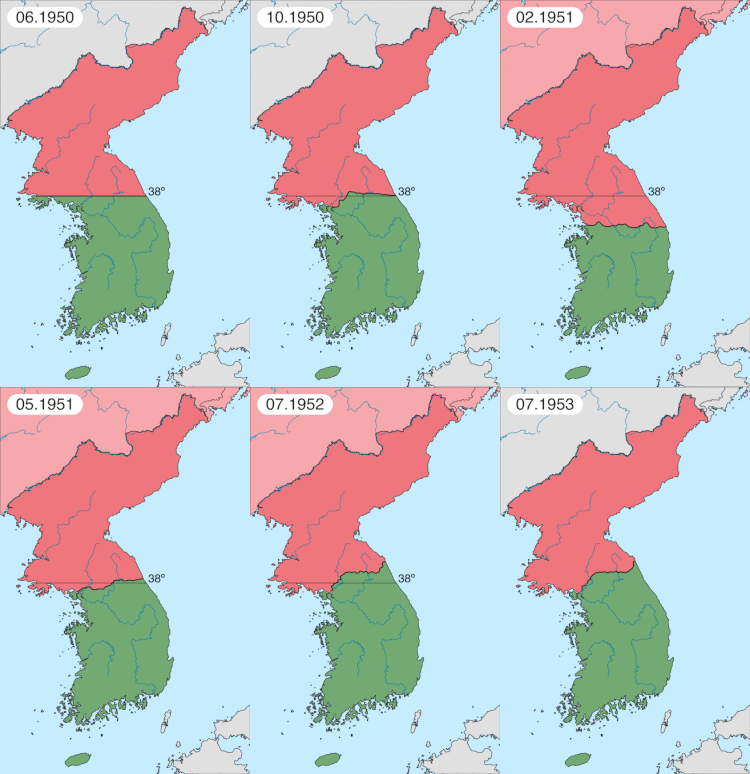
Territory often changed hands early in the war, until the front stabilized. Chinese and Soviet forces North Korean forces South Korean and United Nations forces

Key Facts

  • 期間:1950年6月25日 〜 1953年7月27日
  • 主要対立構造:韓国・アメリカ・国連軍 vs 北朝鮮・中国・ソ連
  • 結果:休戦協定の締結による軍事的な停戦(政治的な終結はせず)
  • 影響:非武装地帯(DMZ)の設置と、深刻な人的・物的被害
  • 犠牲者:民間人だけで160万〜300万人が犠牲になったと推定される

戦況の変遷:攻防の激化と膠着状態

北朝鮮の攻勢と釜山橋頭堡

開戦直後、北朝鮮軍は圧倒的な勢いで南下し、首都ソウルを短期間で陥落させました。多くの避難民が南へと逃れ、韓国軍と米軍は半島南端の釜山周辺まで追い詰められました。この絶望的な状況下で、国連軍は「釜山橋頭堡」を死守し、反撃の機会を伺いました。
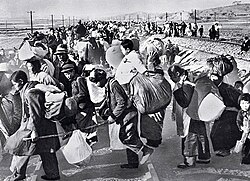
Hundreds of thousands of South Koreans fled south in mid-1950 after the North Korean army invaded
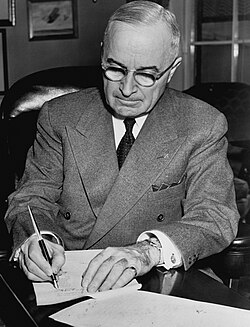
President Truman signing a proclamation declaring a national emergency and authorizing US entry into the Korean War
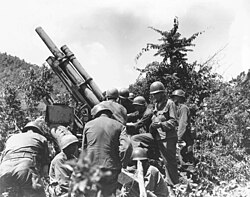
A group of soldiers readying a large gun in some brush

国連軍の反撃と北進

戦局を劇的に変えたのが、ダグラス・マッカーサー元帥による仁川上陸作戦です。敵の背後を突いたこの作戦の成功により、国連軍はソウルを奪還し、一気に北朝鮮側へと進撃しました。平壌を占領し、中国との国境である鴨緑江付近まで到達したことで、朝鮮半島の統一が現実味を帯びた瞬間がありました。
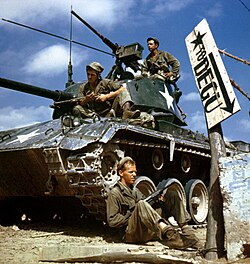
Crew of an US M24 Chaffee tank along the Nakdong River front, August 1950
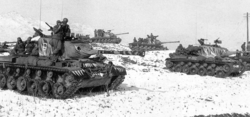
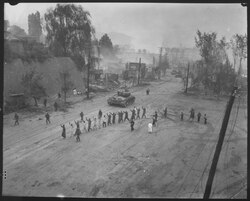
M26 Pershing tanks during the Second Battle of Seoul in September 1950. In the foreground, UN troops round up North Korean prisoners-of-war.
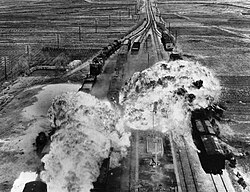
US Air Force attacking railroads south of Wonsan on the eastern coast of North Korea

中国の介入と泥沼の消耗戦

しかし、国連軍の北進に対し、中国が「人民義勇軍」を派遣して介入しました。凍てつく冬の山岳地帯で中国軍の猛攻を受けた国連軍は、再び南へと撤退を余儀なくされます。その後、戦線は再び38度線付近で拮抗し、激しい陣地奪い合いが行われる消耗戦へと移行しました。
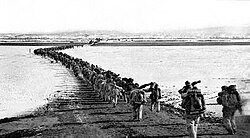
Chinese forces cross the frozen Yalu River
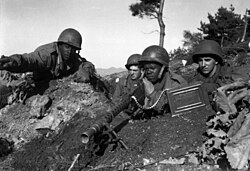
Soldiers from the US 2nd Infantry Division in action near the Ch'ongch'on River (20 November 1950)
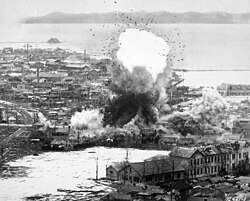
B-26 Invaders bomb logistics depots in Wonsan, North Korea, 1951
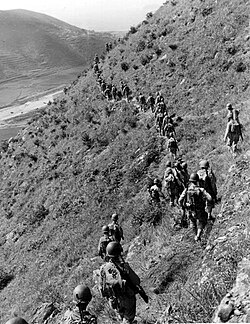
US Marines move out over rugged mountain terrain while closing with North Korean forces
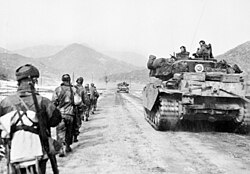
British UN troops advance alongside a Centurion tank, March 1951
US M46 Patton tanks, painted with tiger heads thought to demoralize Chinese forces

停戦への道と休戦協定

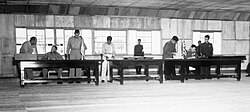
1951年以降、戦況はほぼ動かなくなり、双方にとって甚大な犠牲を出すだけの意味がない「膠着状態」に陥りました。数年にわたる交渉の末、1953年7月27日に板門店で朝鮮休戦協定が署名され、戦闘は停止しました。これにより、軍事境界線が設定され、その南北に非武装地帯(DMZ)が設けられました。
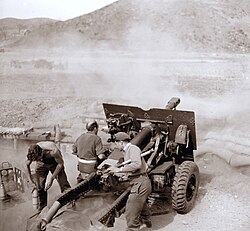
New Zealand artillery crew in action, 1952
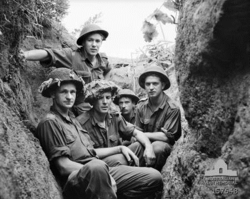
Men from the Royal Australian Regiment, June 1953
Delegates sign the Korean Armistice Agreement in P'anmunjŏm

軍事作戦と多様な兵器の投入

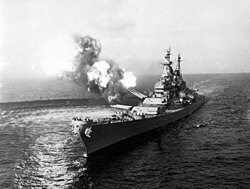
この戦争では、地上戦のみならず、大規模な航空作戦や海軍作戦が展開されました。特に米軍による北朝鮮への爆撃や、ミズーリ号などの戦艦による沿岸砲撃は、敵の通信網や兵站を破壊するために重要な役割を果たしました。
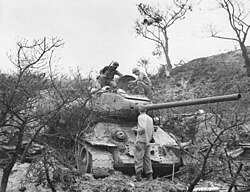
US soldiers of the 5th Cavalry Regiment examine a captured North Korean T-34 tank, Waegwan, eastern South Korea
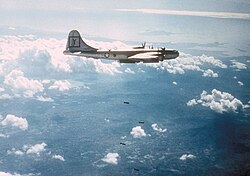
A 307th Bomb Group B-29 on a day-bombing mission in Korea, c. 1951
To disrupt North Korean communications, USS Missouri fires a salvo from its 16-inch guns at shore targets near Chongjin, North Korea, 21 October 1950
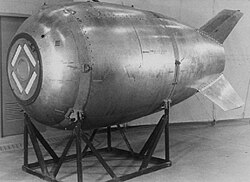
Mark 4 bomb, seen on display, transferred to the 9th Bombardment Wing, Heavy

また、戦場には世界各国から国連軍として兵力が集まりました。イギリス、カナダ、トルコ、オーストラリア、フランス、タイ、フィリピン、エチオピア、オランダ、ベルギー、ギリシャ、コロンビア、南アフリカ、ニュージーランド、ノルウェー、ルクセンブルク、インドなどが参加し、多国籍な軍事協力体制が敷かれました。
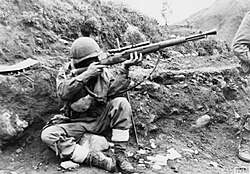
A soldier of the Dutch detachment of the UN forces in North Korea prepares to return sniper fire, 1952
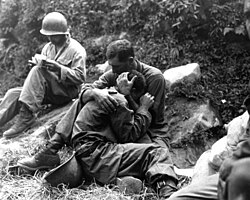
G.I. comforting a grieving infantryman

戦争が残した深い爪痕

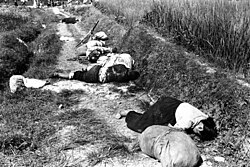
朝鮮戦争は、軍人だけでなく膨大な数の民間人に犠牲を強いました。政治犯の処刑や夜間戦闘による民間人の巻き添えなど、凄惨な出来事が各地で報告されています。また、戦後も南北の対立は続き、現在に至るまで緊張状態が続いています。
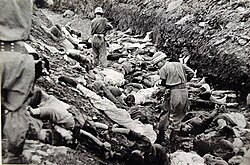
South Korean soldiers walk among the bodies of political prisoners executed near Daejon, July 1950
Civilians killed during a night battle near Yongsan, August 1950
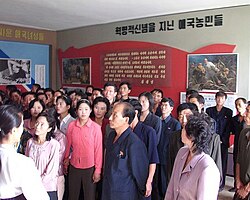
North Koreans touring the Museum of American War Atrocities in 2009
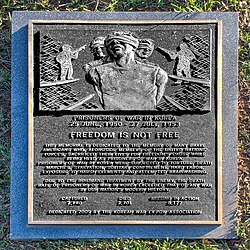
Memorial at Andersonville National Historic Site

今日、世界各地に国連軍の記念碑が建てられており、この戦争が国際社会に与えた衝撃と記憶を後世に伝えています。
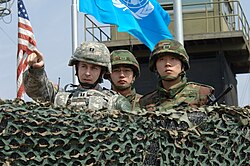
US Army officer confers with South Korean soldiers at Observation Post (OP) Ouellette, viewing northward, in April 2008
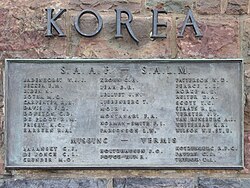
Korean War memorials are found in every UN Command Korean War participant country; this one is in Pretoria, South Africa
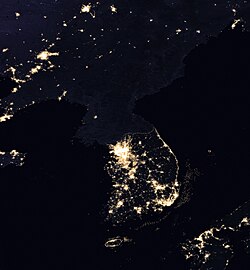
The Korean Peninsula at night, shown in a 2017 composite photograph from NASA

朝鮮戦争の概要まとめ

朝鮮戦争の主要データ
項目 詳細内容
期間 1950年6月25日 〜 1953年7月27日
主要参戦国(南側) 韓国、アメリカ、イギリス連邦、その他国連加盟国
主要参戦国(北側) 北朝鮮、中国、ソ連
主要指導者 李承晩、ハリー・S・トルーマン、金日成、毛沢東、スターリン
最終的な結果 休戦協定による停戦、DMZの設置
推定民間人犠牲者 160万 〜 300万人

Frequently Asked Questions

朝鮮戦争はなぜ始まったのですか?

第二次世界大戦後、朝鮮半島が北緯38度線を境にソ連とアメリカの管理下に置かれ、異なる政治体制を持つ南北の政府が樹立されました。この体制的な対立と、半島統一を目指す北朝鮮の意向が重なり、1950年6月の南侵によって開戦しました。

「休戦」と「終戦」の違いは何ですか?

朝鮮戦争で結ばれたのは「休戦協定」であり、あくまで戦闘を一時的に停止させる合意です。正式な平和条約が締結されていないため、法的には依然として戦争状態にあるとされており、これが現在の緊張状態の根源となっています。

国連軍が派遣された理由は?

北朝鮮による侵攻を「平和に対する脅威」とみなした国連安全保障理事会が、韓国への軍事援助を承認したためです。これにより、アメリカを中心とした多国籍軍が編成され、韓国の防衛にあたりました。

中国が参戦した理由は何ですか?

国連軍が38度線を越えて北朝鮮深くへと進撃し、中国国境である鴨緑江に迫ったためです。中国は自国の安全保障上の脅威と感じ、人民義勇軍を派遣して介入しました。

DMZ(非武装地帯)とは何ですか?

休戦協定に基づき、軍事境界線の南北に設定された緩衝地帯のことです。双方の軍事的な衝突を避けるために設けられましたが、現在でも厳重に管理されており、世界で最も緊張の高い地域の一つとなっています。

この戦争でどのような兵器が使われましたか?

T-34戦車などの装甲車、M46パットンなどの戦車、B-29爆撃機による大規模な空爆、そしてミグ・アレイ(MiG Alley)と呼ばれる空域でのジェット機同士の空中戦など、当時の最新兵器が投入されました。
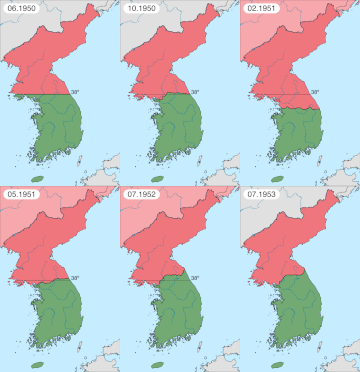
• North Korean,Chinese andSoviet forces • South Korean, U.S.,Commonwealthand United Nationsforces

References

  1. 7,375 remain missing or unaccounted for.
  2. 2,806 died in captivity, and 21 refused repatriation.
  3. Dead or missing
  4. 373,599 dead, 387,744 missing, 229,625 wounded
  5. Includes dead, missing, and wounded
  6. See 50 U.S.C. S 1601: "All powers and authorities possessed by the President, any other officer or employee of the Federal Government, or any executive agency... as a result of the existence of any declaration of national emergency in effect on 14 September 1976 are terminated two years from 14 September 1976."; Jolley v. INS, 441 F.2d 1245, 1255 n.17 (5th Cir. 1971).

📸 フォトギャラリー

Territory often changed hands early in the war, until the front stabilized. Chinese and Soviet forces North Korean forces South Korean and United Nations forces
Hundreds of thousands of South Koreans fled south in mid-1950 after the North Korean army invaded
President Truman signing a proclamation declaring a national emergency and authorizing US entry into the Korean War
A group of soldiers readying a large gun in some brush
A soldier of the Dutch detachment of the UN forces in North Korea prepares to return sniper fire, 1952
G.I. comforting a grieving infantryman
Crew of an US M24 Chaffee tank along the Nakdong River front, August 1950
M26 Pershing tanks during the Second Battle of Seoul in September 1950. In the foreground, UN troops round up North Korean prisoners-of-war.
US Air Force attacking railroads south of Wonsan on the eastern coast of North Korea
Chinese forces cross the frozen Yalu River
Soldiers from the US 2nd Infantry Division in action near the Ch'ongch'on River (20 November 1950)
B-26 Invaders bomb logistics depots in Wonsan, North Korea, 1951
US Marines move out over rugged mountain terrain while closing with North Korean forces
British UN troops advance alongside a Centurion tank, March 1951
US M46 Patton tanks, painted with tiger heads thought to demoralize Chinese forces
New Zealand artillery crew in action, 1952
Men from the Royal Australian Regiment, June 1953
Delegates sign the Korean Armistice Agreement in P'anmunjŏm
US Army officer confers with South Korean soldiers at Observation Post (OP) Ouellette, viewing northward, in April 2008
US soldiers of the 5th Cavalry Regiment examine a captured North Korean T-34 tank, Waegwan, eastern South Korea
A 307th Bomb Group B-29 on a day-bombing mission in Korea, c. 1951
To disrupt North Korean communications, USS Missouri fires a salvo from its 16-inch guns at shore targets near Chongjin, North Korea, 21 October 1950
Mark 4 bomb, seen on display, transferred to the 9th Bombardment Wing, Heavy
Korean War memorials are found in every UN Command Korean War participant country; this one is in Pretoria, South Africa
South Korean soldiers walk among the bodies of political prisoners executed near Daejon, July 1950
Civilians killed during a night battle near Yongsan, August 1950
The Korean Peninsula at night, shown in a 2017 composite photograph from NASA
North Koreans touring the Museum of American War Atrocities in 2009
Memorial at Andersonville National Historic Site
• North Korean,Chinese andSoviet forces • South Korean, U.S.,Commonwealthand United Nationsforces