19世紀末、カナダのユーコン準州で巻き起こったクロンダイク・ゴールドラッシュは、一攫千金を夢見た数万人の人々を極北の地へと駆り立てた歴史的な社会現象です。厳しい自然環境と過酷な旅路、そして欲望が渦巻いたこの時代は、北米の開拓史において最もドラマチックな一ページとして刻まれています。
当時のユーコン地方は、未開の荒野が広がる未知の領域でした。
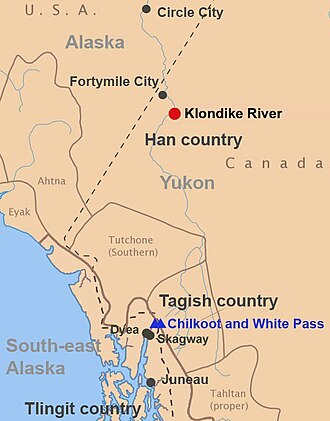
Key Facts
- 発生時期:1896年から1899年にかけて(特に1897年から98年にかけて激化)。
- 発見地:1896年8月16日、ボナンザ・クリークにて発見。
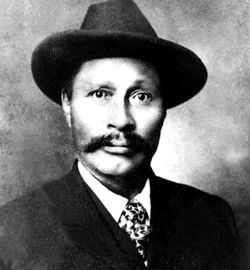
- 主要人物:ジョージ・カーマックとスクーカム・ジムが発見者として知られる。
- 参加規模:約10万人が志願し、実際に到達したのは3万〜4万人とされる。
- 中心都市:ユーコン川沿いに急速に発展したドーソンシティ。
黄金の発見と狂乱の始まり
この熱狂の火付け役となったのは、1896年にボナンザ・クリークで金が発見されたことでした。発見者のスクーカム・ジムらは、この地が莫大な富を秘めていることを確信します。
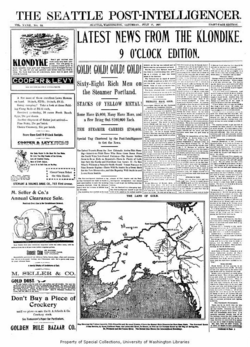
当初は限定的なニュースでしたが、1897年7月に金塊を積んだ船がシアトルに到着したことで、事態は一変しました。新聞がこのニュースを大々的に報じると、世界中から「クロンダイカー」と呼ばれる金鉱掘りたちが押し寄せ、未曾有のスタンプード(集団的な殺到)が始まりました。
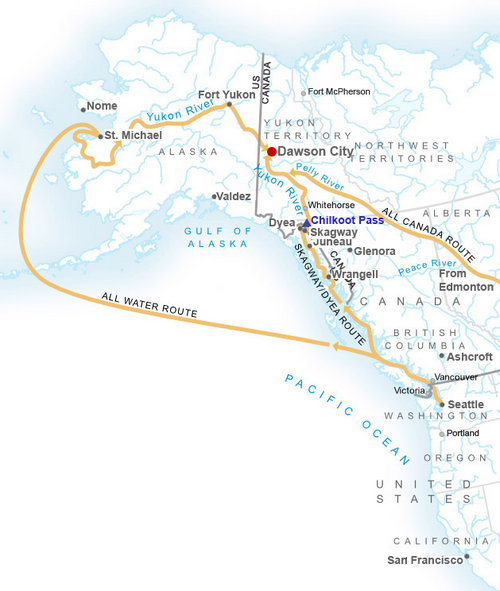
死闘の旅路:クロンダイクへのルート
目的地であるクロンダイクへ到達するためには、険しい山脈や凍てつく川を越えなければなりませんでした。人々は主にダイアやスケグウェイを経由するルートを選択しましたが、その道程は想像を絶する困難に満ちていました。
過酷な峠越えと輸送の限界
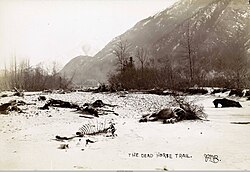
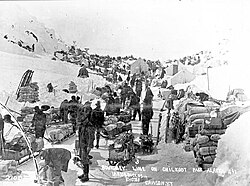
特にチルクート峠やホワイトパスなどのルートは、急勾配と積雪により、多くの人々が絶望を味わいました。荷物を運んでいた馬たちが力尽きて倒れる光景も珍しくなく、人間は自らの足で膨大な量の物資を運ぶことを強いられました。
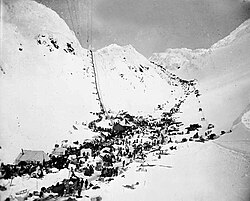
チルクート峠では、急斜面を登るための「ゴールデン・ステップ」や、荷物の重量を量る「スケール」が設けられ、人々は何度も往復して物資を運び上げました。
河川への到達と待ち時間
峠を越えた人々はベネット湖などの拠点に集まり、ユーコン川の氷が解けて舟が出せるようになるまで、テント生活を送りながら待機しました。その後、手製の舟でドーソンシティを目指す長い航海が始まります。
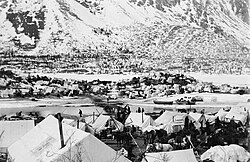
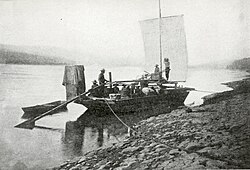
また、ペリー川などの支流沿いにも多くのキャンプが作られ、人々は厳しい自然の中で生存をかけた生活を送りました。
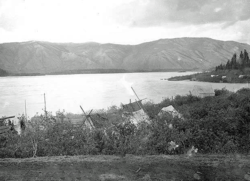
国境管理も厳格に行われ、カナダ側への進入には北西騎馬警察(NWMP)による厳しいチェックがありました。
金鉱採掘の実態と生活
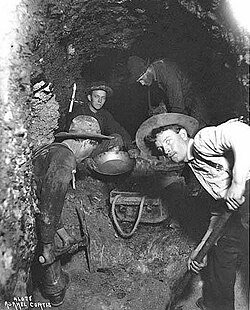
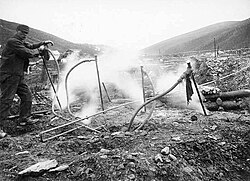
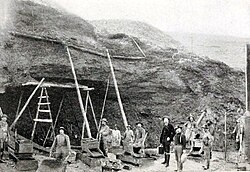
目的地に到達した人々を待っていたのは、地道で過酷な労働でした。地表の金を洗うだけでなく、深く掘り下げたシャフト(縦坑)での作業や、凍った地面を蒸気で溶かす手法などが用いられました。
斜面での採掘にはロッカーと呼ばれる道具が使われ、効率的な抽出が試みられました。
急成長するブームタウン
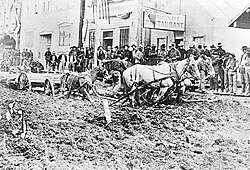
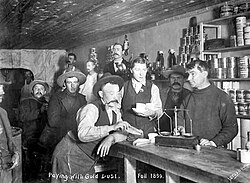
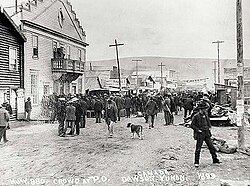
スケグウェイやドーソンシティといった町は、短期間で爆発的に人口が増加しました。泥濘にまみれた通りにテントや建物が乱立し、金粉が通貨として流通するほどの特異な経済圏が形成されました。
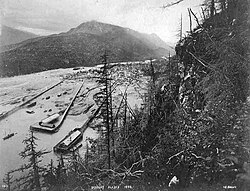
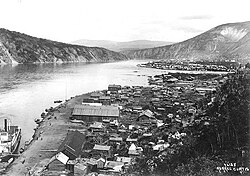
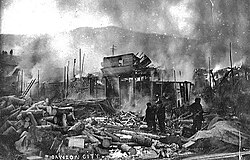
しかし、急激な発展はリスクも伴いました。1898年には大規模な火災が発生し、町に甚大な被害をもたらしました。また、衛生環境の悪化による病気の蔓延も深刻な問題となりました。
社会の多様性と秩序
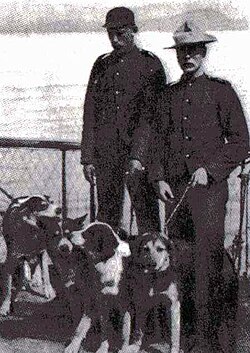
金鉱掘りだけでなく、商売人や娯楽を提供する人々、さらには女優たちまでもがこの地にやってきました。治安維持のためには北西騎馬警察が犬ぞりを用いて巡回し、法と秩序を維持しようと努めました。
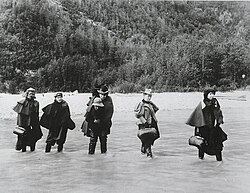
道中にはロードハウス(宿場)が点在し、旅人の休息地となりました。
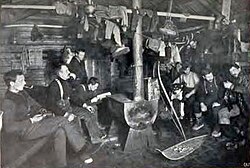
終焉と遺産
1899年になると、アラスカのノームで新たな金鉱が発見されたことで、多くの人々がクロンダイクを去り始めました。熱狂は急速に冷め、町はかつての賑わいを失っていきました。
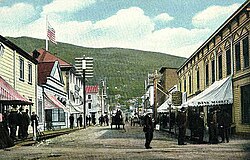
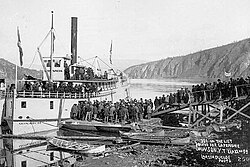
現在、発見者のスクーカム・ジムを称えるプレートが設置されるなど、この時代は地域の歴史的遺産として大切に保存されています。また、現代ではスケグウェイなどの町が観光地として賑わい、クルーズ船が訪れる風景へと変わっています。
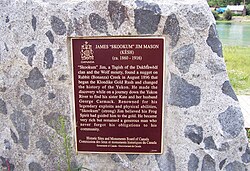
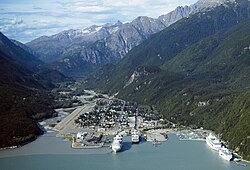
この黄金狂時代のエピソードは、チャップリンの映画『ゴールドラッシュ』などの作品を通じて、今なお世界中で語り継がれています。

主要データのまとめ
| 項目 | 詳細・数値 |
|---|---|
| 期間 | 1896年 〜 1899年 |
| 推定志願者数 | 約100,000人 |
| 実際の到達者数 | 30,000 〜 40,000人 |
| 主要ルート | チルクート峠、ホワイトパス、ユーコン川 |
| 主要都市 | ドーソンシティ、スケグウェイ、ダイア |
西海岸都市の人口増加率(1890年-1900年)
ゴールドラッシュは、中継地となった西海岸の都市経済にも多大な影響を与えました。
| 都市名 | 1890年人口 | 1900年人口 | 増加率 (%) |
|---|---|---|---|
| バンクーバー | 13,709 | 27,010 | 97% |
| ポートランド | 46,385 | 90,426 | 95% |
| シアトル | 42,837 | 80,671 | 88% |
| ビクトリア | 16,841 | 20,919 | 24% |
| サンフランシスコ | 298,997 | 342,782 | 15% |
準備物資リスト(4人分の一例)
当時の金鉱掘りたちが携行した物資は膨大で、生存のために厳格な準備が必要でした。
- 食料:ベーコン(68kg)、小麦粉(180kg)、豆(57kg)、砂糖(11kg)、コーヒー・茶(各4.5kg)など
- 道具:金パン、つるはし2本、シャベル1本、斧2本、のこぎり、テント(3m×3.7m)
- 衣類:厚手のアンダーウェア3セット、ウールパンツ2本、ゴム製コート、ウール靴下12足、ゴムブーツ2足
- その他:蚊帳、医薬品、オイルブランケット、石鹸、マッチなど
Frequently Asked Questions
なぜこれほど多くの人が過酷な旅に挑んだのですか?
当時の新聞報道により、クロンダイクに莫大な金が眠っているという情報が拡散され、一攫千金で人生を逆転させたいという強い欲望が人々を突き動かしたためです。
最も困難だったルートはどこでしたか?
チルクート峠などの山岳ルートが特に過酷でした。急勾配の雪道を、数百キログラムに及ぶ生存物資を自力で運ばなければならず、多くの人々が心身ともに限界まで追い込まれました。
ドーソンシティはどのような町でしたか?
短期間に人口が急増した典型的なブームタウンであり、泥だらけの通りにテントや店が並び、金粉が通貨として使われるなど、混沌とした活気に満ちた場所でした。
ゴールドラッシュはどのようにして終わりましたか?
1899年にアラスカのノームで新たな金鉱が発見されたことで、多くの採掘者がそちらへ移動したことや、期待していたほどの金が得られなかった人々が離脱したことで終焉を迎えました。
References
- Also called the Yukon Gold Rush, the Alaska Gold Rush, the Alaska–Yukon Gold Rush, the Canadian Gold Rush, and the Last Great Gold Rush. Traditionally known in French (an official language of Yukon) as La ruée vers l'or du Klondike (The Klondike Gold Rush).
- Some of the first prospectors had to supplement their income with fur trading in order to survive.
- One member of the Hän later commented that "my people knew all the Klondike, but they never know nothing about gold."
- To add even more confusion to the question of discovery, Robert Henderson and many of his contemporaries threw his name into the ring.
- At the time of the gold rush, the US and Canadian dollars were each attached to the gold standard and held equal value. For this reason, the academic literature and contemporary accounts do not usually differentiate between gold rush prices quoted in US or Canadian dollars.
- The initial broad estimates of the numbers involved in the stampede were produced by , the classic of the period, drawing on a number of sources, including the NWMP statistics generated along the trails. The most recent academic work continues to accept these estimates, but further detailed analysis has been carried out, using the first, limited Yukon census by the NWMP that occurred in 1898 and the more detailed Federal census in 1901. Historian Charlene Porsild has conducted extensive work on these records, comparing them to other documentary accounts of the period. This has generated improved statistics for the nationality and gender of those involved in the gold rush.
- Traditional historical analysis, as outlined by George Fetherling, has suggested around 80 percent were US citizens or recent immigrants to America. The 1898 census data suggests that 63 percent of Dawson City inhabitants at the time were American citizens, with 32 percent Canadian or British. As Charlene Porsild has described, however, the census data for the period is inconsistent in how it asked questions about citizenship and place of birth. Porsild argues that the level of participation from those born in the US, as opposed to recent immigrants or temporary residents, may have been as low as 43 percent, with Canadian and British-born members of the gold rush in the majority.
- Although Adney's work was not well-known at the time, his 1900 work The Klondike Stampede has become highly regarded by modern historians as a relatively accurate and modest account of the gold rush.
- For example, he worked as a river pilot on the rapids of Whitehorse during the summer of 1898.
- The Klondike-themed goods ranged from special food to glasses, boots, cigars, medicines, soup, blankets, and stoves. More unusual offers were a special Klondike , "ice bicycles", a wind-powered "boat sled", a "snow train", clockwork gold pans, and an X-ray gold detector designed by .
📸 フォトギャラリー