腎移植とは、末期腎不全(ESRD)という、腎臓が本来の機能をほぼ完全に失った状態の患者に対し、健康な腎臓を移植して機能を回復させる治療法です。この治療は、血液透析などの代替療法に代わり、より高い生活の質(QOL)を実現するための有力な選択肢となります。
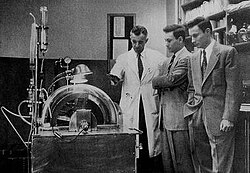
歴史的に見ると、腎移植は他の臓器移植に先駆けて臨床応用されました。その理由は、組織型の判定が比較的容易であること、摘出と移植の手順が確立しやすかったこと、そして万が一失敗しても透析という代替手段が存在したためです。1954年にはジョセフ・マレーらによる世界初の成功例が報告され、マレーはこの功績などで1990年にノーベル生理学・医学賞を受賞しています。
Key Facts
- 主な目的:末期腎不全患者の腎機能を回復させ、透析からの離脱を目指す。
- ドナーの種類:生体ドナー(親族・非親族)と、亡くなった方からの献腎ドナーがある。
- 成功の鍵:免疫抑制剤による拒絶反応の制御と、適切なドナー選定。
- 最新動向:SNSを通じたドナー探しや、異種移植(ブタ腎臓など)の研究が進んでいる。
ドナーの分類と選定基準
移植に使用される腎臓は、提供者の状態によって大きく2つのカテゴリーに分けられます。
1. 生体ドナー(Living Donor)
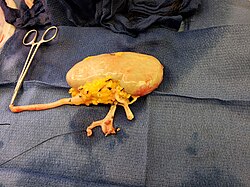
生存している方から提供を受ける方法です。さらに、遺伝的な血縁関係がある「血縁ドナー」と、血縁関係のない「非血縁ドナー」に分かれます。かつては一卵性双生児や親族間での移植が主流でしたが、近年では友人や配偶者、さらには見知らぬ他者からの「利他的ドナー」による移植も行われています。2009年には、SNS(Twitter)を通じてドナーが見つかった事例も報告されています。
2. 献腎ドナー(Deceased Donor)
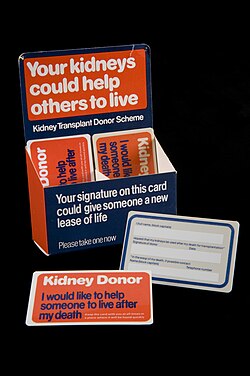
亡くなった方から提供を受ける方法です。これには、脳死判定後の「脳死下提供」と、心停止後の「心停止後提供(DCD)」の2種類があります。かつては拒絶反応の制御が困難でしたが、1964年に拒絶反応を抑制する薬剤が導入されたことで、一般的かつ安全な手法として普及しました。
移植の手順と術後の管理
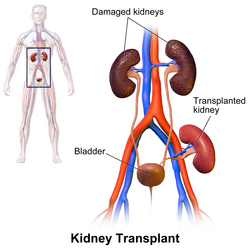
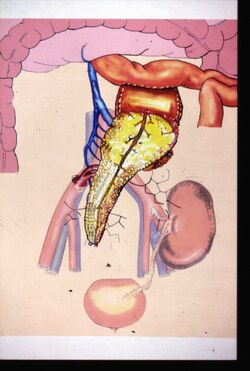
腎移植の手術では、ドナーから摘出した腎臓をレシピエント(受給者)の骨盤腔内に配置し、血管と尿管を接続します。また、糖尿病を併発している場合などは、腎臓と同時に膵臓を移植する「腎膵同時移植」が行われることもあります。
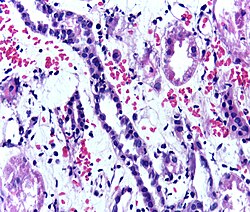
術後の最大の課題は、体が移植された臓器を「異物」とみなして攻撃する拒絶反応の管理です。これを防ぐために免疫抑制剤の服用が不可欠となります。拒絶反応には、超急性、急性、慢性の3段階があり、生検などの検査でリンパ球の浸潤を確認することで診断されます。
合併症と予後
移植後は、手術直後の出血や感染症、血栓症などの外科的合併症に加え、以下のような長期的なリスクが伴います。
- 免疫抑制剤の影響:皮膚腫瘍の発生リスク増加や、電解質バランスの乱れによる骨疾患。
- 腎機能の低下:蛋白尿の出現や高血圧、あるいは元の腎不全の原因疾患の再発。
- 移植腎の喪失:術後1年以内の喪失は技術的要因や血管合併症(約41%)が多く、1年以降は慢性拒絶反応(約63%)が主な原因となります。
世界的な移植実績の傾向
腎移植の実施数は国によって異なります。以下の表は、特定の年における主要国の移植実績をまとめたものです。
| 国名 | 統計年 | 献腎移植数 | 生体移植数 | 合計数 |
|---|---|---|---|---|
| アメリカ | 2020 | 17,583 | 5,234 | 22,817 |
| イギリス | 2020-21 | 1,836 | 422 | 2,258 |
| 日本 | 2010 | 208 | 1,276 | 1,484 |
| カナダ | 2020 | 1,063 | 396 | 1,459 |
| オーストラリア | 2020 | 704 | 182 | 886 |
Frequently Asked Questions
生体ドナーになるための条件はありますか?
ドナー候補者は厳格な評価を受けます。糖尿病、コントロール不良の高血圧、重度の肥満、心肺疾患、がんの既往歴、または腎疾患の家族歴がある場合は、安全性の観点からドナーになれない可能性があります。
移植後の生活で注意すべきことは何ですか?
免疫抑制剤の継続的な服用が最も重要です。また、免疫力が低下するため感染症への注意が必要であり、食事療法による血圧や電解質の管理も推奨されます。
拒絶反応は必ず起こるのでしょうか?
必ず起こるとは限りませんが、リスクは常にあります。急性拒絶反応は薬剤で治療可能な場合が多いですが、慢性拒絶反応は徐々に腎機能が低下するため、定期的な検査による早期発見が重要です。
動物からの移植は可能ですか?
現在、研究が進んでいます。最近では、遺伝子改変したブタの腎臓を生存している人間に移植する試みが行われるなど、ドナー不足を解消するための「異種移植」が医学的なマイルストーンとして注目されています。
References
- Shrestha B, Haylor J, Raftery A (March 2015). "Historical Perspectives in Kidney Transplantation: An Updated Review". Progress in Transplantation. 25 (1). : 64–69. :10.7182/pit2015789. 2164-6708. 25758803. 26032497.
- "International Report on Organ Donation And Transplantation Activities: Executive Summary 2018" (PDF). Global Observatory on Donation and Transplantation. ONT/WHO. October 2020. Archived (PDF) from the original on 21 March 2021. Retrieved 24 March 2021.
- "20 Common Kidney Transplant Questions and Answers". . 19 October 2023. Retrieved 23 March 2024.
- "The Kidney Transplant Waitlist – What You Need to Know". . 19 October 2023. What is the average wait time for a kidney transplant?. Retrieved 23 March 2024.
- Voora S, Adey DB (June 2019). "Management of Kidney Transplant Recipients by General Nephrologists: Core Curriculum 2019". (Core curriculum). 73 (6): 866–879. :10.1053/j.ajkd.2019.01.031. 30981567.
- Chancharoenthana, Wiwat; Traitanon, Opas; Leelahavanichkul, Asada; Tasanarong, Adis (August 22, 2023). "Molecular immune monitoring in kidney transplant rejection: a state-of-the-art review". Frontiers in Immunology. 14 (1206929) 1206929. :10.3389/fimmu.2023.1206929. 37675106.
- "May Transplant the Human Heart" (PDF). . 2 Jan 1908. Retrieved 23 March 2024.
- Matevossian E, Kern H, Hüser N, Doll D, Snopok Y, Nährig J, Altomonte J, Sinicina I, Friess H, Thorban S (Dec 2009). "Surgeon Yurii Voronoy (1895–1961) – a pioneer in the history of clinical transplantation: in Memoriam at the 75th Anniversary of the First Human Kidney Transplantation". (Historical perspective). 22 (12): 1132–1139. :10.1111/j.1432-2277.2009.00986.x. 19874569. 12087935.
- Rietveld, Leslie (17 June 2014). "This Day in Science June 17, 1950 — First Successful Kidney Transplant". Retrieved 23 March 2024.
- "67th anniversary of the world's first kidney transplant". . 17 June 2017. Archived from the original on 29 December 2017.
📸 フォトギャラリー