ニューヨークの心臓部に位置するジュリアード音楽院(The Juilliard School)は、音楽、ダンス、演劇の分野で世界的に最も権威ある私立コンサバトリー(音楽専門学校)の一つです。卓越した技術と芸術性を追求するこの教育機関は、数多くの世界的スターを輩出し、芸術教育の「ゴールドスタンダード」として君臨し続けています。
主要な事実(Key Facts)
- 設立: 1905年(創設者はフランク・ダムロッシュ)
- 所在地: アメリカ合衆国 ニューヨーク市(リンカーンセンター内)
- 教育分野: 音楽、ダンス、演劇の3部門
- 学生数: 約1,028名(プリカレッジ部門 約290名を除く)
- 基金: 13.8億ドル(2021年時点)
- 特徴: 世界的に著名な卒業生と教授陣を擁する超難関校
歩んできた歴史と進化
ジュリアードの歴史は、1905年にフランク・ダムロッシュが設立した「音楽芸術院(Institute of Musical Art)」から始まりました。その後、1926年に現在の名称に近い「ジュリアード音楽院」へと改称され、その名声を確立していきます。
![Frank Damrosch, founder of the Institute of Musical Art, commonly referred to as the "Damrosch School"[8]](/images/80/3c/803cd24cfa28db7c4c758282a304905fe08ce41bcfab4d4671e8ad56e1782cf6.jpg)
初期のキャンパスはマンハッタンのクレアモント・アベニューにあり、多くの才能ある学生たちがここで基礎を築きました。
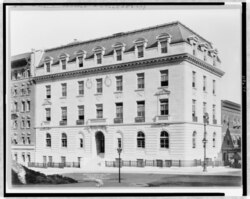
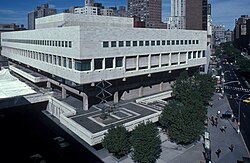
その後、ジョン・アースキンが初代学長に就任し、教育体制の整備が進められました。1969年には、芸術の拠点であるリンカーンセンターへと移転し、現代的な設備を備えた新校舎での教育がスタートしました。

芸術領域の拡大と多様化
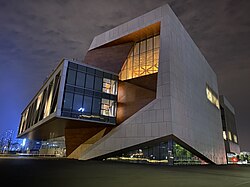
音楽のみならず、1951年にはマーサ・ヒル指導のもとダンス部門が設立され、音楽・振付・ダンスを統合した教育が展開されました。また、演劇部門の開設により、総合芸術大学としての体制が整いました。近年では、2020年に中国の天津に分校を開設し、国際的な教育展開を加速させています。
キャンパスと施設
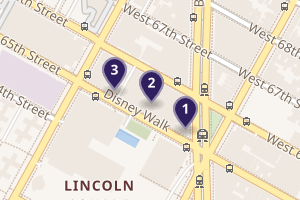
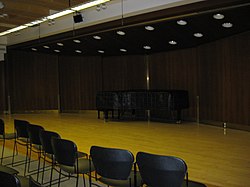
現在のキャンパスは、ニューヨークの都市環境に溶け込んだコンパクトながらも機能的な構成となっています。アリス・タリー・ホールやアイリーン・ダイアモンド・ビルディングなどの主要施設があり、学生たちは最高の環境で練習と公演に励んでいます。
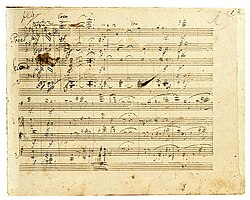
また、学内には貴重な音楽手稿を収蔵する「ジュリアード手稿コレクション」があり、ベートーヴェンの作品などの歴史的資料が保存されています。演奏空間としては、モース・ホールなどの専門的なホールが完備されています。
教育体制と学生の多様性
ジュリアードでは、学部生(BFA/BM)から大学院生(MFA/MM)まで、厳格なオーディションを勝ち抜いた精鋭たちが学んでいます。学生の構成は国際色豊かで、白人(34%)のほか、外国籍(31%)、アジア系(11%)など、世界中から才能が集結しています。
| 項目 | 詳細・数値 |
|---|---|
| 学部生(フルタイム/パートタイム) | 492名 / 114名 |
| 大学院生 | 374名 |
| 女性比率 | 47% |
| 卒業率・保持率 | 94% |
| 授与学位(学部) | 音楽 87 / ダンス 20 / 演劇 9 |
| 授与学位(大学院) | 音楽修士 132 / 演劇修士 8 |
世界を彩る卒業生と教授陣
ジュリアードの最大の誇りは、ここから輩出された伝説的なアーティストたちです。音楽界では、ジャズの巨匠マイルス・デイヴィスや、チェリストのヨーヨー・マ、オペラ歌手のレオンティーン・プライスなどが名を連ねています。
また、演劇・映画界でも、ケビン・クラインやクリスティーン・バランスキー、さらには中退したものの世界的な名声を得たロビン・ウィリアムズやクリストファー・リーヴなど、多才な人材を輩出しています。教授陣にも、イツハーク・パールマンやウィントン・マルサリスといった、現役の世界的権威が名を連ねており、最高水準の指導が行われています。
Frequently Asked Questions
ジュリアード音楽院に入学するにはどうすればよいですか?
非常に競争率の高いオーディションへの合格が必要です。各専攻(音楽、ダンス、演劇)ごとに詳細な出願要件とオーディション日程が定められており、卓越した技術的スキルと芸術的ポテンシャルが審査されます。
音楽以外のコースはありますか?
はい。音楽だけでなく、ダンス部門と演劇部門が設置されており、それぞれの分野で世界トップレベルの教育を提供しています。
海外にキャンパスはありますか?
はい。2020年に中国の天津に「天津ジュリアード音楽院」を開校しました。ここでは音楽修士号(Master of Music)のプログラムが提供されています。
どのような著名人が卒業していますか?
音楽ではヨーヨー・マやマイルス・デイヴィス、演劇・映画ではケビン・クラインやクリスティーン・バランスキーなど、ジャンルを問わず世界的に影響力を持つ芸術家を数多く輩出しています。
学費の支援制度はありますか?
はい。コヴナー・フェローシップなどの奨学金制度や、寄付による支援策が設けられており、特に才能ある学生への経済的サポートが行われています。
References
- During the first decade of the 20th century, there were over forty in the United States. Unlike in Europe, these schools were privately funded, often relied on tuition or donations, and did not receive funding from the government. In the 1850s and 1860s, had provided significant funding and endowment for the (Peabody Conservatory of Music) in Baltimore. This funding included an initial gift of $300,000 and over $1,000,000 donated over twelve years. In 1905, provided the Institute of Musical Art with an endowment of $500,000, the largest single, one-time endowment gift for a music school until that time.
- Damrosch visited several European conservatories to learn about their pedagogy and administration and observed that many lacked discipline or unified instruction. Damrosch wanted to form a school that trained musicians in the technicalities of their instruments and provided a comprehensive musical education with mandatory courses.
- Members of the original faculty included notable figures such as members of the internationally known , , , , , and . The school offered courses in voice culture, ear training, sight-singing, chorus, stringed instruments, organ, theory and composition, orchestral instruments, languages (French, German, Italian), and pedagogy. Walter Damrosch conducted the orchestra and chorus and taught sight-singing, ear training, and pedagogy courses.
- The Juilliard Graduate School's first faculty members included well-known individuals like , , , , , , , and . The school only offered fellowships to select students. However, it did not have a charter until 1930 and was not officially a graduate school. Further, the press heavily criticized the Juilliard Musical Foundation and Eugene Noble for mismanagement of its large endowment, arbitrary policies, and excessive interference in the school.
- Under Ernest Hutcheson, the Juilliard Graduate School developed a strings orchestra and opera program that directed. Several students would go on to perform lead roles at the . The Graduate School attempted to influence the Met and developed the Metropolitan Popular Season that showcased modern American works, but its influence only lasted a few years.
- William Schuman, a graduate from (BS 1935, MA 1937), attended the Juilliard Summer School in 1932, 1933 and 1936. While attending Juilliard Summer School, he developed a personal dislike for traditional music theory and ear training curricula, finding little value in and . When Schuman became president, he brought several new teachers to the school, including violinist , pianist , cellist , and conductor .
- The school had about 1,400 students in 1945, which decreased to 600 students at the end of Schuman's tenure in 1961. After World War II, more than 500 were supported by the .
- The Juilliard Graduate School previously allowed students from Australia to enter the school since the former president Ernest Hutcheson was from Australia. In 1946, about 52 international students enrolled in Juilliard, making up 2 percent of the student population. The two most represented countries were Canada and Australia. In 1950, the percentage of international was 8.5 percent, with many students coming from Israel. Later Japanese and Korean students would make up the most significant portion of internationals.
- The general mandate was "to give the student an awareness of the dynamic nature of the materials of music". The quality and degree of each student's education in harmony, music history, or ear training depended on how each composer-teacher decided to interpret this mandate. In the first couple of years, students from all musical backgrounds would study together and obtain a general survey of music materials and literature. Later years would focus on the literature specific to one's musical instrument or area of study.
- The committee that created the , which included and , wanted to have an educational center at the Lincoln Center. The committee looked at several possibilities, including the Juilliard School of Music, , and , but did not consider the or . The main requirement was that the school should focus on professional and advanced training for performance.
📸 フォトギャラリー