深いバリトンボイスと、社会の底辺に生きる人々への深い共感。ジョニー・キャッシュは、単なるカントリー歌手という枠に収まらない、アメリカ音楽史における象徴的な存在です。彼は音楽を通じて、孤独、後悔、そして救済という普遍的なテーマを歌い上げ、世代やジャンルを超えて愛され続けています。
Key Facts
- 音楽的アイデンティティ:「マン・イン・ブラック(黒衣の男)」として知られ、抑圧された人々への連帯を表現した。
- キャリアの起点:1950年代にサン・レコードからデビューし、カントリーとロックンロールを融合させた。
- 社会活動:刑務所でのコンサートや、リチャード・ニクソン大統領への面会を通じた刑務所改革の提唱など、人権問題に深く関わった。
- 晩年の復活:「アメリカン・レコーディングス」シリーズにより、剥き出しの感情を込めた楽曲で再評価された。
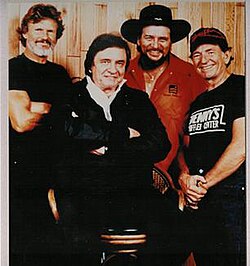
- 伝説的グループ:ウェイロン・ジェニングス、ウィリー・ネルソン、クリス・クリストファーソンと共に「ハイウェイメン」を結成。
原点とサン・レコードでの飛躍
ジョニー・キャッシュの人生の根底には、アーカンソー州ダイエスでの質素な少年時代がありました。1935年から高校卒業までの1950年まで過ごしたこの地での経験が、彼の楽曲に流れる土着的で誠実な精神を形作りました。

1950年代半ば、彼は伝説的なサン・レコードと契約し、音楽界に衝撃を与えます。当時のカントリーミュージックにロックンロールの激しさを取り入れた彼のスタイルは、若者を中心に爆発的な支持を得ました。
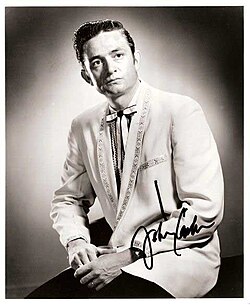
1957年には『Johnny Cash with His Hot and Blue Guitar!』などのアルバムをリリースし、音楽雑誌『Cash Box』の表紙を飾るなど、瞬く間にスターダムへと駆け上がりました。
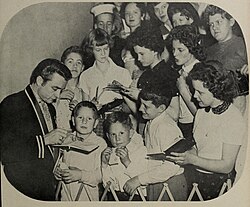
「マン・イン・ブラック」としての信念と活動
キャッシュは単にヒット曲を量産するアーティストではありませんでした。彼は自身のバックバンドである「テネシー・スリー」と共に、音楽を社会的なメッセージを伝える手段として活用しました。
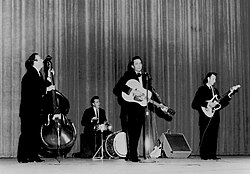
特に、フォールサム刑務所やサンクエンティン刑務所でのライブパフォーマンスは伝説となっており、社会から見捨てられた人々への深い慈しみを示しました。また、1972年にはホワイトハウスを訪れ、リチャード・ニクソン大統領に刑務所改革を直接訴えるなど、政治的なアクションも厭いませんでした。
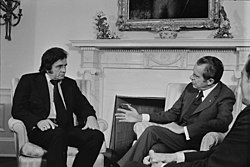
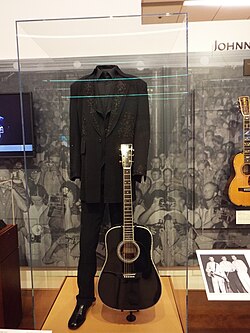
彼の象徴である黒い衣装は、単なるファッションではなく、貧困層や虐げられた人々への連帯を示す「制服」のような意味を持っていました。1969年頃には、そのカリスマ性が頂点に達し、世界的なアイコンとしての地位を確立します。
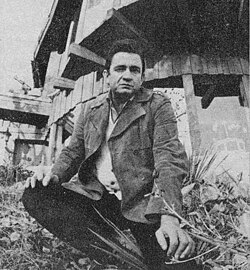
また、彼は音楽的な探究心も旺盛で、西ドイツでの公演など世界各地でパフォーマンスを行い、国境を越えて自身の音楽を届けました。
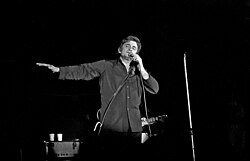
私生活と音楽的パートナーシップ
ジョニー・キャッシュの人生において、ジューン・カーターとの出会いと愛は欠かせない要素です。二人は音楽的なパートナーであると同時に、互いを精神的に支え合う深い絆で結ばれていました。
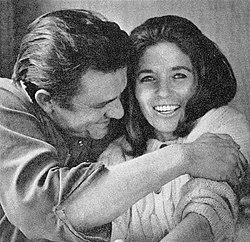
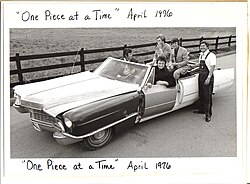
また、彼はユーモア溢れる一面も持っており、「一度に一つの部品ずつ」組み立てられたというユニークなキャデラックを所有していたエピソードは有名です。
1980年代には、カントリー界の巨星たちであるウェイロン・ジェニングス、ウィリー・ネルソン、クリス・クリストファーソンと共にスーパーグループ「ハイウェイメン」を結成し、熟練の音楽性を披露しました。
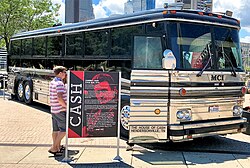
ツアーバスでの過酷な旅を繰り返しながらも、彼は常に現場主義を貫き、軍事イベントなどで海軍兵士と共に歌うなど、常に人々との接点を大切にしました。

晩年の再評価と不滅の遺産
キャリアの後半、キャッシュは「アメリカン・レコーディングス」シリーズを通じて、装飾を削ぎ落としたアコースティックなスタイルへと回帰します。これにより、彼の歌声に宿る人生の重みと孤独がより鮮明に伝わり、新たな世代からも絶大な支持を得ました。
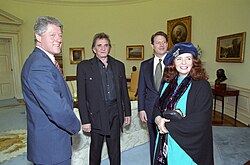
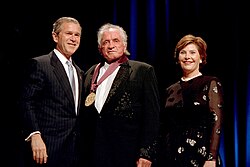
彼は晩年まで政治的・社会的な影響力を持ち続け、ビル・クリントン大統領やジョージ・W・ブッシュ大統領らとも交流し、アメリカ文化の象徴として敬意を払われました。
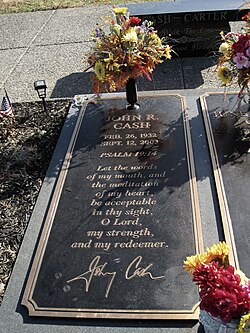
2003年にこの世を去った後、彼の遺志と音楽はテネシー州ヘンダーソンビルのメモリー・ガーデンズに眠っています。また、アリゾナ州の楽器博物館には、彼の愛用したギターや衣装が展示され、後世に伝えられています。
ジョニー・キャッシュの主要キャリアまとめ
| カテゴリー | 主な内容・実績 |
|---|---|
| 代表的なアルバム | 『American Recordings』シリーズ、『Man in Black』 |
| 主要グループ | テネシー・スリー、ハイウェイメン |
| 象徴的な公演 | フォールサム刑務所、サンクエンティン刑務所 |
| 著書 | 『Cash: The Autobiography』など |
| 受賞歴 | AMAアルバム・オブ・ザ・イヤー(2003年)など |
Frequently Asked Questions
「マン・イン・ブラック」とはどういう意味ですか?
ジョニー・キャッシュが好んで着用した黒い衣装のことです。これは単なるスタイルではなく、社会的に疎外された人々や貧しい人々への共感と連帯を示す象徴として彼が選んだ色でした。
ハイウェイメンとはどのようなグループですか?
ジョニー・キャッシュ、ウェイロン・ジェニングス、ウィリー・ネルソン、クリス・クリストファーソンの4人のカントリーミュージックの巨匠が集まったスーパーグループです。
なぜ刑務所でコンサートを行ったのですか?
彼は囚人たちの境遇に深く共感しており、音楽を通じて彼らに希望を与えるとともに、社会に対して刑務所制度の改善や人権の尊重を訴えるためでした。
晩年に高く評価された「アメリカン・レコーディングス」とは何ですか?
派手な演出を排除し、ギター一本と歌声だけで録音されたアルバムシリーズです。人生の酸いも甘いも噛み分けた彼の深い表現力が最大限に引き出され、音楽的な再評価を決定づけました。
ジューン・カーターとはどのような関係でしたか?
音楽的なパートナーであり、後に妻となった女性です。二人は共にステージに立ち、カントリーミュージックの伝統を継承しながら、互いの人生を精神的に支え合いました。
References
- Although Cash's endured over the years, his changed noticeably. Pareles writes: "Through a recording career that stretches back to 1955, Cash's bass-baritone voice has gone from gravelly to grave."
- For Cash, black stage attire was a "symbol of rebellion—against a stagnant status quo, against ... hypocritical houses of God, against people whose minds are closed to others' ideas".
- Schultz refers to this phrase as Cash's "trademark greeting", and places his utterance of this line, on Cash's album, "among the most electrifying [seconds] in the history of concert recording."
- The researchers found Rosanne Cash has 3.3% Sub-Saharan African DNA. On her maternal side, they found enslaved ancestors: her "third great-grand-mother" Sarah A. Shields was born enslaved. Her mother was enslaved, and researchers said she could have been of "full African descent".
- When signed Presley, it had also bought his Sun Records masters, but when Cash departed for Columbia, Phillips retained the rights to the singer's Sun masters. Columbia eventually licensed some of these recordings for release on compilations after Cash's death.
- Other appraisals of Cash's iconic value have been even bolder.
- Urbanski notes that Cash's habit of performing in black attire began in a church. In the following paragraph, he quotes Cash as indicating that this habit was partially reflective of Cash's rebellion "against our hypocritical houses of God.
- According to Urbanski, Cash's self-perception was accurate: "He never intended to be categorized or pigeonholed", and indeed he amassed a "cluster of enigmas" which "was so impenetrably deep that even those closest to him never got to see every part of him".
📸 フォトギャラリー