20世紀の視覚芸術において、ジャン・ジローほど多才で影響力を持った人物は稀でしょう。フランスが生んだこの天才は、「ジロー(Gir)」としての写実的な西部劇スタイルと、「メビウス(Mœbius)」としての前衛的なSF・ファンタジーという、対照的な二つの顔を持っていました。彼の描く線は、単なる物語の挿絵を超え、現代の映画やアニメーション、そしてゲームデザインの根幹を成す美学へと昇華されました。
Key Facts
- 二つの正体:写実的な西部劇を描く「ジロー」と、幻想的な世界を創造する「メビウス」として活動。
- 代表作:西部劇の金字塔『ブルーベリー』や、SFの傑作『インカル』など。
- 世界的影響:サイバーパンクの先駆者ウィリアム・ギブソンや、宮崎駿監督ら多くのクリエイターに影響を与えた。
- 多岐にわたる活動:漫画のみならず、映画のコンセプトアートやビデオゲームのデザインにも参画。
- 最高栄誉:フランスの芸術文化功労者である「芸術・文学勲章」のシュヴァリエを受章。
二面性の芸術:ジローとメビウス
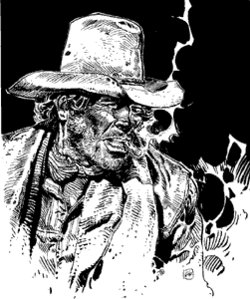
ジャン・ジローのキャリアは、厳格な写実主義と自由な想像力の往復でした。1960年代から彼を象徴する作品となったのが、ジャン=ミシェル・シャルリエと共に作り上げた『ブルーベリー』です。当初は古典的な西部劇の形式に従っていましたが、次第に泥臭く、よりリアリズムを追求したスタイルへと進化させました。
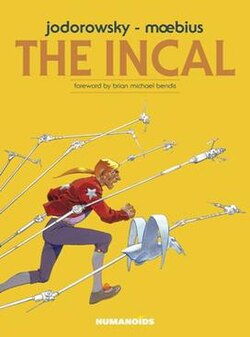
一方で、彼は「メビウス」というペンネームを用いて、精神的な探求や超現実的な世界観を追求しました。雑誌『メタル・ユルラン(Métal Hurlant)』の創刊に携わり、そこで発表された『アルザック』や『インカル』などの作品は、緻密な線描と大胆な空間構成で、世界中の読者に衝撃を与えました。
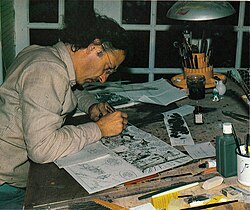
この「ジロー」としての職人的な技術と、「メビウス」としての前衛的な感性が融合したことで、彼の作品は単なる娯楽を超え、純粋芸術としての評価を確立していったのです。
映画・ゲームへの浸透と視覚的遺産
メビウスの想像力は紙の上にとどまりませんでした。彼の独創的なビジュアルコンセプトは、多くの映画監督やデザイナーにとっての「聖典」となりました。特にSF映画における都市設計や衣装デザインへの影響は絶大であり、そのスタイルは現代のサイバーパンク作品の至る所に見ることができます。
また、ビデオゲーム業界においても、彼の描く異世界の風景やクリーチャーのデザインは多くの作品にインスピレーションを与え、直接的なデザイン協力を行うこともありました。彼の仕事は、物語を説明するための絵ではなく、見る者の想像力を刺激し、新しい世界を提示する装置だったと言えます。
世界的な評価と日本との深い縁
メビウスの評価はフランス国内にとどまらず、世界的な現象となりました。イタリアの映画監督フェデリコ・フェリーニは、彼を歴史的な版画家ギュスターヴ・ドレ以上に重要であると称賛し、多くの作家やアーティストが彼を「時代の先駆者」として敬愛しました。
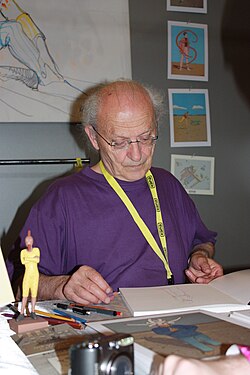
特に日本との関係は深く、宮崎駿監督をはじめとするアニメーターたちに多大な影響を与えました。2008年にはパリのジャパンエキスポに招待され、日本のマンガやアニメーションへの貢献が認められた特別なブースが設けられるなど、文化の架け橋としての役割も果たしました。
ジャン・ジローの足跡まとめ
| 項目 | 詳細 |
|---|---|
| 活動名 | ジャン・ジロー(Gir)、メビウス(Mœbius) |
| 主なジャンル | 西部劇、SF、ファンタジー、コンセプトアート |
| 代表的な作品 | 『ブルーベリー』、『インカル』、『アルザック』、『エデナの世界』 |
| 主な受賞歴 | アングレーム国際漫画祭最優秀フランス人アーティスト賞、芸術・文学勲章シュヴァリエ |
| 後世への影響 | サイバーパンク美学の確立、現代SF映画の視覚設計 |
Frequently Asked Questions
ジローとメビウスの違いは何ですか?
基本的には同一人物ですが、使い分けられていました。「ジロー」は主に『ブルーベリー』のような写実的で伝統的なスタイルを用いる際に使用され、「メビウス」はSFやファンタジーなど、より自由で実験的な表現を行う際に使用されたペンネームです。
どのような作品から読み始めるのがおすすめですか?
西部劇の重厚なドラマを好むなら『ブルーベリー』を、圧倒的な視覚体験とSF的な世界観に浸りたいなら『インカル』や『アルザック』から入ることをおすすめします。
映画業界にどのような影響を与えましたか?
彼の描く緻密な背景や独創的な衣装デザインは、多くのSF映画のコンセプトアートに採用されました。特に空間の捉え方やディテールの描き方は、現代のSF映画の視覚的なスタンダードを作る一助となりました。
日本のアニメーションとの関係は?
宮崎駿監督をはじめとする日本のクリエイターたちが、彼の空間構成や線描の美しさに強く影響を受けています。彼自身も日本のマンガ文化を高く評価しており、相互に影響し合う関係にありました。
彼に捧げられた特別な記念碑などはありますか?
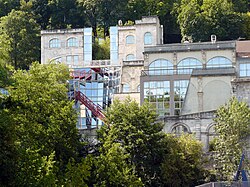
フランスの国立漫画美術館(Cité nationale de la bande dessinée et de l'image)の敷地内には、彼に敬意を表して名付けられた「Vaisseau Mœbius(メビウス号)」という建築物が存在します。また、小惑星109435番にも彼の名が冠されています。
References
- "On his part in the uprising at Pilote Giraud said in 1974, 'It was shit, absolute shit ... ! I got ulcers at the publisher, they behaved horribly. They are all – and I weigh my words carefully – pigs and assholes. The way they treated their artists – who provided them with their bread and butter in the first place – was despicable, inexcusable. There was no social insurance, no retirement plans, etc. I know people who wound up in unbearable circumstances, who were fired and ended up in dire straits ... It was not a particularly bright thing to do on the publisher's part, they should have nurtured their stable of artists instead, if only for strategic reasons. In May '68 we, together with the union, convened a meeting to which we invited the responsible editors. But it was only Goscinny who showed up. There he stood, entirely alone, before an agitated mob who went after him, instead of conducting a dialog, discussing the problems. I was one of them, and ripped into him mercilessly. He was previously led to believe in private, that we all could come to some sort of arrangement together, and now he had to take all this abuse. There were even some guys who called him names and threatened him. Goscinny really found himself in an awful situation. He took it very hard, and I can not blame him, it was simply unjustified. I believe that he has never been able to put it behind him ... We demanded answers, proposals, improvements from him. But you cannot expect that from a man like Goscinny: Every attack hurt him deeply, had him choking on it, had him freeze ... Ever since, Goscinny distrusted his co-workers, especially me, because I was the only representative of the Pilote team, whose interests I represented.'"
- "On the impression Castaneda had left on him Giraud stated in 1975, "Alejandro gave me these books, and the reading was a great shock, a monumental shock. I was captivated, I discovered another life, a new way of thinking. It of course already landed in fertile ground, but because of Jodorowsky, all the more so. It was his way, by giving me these books, to influence me. One influences each other in daily work, one disagrees with each other. But with these books, he hit the nail on the head, these texts moved me to the core! And I let myself be affected. I find myself in a curious phase ... I believe I'm on a turning point in my life. I experienced something similar when I read "" by : I could then accept much of what I suppressed until then, or did not even acknowledge, even if they were fundamental truths in reality. In Castaneda's books, reality is constantly questioned – and that's shocking, earth-shattering. The same experience is possibly experienced when one reads the early Christian texts, or some other mystic text: Enlightenment can be found through anything, through , even. I found it through Castaneda.
- While the Blueberry authors have always treated Native-Americans with sympathy in their series, it was in the last series outing of 2007, "Apaches", that Giraud took his most outspoken stance in regard to the plight of Native-Americans. In the album – composed from Blueberry's recollection segments as featured in the five-volume OK Corral story-arc – Geronimo's son Dust is captive of the whites and imprisoned in a , headed by a misguided and puritanical parson, who ruthlessly tries to "civilize" his wards. Blueberry manages to free Dust and return him to his father, whereas the parson's sympathetic daughter is killed in the process, presented as a thinly veiled moral punishment for her father's wrongdoings. Though an anachronism in the comic, the boarding school is clearly patterned after the historical , where into white society was attempted, also referred to by outspoken activists as "", and the story stands out as Giraud's most outspoken condemnation in his main body of work of the white American's attempts to snuff out Native-American culture.
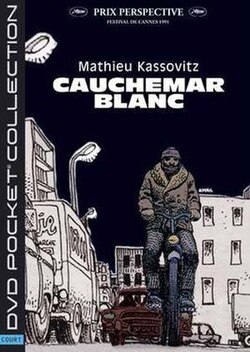
- On the inspiration for "The Word of Chief Seattle" Giraud has stated in 1989, "Through a book from a young woman, Jeanine Fontaine, who had lived with Pilipino warriors. She cited the speech, as she was very touched by it. When I read it, it awoke an ancient anger within me, [the same anger as "Cauchemar Blanc" twenty years earlier], absolutely the same anger, the same outrage. And this is the extent of my political engagement. I take an emotional stance, when I'm deeply moved. Then I am unable to suppress the impulse to create a pamphlet!"
- "Appel-Guéry encouraged Mœbius to tap into the more positive zones of his subconscious. 'Most of the people that were studying spirituality with Appel-Guéry did not know much about comics, but they immediately picked on the morbid, and overall negative feelings that permeated my work,' said Moebius. 'So I began to feel ashamed, and I decided to do something really different, just to show them that I could do it.'"
📸 フォトギャラリー