Stewart (left), Joshua Logan (center) and Marshall Dana rehearse for their "Drinking Song" number at the Triangle Club, 1930
← ホームへ戻る

ジェームズ・ステュアート誠実さと深みを体現したハリウッドの至宝

🗓 2026年8月15日

映画史において、ジェームズ・ステュアートほど「誠実なアメリカ人」というイメージを完璧に体現した俳優はいないでしょう。親しみやすい風貌と独特の話し方で観客の心を掴んだ彼は、単なるスターに留まらず、時代と共にその演技の幅を広げ、人間の内面の葛藤や孤独をも描き出した稀有な表現者でした。

Key Facts

  • アカデミー賞主演男優賞を『フィラデルフィア・ストーリー』で受賞。
  • 軍歴:第二次世界大戦中にパイロットとして従軍し、フランス解放への貢献でクロワ・ド・ゲール勲章を受章。
  • 名監督との絆:フランク・キャプラ、アルフレッド・ヒッチコック、アンソニー・マンらと数々の傑作を製作。
  • キャリアの転換:戦後は、それまでの快活な役柄から、西部劇などのダークで複雑なキャラクターへと移行。

舞台から銀幕へ:キャリアの黎明期

ステュアートの芸能活動は舞台から始まりました。1930年代初頭、彼はトライアングル・クラブなどの活動を通じて演技の基礎を築き、その後ブロードウェイへと進出します。
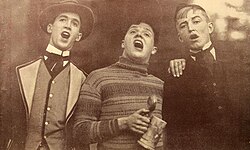
Stewart (left), Joshua Logan (center) and Marshall Dana rehearse for their "Drinking Song" number at the Triangle Club, 1930

1934年の舞台『イエロー・ジャック』での主演は批評家から高く評価され、彼の才能を世に知らしめるきっかけとなりました。その後、映画界へと足を踏み入れ、当初は端役や脇役を数多くこなしましたが、次第にその存在感を増していきます。
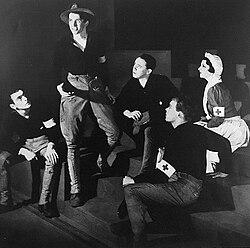
Stewart in Yellow Jack, in which he starred on Broadway in 1934 and which garnered him critical praise.

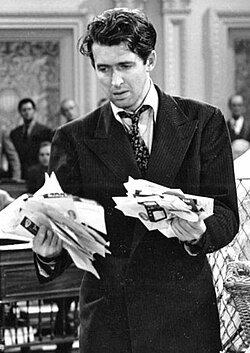
1930年代後半になると、彼は映画界の主役に登り詰めます。特にフランク・キャプラ監督との出会いは決定的で、『スミス都へ行く』などの作品を通じて、正義感に溢れ、時に不器用ながらも真っ直ぐな青年像を確立しました。
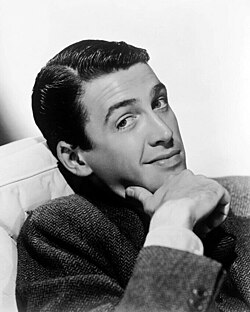
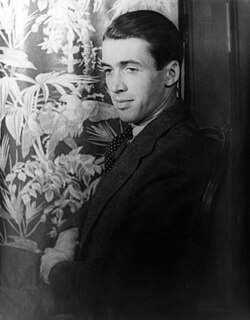
Stewart in the 1930s
1931 portrait

また、ラジオ放送への出演や、ロザリンド・ラッセルらとの共演を通じて、コメディからドラマまで幅広いジャンルでその名を馳せていきました。
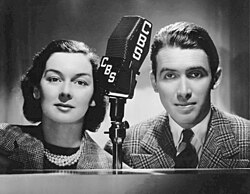
Rosalind Russell and Stewart at CBS Radio in 1937
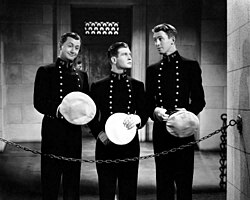
Robert Young, Tom Brown, and Stewart in Navy Blue and Gold (1937)

黄金期の成功と軍への献身

1930年代末から40年代初頭にかけて、ステュアートはハリウッドのトップスターとしての地位を固めます。マーガレット・サリヴァンとの共演作や、キャプラ監督作への出演が続き、彼の人気は絶頂に達しました。
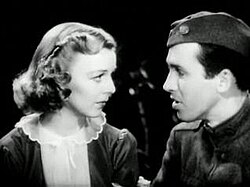
Stewart and Sullavan sitting close and looking into each other's eyes
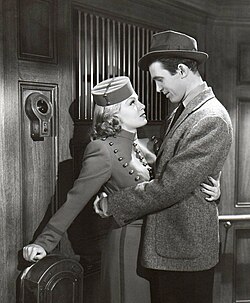
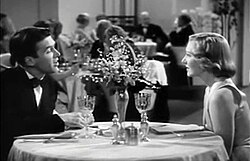
Stewart and Jean Arthur in Frank Capra's You Can't Take It with You (1938)
James Stewart in Mr. Smith Goes to Washington (1939)

1940年の『フィラデルフィア・ストーリー』では、その卓越した演技が認められ、唯一のアカデミー主演男優賞に輝きました。しかし、名声の絶頂にあった彼は、第二次世界大戦の勃発に伴い、軍への入隊を決意します。
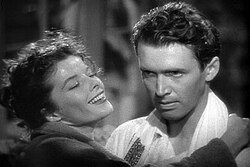
Katharine Hepburn and Stewart in The Philadelphia Story (1940), for which he won his only Academy Award for Best Actor
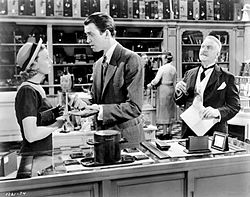
Margaret Sullavan and Stewart in their third collaboration, The Shop Around the Corner (1940)
The Mortal Storm (1940)
Lana Turner and Stewart in Ziegfeld Girl (1941)

1941年から1947年にかけて、彼は陸軍航空軍(後の空軍)のパイロットとして実戦に従事しました。その勇敢な行動は高く評価され、フランス政府からクロワ・ド・ゲール勲章を授与されるという、俳優としては異例の軍歴を歩みました。
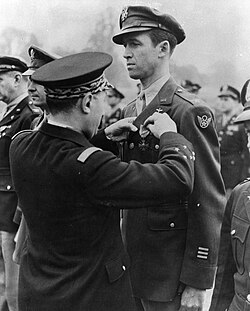
A military officer pinning an award to Stewart's decorated military jacket, among other uniformed soldiers

戦後の変貌:深まる人間ドラマと新境地

戦後復帰したステュアートは、以前のような「純朴な青年」という枠に収まりませんでした。1946年の『素晴らしき人生』は、公開当時は緩やかな成功に留まったものの、後に彼の代名詞となる不朽の名作となりました。
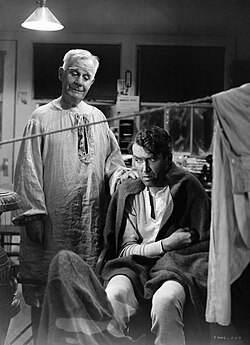
Travers stands behind a seated Stewart putting his hand on Stewart's shoulder
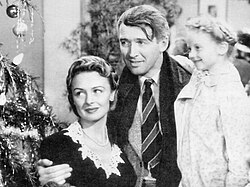
Stewart, Donna Reed and Karolyn Grimes in It's a Wonderful Life (1946)

1950年代に入ると、彼はアルフレッド・ヒッチコック監督やアンソニー・マン監督との協働を通じて、自身のパブリックイメージを大胆に塗り替えます。ヒッチコック作品では、表面的な平穏の裏に潜む不安や強迫観念を演じ、観客に新たな衝撃を与えました。
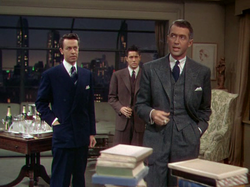
Stewart with Farley Granger and John Dall in Rope (1948), his first collaboration with Alfred Hitchcock. He was criticized for being miscast in the role of a cynical professor.
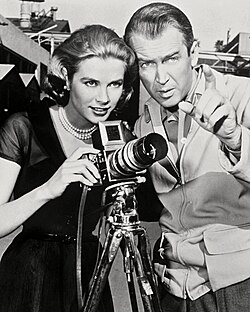
Stewart with co-star Grace Kelly in Rear Window (1954), which allowed him to explore new depths of his screen persona
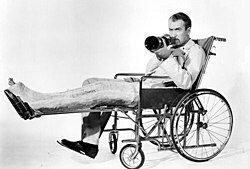
Stewart as news photographer Jeffries in Rear Window (1954)
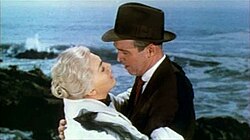
Stewart's last collaboration with Hitchcock was Vertigo (1958), in which he co-starred with Kim Novak.

同時に、アンソニー・マン監督とのタッグにより、西部劇のスターとしても再定義されました。それまでの明るいキャラクターではなく、復讐心や孤独に苛まれる、より複雑で影のある人物像を追求したのです。
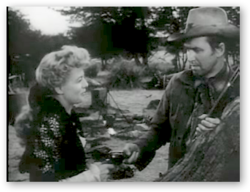
Stewart with Shelley Winters in Winchester '73, his first project with Anthony Mann. In the 1950s, Stewart redefined his career as a star of Western films.
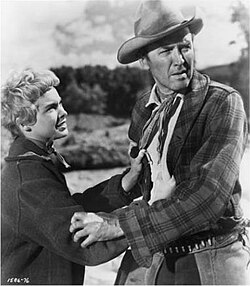
Janet Leigh and Stewart in Anthony Mann's The Naked Spur (1953)
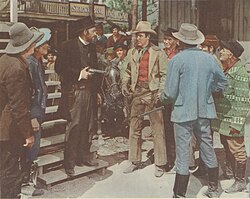
John McIntire and Stewart in The Far Country (1955)

晩年と不滅のレガシー

キャリア後半、彼は法廷劇『証拠』などで再び高い評価を受け、アカデミー賞へのノミネートも果たしました。その後は徐々に映画から離れ、テレビドラマへの出演や準引退状態に入りますが、その影響力は衰えることがありませんでした。
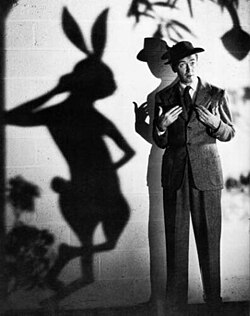
Stewart in Harvey (1950), the only film for which he received both an Academy Award nomination and a Golden Globe nomination
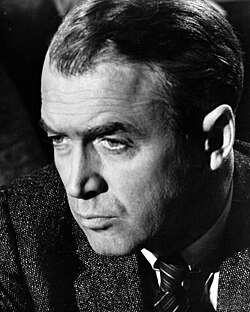
A Black and white closeup image of Stewart with an intense facial expression
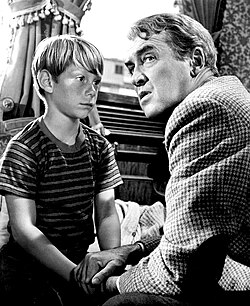
With Bill Mumy in Dear Brigitte (1965)
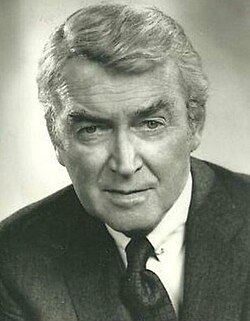
A sepia-toned headshot of a silver-haired Stewart in a suit

軍人としても生涯現役であり続け、空軍准将まで昇進しました。1991年にこの世を去るまで、彼は公私ともに誠実な人生を歩み、アメリカの象徴的な人物として敬愛され続けました。
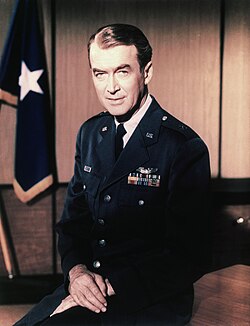
Brigadier General James Stewart, circa 1968
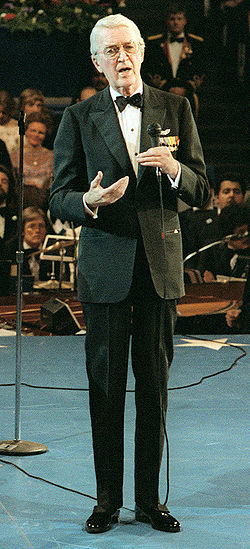
An elderly Stewart standing in a tuxedo on a stage, holding a microphone

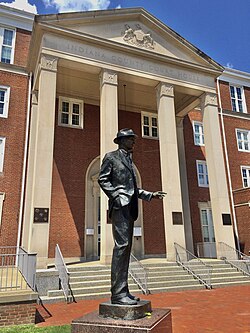
現在、彼の故郷であるペンシルベニア州インディアには彼の像が建てられ、ハリウッドのウォーク・オブ・フェームにもその名が刻まれています。彼が残した作品群は、今なお世界中の人々に勇気と感動を与え続けています。
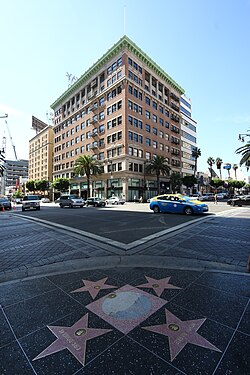
Hollywood Walk of Fame star at Hollywood and Vine (background Broadway Hollywood Building)
Stewart's statue at his hometown of Indiana, Pennsylvania
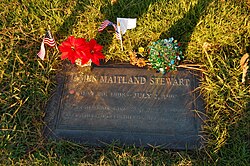
A flat, bronze grave marker surrounded by grass and decorated with flowers and small American flags

作品・経歴まとめ

ジェームズ・ステュアートのキャリア概要
期間/時代 主な活動・特徴 代表作・出来事
1930年代 舞台から映画へ転身。誠実な青年役で人気を博す。 スミス都へ行く、フィラデルフィア・ストーリー
1941年〜1947年 軍への入隊。パイロットとして従軍し勲章を受章。 空軍准将への昇進(後の経歴)
1940年代後半 戦後復帰。人間ドラマへの深化。 素晴らしき人生
1950年代 ヒッチコック、マン監督作品でダークな役柄に挑戦。 裏窓、めまい、ウィンチェスター'73
1960年代以降 西部劇への傾倒とテレビ出演、準引退へ。 リバティ・バレンスを撃った男

Frequently Asked Questions

ジェームズ・ステュアートが最も高く評価された作品は何ですか?

作品によって評価が分かれますが、アカデミー賞主演男優賞を受賞した『フィラデルフィア・ストーリー』や、後世に絶大な影響を与えた『素晴らしき人生』、そしてヒッチコック監督の『裏窓』などが代表的な傑作として挙げられます。

彼はなぜ戦後に演技スタイルを変えたのでしょうか?

第二次世界大戦での過酷な実戦経験が、彼の精神的な成熟と視点の変化をもたらしたと考えられています。その結果、戦前の純朴なイメージから、より複雑で苦悩する大人の男性像を演じられるようになりました。

軍歴についてどのような功績がありましたか?

彼は単なる形式的な入隊ではなく、実際にパイロットとして前線で戦いました。特にフランス解放への貢献が認められ、フランスの最高軍事勲章の一つであるクロワ・ド・ゲール勲章(パーム付き)を授与されています。

アルフレッド・ヒッチコック監督とはどのような関係でしたか?

二人は非常に強力なパートナーシップを築きました。『縄』『裏窓』『めまい』などの作品を通じて、ステュアートはヒッチコックが求める「内面に闇を抱えた人物」を完璧に演じ、俳優としての新たな地平を切り拓きました。

彼のキャリアにおける西部劇の重要性は?

1950年代にアンソニー・マン監督と組んだことで、ステュアートは西部劇のスターへと変貌しました。これにより、彼は「いい人」という固定観念を打破し、ハードボイルドな演技スタイルを確立することができました。

References

  1. Stewart later confided that he had a "friend" operating the weight scales on his second and successful enlisting attempt.
  2. While leading the 445th on this date, Stewart made a decision in combat to not break formation from another group that had made an error in navigation. The other group lost four bombers in a subsequent interception, but Stewart's decision possibly saved it from annihilation and incurred considerable damage to his own 48 aircraft. His decision resulted in a letter of commendation and promotion to major on January 20, 1944. and used the episode in their novel 12 O'Clock High.
  3. The company later became the subject of a case (1990).
  4. There are several claims that President promoted Stewart to the honorary rank of in May 1985 at the same time as awarding his Medal of Freedom, but this is unsupported by evidence, as there was no legislative authorization for such a promotion, the record of the Medal of Freedom presentation at the Reagan Library contains no mention of a promotion, and the video of the presentation contains no promotion.
  5. Stewart's emotional speech hinted that something was seriously wrong, and the next day newspapers ran the headline, "Gary Cooper has cancer." One month later, on May 13, 1961, six days after his 60th birthday, Cooper died.
  6. The reference does not mention the second set of dates, or that created the role.

📸 フォトギャラリー

Stewart (left), Joshua Logan (center) and Marshall Dana rehearse for their "Drinking Song" number at the Triangle Club, 1930
Stewart in Yellow Jack, in which he starred on Broadway in 1934 and which garnered him critical praise.
Robert Young, Tom Brown, and Stewart in Navy Blue and Gold (1937)
Stewart and Jean Arthur in Frank Capra's You Can't Take It with You (1938)
James Stewart in Mr. Smith Goes to Washington (1939)
Margaret Sullavan and Stewart in their third collaboration, The Shop Around the Corner (1940)
Katharine Hepburn and Stewart in The Philadelphia Story (1940), for which he won his only Academy Award for Best Actor
A military officer pinning an award to Stewart's decorated military jacket, among other uniformed soldiers
Travers stands behind a seated Stewart putting his hand on Stewart's shoulder
Stewart with Farley Granger and John Dall in Rope (1948), his first collaboration with Alfred Hitchcock. He was criticized for being miscast in the role of a cynical professor.
Stewart with Shelley Winters in Winchester '73, his first project with Anthony Mann. In the 1950s, Stewart redefined his career as a star of Western films.
Stewart in Harvey (1950), the only film for which he received both an Academy Award nomination and a Golden Globe nomination
John McIntire and Stewart in The Far Country (1955)
Stewart with co-star Grace Kelly in Rear Window (1954), which allowed him to explore new depths of his screen persona
Stewart's last collaboration with Hitchcock was Vertigo (1958), in which he co-starred with Kim Novak.
A Black and white closeup image of Stewart with an intense facial expression
With Bill Mumy in Dear Brigitte (1965)
A sepia-toned headshot of a silver-haired Stewart in a suit
Stewart and Sullavan sitting close and looking into each other's eyes
Stewart in the 1930s
Brigadier General James Stewart, circa 1968
An elderly Stewart standing in a tuxedo on a stage, holding a microphone
A flat, bronze grave marker surrounded by grass and decorated with flowers and small American flags
Lana Turner and Stewart in Ziegfeld Girl (1941)
Stewart as news photographer Jeffries in Rear Window (1954)
Janet Leigh and Stewart in Anthony Mann's The Naked Spur (1953)
1931 portrait
Rosalind Russell and Stewart at CBS Radio in 1937
Stewart, Donna Reed and Karolyn Grimes in It's a Wonderful Life (1946)
The Mortal Storm (1940)
Hollywood Walk of Fame star at Hollywood and Vine (background Broadway Hollywood Building)
Stewart's statue at his hometown of Indiana, Pennsylvania