20世紀のサイエンスフィクション(SF)というジャンルを語る上で欠かせない人物が、ジャック・ウィリアムソン(John Stewart Williamson)です。「SFの長老(Dean of Science Fiction)」と称えられた彼は、1920年代から21世紀まで、驚異的な長さのキャリアを通じて想像力の限界に挑み続けました。単なる作家に留まらず、現代科学の先駆けとなる概念を物語の中で提示した先見の明を持つ人物でもありました。
Key Facts
- SFの先駆者: 20歳でデビューし、98歳で没するまで約80年間にわたり執筆活動を続けた。
- 用語の創出: 1951年の作品『Dragon's Island』において、「遺伝子工学(genetic engineering)」という言葉を世界で初めて使用したとされる。
- 技術的予見: 1947年に、後にNASAが実現させる「イオン推進機(ion thruster)」の概念を物語に組み込んだ。
- 学術的貢献: イースタン・ニューメキシコ大学(ENMU)の教授を務め、世界有数のSFコレクションを構築した。
作家としての歩みとパルプ時代の躍進
ウィリアムソンの創作への情熱は幼少期に遡ります。兄弟に物語を聞かせていた少年時代を経て、1926年にヒューゴー・ガーンズバックが創刊した雑誌『アメイジング・ストーリーズ』に出会ったことが彼の運命を決定づけました。1928年、わずか20歳で処女作「The Metal Man」が同誌の表紙を飾り、作家としての第一歩を踏み出しました。
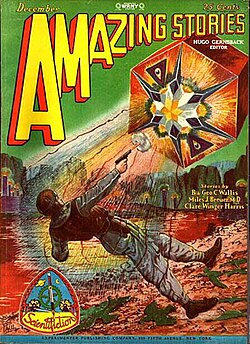
初期の作品は、A.メリットのような幻想的なシリアル小説の影響を強く受けており、鮮烈なイメージが散りばめられていたのが特徴です。その後も『サイエンス・ワンダー・ストーリーズ』や『エア・ワンダー・ストーリーズ』といった当時のパルプマガジンで多くの作品を発表し、急速にその名を広めていきました。
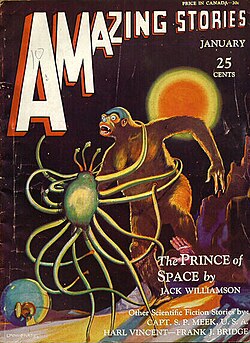
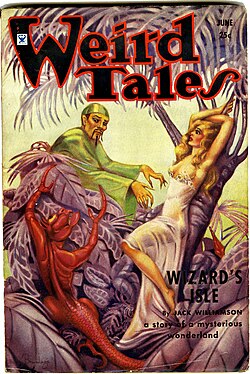
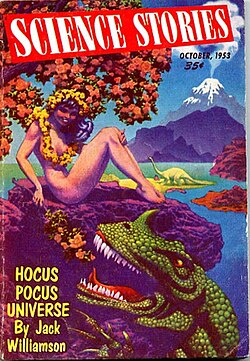
1930年代に入ると、彼の作品はさらに多様性を増します。宇宙を舞台にした壮大な物語から、奇妙な世界観を持つ作品まで、多くの物語が主要誌のカバーを飾りました。
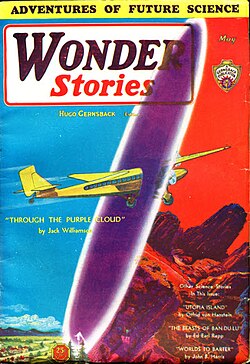
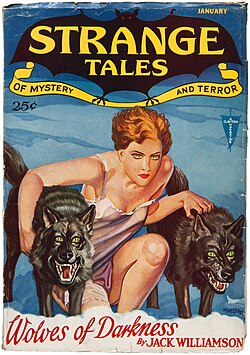
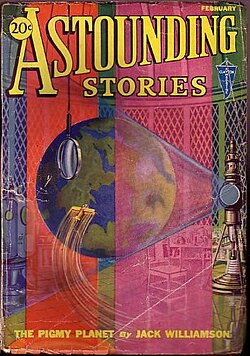
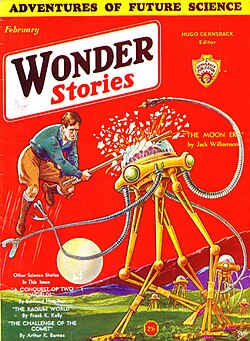
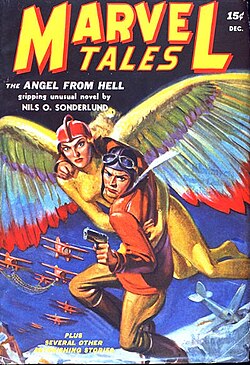
また、彼は本名のほか、「ウィル・スチュアート」や「ニルス・O・ソンデルルンド」といったペンネームを使い分け、異なる作風やジャンルへの挑戦を試みていました。
科学的先見性と文学的遺産
ウィリアムソンの特筆すべき点は、現実の科学技術が到達する前に、その概念をフィクションの中で提示したことです。前述の「遺伝子工学」という造語や、1964年にNASAがテストし、1998年に実用化した「イオン推進機」のアイデアなどがその代表例です。彼の想像力は、単なる空想ではなく、未来の科学への道標となっていました。
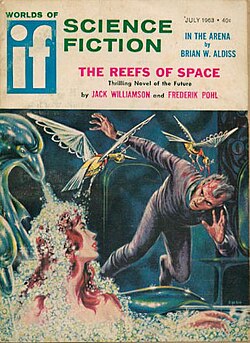
また、フレデリック・ポールとの共作による『The Reefs of Space』などのシリーズ作品では、スペースオペラの金字塔を打ち立てました。
教育者としての顔と後世への貢献
執筆活動と並行して、ウィリアムソンは学問の道にも精進しました。1950年代にイースタン・ニューメキシコ大学(ENMU)で英文学の学士号および修士号を取得し、1960年からは同大学の教授として教鞭を執りました。
彼は自身の私蔵本や原稿を大学図書館に寄贈し、「ジャック・ウィリアムソンSFライブラリー」を設立しました。ここは現在、世界的に見ても最高峰のSFコレクションの一つとして知られています。さらに、文学・芸術誌『El Portal』の出版基金を設立し、毎年著名な作家を招く「ジャック・ウィリアムソン講義シリーズ」を主催するなど、次世代の表現者を育成することに尽力しました。大学内には彼の名を冠したリベラルアーツビルが建てられ、その精神は今も受け継がれています。
主要作品のまとめ
| カテゴリー/シリーズ | 代表作 | 特徴・備考 |
|---|---|---|
| Legion of Space シリーズ | The Legion of Space, The Cometeers | 壮大なスケールのスペースオペラ |
| Humanoids シリーズ | With Folded Hands, The Humanoids | 人間らしさと機械的な管理社会を問う |
| Seetee シリーズ | Seetee Shock, Seetee Ship | ウィル・スチュアート名義で執筆 |
| 共作(F.ポール等) | The Reefs of Space, Undersea Trilogy | 共同執筆による多様な世界観の構築 |
| 単独小説 | The Prince of Space, Terraforming Earth | 初期の傑作から晩年の受賞作まで |
Frequently Asked Questions
ジャック・ウィリアムソンが「SFの長老」と呼ばれる理由は?
1928年のデビューから2006年に亡くなるまで、約80年という極めて長い期間にわたって第一線で執筆を続け、SFというジャンルの黎明期から現代までを見届けた先駆者であるためです。
彼が創出したと言われる重要な用語は何ですか?
1951年の小説『Dragon's Island』の中で、「遺伝子工学(genetic engineering)」という言葉を初めて使用したとされており、この用語は後に科学的な一般用語として定着しました。
どのような科学的予測を作品に盛り込みましたか?
1947年の作品で「イオン推進機(ion thruster)」の概念を導入しました。これは実際にNASAによって開発され、現代の宇宙探査機などで日常的に利用される技術となっています。
晩年まで執筆活動を続けていたというのは本当ですか?
はい。98歳で亡くなる直前の2005年にも、320ページに及ぶ長編小説『The Stonehenge Gate』を出版しており、生涯を通じて創作への情熱を失いませんでした。
大学での活動にはどのような影響がありましたか?
イースタン・ニューメキシコ大学に膨大なSFコレクションを寄贈し、専門のライブラリーを設立したほか、講義シリーズの創設や学術誌の支援を通じて、SFの学術的な価値を高めることに貢献しました。
References
- Jack Williamson at the (ISFDB). Retrieved 2013-03-24.
- Isaac Asimov's Science Fiction Magazine, November 1979, editorial "The Dean of Science Fiction" by Isaac Asimov, page 6.
- "Jack Williamson, Greg Bear: Two SFWA pillars honored with 2006 Heinlein Award" Archived 2006-09-24 at the . Pressbook. Retrieved 2007. []
- Williamson, Jack. Wonder's Child: My Life in Science Fiction (Benbella Books, 2005)
- . "Jack Williamson: Four-Way Pioneer". Amazing Stories, October 1964.
- "Galaxy Bookshelf", , December 1967, p. 190.
- Isaac Asimov, In Memory Yet Green, Chapter 20, section 7
- Goulart, Ron (January 1987). "Sci Fi Funnies Part IV". . No. 51. Movieland Publishing. pp. 47–48.
-
Fox, Margalit (November 14, 2006). "Jack Williamson, 98, an Author Revered in Science Fiction Field, Dies". . Archived from the original on 2022-06-06. Retrieved 2011-03-17.
In 1985, Mr. Williamson received a Hugo Award for his memoir, 'Wonder's Child: My Life in Science Fiction' (Bluejay Books, 1984). His 2001 novella 'The Ultimate Earth' won a Hugo, given by the World Science Fiction Society, and a Nebula Award, given by the .
- Science Fiction Studies - An Interview with Jack Williamson
📸 フォトギャラリー