20世紀の文学界において、科学的知性と想像力をこれほどまでに見事に融合させた作家は他にいないでしょう。アイザック・アシモフは、単なるSF作家の枠を超え、天文学や化学、歴史など多岐にわたる分野で膨大な著作を残した「知の百科事典」のような人物でした。彼の作品は、現代のロボット工学やAIの概念にまで影響を与え続けています。
Key Facts
- 多才な執筆活動:SF小説だけでなく、科学解説書、歴史書、聖書ガイドなど、あらゆるジャンルで執筆。
- 代表作:『ファウンデーション』シリーズや『アイ, ロボット』など、SFの古典的名作を多数創出。
- 主要受賞歴:ヒューゴ賞、ネビュラ賞、ローカス賞など、SF界の最高賞を総なめに。
- 科学への貢献:複雑な科学的概念を一般向けに分かりやすく解説し、科学普及に尽力した。
- 不朽の名声:その功績を称え、小惑星(5020 Asimov)や火星のクレーターにその名が刻まれている。
SF文学への革命的なアプローチ
アシモフの文体は、装飾を削ぎ落とした極めてシンプルで明快なものであることが特徴です。彼は物語の情緒的な描写よりも、論理的な構成やアイデアの展開を重視しました。この「飾り気のない」スタイルこそが、読者に科学的な説得力を与え、物語への没入感を高める要因となりました。
特に、ロボットを単なる「怪物」ではなく、論理的な制御下にある「道具」として描いた視点は画期的でした。彼の描く世界観は、後の多くの作家や映画製作者に影響を与え、現代のSFの基礎を築いたと言っても過言ではありません。
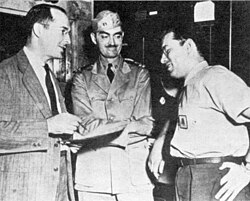
時代を彩った名作群
アシモフのキャリアは、雑誌への寄稿から始まりました。1951年には『ギャラクシー』誌で連載された作品が後に『星の塵(The Stars Like Dust)』として書籍化され、1953年には『鋼鉄都市(The Caves of Steel)』が表紙を飾るなど、当時のSFシーンの中心的役割を担っていました。
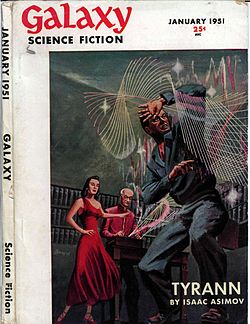
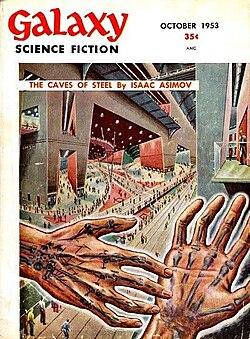
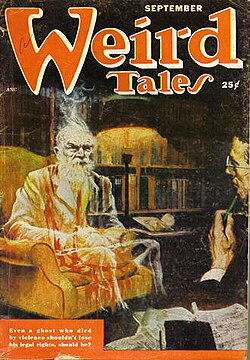
また、彼は単独執筆だけでなく、フレデリック・ポールなどの他作家との共作にも取り組み、『Weird Tales』誌に掲載された「Legal Rites」のような珍しい試みも行っています。
科学の普及者としての顔
アシモフはフィクションの世界だけでなく、ノンフィクションの分野でも驚異的な筆力を発揮しました。化学、物理学、天文学といった専門的な領域を、一般の人々が理解できる平易な言葉で解説した書籍を数多く出版しています。例えば、若年層向けの科学書『Building Blocks of the Universe』では、エジソン財団賞を受賞するなど、教育的な貢献も高く評価されました。
彼の知的好奇心は止まることを知らず、シェイクスピアのガイドブックや聖書の注釈書、さらには世界史のクロノロジー(年代記)まで執筆しました。彼にとって、宇宙の仕組みを解き明かすことと、人類の歴史を紐解くことは、同じ「知の探求」の一環だったのでしょう。
人生の軌跡と哲学
1920年頃にソビエト連邦のペトロヴィチで生まれたアシモフは、その後アメリカへ渡り、知的な生活を送り続けました。私生活では、1942年にガートルード・ブルガーマンと結婚し(後に離婚)、1973年にはジャネット・オパール・ジェプソンと結ばれました。
![Asimov with his second wife, Janet."[Sideburns] became a permanent feature of my face, and it is now difficult to believe early photographs that show me without [them]."[82] (Photo by Jay Kay Klein.)](/images/9c/8e/9c8e7847ba0aae90b5fc30fe5f6d47cce769c80555cdd0273ea08f0acd359140.jpg)
思想面では、自身を無神論者であると公言していました。彼は盲目的な信仰ではなく、証拠に基づいた理性を信頼し、人間が自らの知性によって運命を切り拓くというヒューマニズム的な視点を持っていました。この哲学は、1984年に「ヒューマニスト・オブ・ザ・イヤー」に選出されたことからも伺えます。
アシモフの功績まとめ
| カテゴリー | 主な作品・実績 | 主な受賞・栄誉 |
|---|---|---|
| SF小説 | 『ファウンデーション』、『アイ, ロボット』、『神々の卵』 | ヒューゴ賞、ネビュラ賞、ローカス賞 |
| 科学普及 | 『The Intelligent Man's Guide to Science』等 | エジソン財団賞、ブレイクスリー賞 |
| ノンフィクション | 自伝、歴史書、聖書ガイド | ローカス賞(ノンフィクション部門) |
| 後世への影響 | 小惑星および火星クレーターへの命名 | イスラエル切手への採用 |
Frequently Asked Questions
アシモフの文体の特徴は何ですか?
非常に簡潔で装飾が少なく、論理的な明快さを重視したスタイルです。情緒的な表現よりも、アイデアや科学的な設定を効率的に伝えることに特化しています。
どのような賞を受賞しましたか?
SF界の最高峰であるヒューゴ賞やネビュラ賞を何度も受賞しています。特に『神々の卵』や『ファウンデーションの端』などの作品が高く評価されました。
SF以外の分野でどのような本を書きましたか?
天文学、化学、物理学などの科学解説書のほか、世界史、聖書、シェイクスピアに関するガイドブックなど、極めて広範なノンフィクションを執筆しました。
彼の思想的な背景について教えてください。
彼は無神論を掲げ、理性と科学的根拠を重視する考えを持っていました。また、人間中心主義的なヒューマニズムを大切にしていました。
死後、どのように記憶されていますか?
小惑星や火星のクレーターにその名が付けられたほか、彼の名を冠した記念討論会がニューヨークのヘイデン天文台で開始されるなど、科学と文学の両面で称えられています。
References
- Asimov, Isaac (1979). In Memory Yet Green. p. 31.
The date of my birth, as I celebrate it, was January 2, 1920. It could not have been later than that. It might, however, have been earlier. Allowing for the uncertainties of the times, of the lack of , of the and , it might have been as early as October 4, 1919. There is, however, no way of finding out. My parents were always uncertain and it really doesn't matter. I celebrate January 2, 1920, so let it be.
- In the humorous poem "The Prime of Life" published in the anthology (p. 3), Asimov rhymes his name thusly: "Why, , it's Asimov." In his comments on his poem, Asimov wrote that originally it was "Why, stars above, it's Asimov," and when someone suggested to use "mazel tov" instead, Asimov accepted this as a significant improvement.
- : Исаак Азимов, pronounced ; : יצחק אַזימאָװ, : Yitskhok Azimov.
- Asimov, Stanley (1996). Yours, Isaac Asimov.
My estimate is that Isaac received about 100,000 letters in his professional career. And with the compulsiveness that has to be a character trait of a writer of almost 500 books, he answered 90 percent of them. He answered more than half with postcards and didn't make carbons of them. But with the 100,000 letters he received, there are carbons of about 45,000 that he wrote.
- : азiмы хлеб; : озимый хлеб.
- He obtained his Ph.D. on May 20, 1948. He wrote a dissertation on "Kinetics of the Reaction Inactivation of During Its Catalysis of the Aerobic Oxidation of ". An abridged version was published in the (February 1950, p. 820; online at the JACS website. (subscription required)). (The introduction to the full dissertation was reprinted in his book , pp. 171–173.)
- He had entered the army on November 1, 1945.
- Between 1950 and 1953 he published seven scientific research papers: the summary of his PhD dissertation (described in an earlier explanatory note), which he described as "my longest and my best," and six papers about his research at Boston University ("all those papers were unimportant").
- Asimov, Isaac (1969). Nightfall, and Other Stories. Doubleday. p. 244.
I wrote a novel in 1953 which pictured a world in which everyone lived in underground cities, comfortably enclosed away from the open air. People would say, 'How could you imagine such a nightmarish situation?' And I would answer in astonishment, 'What nightmarish situation?'
- On the subject of IQ tests, Asimov wrote: "there is no objective definition of intelligence, and what we call intelligence is only a creation of cultural fashion and subjective prejudice," and "I simply don't think it is reasonable to use IQ tests to produce results of questionable value, which may then serve to justify racists in their own minds and to help bring about the kinds of tragedies we have already witnessed earlier in this century."
📸 フォトギャラリー