私たちの体が外部からの侵入者や内部の損傷に直面したとき、身を守るために作動するのが炎症という生体防御反応です。白血球やそれらが放出する化学物質が連携し、細菌やウイルスなどの異物を排除して組織を修復しようとします。しかし、この反応が過剰に起きたり、長期化したりすると、かえって自身の組織を傷つける原因となることがあります。
炎症は、単なる「腫れ」や「痛み」ではなく、複雑な免疫システムによる精密なプロセスです。例えば、アレルギー反応によって皮膚に炎症が起きたり、関節リウマチのように本来守るべき自分の組織を攻撃してしまう自己免疫疾患など、その形態は多岐にわたります。
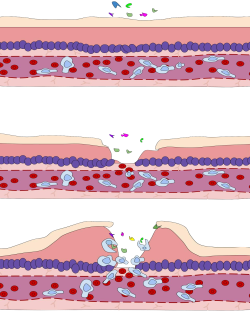
Key Facts
- 炎症の目的: 感染源の除去と損傷した組織の修復。
- 5つの主要徴候: 発赤、腫脹、熱感、疼痛、機能喪失。
- 急性と慢性の違い: 急性は数日で解消する一時的な反応であり、慢性は数ヶ月から数年にわたって持続する。
- リスク: 慢性的な炎症は、がんの発生(推定15〜25%に関与)や心血管疾患、うつ病などのリスクを高める。
- 主な原因: 細菌・ウイルス感染、物理的外傷、化学物質、自己免疫異常。
炎症の正体と「5つの徴候」
炎症が起きると、体には特徴的な変化が現れます。古くからラテン語で定義されている炎症の5徴候は、診断における重要な指標となります。
- 発赤 (Rubor): 血流が増加し、皮膚が赤くなる。
- 腫脹 (Tumor): 血管から液体が漏れ出し、組織がむくむ。
- 熱感 (Calor): 代謝の亢進と血流増加により、患部が熱を持つ。
- 疼痛 (Dolor): 化学物質や腫れによる圧迫で神経が刺激され、痛みを感じる。
- 機能喪失 (Functio laesa): 痛みや腫れにより、本来の動きができなくなる。
例えば、巻き爪による感染症では、これらの徴候が顕著に現れます。

急性炎症と慢性炎症の決定的な違い
炎症はその持続期間と関与する細胞によって、「急性」と「慢性」に大別されます。
急性炎症:迅速な防御反応
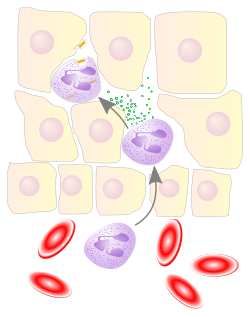
急性炎症は、細菌感染や怪我などの刺激に対して即座に反応します。主な役割を担うのは好中球などの白血球で、化学走性(ケモタキシス)によって患部へ集まり、食作用(ファゴサイトーシス)で病原体を飲み込み、分解酵素を放出して排除します。
![A flowchart depicting the events of acute inflammation.[21]](/images/80/9e/809ecfeb56ef082978242f8a648968519b6dc46d367ad7e304ffad22bc400688.jpg)
慢性炎症:持続する静かな破壊
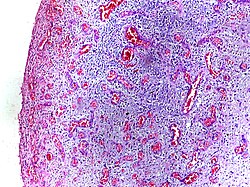
刺激が取り除かれなかったり、自己免疫疾患によって反応が止まらなかったりする場合、炎症は慢性化します。ここでは好中球に代わり、マクロファージやリンパ球、形質細胞などの単核細胞が中心となります。慢性炎症は組織の破壊や線維化(組織が硬くなること)を招き、肉芽組織が形成されることもあります。
炎症を制御する化学物質(メディエーター)
炎症反応は、血液中のタンパク質や細胞から放出されるさまざまな化学物質(メディエーター)によって制御されています。
血漿由来のメディエーター
肝臓などで作られ、血液中に待機している物質です。キニン系(ブラジキニンなど)や補体系(C3, C5aなど)、凝固系(トロンビンなど)がこれに含まれ、血管の透過性を高めて免疫細胞を呼び寄せます。
細胞由来のメディエーター
マスト細胞やマクロファージなどの免疫細胞が放出する物質です。代表的なものに、血管を拡張させるヒスタミンや、炎症を増幅させるサイトカイン(TNF-α, IL-1, IL-6など)、そして痛みの伝達に関わるプロスタグランジン(エイコサノイドの一種)があります。
炎症が引き起こす多様な疾患
炎症は本来、体を守るための仕組みですが、制御不能になるとさまざまな病態へと発展します。
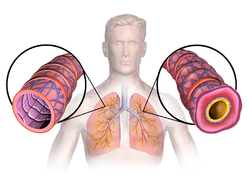
- 呼吸器系: 喘息(気道の炎症)や肺炎。
- 消化器系: クローン病や潰瘍性大腸炎などの炎症性腸疾患、憩室炎。
- 関節・筋肉: 関節リウマチやその他の自己免疫性疾患。
- 皮膚・その他: ニキビ(尋常性痤瘡)、血管炎、腎炎。
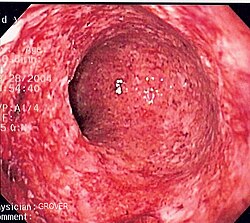
炎症のまとめ表
| 比較項目 | 急性炎症 | 慢性炎症 |
|---|---|---|
| 発症速度 | 即時的 | 遅延的 |
| 持続期間 | 数日間 | 数ヶ月〜数年 |
| 主要な細胞 | 好中球 | マクロファージ、リンパ球、線維芽細胞 |
| 主なメディエーター | 血管作動性アミン、エイコサノイド | サイトカイン(IFN-γなど)、成長因子、活性酸素 |
| 最終的な結果 | 治癒、膿瘍形成、または慢性化 | 組織破壊、線維化、壊死 |
Frequently Asked Questions
炎症と免疫反応は同じものですか?
炎症は免疫反応の一形態です。免疫システムが異物を検知した際に、それを排除し組織を修復するために引き起こされる物理的・化学的な反応プロセスを指します。
慢性炎症がなぜがんのリスクを高めるのですか?
慢性的な炎症状態では、活性酸素などの物質が持続的に放出され、DNAに損傷を与える可能性があります。また、細胞の増殖を促す成長因子が過剰に働くため、遺伝的な不安定さと相まってがん化を促進すると考えられています。
炎症が起きているとき、血液検査で何がわかりますか?
白血球数が増加する「白血球増多症」が見られることが多いです。特に細菌感染では好中球が増え、アレルギーや寄生虫感染では好酸球が増えます。また、CRP(C反応性タンパク)などの炎症マーカーの値が上昇します。
炎症はすべて悪いものなのでしょうか?
いいえ、急性炎症は体にとって不可欠な防御反応です。これがないと、小さな傷から細菌が侵入した際に感染が広がり、組織を修復することもできなくなります。問題となるのは、制御を失った過剰な反応や、終わりのない慢性的な炎症です。
自己免疫疾患における炎症とはどのような状態ですか?
本来は外部の敵を攻撃するはずの免疫システムが、誤って自分の正常な組織を「異物」と認識して攻撃し、炎症を引き起こしている状態です。これにより、本来不要なはずの炎症が持続的に発生し、組織を破壊します。
References
- All these signs may be observed in specific instances, but no single sign must, as a matter of course, be present. These are the original, or of inflammation.
- Functio laesa is an antiquated notion, as it is not unique to inflammation and is a characteristic of many disease states.
📸 フォトギャラリー