Stela in Tiwanaku's Kalasasaya temple
← ホームへ戻る
インカ帝国タワンティンスユクスコサパ・インカケチュア語

インカ帝国アンデスに君臨した「四つの州」の巨大国家

🗓 2026年8月12日

南米の険しいアンデス山脈に、かつて世界最大級の先コロンブス期帝国が築かれました。正式名称をタワンティンスユ(ケチュア語で「四つの州の領域」)と呼ぶこの国家は、政治・軍事の中心地であるクスコを拠点に、驚異的な速度で版図を拡大しました。高度な土木技術と厳格な社会組織を武器に、多様な民族を統合したインカの文明は、スペイン人の到来によって劇的な終焉を迎えるまで、南米大陸に類を見ない繁栄を極めました。
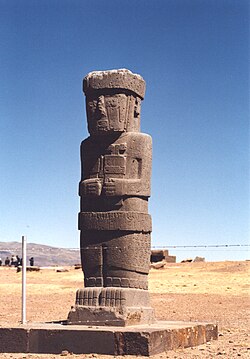
Stela in Tiwanaku's Kalasasaya temple

Key Facts

  • 正式名称:タワンティンスユ(四つの州の領域)
  • 中心都市:クスコ(ペルー)
  • 最盛期の面積:約200万平方キロメートル(1527年時点)
  • 推定人口:約1,200万人(16世紀初頭)
  • 公用語:古典ケチュア語(以前はアイマラ語が主流であったとされる)
  • 統治形態:神格化された絶対君主制(サパ・インカによる統治)

帝国の興隆と拡大の歴史

インカ文明の起源は13世紀初頭のペルー高地にまで遡ります。初期はクスコを中心とした小規模な王国に過ぎませんでしたが、1438年に即位したパチャクティによって国家体制が根本的に再編され、帝国としての道を歩み始めました。その後、トパ・インカ・ユパンキやワイナ・カパックといった強力な指導者たちが領土を拡大し、15世紀後半には南米の広大な地域を支配下に置きました。
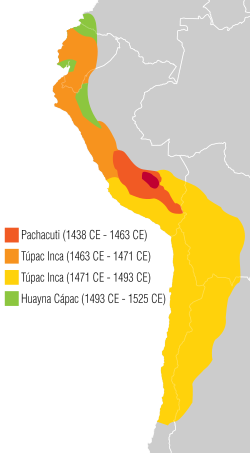
The Inca Empire's expansion according to John Howland Rowe in his "absolute chronology", developed in 1944–1945.

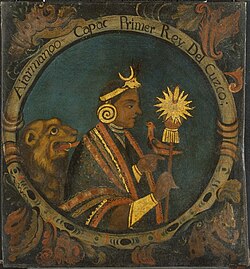
インカの建国にまつわる伝説では、マンコ・カパックとママ・オクロという太陽の子供たちが、文明を広めるために派遣されたと伝えられています。こうした神話的な権威は、統治者である「サパ・インカ」の絶対的な権力を正当化する根拠となりました。
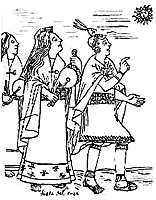
Manco Cápac and Mama Ocllo, children of the Inti, Felipe Guaman Poma de Ayala, El primer nueva corónica y buen gobierno, circa 1615

Manco Capac, First Inca, 1 of 14 Portraits of Inca Kings, Probably mid-18th century. Oil on canvas. Brooklyn Museum

帝国の崩壊とスペインの征服

16世紀に入ると、帝国は内部的な混乱に直面します。ワイナ・カパックの死後、息子であるワスカルとアタワルパの間で激しい内戦が勃発しました。この脆弱なタイミングを見計らい、フランシスコ・ピサロ率いるスペイン征服者が1532年に侵攻。最後のサパ・インカであるアタワルパが1533年に処刑されたことで、帝国の実質的な支配は崩壊しました。その後、ヴィルカバンバを中心とした抵抗が続きましたが、1572年に完全に制圧されました。
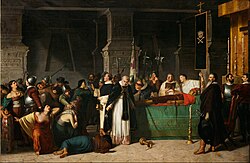
Atahualpa, the last Sapa Inca of the empire, was executed by the Spanish on 29 August 1533. Painting by Luis Montero.

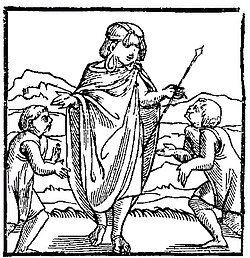
The first image of the Inca in Europe, Pedro Cieza de León, Crónica del Perú, 1553

社会構造と統治システム

インカ社会は極めて階層的な構造を持っていました。人口の大部分を占める平民に対し、わずか1万5千人から4万人とされる貴族層が、1,000万人以上の人々を統治していました。社会の基本単位はアイユと呼ばれる共同体であり、相互扶助に基づいた労働と資源の分配が行われていました。
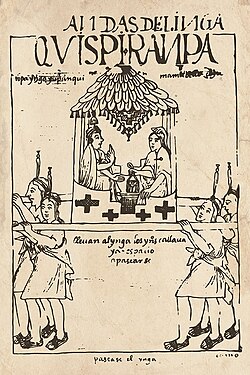
The Inca and his wife, the Quya, traveling the Qhapaq Ñan.

年齢と役割による社会区分

インカでは年齢に応じて人生のステージが明確に定義されており、それぞれの段階で社会的な役割が割り当てられていました。例えば、12歳から18歳まではラマの羊飼いや見習いとして働き、25歳から50歳までは納税義務を負う成人として社会を支えました。

インカ社会における年齢区分と役割
年齢層 定義・社会的役割
0-1歳 揺りかごの中の赤子
1-5歳 遊びに興じる子供
5-9歳 歩き始める子供
9-12歳 トウモロコシ畑から鳥を追い払う子供
12-18歳 ラマの羊飼いおよび手習い期間
18-25歳 親のあらゆる労働を助ける青年
25-50歳 納税義務を負う成人
50-60歳 軽作業が可能な老人
60歳以上 助言のみを行う高齢者

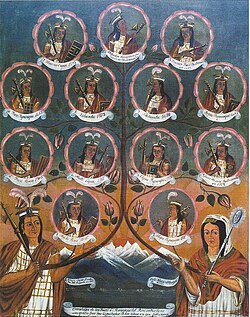
Capaccona or Qhapaqkuna "the kings", a 17th-century Cusco painting with the Inca lineages mentioned by colonial chronicles and their relationship with the royal queens of Cuzco, which hide behind a complex representation of the Inca social organization.

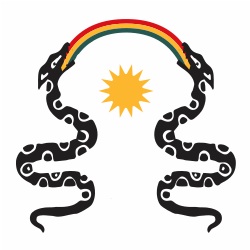
Two crowning snakes united by a rainbow without certain royal badge was used as the Inca sign according to Spanish chronicler Bernabé Cobo

行政組織と道徳律

帝国は効率的な管理のため、納税者の数に基づいたピラミッド型の行政組織を構築していました。10人のグループを管理する「チュンカ・カマユク」から、1万人のグループを統括する「フヌ・クラカ」まで、厳格な階層が存在しました。また、市民の行動規範として「盗むな(Ama sua)」「嘘をつくな(Ama llulla)」「怠けるな(Ama quella)」という3つの道徳律が徹底されていました。
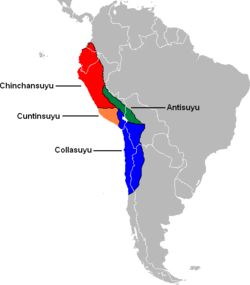
The four suyus or quarters of the empire

宗教と世界観

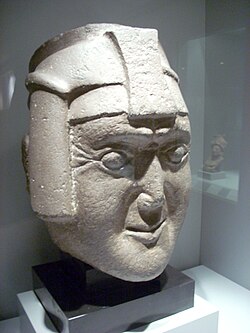
インカの人々は多神教を信仰しており、万物に神が宿ると考える世界観を持っていました。最高神であるヴィラコチャはあらゆる生命の創造主とされ、そのほか、太陽神インティ、月神ママ・キジャ、虹の神クイチなどが崇拝されました。特に太陽神インティはクスコの守護神であり、サパ・インカはその直系の子孫であると信じられていました。
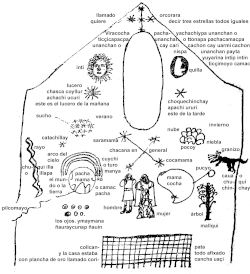
Representation of the Inca worldview

Diorite Viracocha Inca sculpture from Amarucancha archeological site, Cusco

Inti, as represented by José Bernardo de Tagle of Peru

宗教儀式には、高地での人身供犠(ミイラとして発見される子供など)や、ラマなどの動物を用いた儀式が含まれていました。また、コカの葉は神聖なものとして、儀式や高山病対策に広く利用されていました。
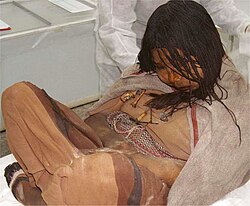
"The Maiden", one of the Llullaillaco mummies. Inca human sacrifice, Salta Province (Argentina).

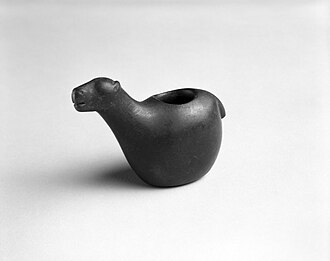
Camelid Conopa, 1470–1532, Brooklyn Museum. Small stone figurines, or conopas, of llamas and alpacas were the most common ritual effigies used in the highlands of modern-day Peru and Bolivia. These devotional objects were often buried in the animals' corrals to bring protection and prosperity to their owners and fertility to the herds. The cylindrical cavities in their backs were filled with offerings to the gods in the form of a mixture including animal fat, coca leaves, maize kernels and seashells.

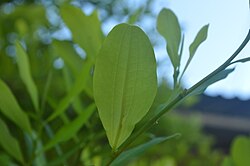
Coca leaves in Meta Department, Colombia, approached by the Inca for many uses

経済と高度な技術

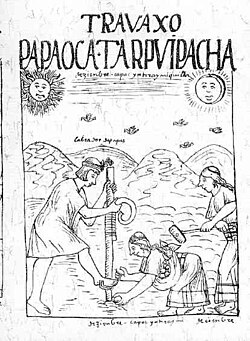
インカ帝国は貨幣経済を持たず、労働奉仕と物資の分配に基づく独自の経済システムを運用していました。農業においては、急峻な山岳地帯を有効活用するためのアンデネス(段々畑)を構築し、チャキ・タクジャと呼ばれる足踏み式耕作機を用いてトウモロコシやジャガイモを栽培しました。
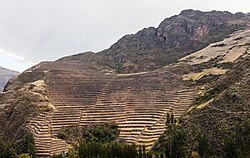
Andenes in the Sacred Valley of the Incas, near Pisac, Cuzco.

Illustration of Inca farmers using a chaki taklla (Andean foot plough) in El primer nueva corónica y buen gobierno (ca. 1615) by Felipe Guaman Poma de Ayala.

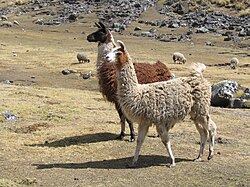
また、家畜としてラマやアルパカを飼育し、肉や繊維(ウール)を重要な資源として確保していました。これらの繊維を用いて作られた精巧なチュニック(ウンク)は、身分を示す象徴としても機能していました。
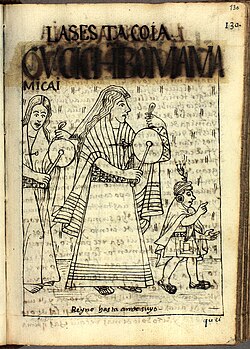
Coya Cusi Chimbo playing the tinya.

Camelids were a vital resource in Tahuantinsuyo. The Inca state ensured a supply of both meat and fiber from these animals.

Tunic worn by an Inca of high rank, in vicuña wool and cotton (1450–1540), kept at the Washington Dumbarton Oaks Research Library and Collection[118]

インフラと通信の革新

帝国全土を結ぶ広大な道路網「カパック・ニャン」は、軍隊の移動や物資の輸送を可能にしました。文字を持たなかったインカは、キプと呼ばれる紐の結び目を用いた記録システムを開発し、人口統計や収穫量などの重要なデータを管理していました。
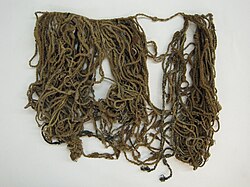
15th-century quipu, Brooklyn Museum

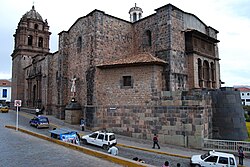
建築面では、精巧な石組み技術で知られ、サクサイワマンのような巨大な要塞や、コリカンチャ(太陽の神殿)などの壮麗な建築物を残しました。これらの石造建築は、地震の多い地域であるため、極めて高い耐震性を備えていました。
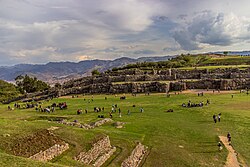
Sacsayhuamán, the largest Inca pukara (fortresses)

Facade of the Church and Convent of Santo Domingo in Cusco, built on the base of the Coricancha

軍事と防衛

インカ軍は組織的な運用を行い、木や葦、動物の皮で作られたヘルメットや、銅・青銅の装飾を施した装備を用いていました。武器としては、銅製の頭部を持つメイス(棍棒)などが使用されていました。
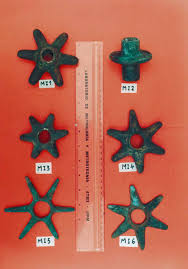
Copper heads for maces

Frequently Asked Questions

インカ帝国に文字はあったのですか?

いいえ、インカには現代のような文字体系はありませんでした。その代わりに「キプ」という紐の結び目を使った記録装置を用いて、数値データや情報を管理していました。

「タワンティンスユ」とはどういう意味ですか?

ケチュア語で「四つの州(または部分)の領域」を意味します。帝国が4つの行政区(スユ)に分割して統治されていたことに由来します。

インカの経済はどのように成り立っていたのですか?

貨幣を使わない非市場経済でした。人々は国家への労働奉仕(ミタ制)を行い、その代わりに食料や衣類などの生活必需品を国家から分配される仕組みでした。

サパ・インカとはどのような存在でしたか?

帝国の最高統治者であり、太陽神インティの息子とされる神格化された絶対君主です。政治、宗教、軍事の全権を掌握していました。

インカの農業の最大の特徴は何ですか?

アンデス山脈の急斜面に作られた「アンデネス」と呼ばれる段々畑です。これにより、限られた平地を最大限に活用し、異なる高度で多様な作物を栽培することが可能になりました。

なぜインカ帝国は短期間で崩壊したのですか?

主な要因は、後継者争いによる激しい内戦で国力が疲弊していたこと、そしてスペイン人が持ち込んだ天然痘などの疫病によって人口が激減し、社会構造が混乱していたことが挙げられます。

References

  1. Also known as the Incan Empire, or Inka Empire.
  2. The three laws of Tawantinsuyu are still referred to in Bolivia these days as the three laws of the Qullasuyu.

📸 フォトギャラリー

Stela in Tiwanaku's Kalasasaya temple
Manco Capac, First Inca, 1 of 14 Portraits of Inca Kings, Probably mid-18th century. Oil on canvas. Brooklyn Museum
Manco Cápac and Mama Ocllo, children of the Inti, Felipe Guaman Poma de Ayala, El primer nueva corónica y buen gobierno, circa 1615
The Inca Empire's expansion according to John Howland Rowe in his "absolute chronology", developed in 1944–1945.
The first image of the Inca in Europe, Pedro Cieza de León, Crónica del Perú, 1553
Capaccona or Qhapaqkuna "the kings", a 17th-century Cusco painting with the Inca lineages mentioned by colonial chronicles and their relationship with the royal queens of Cuzco, which hide behind a complex representation of the Inca social organization.
Atahualpa, the last Sapa Inca of the empire, was executed by the Spanish on 29 August 1533. Painting by Luis Montero.
Facade of the Church and Convent of Santo Domingo in Cusco, built on the base of the Coricancha
"The Maiden", one of the Llullaillaco mummies. Inca human sacrifice, Salta Province (Argentina).
The Inca and his wife, the Quya, traveling the Qhapaq Ñan.
Representation of the Inca worldview
Diorite Viracocha Inca sculpture from Amarucancha archeological site, Cusco
Illustration of Inca farmers using a chaki taklla (Andean foot plough) in El primer nueva corónica y buen gobierno (ca. 1615) by Felipe Guaman Poma de Ayala.
Andenes in the Sacred Valley of the Incas, near Pisac, Cuzco.
Camelids were a vital resource in Tahuantinsuyo. The Inca state ensured a supply of both meat and fiber from these animals.
Inti, as represented by José Bernardo de Tagle of Peru
The four suyus or quarters of the empire
Tunic worn by an Inca of high rank, in vicuña wool and cotton (1450–1540), kept at the Washington Dumbarton Oaks Research Library and Collection[118]
Camelid Conopa, 1470–1532, Brooklyn Museum. Small stone figurines, or conopas, of llamas and alpacas were the most common ritual effigies used in the highlands of modern-day Peru and Bolivia. These devotional objects were often buried in the animals' corrals to bring protection and prosperity to their owners and fertility to the herds. The cylindrical cavities in their backs were filled with offerings to the gods in the form of a mixture including animal fat, coca leaves, maize kernels and seashells.
Coca leaves in Meta Department, Colombia, approached by the Inca for many uses
Two crowning snakes united by a rainbow without certain royal badge was used as the Inca sign according to Spanish chronicler Bernabé Cobo
Coya Cusi Chimbo playing the tinya.
15th-century quipu, Brooklyn Museum
Sacsayhuamán, the largest Inca pukara (fortresses)
Copper heads for maces