Justus D. Barnes in The Great Train Robbery (1903), considered by some to be the first Western
← ホームへ戻る

ハリウッド映画の歴史と変遷黄金時代から現代のブロックバスターまで

🗓 2026年8月15日

アメリカの文化的な象徴であり、世界中のエンターテインメントを牽引してきたハリウッド。その歴史は、単なる映画制作の変遷ではなく、技術革新と社会構造の変化、そして芸術的な挑戦の積み重ねです。オレンジ畑が広がっていたかつての土地が、どのようにして世界最大の映画産業の聖地となったのか、その軌跡を辿ります。

初期の映画制作は、カリフォルニアではなくニュージャージー州のフォートリーなどが中心でした。しかし、次第に気候や環境に恵まれた西海岸へと拠点が移り、私たちが知る「ハリウッド」の時代が幕を開けます。
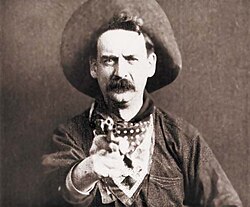
Justus D. Barnes in The Great Train Robbery (1903), considered by some to be the first Western

Key Facts

  • 黄金時代(1913年〜1962年): 技術的・物語的なスタイルが確立され、数千本の作品が量産された時代。
  • トーキーの誕生: 1927年の『ジャズ・シンガー』により、サイレント映画から音声付き映画へ移行。
  • 主要配給会社: ウォルト・ディズニー、パラマウント、ソニー、ユニバーサルなどが業界を主導。
  • 市場規模: 2017年の興行収入は約111億ドルに達し、世界的な影響力を維持。

映画産業の黎明期と技術の転換点

ハリウッドが台頭する以前、アメリカの映画制作は東海岸のフォートリーなどで盛んでした。しかし、1910年代から1920年代にかけて、制作拠点は急速にハリウッドへと集中していきます。この時期の最大の転換点は、音響技術の導入でした。

1927年に公開された『ジャズ・シンガー』は、同期した音声を持つ「トーキー」として大成功を収め、サイレント映画の時代に終止符を打ちました。その後、ワーナー・ブラザースが所有していたバイタフォン(Vitaphone)などの音響システムが普及し、映画の表現力と興行収入は飛躍的に向上しました。
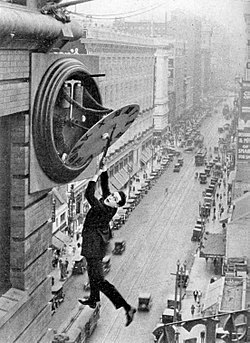
Harold Lloyd in the clock scene from Safety Last! (1923)
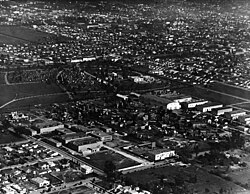
Paramount Pictures studios in 1922

ハリウッドの黄金時代とスタジオシステム

1913年から1962年までを指す「古典的ハリウッド映画」の時代は、いわゆる黄金時代と呼ばれています。この時期、少数の巨大スタジオが制作から配給、上映までを垂直統合して管理する「スタジオシステム」が確立されました。

このシステムの下で、多くのスター俳優や名監督が誕生し、洗練された物語形式が構築されました。しかし、1940年代後半になると、独占禁止法による政府の介入により、制作と上映の分離が強制され、この強固なスタジオ体制は崩壊へと向かいます。
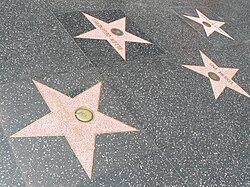
The Hollywood Walk of Fame on Hollywood Boulevard
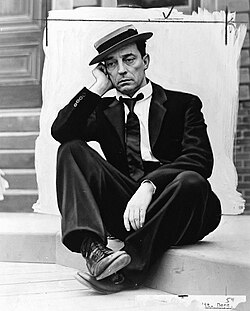
Buster Keaton in costume with his signature pork pie hat, c. 1939
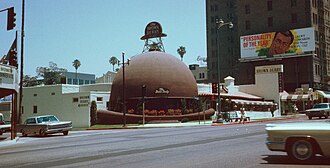
Brown Derby, an icon that became synonymous with the Golden Age of Hollywood.
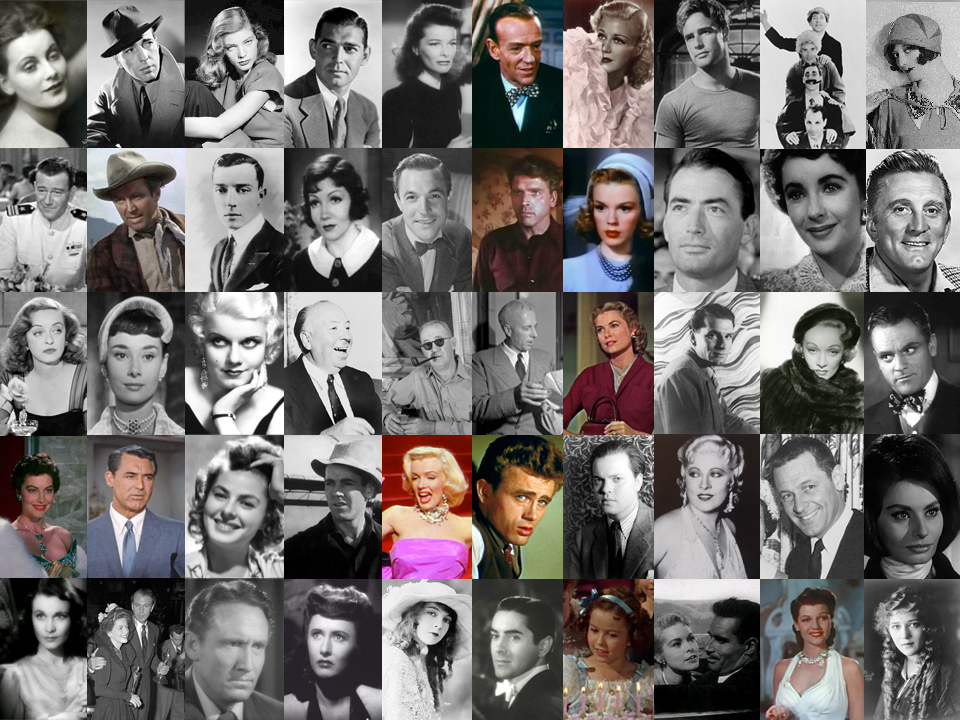
Stars of the Classical Hollywood cinema era (c. 1913–1962). Top row, l-r: Greta Garbo, Humphrey Bogart, Lauren Bacall, Clark Gable, Katharine Hepburn, Fred Astaire, Ginger Rogers, Marlon Brando, the Marx Brothers, Joan Crawford. Second row, l-r: John Wayne, James Stewart, Buster Keaton, Claudette Colbert, Gene Kelly, Burt Lancaster, Judy Garland, Gregory Peck, Elizabeth Taylor, Kirk Douglas. Third row, l-r: Bette Davis, Audrey Hepburn, Jean Harlow, Alfred Hitchcock, John Ford, Howard Hawks, Grace Kelly, Laurence Olivier, Marlene Dietrich, James Cagney. Fourth row, l-r: Ava Gardner, Cary Grant, Ingrid Bergman, Henry Fonda, Marilyn Monroe, James Dean, Orson Welles, Mae West, William Holden, Sophia Loren. Bottom row, l-r: Vivien Leigh, Joan Fontaine and Gary Cooper, Spencer Tracy, Barbara Stanwyck, Lillian Gish, Tyrone Power, Shirley Temple, Janet Leigh with Charlton Heston, Rita Hayworth, Mary Pickford.

黄金時代を彩った伝説的なスターたち

この時代には、ハンフリー・ボガートやグレタ・ガルボ、マーロン・ブランドなど、映画史に名を刻む俳優たちが活躍しました。また、スペンサー・トレシーのように、アカデミー主演男優賞を2年連続で受賞するという快挙を成し遂げた人物も現れました。
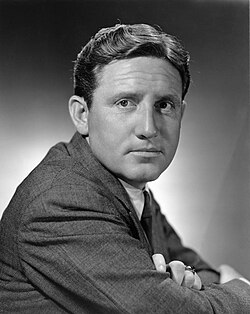

Spencer Tracy, who was the first actor to win Best Actor award over two consecutive years for his roles in Captains Courageous (1937) and Boys Town (1938) (and received seven other nominations)
Humphrey Bogart with Ingrid Bergman in Casablanca (1942)

現代映画への進化とブロックバスターの台頭

古典的な時代が終わり、「ニュー・ハリウッド」と呼ばれる時代を経て、映画はより多様で大規模なエンターテインメントへと進化しました。特に、莫大な予算を投じて世界的にヒットを狙う「ブロックバスター」映画の形式が定着します。

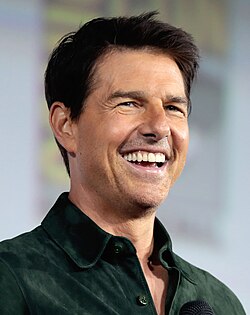
現代では、スティーヴン・スピルバーグのような巨匠や、トム・ハンクス、トム・クルーズといった世界的スターが業界を牽引しています。特にトム・クルーズは、最新作『トップガン マーヴェリック』において、ストリーミングサービスの普及という逆風の中で劇場公開の価値を再証明しました。
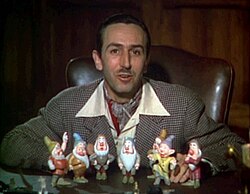
Walt Disney introduces each of the seven dwarfs in a scene from the original 1937 Snow White movie trailer
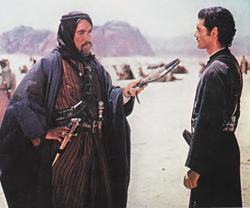
Lawrence-of-Arabia-3
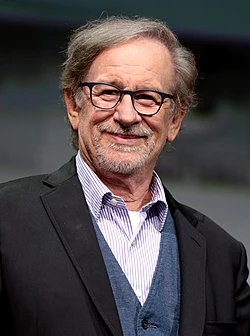
Director and producer Steven Spielberg, co-founder of DreamWorks Studios and Amblin Entertainment, Inc
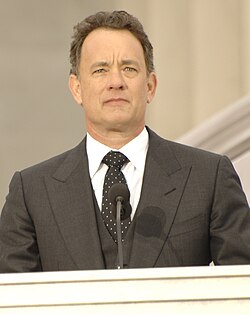
Tom Hanks, who has won two Academy Awards for Best Actor for his performances in Philadelphia and Forrest Gump and has starred in numerous beloved films such as Saving Private Ryan, Cast Away and Toy Story
Tom Cruise, in a pre-recorded segment, skydived from the Stade de France to the Hollywood Sign, where he landed and affixed the five Olympic rings, marking the handover of the Games to Los Angeles in 2028 during the Olympics closing ceremony. Cruise himself has been cited as a paragon of modern cinema, with Top Gun: Maverick being cited as one of the first blockbuster films to gain significant monetary success despite being hampered by low expectations and competition from other franchise films and streaming platforms.

映画産業の現状と統計データ

現代のハリウッドは、デジタル配信の普及やパンデミックによる影響を受けつつも、依然として強大な経済力を誇っています。2017年のデータでは、全米で4万スクリーン以上が存在し、年間12億回以上の入場者数を記録しています。

アメリカ映画市場の興行推移(抜粋)
チケット販売数(10億枚) 興行収入(10億ドル)
1995 1.22 5.31
2009 1.42 10.64
2019 1.22 11.21
2020 0.22 2.02
2023 0.83 8.93
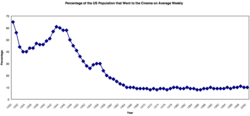
Percentage of the U.S. population that went to the cinema on average, weekly between 1930 and 2000

ハリウッドの文化遺産と象徴的な場所

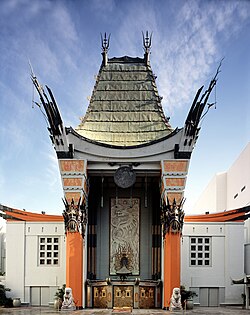
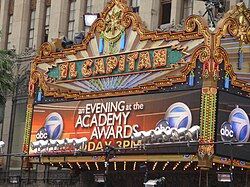
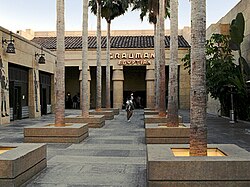
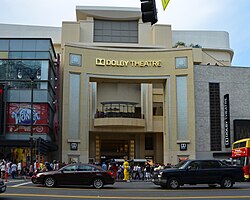
ハリウッドは単なる産業拠点ではなく、映画文化の聖地としての側面を持っています。アカデミー賞の授賞式が行われるドルビー劇場や、歴史的な中国劇場、エジプシャン劇場などは、映画ファンにとって欠かせないスポットです。

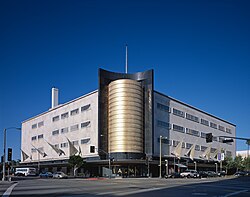
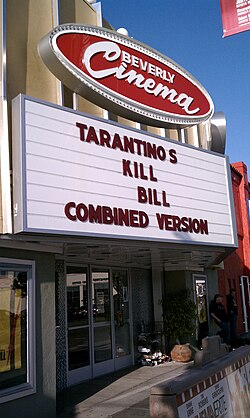
また、映画の歴史を保存するアカデミー映画博物館や、35mmフィルム上映を維持しヴィンテージな体験を提供するニュー・ベバリー・シネマなど、伝統を継承する取り組みも続いています。
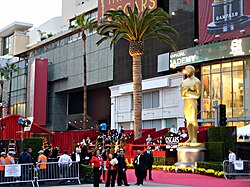
The 81st Academy Awards at the Dolby Theatre in Hollywood in 2009
Academy Museum of Motion Pictures
The Chinese Theatre before 2007
The El Capitan Theatre
Egyptian Theatre main entry
Dolby Theatre, Hollywood's renowned venue for the prestigious Academy Awards ceremony, which honors excellence in film
The New Beverly Cinema known for showcasing a diverse range of movies from various genres and eras. The theater retained its vintage charm, featuring 35mm film projections and maintaining an old-school moviegoing experience.

業界が抱える課題と多様性

華やかな世界の裏側で、ハリウッドは多くの社会的課題に直面してきました。特にジェンダーの不平等は顕著であり、監督の女性比率は9%、撮影監督に至ってはわずか2%にとどまるなど、制作現場における女性の参画には依然として大きな壁が存在します。

また、人種や民族の代表性(レプリゼンテーション)に関する議論や、過酷な労働条件、政治的な影響力への批判など、現代的な視点からの改革が求められています。

Frequently Asked Questions

ハリウッドの「黄金時代」とは具体的にいつを指しますか?

一般的に1913年から1962年までを指します。この期間、アメリカ映画は技術的・物語的なスタイルを確立し、巨大スタジオが制作を支配するシステムの下で数多くの名作が誕生しました。

サイレント映画からトーキーへの移行はいつ起きましたか?

1927年に公開された『ジャズ・シンガー』が大きな転換点となりました。この作品の成功により、音声付きの映画(トーキー)が急速に普及し、映画産業の収益構造が大きく変わりました。

スタジオシステムが崩壊した理由は何ですか?

1940年代後半、連邦政府による独占禁止法の適用により、映画の制作と上映(映画館の所有)を分離することが強制されたためです。これにより、スタジオによる垂直統合的な支配体制が崩れました。

現代のハリウッドにおける女性の就業状況はどうなっていますか?

依然として格差があり、監督の9%、脚本家の15%、プロデューサーの25%、編集者の20%、撮影監督の2%という割合にとどまっており、特に技術職での女性比率が低い傾向にあります。

パンデミックはハリウッドにどのような影響を与えましたか?

興行収入とチケット販売数に壊滅的な打撃を与えました。例えば2020年の興行収入は、前年の約112億ドルから約20億ドルまで激減しましたが、同時にデジタル配信への移行を加速させる結果となりました。

References

  1. "Table 8: Cinema Infrastructure—Capacity". UNESCO Institute for Statistics. Archived from the original on December 24, 2018. Retrieved November 5, 2013.
  2. "Table 1: Feature Film Production—Genre/Method of Shooting". UNESCO Institute for Statistics. Archived from the original on December 24, 2018. Retrieved May 30, 2019.
  3. "Table 11: Exhibition—Admissions & Gross Box Office (GBO)". UNESCO Institute for Statistics. Archived from the original on December 24, 2018. Retrieved May 30, 2019.
  4. "Cinema—Admissions per capita". Screen Australia. Archived from the original on November 9, 2013. Retrieved November 9, 2013.
  5. "The Lumière Brothers, Pioneers of Cinema". History Channel. October 3, 2014. Retrieved January 15, 2017.
  6. UIS. "UIS Statistics". data.uis.unesco.org.
  7. Hudson, Dale. Vampires, Race, and Transnational Hollywoods. , 2017. Website Archived December 22, 2019, at the
  8. Kerrigan, Finola (2010). Film Marketing. Oxford: Butterworth-Heinemann. p. 18.  . Retrieved 4 February 2022.
  9. Davis, Glyn; Dickinson, Kay; Patti, Lisa; Villarejo, Amy (2015). Film Studies: A Global Introduction. Abingdon: Routledge. p. 299.  .
  10. Miller, Frank; Stafford, Jeff (January 5, 2007). "Gone With the Wind (1939) – Articles". . Archived from the original on September 26, 2013.

📸 フォトギャラリー

Justus D. Barnes in The Great Train Robbery (1903), considered by some to be the first Western
Harold Lloyd in the clock scene from Safety Last! (1923)
The Hollywood Walk of Fame on Hollywood Boulevard
Buster Keaton in costume with his signature pork pie hat, c. 1939
Brown Derby, an icon that became synonymous with the Golden Age of Hollywood.
Stars of the Classical Hollywood cinema era (c. 1913–1962). Top row, l-r: Greta Garbo, Humphrey Bogart, Lauren Bacall, Clark Gable, Katharine Hepburn, Fred Astaire, Ginger Rogers, Marlon Brando, the Marx Brothers, Joan Crawford. Second row, l-r: John Wayne, James Stewart, Buster Keaton, Claudette Colbert, Gene Kelly, Burt Lancaster, Judy Garland, Gregory Peck, Elizabeth Taylor, Kirk Douglas. Third row, l-r: Bette Davis, Audrey Hepburn, Jean Harlow, Alfred Hitchcock, John Ford, Howard Hawks, Grace Kelly, Laurence Olivier, Marlene Dietrich, James Cagney. Fourth row, l-r: Ava Gardner, Cary Grant, Ingrid Bergman, Henry Fonda, Marilyn Monroe, James Dean, Orson Welles, Mae West, William Holden, Sophia Loren. Bottom row, l-r: Vivien Leigh, Joan Fontaine and Gary Cooper, Spencer Tracy, Barbara Stanwyck, Lillian Gish, Tyrone Power, Shirley Temple, Janet Leigh with Charlton Heston, Rita Hayworth, Mary Pickford.
Paramount Pictures studios in 1922
Spencer Tracy, who was the first actor to win Best Actor award over two consecutive years for his roles in Captains Courageous (1937) and Boys Town (1938) (and received seven other nominations)
Percentage of the U.S. population that went to the cinema on average, weekly between 1930 and 2000
Walt Disney introduces each of the seven dwarfs in a scene from the original 1937 Snow White movie trailer
Humphrey Bogart with Ingrid Bergman in Casablanca (1942)
Lawrence-of-Arabia-3
Director and producer Steven Spielberg, co-founder of DreamWorks Studios and Amblin Entertainment, Inc
Tom Hanks, who has won two Academy Awards for Best Actor for his performances in Philadelphia and Forrest Gump and has starred in numerous beloved films such as Saving Private Ryan, Cast Away and Toy Story
Tom Cruise, in a pre-recorded segment, skydived from the Stade de France to the Hollywood Sign, where he landed and affixed the five Olympic rings, marking the handover of the Games to Los Angeles in 2028 during the Olympics closing ceremony. Cruise himself has been cited as a paragon of modern cinema, with Top Gun: Maverick being cited as one of the first blockbuster films to gain significant monetary success despite being hampered by low expectations and competition from other franchise films and streaming platforms.
The 81st Academy Awards at the Dolby Theatre in Hollywood in 2009
Academy Museum of Motion Pictures
The Chinese Theatre before 2007
The El Capitan Theatre
Egyptian Theatre main entry
Dolby Theatre, Hollywood's renowned venue for the prestigious Academy Awards ceremony, which honors excellence in film
The New Beverly Cinema known for showcasing a diverse range of movies from various genres and eras. The theater retained its vintage charm, featuring 35mm film projections and maintaining an old-school moviegoing experience.
ハリウッド映画の歴史と変遷黄金時代から現代のブロックバスターまで | jwiki.wiki