HIV(ヒト免疫不全ウイルス)は、人間の免疫システムを攻撃し、適切に治療されない場合にAIDS(後天性免疫不全症候群)へと進行するウイルスです。かつては絶望的な病気とされていましたが、医学の進歩により、現在は早期発見と継続的な治療によって、ほぼ平均的な寿命まで生きることが可能な「コントロール可能な慢性疾患」へと変化しました。
本記事では、HIVの正体から感染のメカニズム、診断方法、そして現代の治療戦略について詳しく解説します。
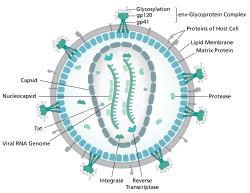
Key Facts
- HIVは免疫細胞(CD4陽性Tリンパ球)を破壊し、体を病原体に弱くさせます。
- AIDSはHIV感染の最終段階であり、深刻な日和見感染症や腫瘍が現れた状態を指します。
- 治療:抗レトロウイルス薬(ARV)により、ウイルス量を抑制し、正常な生活を維持できます。
- 予後:未治療の場合の平均余命は約11年ですが、治療を受ければ正常な期待寿命に近づきます。
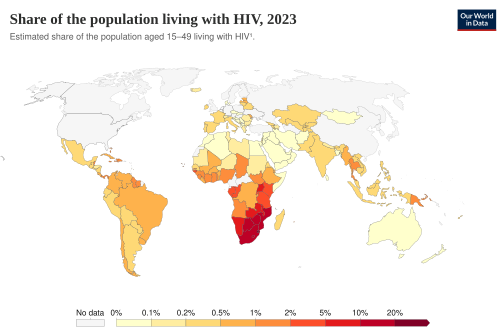
- 統計:2025年時点で、世界で約4,090万人がHIVと共に生きています。
HIVの正体と感染のメカニズム
HIVはレトロウイルスの一種であり、宿主の細胞に自身の遺伝情報を組み込むことで増殖します。特に免疫応答の司令塔であるCD4陽性Tリンパ球を標的にするため、ウイルスが増殖するほど免疫力が低下していきます。
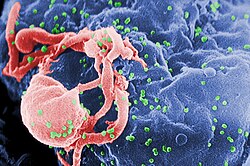
ウイルスの複製サイクルは複雑で、細胞への吸着、侵入、逆転写、統合、そして新しいウイルスの放出というステップを経て広がります。
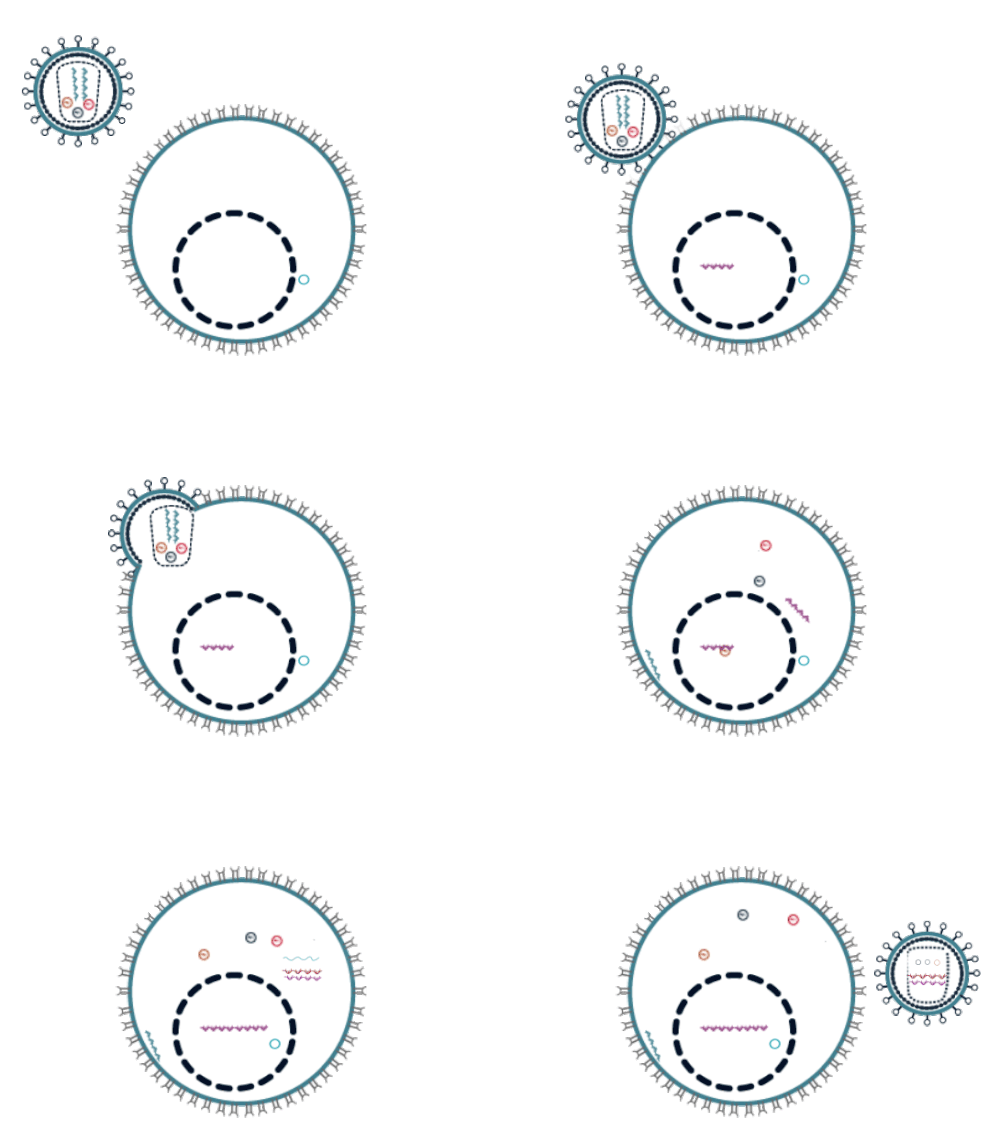
HIVの起源については、アフリカの霊長類から人間へ種を越えて感染したと考えられており、HIV-1はチンパンジー、HIV-2はソティマンガベイなどのサルが由来とされています。

病状の進行とステージ
HIV感染は、大きく分けて3つの段階を経て進行します。
1. 急性感染期
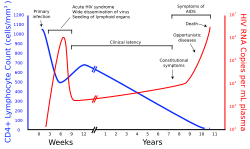
感染後数週間で現れる段階です。インフルエンザに似た発熱や倦怠感などの症状が出ることがあります。この時期はウイルス量が急激に増加します。
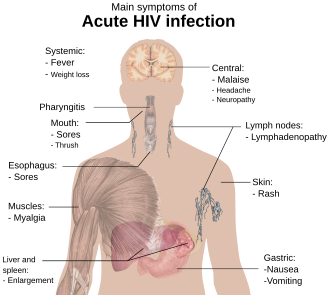
2. 臨床的潜伏期
目立った症状がない期間が長く続きます。しかし、体内ではウイルスが静かに増殖し続け、徐々にCD4細胞数が減少していきます。
3. AIDS(後天性免疫不全症候群)
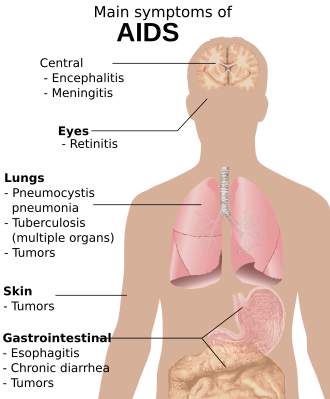
免疫力が極端に低下し、健康な人なら簡単に退治できる病原菌による「日和見感染症」や、特定の腫瘍(カポジ肉腫など)を発症した状態です。激しい体重減少や持続的な発熱が見られます。
治療を行わない場合、ウイルス量とCD4細胞数は反比例するように推移し、最終的に免疫系が崩壊します。
感染経路とリスクの定量化
HIVは血液、精液、膣分泌液、母乳などの体液を通じて感染します。感染の確率は経路によって大きく異なります。
| 曝露ルート | 感染確率(推定) |
|---|---|
| 輸血(感染血) | 約90% |
| 母子感染(未治療) | 約25% |
| 母子感染(治療あり) | 1~2% |
| 注射器の共用 | 約0.67% |
| 受容側アナルセックス | 0.04~3.0% |
| 受容側膣性交 | 0.05~0.30% |
| 経口性交(挿入側) | 0~0.005% |
特に薬物乱用に伴う注射器の共用は、歴史的に大きな感染拡大要因となりました。

診断と検査方法
HIVの診断には血液検査が用いられます。感染直後は抗体が形成されていないため、検査手法によって検出可能な時期(ウィンドウピリオド)が異なります。
- PCR検査(核酸増幅検査):感染後10~33日で検出可能。ウイルスそのものを検出します。
- 第4世代ELISA法:感染後18~45日で検出可能。抗体とp24抗原の両方を測定します。
- 抗体検査(迅速検査など):感染後23~90日で検出可能。
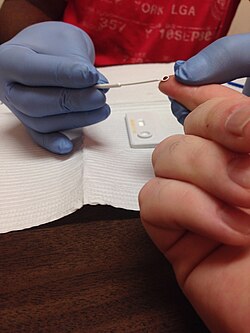
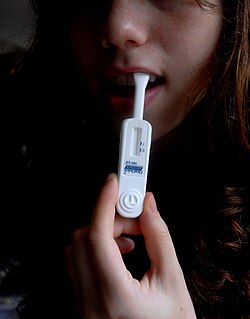
最近では、自宅で簡単に判定できるセルフテストキットも普及しています。
治療と予防戦略
抗レトロウイルス療法(ART)
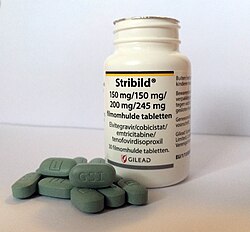
現代の治療の柱は、複数の薬を組み合わせた抗レトロウイルス療法(ART)です。これによりウイルスの増殖を強力に抑え、CD4細胞数を回復させることができます。最近では、1日1回の服用で済む配合剤も開発されています。
予防策
- コンドームの使用:物理的に体液の接触を防ぎます。
- PrEP(曝露前予防):感染リスクの高い人が、あらかじめ予防薬を服用する方法です。
- PEP(曝露後予防):感染の可能性がある接触後、短期間で薬を服用し感染を防ぐ方法です。
- 母子感染防止:抗レトロウイルス薬の使用により、子供への感染率を劇的に下げることが可能です。
社会的な影響と歴史
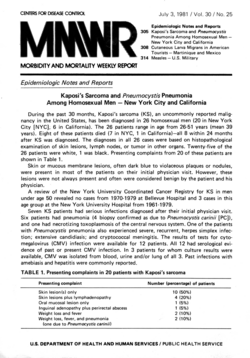
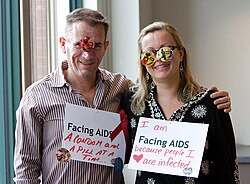
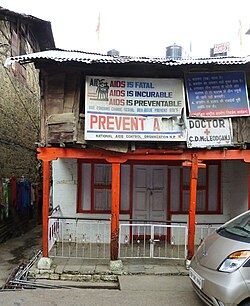
HIV/AIDSは単なる医学的な問題ではなく、深刻な社会的スティグマ(偏見)を伴ってきました。1980年代の初期段階では、正体不明の恐怖から感染者が差別されるケースが多くありました。
ライアン・ホワイトのような若者が、感染を理由に学校を追われるなどの悲劇もありましたが、こうした経験が社会的な意識改革と権利擁護の動きを加速させました。

現在では、「検出限界以下=感染させない(U=U)」という概念が広まり、適切に治療を受けていればパートナーにウイルスを伝播させないことが科学的に証明されています。
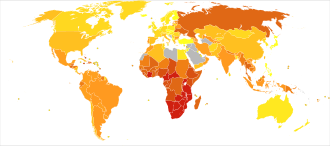
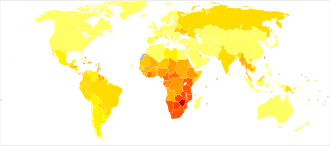
世界的に見ると、特にアフリカ諸国で深刻な影響が出ましたが、治療の普及により平均寿命は回復傾向にあります。
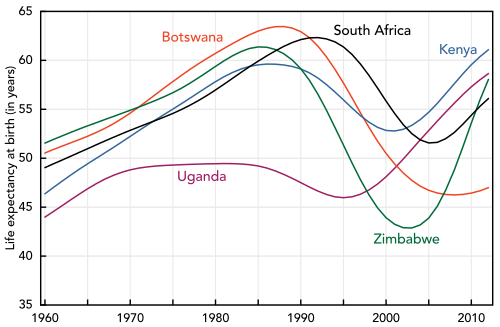
しかし、依然として地域的な格差は大きく、医療アクセスへの課題が残っています。
![Trends in new cases and deaths per year from HIV/AIDS, 1990–2017[228]](/images/35/3b/353bccf0689605cb1dd263065c8f8a1466e8583ee7143a3c9385e98e9c173290.png)
Frequently Asked Questions
HIVとAIDSは何が違うのですか?
HIVは原因となる「ウイルス」の名前であり、AIDSはそのウイルスによって免疫力が極端に低下し、特定の疾患(日和見感染症など)を発症した「状態」を指します。HIVに感染しても、すぐにAIDSになるわけではなく、治療によってAIDSへの進行を止めることができます。
一度感染したら、もう治らないのでしょうか?
現在の標準的な治療では、ウイルスを完全に排除して「完治」させることは困難ですが、薬でウイルス量を極めて低く抑えることで、健康な人と変わらない生活を送ることが可能です。極めて稀なケースとして、幹細胞移植などによりウイルスが消失した例が報告されています。
どのような検査をいつ受けるべきですか?
不安がある場合は、まず医療機関で相談してください。検査の種類によって検出可能な時期が異なります。最も早く検出できるのはPCR検査ですが、一般的な抗体検査の場合は、感染の可能性があった日から数週間から数ヶ月待ってから受けることが推奨されます。
日常生活で感染するリスクはありますか?
握手、ハグ、食事の共有、トイレの共用、蚊などの昆虫による媒介などでHIVが感染することはありません。感染はあくまで血液、精液、膣分泌液、母乳といった特定の体液が、粘膜や傷口から体内に入ることで起こります。
治療を始めたら、他人にうつすことはなくなりますか?
はい、適切に抗レトロウイルス療法(ART)を継続し、血液中のウイルス量が検査で検出できないレベル(検出限界以下)まで低下して維持されていれば、性交渉によってパートナーにHIVを感染させるリスクは実質的にゼロになるとされています(U=U)。
References
- "What Are HIV and AIDS?". HIV.gov. May 15, 2017. Archived from the original on September 22, 2019. Retrieved September 10, 2017.
- "HIV Classification: CDC and WHO Staging Systems". AIDS Education & Training Center Program. Archived from the original on October 18, 2017. Retrieved September 10, 2017.
- "Wear your red ribbon this World AIDS Day" (Press release). . Archived from the original on September 10, 2017. Retrieved September 10, 2017.
- "HIV/AIDS Fact sheet N°360". . November 2015. Archived from the original on February 17, 2016. Retrieved February 11, 2016.
- "HIV and AIDS". . July 22, 2024. Archived from the original on December 24, 2017. Retrieved October 26, 2024.
- UNAIDS, World Health Organization (December 2007). "2007 AIDS epidemic update" (PDF). Archived from the original (PDF) on May 27, 2008. Retrieved March 12, 2008.
- "Global HIV & AIDS statistics — 2025 fact sheet". . Archived from the original on July 5, 2026. Retrieved July 9, 2026.
- "Global HIV & AIDS statistics — 2022 fact sheet". . Archived from the original on December 4, 2019. Retrieved July 20, 2023.
- Sepkowitz KA (June 2001). "AIDS – the first 20 years". . 344 (23): 1764–72. :10.1056/NEJM200106073442306. 0028-4793. 11396444.
- Krämer A, Kretzschmar M, Krickeberg K (2010). Modern infectious disease epidemiology concepts, methods, mathematical models, and public health (Online-Ausg. ed.). New York: Springer. p. 88. . Archived from the original on September 24, 2015. Retrieved June 27, 2015.
📸 フォトギャラリー