Situation after the conquest in the late 13th century. Areas in purple under control of the Monastic State of the Teutonic Knights.
← ホームへ戻る

プロイセンの歴史騎士団国家からドイツ帝国の核へ

🗓 2026年8月12日

北欧平原に拠点を置き、かつてのドイツの歴史を決定づけた国家、それがプロイセンです。16世紀の世俗化から始まり、強力な軍事力と効率的な行政機構を備えたこの国家は、最終的にバラバラだったドイツ諸邦を統合し、ドイツ帝国を樹立させる原動力となりました。本記事では、騎士団の領土から世界的な強国へと登り詰め、そして消滅に至るまでのプロイセンの軌跡を辿ります。

主要な事実(Key Facts)

  • 起源:13世紀にテウトン騎士団が征服した地域に始まり、1525年に世俗化してプロイセン公国となった。
  • 支配家系:長きにわたりホーエンツォレルン家が統治し、領土を拡大させた。
  • 首都の変遷:初期はケーニヒスベルクであり、1701年の王国昇格後はベルリンが中心となった。
  • 歴史的役割:1871年にドイツ諸邦を統一し、ドイツ帝国の主導権を握った。
  • 消滅:第二次世界大戦後の1947年、連合国による命令で法的に廃止された。

プロイセンの誕生と初期の発展

プロイセンのルーツは、中世のカトリック軍事騎士団であるテウトン騎士団にあります。13世紀、彼らはバルト海沿岸の異教徒を征服し、独自の修道国家を築きました。この地域は次第にドイツ人入植者によってドイツ化が進みましたが、南部ではポーランドの影響も強く受けました。
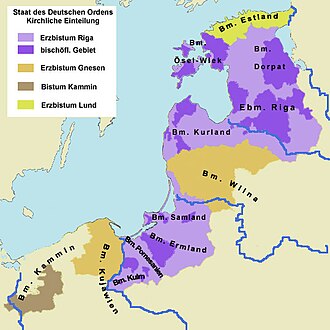
Situation after the conquest in the late 13th century. Areas in purple under control of the Monastic State of the Teutonic Knights.

1466年のトールノ和約により、領土はポーランドの属領となる「王領プロイセン」と、後にポーランドの封土となる「プロイセン公国」に分断されました。1525年、アルブレヒト1世が騎士団国家を世俗化し、プロイセン公国を設立したことで、近代的な国家としての歩みが始まります。
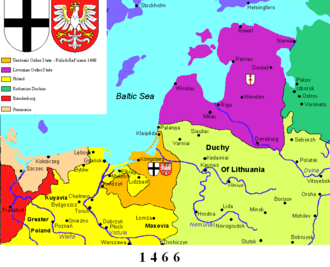
The Teutonic Order (orange) following the Second Peace of Thorn (1466)

その後、プロイセン公国はブランデンブルク選帝侯家(ホーエンツォレルン家)と結びつきました。1618年に個人同盟を結んだことで「ブランデンブルク=プロイセン」という、地理的に離れた領土を持つ複合国家が誕生しました。
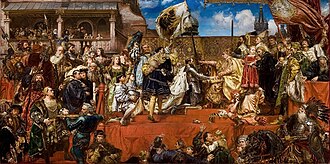
Prussian Homage by Jan Matejko. After admitting the dependence of Prussia to the Polish Crown, Albert of Prussia receives Ducal Prussia as a fief from King Sigismund I the Old of Poland in 1525.

王国への昇格と強国への道

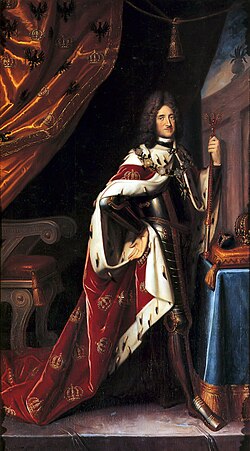
1701年、選帝侯フリードリヒ3世は自らをフリードリヒ1世と称し、プロイセン王国を宣言しました。これにより、プロイセンはヨーロッパの主要国としての地位を確立し始めます。特に18世紀のフリードリヒ2世(フリードリヒ大王)の時代には、軍事力の強化と内政改革が進み、ポーランド分割への参加などを通じて領土を大幅に拡大させました。
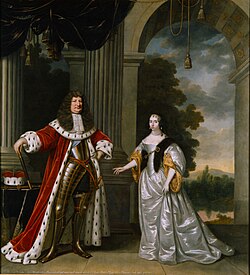
The "Great Elector" and his wife
Frederick I, King in Prussia
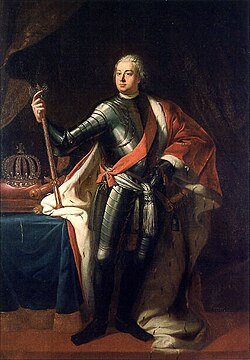
King Frederick William I, "the Soldier-King"
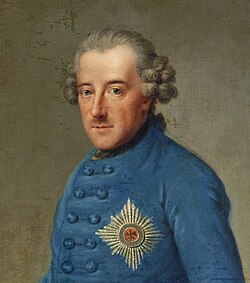
King Frederick II, "the Great"

ナポレオン戦争後のウィーン会議(1814-15年)では、工業地帯であるルール地方などの新領土を獲得し、経済的・政治的な影響力をさらに強めました。この時期のプロイセンは、宗教的迫害から逃れてきたユグノーなどの移民を積極的に受け入れ、国家の近代化を推進しました。
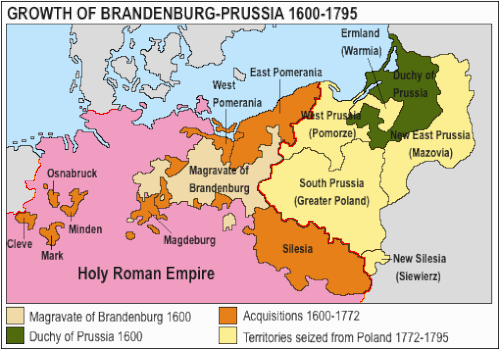
Growth of Brandenburg-Prussia, 1600–1795

ドイツ統一の主導と帝国の時代

19世紀後半、プロイセンはオットー・フォン・ビスマルクの指導のもと、「鉄血政策」によるドイツ統一へと突き進みます。デンマークとのシュレスヴィヒ=ホルシュタイン問題、オーストリアとの戦争、そしてフランスとの普仏戦争を経て、1871年にドイツ帝国が成立しました。
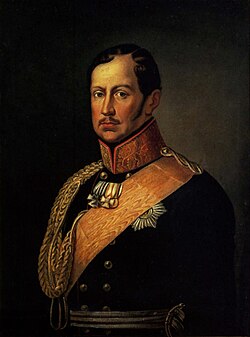
King Frederick William III
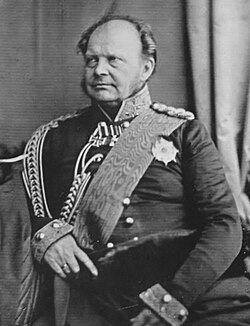
King Frederick William IV
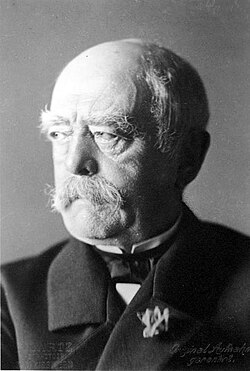
Otto von Bismarck
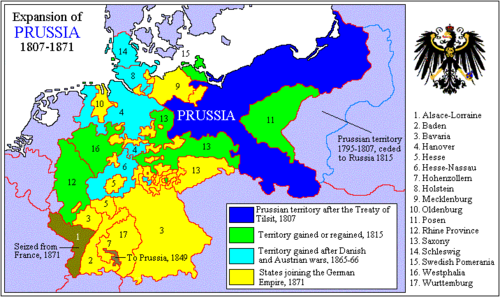
Expansion of Prussia, 1807–1871

帝国成立後、プロイセンは帝国最大の構成国として圧倒的な支配力を持ちました。プロイセンの貴族階級であるユンカー(地主貴族)が政治・軍事の中枢を担い、その保守的な価値観が帝国全体の性格を決定づけました。
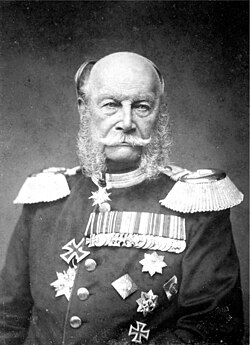
Kaiser Wilhelm I
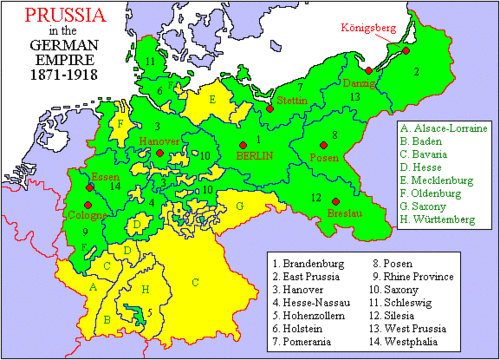
Prussia in the German Empire from 1871 to 1918
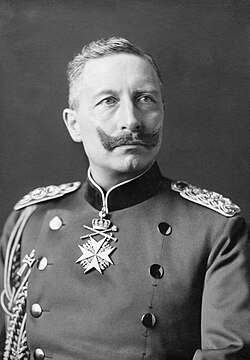
Kaiser Wilhelm II

共和国時代から国家の消滅まで

第一次世界大戦の敗北後、君主制は崩壊し、プロイセンは「プロイセン自由州」としてワイマール共和国の一部となりました。一時は民主的な政党連合が統治しましたが、1930年代に入るとナチス党が農村部や東部地域で支持を広げ、次第に権力を掌握していきました。
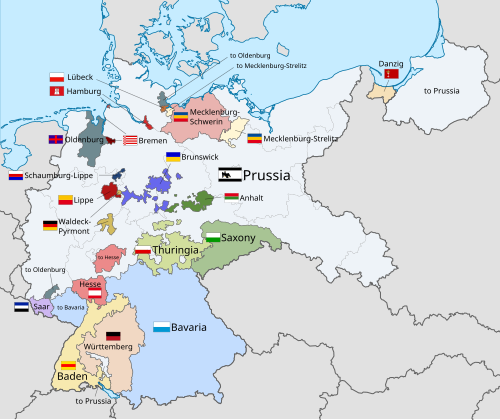
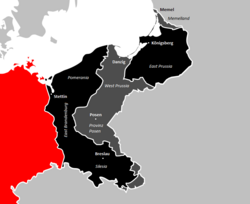
Federal states of the Weimar Republic, with Prussia in light gray. After World War I the provinces of Posen and West Prussia came largely to the 2nd Polish Republic; Posen-West Prussia and the West Prussia district were formed from the remaining parts.
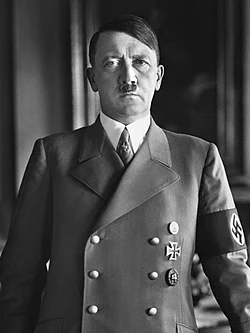
Adolf Hitler
Territory lost after World War I Territory lost after World War II Present-day Germany
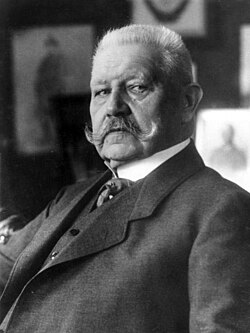
Paul von Hindenburg

1933年以降、ナチスによる一党独裁体制の下でプロイセンの独立性は事実上失われ、1947年には連合国の命令によって、軍国主義の温床となったとして法的に完全に廃止されました。かつての領土は、現在のドイツの複数の州や、ポーランド、ロシア(カリーニングラード州)に分割されました。
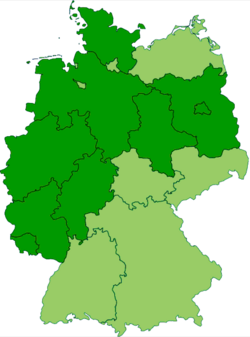
Map of the current states of Germany, in dark green are states that are completely or mostly situated inside the old borders of Imperial Germany's Kingdom of Prussia
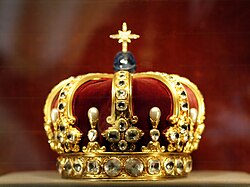
Prussian King's Crown (Hohenzollern Castle Collection)

社会・文化的な特徴

プロイセン社会は、厳格な規律と効率性を重視する文化で知られていました。宗教面では、1525年にルター派を公認して以来、プロテスタント(ルター派およびカルヴァン派)が主流でしたが、カトリックやユダヤ教徒などの少数派も共存していました。
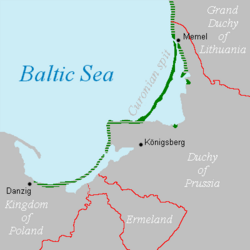
In 1649, Kursenieki settlements along the Baltic coastline of East Prussia spanned from Memel (Klaipėda) to Danzig (Gdańsk).
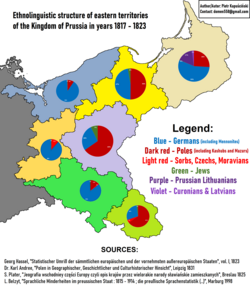
Ethnic structure of the eastern regions of Prussia between 1817 and 1823
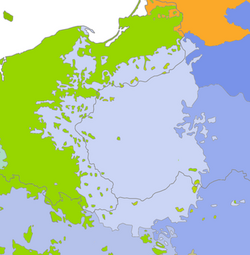
Polish language distribution (light blue) in 1910

また、教育への強い投資を行い、近代的な学校制度を整備したことも特徴です。ベルリンには多くの美術館や博物館が建設され、文化的な中心地としての発展も遂げました。
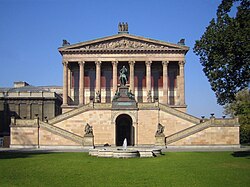
The Alte Nationalgalerie in Berlin

プロイセンの概要まとめ

プロイセン国家の変遷概要
項目 詳細
統治期間 1525年 〜 1947年
主な統治家系 ホーエンツォレルン家
政治体制 封建君主制 → 絶対君主制 → 立憲君主制 → 共和国 → ファシスト国家
主要言語 ドイツ語(公用語)、ポーランド語、リトアニア語などの少数言語
主要宗教 プロテスタント(ルター派・カルヴァン派)が多数
主要都市 ケーニヒスベルク、ベルリン

よくある質問(FAQ)

プロイセンとドイツ帝国の違いは何ですか?

プロイセンはドイツ帝国を構成していた一つの「州(国家)」でしたが、その規模と権力が圧倒的に大きかったため、実質的に帝国を支配していました。ドイツ帝国はプロイセンを含む複数のドイツ諸邦が統合してできた連邦国家です。

なぜプロイセンは「軍事国家」と呼ばれたのですか?

厳しい規律を持つ強力な常備軍を維持し、国家運営の多くを軍事的な効率性に基づいて構築していたためです。特にフリードリヒ大王の時代にその傾向が強まり、軍事力が国力の象徴となりました。

ユンカーとはどのような人々ですか?

プロイセン東部の広大な土地を所有していた地主貴族のことです。彼らは行政や軍隊の幹部ポストを独占し、プロイセンの保守的な政治体制を支える特権階級として機能しました。

プロイセンはなぜ最終的に消滅したのですか?

第二次世界大戦後、連合国(米英ソ仏)はプロイセンを「ドイツの軍国主義と権威主義の象徴」と見なしました。そのため、再発防止策としてプロイセンという国家単位を法的に消滅させ、領土を分割・再編したためです。

References

  1. Monarchy abolished in 1918, abolished as a state of Germany in 1947
  2. Monarchy abolished in 1918, abolished as a state of Germany in 1947

📸 フォトギャラリー

Situation after the conquest in the late 13th century. Areas in purple under control of the Monastic State of the Teutonic Knights.
The Teutonic Order (orange) following the Second Peace of Thorn (1466)
Prussian Homage by Jan Matejko. After admitting the dependence of Prussia to the Polish Crown, Albert of Prussia receives Ducal Prussia as a fief from King Sigismund I the Old of Poland in 1525.
The "Great Elector" and his wife
Frederick I, King in Prussia
King Frederick William I, "the Soldier-King"
King Frederick II, "the Great"
Growth of Brandenburg-Prussia, 1600–1795
King Frederick William III
King Frederick William IV
Otto von Bismarck
Expansion of Prussia, 1807–1871
Kaiser Wilhelm I
Prussia in the German Empire from 1871 to 1918
Kaiser Wilhelm II
Federal states of the Weimar Republic, with Prussia in light gray. After World War I the provinces of Posen and West Prussia came largely to the 2nd Polish Republic; Posen-West Prussia and the West Prussia district were formed from the remaining parts.
Adolf Hitler
Territory lost after World War I Territory lost after World War II Present-day Germany
Paul von Hindenburg
Map of the current states of Germany, in dark green are states that are completely or mostly situated inside the old borders of Imperial Germany's Kingdom of Prussia
Prussian King's Crown (Hohenzollern Castle Collection)
In 1649, Kursenieki settlements along the Baltic coastline of East Prussia spanned from Memel (Klaipėda) to Danzig (Gdańsk).
Ethnic structure of the eastern regions of Prussia between 1817 and 1823
Polish language distribution (light blue) in 1910
The Alte Nationalgalerie in Berlin