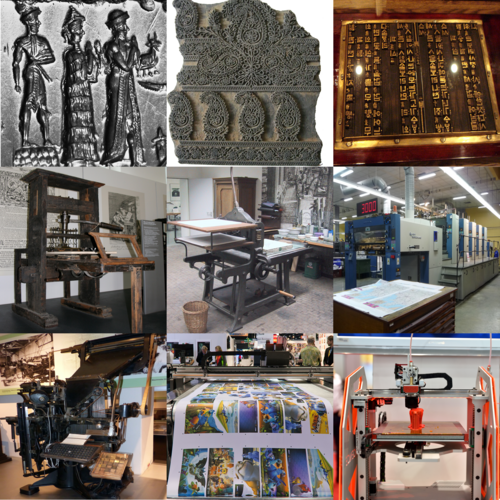
人類の知識を保存し、広く共有することを可能にした印刷技術は、数千年にわたる絶え間ない革新の歴史を持っています。古代の単純なスタンプから、現代のデジタル製造まで、印刷は単なる文字の転写から、立体的な造形へとその領域を広げてきました。
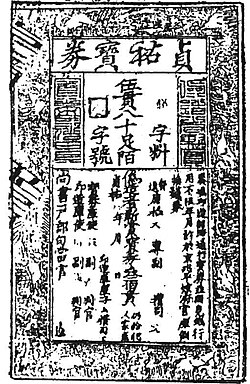
印刷の原点は、紀元前10,000年頃のピンタデラ(スタンプ)にまで遡ります。その後、東アジアで発展した木版印刷が、情報の大量複製という概念を世界に定着させました。特に9世紀の中国では、紙への印刷が普及し、現存する最古の印刷本である『金剛経』(868年)が誕生しました。当時の熟練した職人は、1日に最大2,000枚の二つ折りページを印刷できたと伝えられています。
![The intricate frontispiece of the Diamond Sutra from Tang dynasty China, AD 868 (British Library), discovered at the Library Cave of Mogao Caves in Dunhuang, but probably printed in Sichuan.[7]](/images/80/6c/806c9aeefbc78263d4dd3ee843397ec73db745f60ae31415f72caec39ba24b09.jpg)
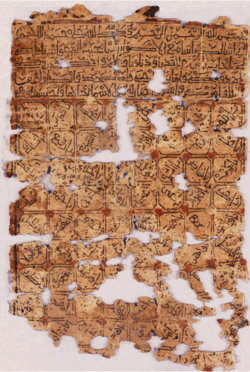
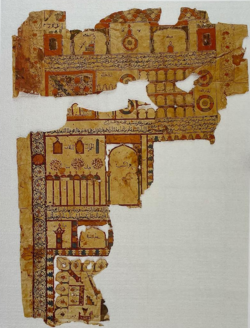
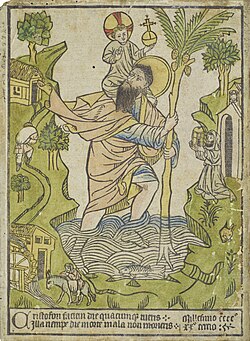
この技術は朝鮮半島や日本へも伝わり、さらにペルシャやロシア、そして1400年頃にはヨーロッパへと到達しました。ヨーロッパでは当初、布地への印刷や、宗教的な図像、トランプなどの印刷に利用されました。
活版印刷の誕生と普及
印刷史における最大の転換点の一つが、個別の文字を組み合わせてページを構成する活版印刷の登場です。1230年頃、朝鮮半島でブロンズを用いた金属活字が発明されました。1377年に刊行された『直指心体要節(直指)』は、世界最古の金属活字本として知られています。この製法は、硬いブナの木で文字を彫り、それを柔らかい粘土に押し付けて型を作り、そこにブロンズを流し込むという、貨幣鋳造に近い手法が用いられていました。
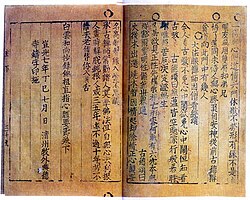
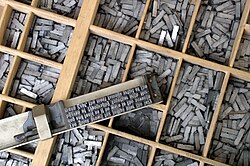
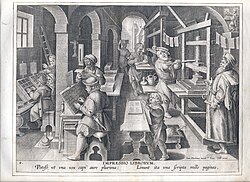
その後、15世紀半ばにヨハネス・グーテンベルクがヨーロッパで印刷機を開発し、知識の爆発的な普及を促しました。これにより、宗教的な影響のみならず、教育の普及や学術言語の統一など、社会構造そのものに劇的な変化がもたらされました。
産業革命と印刷の高速化
19世紀に入ると、印刷は手作業から機械化へと移行します。1843年にリチャード・M・ホーがアメリカで発明した蒸気駆動の輪転機は、1日に数百万ページという驚異的な印刷量を実現しました。ロール紙の導入により連続供給が可能となり、印刷速度は飛躍的に向上しました。初期の設計では1時間あたり8,000ページを処理できましたが、19世紀末には1時間あたり数万枚のシートを印刷できるまでになりました。
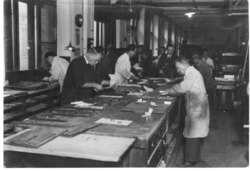
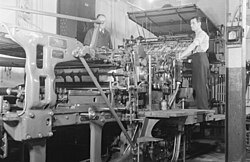
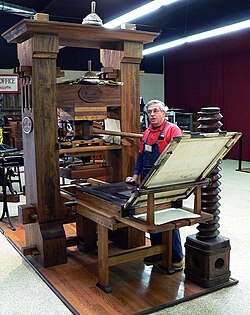
また、16世紀から18世紀にかけてのヨーロッパでは、活版印刷による書籍の生産量が急増し、情報の民主化が進みました。
![European output of books printed by movable type from c. 1450 to 1800[49]](/images/e5/24/e5246ab52b4bf424dccbb8070e7b590a7cf23faf265ed4f86012668c31b6ebee.webp)
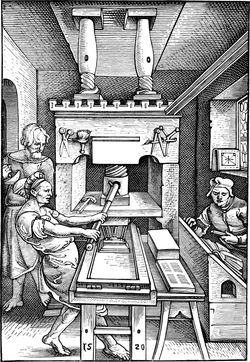
現代の印刷プロセスと多様な技法
現代の印刷は、大きく分けて「イメージ領域(印刷される部分)」と「非イメージ領域(印刷されない部分)」を制御することで行われます。代表的な手法には、版にインクを乗せて転写するオフセット印刷や、凹版を利用して深い色合いを出すグラビア印刷、柔軟な版を用いるフレキソ印刷などがあります。
さらに、Tシャツなどの不規則な表面に印刷できるスクリーン印刷や、複雑な3次元表面に対応するパッド印刷など、用途に合わせた多様な技術が使い分けられています。
デジタル革命と3Dプリンティング
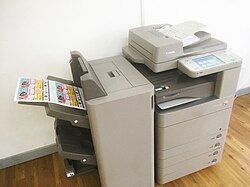
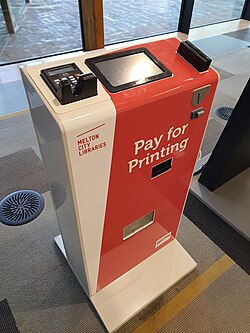
20世紀後半からは、物理的な「版」を必要としないデジタル印刷が登場しました。インクジェット方式やレーザー方式(静電写真法)の普及により、少部数の印刷やオンデマンド印刷が可能となりました。現代のデジタルプリンターは、単なる印刷だけでなく、スキャンやコピー、製本までを一台でこなす多機能機へと進化しています。
そして、最新のフロンティアが3Dプリンティング(積層造形)です。1980年代に登場したこの技術は、平面へのインク塗布ではなく、素材を層状に積み上げることで立体物を造形します。これにより、製造業や医療分野に革命的な変化をもたらしています。
Key Facts
- 最古の印刷本: 868年の中国で印刷された『金剛経』。
- 金属活字の先駆: 1377年の朝鮮半島で刊行された『直指』が最古の金属活字本。
- 高速化の鍵: 1843年の輪転機の発明により、1日数百万人分への情報提供が可能になった。
- デジタル化: 20世紀後半に版を必要としないインクジェットやレーザー印刷が普及。
- 次元の拡張: 1986年以降、3Dプリンティングにより「印刷」の概念が立体造形へと拡大。
印刷方式の比較まとめ
| 印刷方式 | 転写方法 | 特徴 | 適した部数 |
|---|---|---|---|
| オフセット印刷 | ローラー | 高品質で汎用性が高い | 中〜大部数 |
| グラビア印刷 | ローラー | 厚いインク層、優れた再現性 | 超大部数 |
| スクリーン印刷 | 孔を通した圧搾 | 多様な素材・不規則な面に適応 | 小〜中部数 |
| インクジェット | 熱・圧電噴射 | 版不要、オンデマンド対応 | 極小部数 |
Frequently Asked Questions
活版印刷は誰が最初に発明しましたか?
一般的にグーテンベルクが有名ですが、それよりかなり前に朝鮮半島で金属活字が発明されており、1377年の『直指』がその最古の例として知られています。
オフセット印刷とデジタル印刷の違いは何ですか?
オフセット印刷は物理的な「版」を作成して大量に転写する方式で、大量印刷時にコスト効率が高くなります。一方、デジタル印刷は版を作らずにデータを直接出力するため、1枚からの少部数印刷に適しています。
3Dプリンティングは従来の印刷と何が違うのですか?
従来の印刷が平面(2次元)にインクを乗せるのに対し、3Dプリンティングは素材を層状に積み重ねて立体的な物体(3次元)を作り出すため、製造業に近い技術と言えます。
輪転機は印刷にどのような影響を与えましたか?
蒸気機関による高速回転が可能になったことで、新聞などの大量発行が実現し、情報の伝達速度と普及範囲が飛躍的に拡大しました。
References
- An early method of reproduction that has been traced to the second century is of using needles pushed through a stencil onto the target paper, fabric or plaster, to provide guidelines for subsequent artwork: this cannot reasonably be described as printing.
📸 フォトギャラリー