Handprints at the Cueva de las Manos in Santa Cruz Province, Argentina, created c. 7300 BCE
← ホームへ戻る

印刷の歴史古代の印章からデジタルプリントまで

🗓 2026年8月13日

人類が情報を記録し、それを複製して共有しようとする欲求は、文明の発展とともに進化してきました。単純な印章から始まり、東アジアで花開いた木版印刷、そして世界を変えた欧州の活版印刷。現代のデジタルプリントに至るまで、印刷技術は知識の民主化と文化の伝播に決定的な役割を果たしてきました。

Key Facts

  • 最古の形態: 紀元前4千年紀のシュメール文明などで使われた円筒印章が印刷の原点の一つ。
  • 東アジアの先駆: 7世紀の中国で木版印刷が始まり、世界最古の印刷本(日付あり)は868年の『金剛経』。
  • 活字の発明: 11世紀に中国の畢昇(ひっせい)が発明。最古の金属活字本は1377年の朝鮮半島製『直指心体要節』。
  • 欧州の革命: 1440年頃、ヨハネス・グーテンベルクが印刷機と活版印刷を実用化し、知識の爆発的普及を招いた。
  • 現代の進化: 20世紀以降、オフセット印刷、レーザー、インクジェット、そして3Dプリンティングへと多様化した。

印刷の黎明期:印章とスタンプ

印刷の概念は、文字を書き写すのではなく「型」を用いて転写することから始まりました。紀元前4千年紀のプロト・エラム文明やシュメール文明では、粘土板に文書を認証するための円筒印章が使用されていました。また、中国の商代(紀元前1600年頃〜)からは印章が使われ、西周時代には青銅器の鋳造用型に印章が用いられるなど、実用的な転写技術が発展しました。

こうした初期の技術は、単なる認証手段から、陶器への印刷や布地への模様付けへと広がっていきました。アルゼンチンのクエバ・デ・ラス・マノスに見られるような太古の手形跡も、広義の転写行為と言えるでしょう。
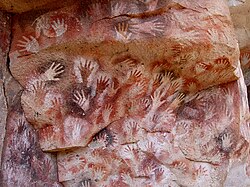
Handprints at the Cueva de las Manos in Santa Cruz Province, Argentina, created c. 7300 BCE
Brick stamp of Shar-Kali-Sharri, National Museum of Iraq[5]

東アジアにおける木版印刷の隆盛

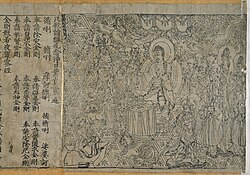
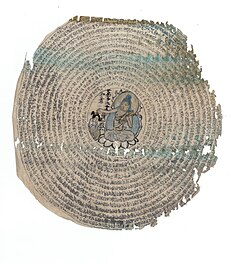
7世紀の唐代中国において、紙にテキストを印刷する木版印刷が確立されました。この技術は仏教の普及とともに急速に広まり、朝鮮半島や日本へも伝わりました。868年に印刷された『金剛経』は、正確な制作日付が残っている世界最古の印刷本として知られています。

日本でも8世紀頃に印刷技術が導入され、聖武天皇の命により100万部の経典が作られた「百万塔陀羅尼」などが現存しています。また、中国では宋代に広告用の銅版印刷(劉家針店)が登場するなど、宗教書以外への応用も進みました。
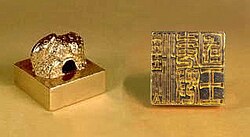
The King of Na gold seal, bestowed by Emperor Guangwu of Han to Wana (Yayoi Japan) in 57 CE
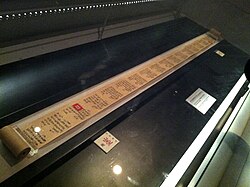
A fragment of a dharani print in Sanskrit and Chinese, c. 650–670, Tang dynasty
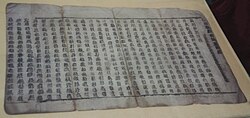
Replica of The Great Dharani Sutra, the oldest printed text in Korea, c. 704–751
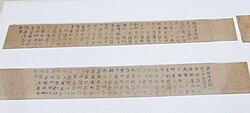
The Hyakumantō Darani, the oldest printed text in Japan, c. 770
The frontispiece of the Tang-era Diamond Sutra, the earliest extant printed text bearing a date of production, 868 (British Library)
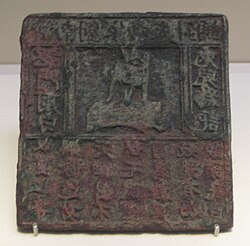
Song dynasty (960–1279) bronze plate advertising print for the Liu family needle shop at Jinan. Earliest extant print advertisement.

活字技術の誕生と展開

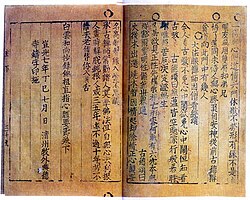
木版印刷はページごとの彫刻が必要でしたが、11世紀の中国で畢昇が個別の文字を組み合わせる「活字」を発明しました。当初は陶器製でしたが、後に木製や金属製へと進化しました。特に朝鮮半島の高麗時代には金属活字技術が高度に発展し、1377年には現存する最古の金属活字本『直指心体要節』が印刷されました。

日本においても、16世紀末に西洋の印刷機や朝鮮からの活字が導入されました。本阿弥光悦や角倉素庵による「嵯峨本」は、芸術性の高い活字本として知られていますが、日本語の流麗な書体を再現するには木版の方が適していたため、江戸時代には再び木版印刷が主流となりました。
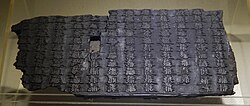
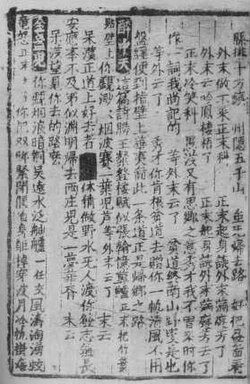
Piece of a Western Xia (1038–1277) wooden printing block for a Buddhist text written in Tangut script. Discovered in 1990 in the Hongfo Pagoda in Helan County, Ningxia.
Yuan dynasty woodblocks edition of a Chinese play
Ceramic movable type print from Western Xia. Found in Wuwei, Gansu
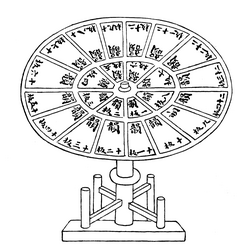
A revolving typecase for wooden type in China, from Wang Zhen's book published in 1313
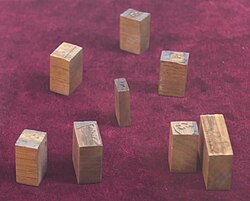
Wooden movable type for Old Uyghur alphabet, dated to the 12th–13th centuries. Discovered in the Mogao caves.
Jikji: Selected Teachings of Buddhist Sages and Seon Masters, the earliest known book printed with movable metal type, 1377. Bibliothèque Nationale de France, Paris.
Saga-bon (嵯峨本 [ja], Saga Books): libretto for the Noh play Katsuragi by Hon'ami Kōetsu. The Saga-bon is one of the earliest works produced on a movable type press in Japan.

欧州の印刷革命とグーテンベルク

15世紀半ば、ドイツのヨハネス・グーテンベルクが活版印刷機を開発しました。彼は金属活字の鋳造、油性インク、そしてプレス機を組み合わせることで、大量かつ高速な書籍生産を可能にしました。これにより、聖書などの知識が特権階級から一般市民へと解放され、ルネサンスや宗教改革を加速させる原動力となりました。

東アジアの技術が欧州に伝わったという説もありますが、グーテンベルクのシステム(特にプレス機や鋳造法)は独自性が強く、多くの研究者は独立した進化であると考えています。その後、欧州では凹版印刷(エッチングやメゾチント)や石版印刷(リトグラフ)など、芸術的な表現を追求する技法が次々と誕生しました。

European output of books printed by movable type from ca. 1450 to 1800[111]
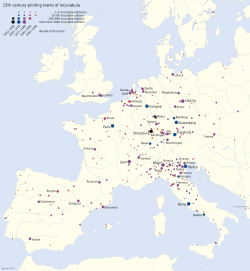
The rapid spread of printing from Mainz in the 15th century
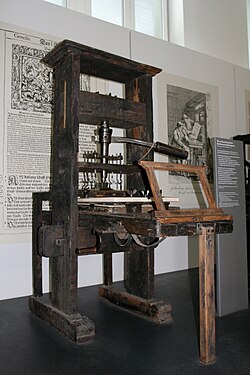
Printing press from 1811, photographed in Munich, Germany
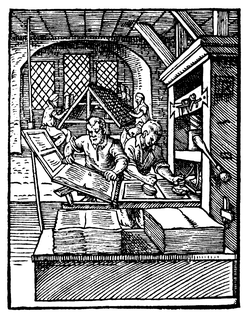
In this woodblock print from 1568, the printer at left is removing a page from the press while the one at right inks the forme.
Intaglio printing. The top line is the paper, to which a slightly raised layer of ink adheres; the matrix is beneath.

近代からデジタル時代への移行

産業革命以降、印刷はさらなる高速化と効率化を遂げました。19世紀には回転プレス機が登場し、新聞などの大量発行が可能になりました。また、水と油の反発を利用したオフセット印刷の普及により、現代の商業印刷の基礎が築かれました。

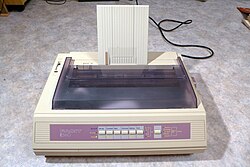
20世紀後半からは、電子技術との融合が進みます。ドットマトリクス、レーザー、インクジェットといったデジタル印刷技術が登場し、個別のニーズに合わせたオンデマンド印刷が可能になりました。さらに、平面的な印刷から立体的な造形を行う3Dプリンティングへと、その概念は拡張し続けています。
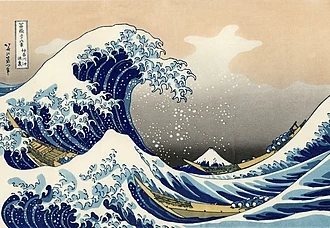
Under the Wave off Kanagawa by Hokusai (1760-1849), a ukiyo-e artist
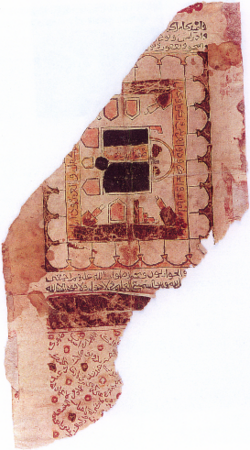
1230s Printed Hajj certificate featuring the Kaaba
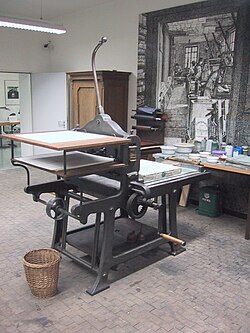
Lithography press for printing maps in Munich
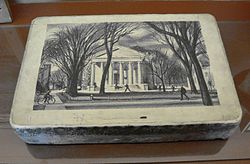
Stone used for a lithograph with a view of Princeton University (Collection: Princeton University Library, NJ)
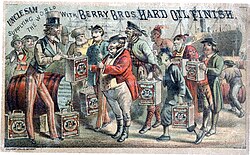
Calvert Lithographic Company, Detroit, MI. Uncle Sam Supplying the World with Berry Brothers Hard Oil Finish, c. 1880. Noel Wisdom Chromolithograph Collection, Special Collections Department, the University of South Florida Tampa Library.
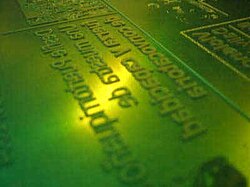
A flexographic printing plate
An image of a Facit E560 dot matrix printer

印刷技術の変遷まとめ

印刷技法の時代別概要
時代/区分 主要技法 特徴 代表的な例・人物
古代 印章・スタンプ 粘土や布への転写 シュメール円筒印章
中世(東アジア) 木版印刷 板に文字を彫り印刷 金剛経、百万塔陀羅尼
中世(東アジア) 活版印刷(初期) 個別の活字を組み合わせて使用 畢昇、直指心体要節
ルネサンス(欧州) 活版印刷機 プレス機による大量生産 ヨハネス・グーテンベルク
近代 石版・オフセット 化学的原理や回転プレスを利用 商業新聞、ポスター
現代 デジタル・3D 電子データからの直接出力 レーザー、インクジェット、3Dプリンタ

Frequently Asked Questions

世界で最初に印刷本を作ったのはどこですか?

正確な日付が確認されている最古の印刷本は、868年に中国で木版印刷された『金剛経』です。ただし、それ以前から木版による断片的な印刷は行われていたと考えられています。

グーテンベルクは中国の技術を真似したのでしょうか?

中国や朝鮮の活字技術が欧州に影響を与えたという説は古くからありますが、決定的な証拠は見つかっていません。グーテンベルクのプレス機や金属鋳造法は独自に開発された可能性が高く、多くの学者は「収斂進化(異なる経路で似た結果に到達すること)」であると見ています。

なぜ東アジアでは活字よりも木版印刷が好まれたのですか?

漢字は文字数が非常に多く、数万個の活字を揃えて管理するコストが膨大だったためです。また、日本の連綿体のような流麗な書体を再現するには、板に直接彫る木版の方が芸術的に適していたという理由もあります。

金属活字の最古の例は何ですか?

現存する最古の金属活字本は、1377年に朝鮮半島の高麗時代に印刷された『直指心体要節(直指)』です。これはグーテンベルクの聖書よりも数十年早く制作されました。

3Dプリンティングは従来の印刷と何が違うのですか?

従来の印刷が紙などの平面にインクを定着させる「2次元」の技術であるのに対し、3Dプリンティングは素材を層状に積み重ねて立体物を造形する「3次元」の技術である点が根本的に異なります。

References

  1. 吉星, 潘. 中國金屬活字印刷技術史 (in Chinese). pp. 41–54.
  2. Ghosh, Pallab (8 October 2014). "Cave paintings change ideas about the origin of art". BBC News.
  3. , Prints and People, Metropolitan Museum of Art/Princeton, 1971, no. 51, 65, 80,  
  4. , Prints and People, Metropolitan Museum of Art/Princeton, 1971, no. 15,  
  5. Hnaihen, Kadim Hasson (2020). "The Appearance of Bricks in Ancient Mesopotamia". Athens Journal of History: 83–84.
  6. Zwalf, Buddhism: Art and Faith (London: British Museum, 1985).
  7. , p. 909.
  8. "The History Behind … Signet Rings". National Jeweler. Retrieved 2020-08-21.
  9. Seibt, Werner (19 June 2016). "The Use of Monograms on Byzantine Seals in the Early Middle-Ages (6th to 9th Centuries)". Parekbolai. An Electronic Journal for Byzantine Literature. 6: 1–14. :10.26262/par.v6i0.5082. Retrieved 20 March 2021.
  10. , p. 6.

📸 フォトギャラリー

Handprints at the Cueva de las Manos in Santa Cruz Province, Argentina, created c. 7300 BCE
Brick stamp of Shar-Kali-Sharri, National Museum of Iraq[5]
The King of Na gold seal, bestowed by Emperor Guangwu of Han to Wana (Yayoi Japan) in 57 CE
A fragment of a dharani print in Sanskrit and Chinese, c. 650–670, Tang dynasty
Replica of The Great Dharani Sutra, the oldest printed text in Korea, c. 704–751
The Hyakumantō Darani, the oldest printed text in Japan, c. 770
The frontispiece of the Tang-era Diamond Sutra, the earliest extant printed text bearing a date of production, 868 (British Library)
Piece of a Western Xia (1038–1277) wooden printing block for a Buddhist text written in Tangut script. Discovered in 1990 in the Hongfo Pagoda in Helan County, Ningxia.
Yuan dynasty woodblocks edition of a Chinese play
Song dynasty (960–1279) bronze plate advertising print for the Liu family needle shop at Jinan. Earliest extant print advertisement.
Under the Wave off Kanagawa by Hokusai (1760-1849), a ukiyo-e artist
1230s Printed Hajj certificate featuring the Kaaba
Ceramic movable type print from Western Xia. Found in Wuwei, Gansu
A revolving typecase for wooden type in China, from Wang Zhen's book published in 1313
Wooden movable type for Old Uyghur alphabet, dated to the 12th–13th centuries. Discovered in the Mogao caves.
Jikji: Selected Teachings of Buddhist Sages and Seon Masters, the earliest known book printed with movable metal type, 1377. Bibliothèque Nationale de France, Paris.
Saga-bon (嵯峨本 [ja], Saga Books): libretto for the Noh play Katsuragi by Hon'ami Kōetsu. The Saga-bon is one of the earliest works produced on a movable type press in Japan.
European output of books printed by movable type from ca. 1450 to 1800[111]
The rapid spread of printing from Mainz in the 15th century
Printing press from 1811, photographed in Munich, Germany
In this woodblock print from 1568, the printer at left is removing a page from the press while the one at right inks the forme.
Intaglio printing. The top line is the paper, to which a slightly raised layer of ink adheres; the matrix is beneath.
Lithography press for printing maps in Munich
Stone used for a lithograph with a view of Princeton University (Collection: Princeton University Library, NJ)
Calvert Lithographic Company, Detroit, MI. Uncle Sam Supplying the World with Berry Brothers Hard Oil Finish, c. 1880. Noel Wisdom Chromolithograph Collection, Special Collections Department, the University of South Florida Tampa Library.
A flexographic printing plate
An image of a Facit E560 dot matrix printer