東南アジアの広大な地域で話されているマレー語は、単なる一国の言語ではなく、数千年にわたる文化交流と政治的変動を反映したダイナミックな歴史を持っています。オーストロネシア語族の一翼を担うこの言語は、貿易、宗教の伝播、そして植民地支配という激動の時代を経て、現在のマレーシア語やインドネシア語へと分化しました。
Key Facts
- 起源:オーストロネシア語族のプロト・マレー・ポリネシア語から派生。
- 役割:古くから東南アジアの商業と外交における共通語(リンガ・フランカ)として機能。
- 文字の変遷:パッラヴァ文字やカウィ文字から、イスラム教伝来後のジャウィ文字、そして現代のラテン文字へ移行。
- 分化:20世紀に入り、政治的独立とともにマレーシアの「マレー語」とインドネシアの「インドネシア語」として標準化。
古代マレー語の時代(1世紀〜14世紀)
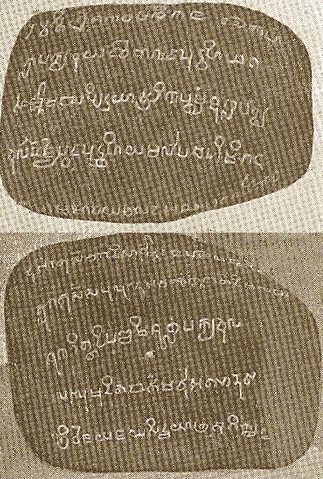
マレー語の最も古い形態は、東南アジアに最初に入植したオーストロネシアの人々が話していた言語に遡ります。その後、インド文化や宗教の影響を受けることで「古代マレー語」へと進化しました。この時代の記録には、インド由来のパッラヴァ文字やカウィ文字、あるいはレンコン文字が使用されていたと考えられています。
![Detail of Rencong script, a writing system found in central Sumatra, Indonesia.[1] The text reads (Voorhoeve's spelling): "haku manangis ma / njaru ka'u ka'u di / saru tijada da / tang [hitu hadik sa]", which is translated by Voorhoeve as: "I am weeping, calling you; though called, you do not come" (hitu adik sa- is the rest of 4th line.)](/images/4a/63/4a63b17481c5fa5025a5b02011d0aa1e68da22f0b77fad1a330c07175e9ef0ab.jpg)
南スマトラで見つかったシュリヴィジャヤ王国の碑文は、古代マレー語の貴重な資料です。一部の言語学者は、この時代の言語が後の古典マレー語の直接的な先祖であるか、あるいは近い親戚関係にあるのかについて議論を続けていますが、現代語に通じる基礎はこの時期に形成されました。
古典マレー語の黄金期(14世紀〜18世紀)
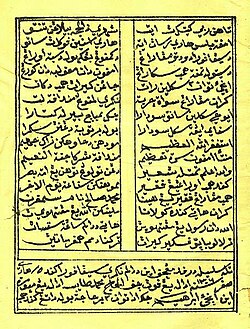
14世紀頃からイスラム教が浸透し、国教として採用されたことで、マレー語は「古典マレー語」という新たな段階に入ります。この時期、アラビア語やペルシャ語の語彙が大量に流入し、言語構造に大きな影響を与えました。また、アラビア文字をベースにしたジャウィ文字が普及し、宗教的・文学的な記録に用いられるようになりました。
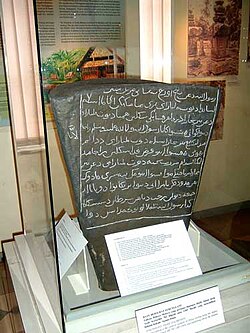
特に15世紀のマラッカ王国は、貿易と宗教の中心地として繁栄し、マラッカで発展した方言が地域全体の標準となりました。これにより、マレー語は民族の枠を超えた商業・外交の共通語(リンガ・フランカ)としての地位を確立しました。一方で、庶民や商人たちの間では、簡略化された「バザール・マレー語(Melayu Pasar)」が広まり、それが後にババ・マレー語やベタウィ・マレー語などのクレオール言語を生む土壌となりました。
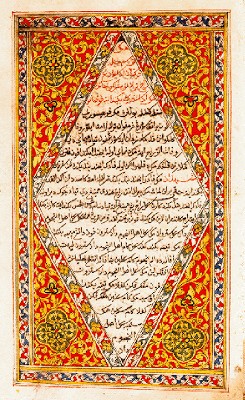
この時代には、外交文書としてもマレー語が重用されました。テルナテのスルタンからポルトガル王へ、あるいはアチェのスルタンからイギリス王へ送られた書簡などがその証拠です。また、キリスト教の布教に伴い、16世紀から17世紀にかけて聖書の翻訳作業が進められ、ラテン文字による表記も導入され始めました。
近代への移行と文学の発展(19世紀)
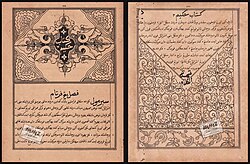
19世紀になると、伝説や民話中心だった文学から、正確な歴史記述や社会批評へと関心が移ります。その先駆者が「近代マレー文学の父」と呼ばれるアブドゥッラー・ムンシです。彼は自伝的な作品や旅行記を執筆し、マレー語文学にリアリズムをもたらしました。
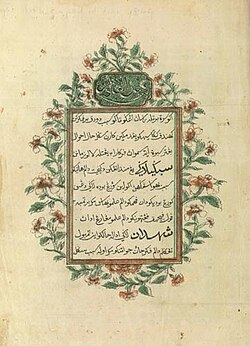
また、ラジャ・アリ・ハジのような学者による言語研究や、女性作家ラジャ・アイシャ・スライマンによる作品など、知的な創作活動が活発化しました。19世紀後半には、シンガポールやスラバヤなどでジャウィ文字やラテン文字を用いた新聞が創刊され、情報の伝達速度が飛躍的に向上しました。
現代マレー・インドネシア語の確立(20世紀〜現在)
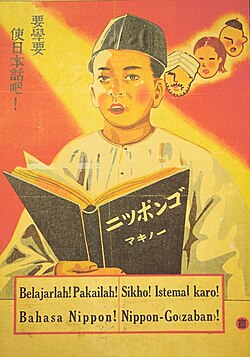
20世紀に入ると、ナショナリズムの高まりとともに言語の標準化が進みました。1928年の「青年の誓い(Sumpah Pemuda)」により、インドネシアではマレー語をベースとした「インドネシア語」が統一言語として宣言されました。その後、1945年の独立を経て、インドネシアの国語として憲法に明記されました。
一方のマレーシアでは、1957年の独立後にマレー語が国語となり、1956年に設立された Dewan Bahasa dan Pustaka(言語文学院)が言語の調整を担いました。ブルネイやシンガポールでも同様にマレー語が国語としての地位を得ています。現代では、文法構造が古典的な受動態から能動態へと変化し、学術的な語彙も大幅に拡充されています。
言語の比較と現状
現在、マレーシア語とインドネシア語は非常に近い関係にありますが、語彙や表現に差異が見られます。マレーシア側は両者を同一言語のバリエーションと捉える傾向にあり、インドネシア側は独立した言語として扱う傾向があります。こうした差異を埋めるため、MABBIM(ブルネイ・インドネシア・マレーシア言語評議会)などの機関を通じて、言語的な協力と調整が行われています。
| 標準マレー語 | マレーシア的表現 | インドネシア的表現 | 英語訳 |
|---|---|---|---|
| perhimpunan itu terdiri daripada orang-orang hebat | yang berkumpul itu orang besar | perkumpulan itu terdiri dari orang besar | The gathering consisted of great people |
| ada orang ramai | ramai sangat orang | ada keramaian besar | There is a big crowd |
Frequently Asked Questions
マレー語とインドネシア語は同じ言語ですか?
歴史的なルーツは同じですが、現在は異なる国家の標準語として個別に発展しています。相互に理解可能な部分が多いものの、語彙やニュアンスに違いがあり、特にインドネシア語はオランダ語の影響、マレーシア語は英語の影響を強く受けています。
ジャウィ文字とは何ですか?
イスラム教の伝播とともに導入された、アラビア文字をベースにした表記体系です。古典マレー語の時代に広く使われ、宗教書や王室の文書、初期の新聞などに用いられました。
なぜマレー語が東南アジアの共通語になったのですか?
マラッカ王国などの貿易拠点が繁栄した際、マレー語が商業や外交の効率的なツールとして機能したためです。複雑な階級制度を持つ他言語に比べ、比較的習得しやすく、実用的であったことが要因とされています。
現代のマレー語で使われている文字は何ですか?
現在は主にラテン文字(ローマ字)が使用されています。20世紀初頭にオランダ領東インド(現インドネシア)とイギリス領マラヤでそれぞれ異なる綴り方(ヴァン・オプハイゼン式やウィルキンソン式など)が開発されましたが、現在はそれぞれの国で標準化されています。
References
- Voorhoeve, P. (1970). "Kerintji Documents". Bijdragen tot de Taal-, Land- en Volkenkunde. 126 (4): 369–399. :10.1163/22134379-90002797.
- , p. 149
- , p. 317
- , p. 318
- Molen, Willem van der (2008). "The Syair of Minye Tujuh". Bijdragen tot de Taal-, Land- en Volkenkunde. 163 (2/3): 356–375. :10.1163/22134379-90003689.
- , pp. 141–143
- , p. 148
- Clavé, Elsa; Griffiths, Arlo (11 October 2022). "The Laguna Copperplate Inscription: Tenth-Century Luzon, Java, and the Malay World". Philippine Studies: Historical and Ethnographic Viewpoints. 70 (2): 167–242. :10.13185/ps2022.70202 (inactive 22 December 2025). 2244-1093.
{{}}: CS1 maint: DOI inactive as of December 2025 () - (2005). "The Austronesian languages of Asia and Madagascar: A historical perspective". In ; (eds.). The Austronesian Languages of Asia and Madagascar. Abingdon: . pp. 1–42. .
📸 フォトギャラリー