Expansion of the Caliphate Muhammad, 622–632 Rashidun Caliphate, 632–661 Umayyad Caliphate, 661–750
← ホームへ戻る

アル=アンダルスの歴史イベリア半島に咲いたイスラム文明の黄金時代

🗓 2026年8月11日

中世のイベリア半島に展開したアル=アンダルスは、イスラム教の信仰と多様な文化が融合し、ヨーロッパにおいて類を見ない知的・芸術的繁栄を遂げた地域です。711年の征服から1492年のグラナダ陥落まで、約800年にわたりこの地は科学、哲学、芸術の世界的中心地として機能しました。

その名称の由来については諸説あり、伝説的なアトランティスに由来するという説や、ゴート語の用語、あるいはローマ以前の基層言語に由来するという研究結果が提示されています。

Key Facts

  • 期間: 711年から1492年まで、イベリア半島の大半をイスラム勢力が支配。
  • 黄金期: コルドバ後ウマイヤ朝時代に、学問と文化が最高潮に達した。
  • 共生: ムスリム、キリスト教徒、ユダヤ教徒が共存した「コンビベンシア(共生)」の時代が存在した。
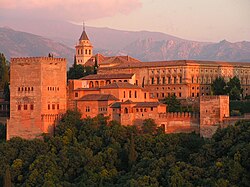
  • 遺産: アルハンブラ宮殿やコルドバのメスキータなど、世界的に有名な建築様式を確立。
  • 貢献: 医学、天文学、農学などの高度な知識をヨーロッパに伝え、ルネサンスの礎となった。

イスラム勢力の拡大と統治の変遷

征服から後ウマイヤ朝の確立へ

711年、イスラム軍がイベリア半島への侵攻を開始し、急速に領土を拡大しました。その後、シリアのウマイヤ朝から逃れたアブド・アッラフマン1世が756年にコルドバに拠点を作り、独立した後ウマイヤ朝を樹立しました。この時代、コルドバは世界有数の大都市へと成長し、政治的・文化的な中心地となりました。
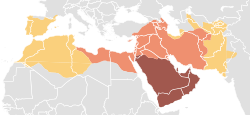
Expansion of the Caliphate Muhammad, 622–632 Rashidun Caliphate, 632–661 Umayyad Caliphate, 661–750
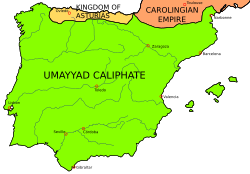
The province of al-Andalus in 750
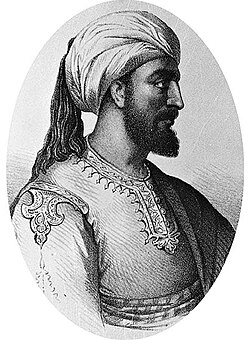
19th-century portrait of Abd al-Rahman I, from Estoria de España

カリフ制の導入と分裂(タイファ時代)

アブド・アッラフマン3世の時代には、コルドバにカリフ制が導入され、権威は頂点に達しました。しかし、11世紀に入ると中央権力が弱体化し、領土は「タイファ」と呼ばれる小王国に分裂しました。この政治的混乱は、北方のキリスト教諸国による領土奪還運動(レコンキスタ)を加速させる要因となりました。

Interior of the Mosque–Cathedral of Córdoba, the former Great Mosque built by Abd ar-Rahman I in 785, later expanded by his successors[33]
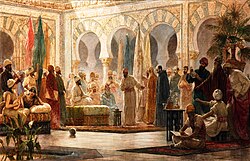
Abd al-Rahman III receiving John of Gorze, ambassador of Otto I, at the Medina Azahara, by Dionisio Baixeras Verdaguer, 1885
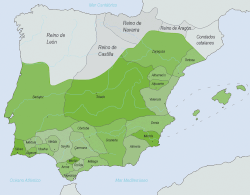
The taifas (green) in 1031 AD

北アフリカ王朝の介入と終焉

タイファ諸国の危機を救うため、北アフリカからアルモラビド朝、次いでアルモハド朝というベルベル人王朝が介入しました。彼らは一時的にキリスト教勢力を押し戻しましたが、1212年のラス・ナバス・デ・トレサの戦いで決定的な敗北を喫し、支配力は急速に衰退しました。
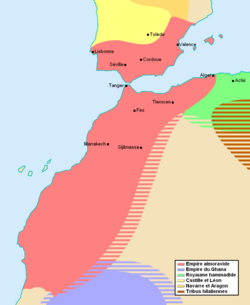
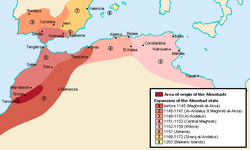
Map showing the extent of the Almoravid empire
Expansion of the Almohad state in the 12th century

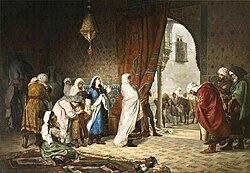
最終的に、イスラム勢力は南端のグラナダ王国のみに追い詰められました。ナスル朝が統治したこの王国は、外交的な努力で存続を図りましたが、1492年にカトリック両王によって陥落し、アル=アンダルスの歴史に幕を閉じました。

A silk textile fragment from the last Muslim dynasty of Al-Andalus, the Nasrid Dynasty (1232–1492), with the epigraphic inscription "glory to our lord the Sultan".[69][70]
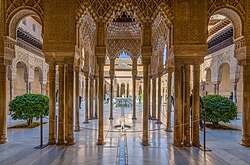
The Court of the Lions in the Alhambra, the palace of Nasrid Granada
Manuel Gómez-Moreno González's 19th-century depiction of Muhammad XI's family in the Alhambra moments after the fall of Granada.

知の融合:科学・文化・社会

学問的達成と医学の発展

アル=アンダルスは、古代ギリシャの知識を保存し、それを発展させてヨーロッパに再導入する重要な役割を果たしました。特に医学の分野では、現代外科の父とされるアブー・アル=カーシム・アッ=ザフラウィーが、結石除去術や多くの手術器具を開発し、医学史に多大な貢献をしました。
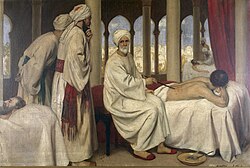
The Andalusian physician Abu'l Qasim Al-Zahrawi, who performed the first modern surgery, determined how to remove kidney stones, was known as the father of surgery, and developed many inventions and instruments.

哲学と宗教の共存

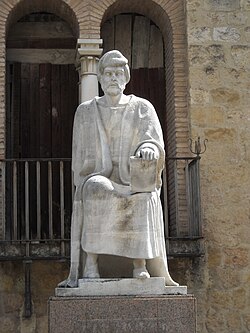
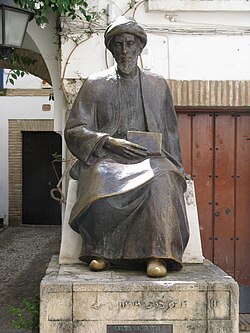
アヴェロエス(イブン・ルシュド)のような哲学者は、アリストテレス哲学を再解釈し、後の西洋世俗思想に大きな影響を与えました。また、ユダヤ教の哲学者マイモニデスもコルドバで活動し、宗教間の知的交流が盛んでした。社会的には、イスラム教に改宗した先住民(ムワッラドゥーン)や、北アフリカからのベルベル人、サハラ以南のアフリカ人が混在する多民族社会を形成していました。
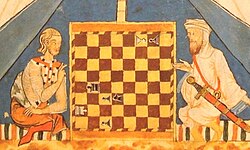
A Christian and a Muslim play chess in 13th-century al-Andalus.
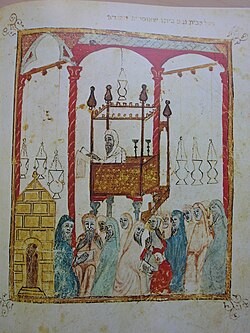
Image of a Jewish cantor reading the Passover story in al-Andalus, from a 14th-century Spanish Haggadah
Averroes, founder of the Averroism school of philosophy, was influential in the rise of secular thought in Western Europe. Statue of Averroes in Córdoba.
Memorial to Maimonides in Córdoba

芸術と建築の遺産

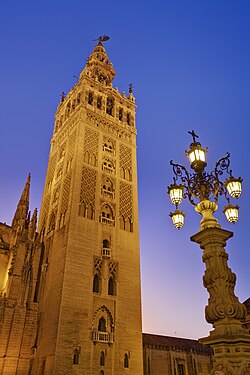
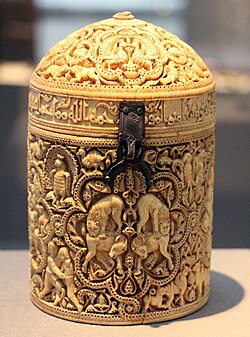
建築においては、馬蹄形アーチや複雑な幾何学模様(アラベスク)が特徴的な独自の様式が発展しました。コルドバのメスキータやセビリアのヒラルダ塔、そして精緻な装飾を誇るアルハンブラ宮殿は、その頂点を示す遺構です。
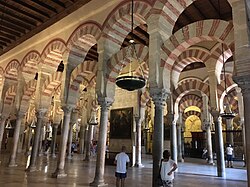
A section of the hypostyle hall in the Mosque–Cathedral of Córdoba, begun in 785
The Pyxis of al-Mughira, a carved ivory casket made at Madinat al-Zahra, dated to 968
The Giralda of Seville, originally built by the Almohads, is a prime example of Andalusi architecture.
The Alhambra, begun by the first Nasrid emir Ibn al-Ahmar in the 13th century

農業革命と生活文化

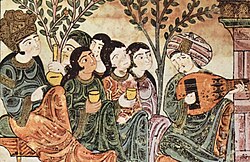
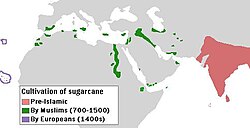
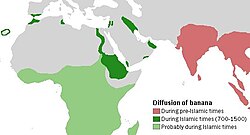
イスラム勢力は高度な灌漑技術を導入し、サトウキバナやバナナといった新しい作物を導入しました。これにより、イベリア半島の農業構造は劇的に変化し、食文化も豊かになりました。また、音楽や詩、衣服などの文化面でも、洗練された宮廷文化が花開きました。
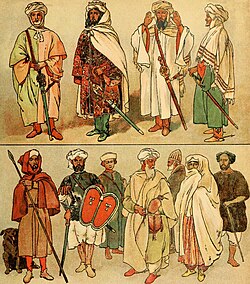
Clothing of al-Andalus in the 15th century, during the Emirate of Granada
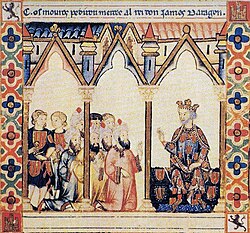
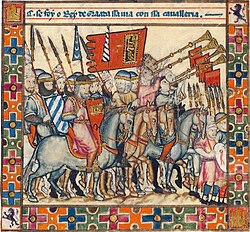
Depiction of the Moors in Iberia, from The Cantigas de Santa Maria
Lute song in a garden for a noble lady. 13th century manuscript from Andalusi Hadith Bayad wa Riyad.
Fragment of the dome of the palace of ibn Mardanīsh in Murcia displaying a female figure playing a wind instrument, the mizmar.[158]
The cultivation of sugarcane had reached the south of the Iberian Peninsula by the 16th century AD due to Arab conquest and administration of the region.
Diffusion of bananas from India to the Iberian peninsula during Islamic rule
The Moors request permission from James I of Aragón, from The Cantigas de Santa Maria

アル=アンダルスの歴史的概要

アル=アンダルスの主要時代区分
時代 主要な統治体 特徴
711年 - 756年 ウマイヤ朝属州 イベリア半島へのイスラム勢力の進出と定着
756年 - 1031年 コルドバ後ウマイヤ朝 カリフ制の導入、文化・学問の黄金時代
1031年 - 1085年 第1次タイファ時代 小王国への分裂とキリスト教勢力の台頭
1085年 - 1238年 アルモラビド・アルモハド朝 北アフリカ王朝による統治と軍事的対立
1232年 - 1492年 グラナダ王国(ナスル朝) 最後のイスラム拠点としての存続と陥落

Frequently Asked Questions

アル=アンダルスとは具体的にどこを指しますか?

主に中世のイベリア半島(現在のスペインとポルトガル)の大部分を指し、イスラム勢力が支配していた地域のことです。

「コンビベンシア(共生)」とはどのような状態でしたか?

ムスリム、キリスト教徒、ユダヤ教徒が、それぞれの宗教的アイデンティティを保持しながら、知的・経済的に協力し合い共存していた社会状態を指します。ただし、常に平和だったわけではなく、時代や地域によって迫害や対立もありました。

この時代の科学がなぜ重要視されるのですか?

古代ギリシャの哲学や科学の文献をアラビア語に翻訳して保存し、さらに独自の発展を遂げた知識をラテン語に翻訳してヨーロッパに伝えたため、後のヨーロッパのルネサンスを誘発する知的基盤となったからです。

アル=アンダルスの終焉はどうやって訪れましたか?

北方のキリスト教諸国による「レコンキスタ(国土回復運動)」が進み、1492年に最後の拠点であったグラナダ王国がカトリック両王に征服されたことで終焉を迎えました。

References

  1. Other translations:
    • : al-Andalus;
    • : al-Ándalus;
    • : al-Andalus;
    • : ⴰⵏⴷⴰⵍⵓⵙ, romanised: Andalus;
    • : al-Àndalus;
    • : al-Andalus;
    • : Al Andalús;
    • : al-Ândalus;
    • : al-Ándalus.
    Also known in English, perhaps in a slightly dated or quaint sense, as Moorish Spain.

📸 フォトギャラリー

Expansion of the Caliphate Muhammad, 622–632 Rashidun Caliphate, 632–661 Umayyad Caliphate, 661–750
The province of al-Andalus in 750
19th-century portrait of Abd al-Rahman I, from Estoria de España
Interior of the Mosque–Cathedral of Córdoba, the former Great Mosque built by Abd ar-Rahman I in 785, later expanded by his successors[33]
Abd al-Rahman III receiving John of Gorze, ambassador of Otto I, at the Medina Azahara, by Dionisio Baixeras Verdaguer, 1885
The taifas (green) in 1031 AD
Map showing the extent of the Almoravid empire
Expansion of the Almohad state in the 12th century
A silk textile fragment from the last Muslim dynasty of Al-Andalus, the Nasrid Dynasty (1232–1492), with the epigraphic inscription "glory to our lord the Sultan".[69][70]
The Court of the Lions in the Alhambra, the palace of Nasrid Granada
Manuel Gómez-Moreno González's 19th-century depiction of Muhammad XI's family in the Alhambra moments after the fall of Granada.
The Andalusian physician Abu'l Qasim Al-Zahrawi, who performed the first modern surgery, determined how to remove kidney stones, was known as the father of surgery, and developed many inventions and instruments.
Clothing of al-Andalus in the 15th century, during the Emirate of Granada
A Christian and a Muslim play chess in 13th-century al-Andalus.
Image of a Jewish cantor reading the Passover story in al-Andalus, from a 14th-century Spanish Haggadah
Depiction of the Moors in Iberia, from The Cantigas de Santa Maria
Lute song in a garden for a noble lady. 13th century manuscript from Andalusi Hadith Bayad wa Riyad.
Fragment of the dome of the palace of ibn Mardanīsh in Murcia displaying a female figure playing a wind instrument, the mizmar.[158]
Averroes, founder of the Averroism school of philosophy, was influential in the rise of secular thought in Western Europe. Statue of Averroes in Córdoba.
Memorial to Maimonides in Córdoba
A section of the hypostyle hall in the Mosque–Cathedral of Córdoba, begun in 785
The Pyxis of al-Mughira, a carved ivory casket made at Madinat al-Zahra, dated to 968
The Giralda of Seville, originally built by the Almohads, is a prime example of Andalusi architecture.
The Alhambra, begun by the first Nasrid emir Ibn al-Ahmar in the 13th century
The cultivation of sugarcane had reached the south of the Iberian Peninsula by the 16th century AD due to Arab conquest and administration of the region.
Diffusion of bananas from India to the Iberian peninsula during Islamic rule
The Moors request permission from James I of Aragón, from The Cantigas de Santa Maria