人類が地球の重力を振り切り、未知なる宇宙へと足を踏み出した宇宙飛行の歴史は、科学技術の粋を集めた壮大な挑戦の記録です。初期の弾道飛行から始まり、現在は国際宇宙ステーション(ISS)での長期滞在や民間企業による宇宙旅行まで、その領域は飛躍的に拡大しています。
Key Facts
- 初の有人宇宙飛行: 1961年4月12日、ソ連のユーリ・ガガーリンがボストーク1号で地球を一周しました。
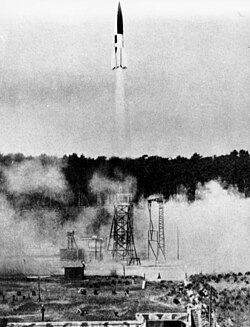
- 宇宙への到達: ドイツのV-2ロケットが、人類史上初めて宇宙空間に到達した人工物となりました。
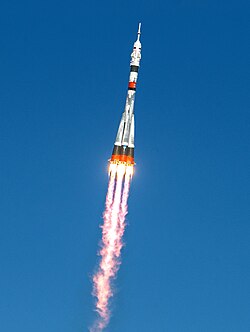
- 主要な輸送手段: 現在、有人飛行に定期的に利用されているのはソユーズ、神舟、クルードラゴンです。
- 宇宙飛行の目的: 通信、気象観測、地球監視、科学探査、そして宇宙観光など多岐にわたります。
宇宙飛行の基礎概念とメカニズム
宇宙へ到達するためには、地球の強力な重力を克服する必要があります。ここで重要となるのが脱出速度(地球の重力圏を完全に脱して外宇宙へ向かうために必要な最小速度)という概念です。ロケットの速度変化(Δv)は、噴射速度とロケットの初期質量および最終質量の比によって決定されます。
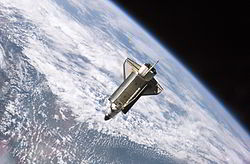
打ち上げの拠点となる射点(ローンチパッド)は、巨大なロケットを垂直に立て、燃料を充填し、点火時の猛烈な炎を逃がすための炎溝を備えた特殊な構造物です。例えば、スペースシャトル・コロンビア号の離陸時の重量は約2,030トンに達しました。
宇宙飛行のカテゴリー
宇宙飛行はその目的と軌道によって、大きく以下のタイプに分類されます。
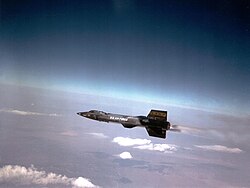
- 弾道飛行(サブオービタル): 宇宙空間に到達するものの、地球を周回する速度を持たず、再び落下して戻ってくる飛行。
- 周回飛行(オービタル): 地球などの天体の周囲を安定して回り続ける飛行。
- 惑星間飛行: 地球を離れ、火星や金星など他の惑星を目指す飛行。
- 恒星間・銀河間飛行: 太陽系を超え、他の恒星や銀河を目指す理論上の飛行。
![Launched in 1959, Luna 1 was the first known artificial object to achieve escape velocity from the Earth (replica pictured).[4]](/images/c7/f9/c7f90d1db0ef2f602c1c6a72dfc7c85c6c0227315dfbfb815bd9dba626876110.jpg)
有人宇宙飛行の進化と課題
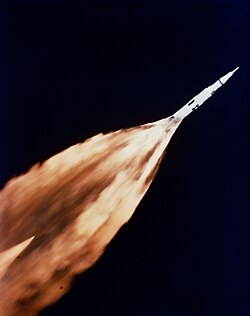
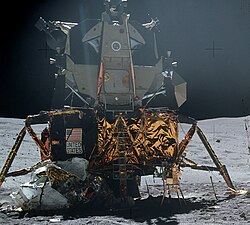
人類が宇宙に到達して以来、宇宙空間での生存を可能にするための技術開発が進んできました。初期のボストーク計画から始まり、アポロ計画による月面着陸、そして長期滞在を可能にする宇宙ステーションの建設へと発展しました。
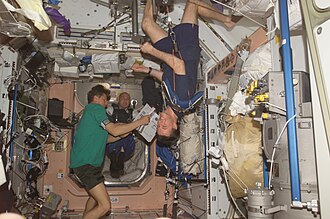
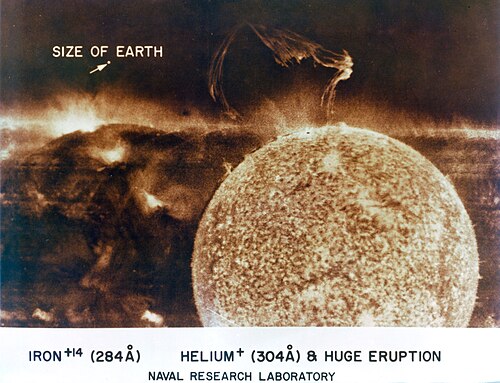
しかし、人体にとって宇宙環境は極めて過酷です。微小重力(無重量状態)による筋肉や骨の衰え、宇宙放射線による被曝、そして生命維持装置への完全な依存など、多くのリスクが伴います。また、太陽フレアなどの宇宙天気現象も、機体や乗組員に影響を与える重要な要因となります。
宇宙ステーションと居住
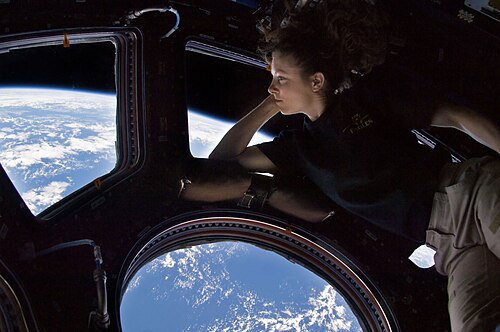
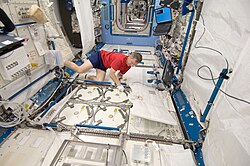
国際宇宙ステーション(ISS)などの施設は、宇宙での科学実験や長期滞在の研究拠点となっています。ここでは、地球上では不可能な環境を利用した材料開発や生物学的研究が行われています。
無人探査と宇宙利用の現状
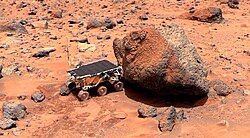
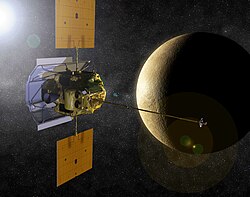
人間が直接行けない遠方への探査は、ロボットや無人探査機が担っています。火星の表面を走行するローバーや、水星などの惑星を周回する探査機が、貴重なデータを地球に送信しています。
また、宇宙飛行の成果は私たちの日常生活にも深く浸透しています。通信衛星によるインターネットやテレビ放送、気象衛星による災害予測、GPSなどの衛星測位システムは、現代社会に不可欠なインフラとなっています。
宇宙開発を牽引する国家と組織
かつての米ソ冷戦時代の「宇宙競争」から、現在は多くの国々が参入する時代となりました。アメリカ(NASA)、ロシア(ロスコスモス)、中国(CNSA)、日本(JAXA)、欧州(ESA)、インド(ISRO)などが主要なプレイヤーとして活動しています。
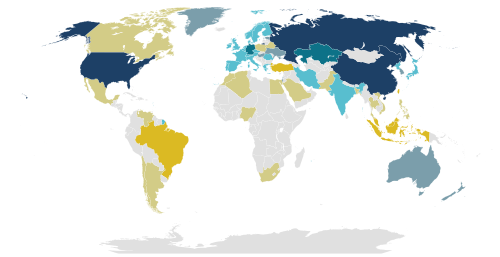
宇宙飛行のまとめ
| 項目 | 詳細・例 | 主な目的 |
|---|---|---|
| 有人飛行 | ソユーズ、クルードラゴン、ISS | 科学研究、長期滞在、宇宙観光 |
| 無人探査 | 惑星探査機、月面ローバー | 天体観測、サンプル回収、環境調査 |
| 衛星利用 | 通信衛星、気象衛星、GPS | インフラ提供、地球観測、軍事監視 |
| 打ち上げ方式 | 使い捨て型、再利用型(SpaceX等) | コスト削減、効率的な輸送 |

Frequently Asked Questions
宇宙に行くために必要な「脱出速度」とは何ですか?
脱出速度とは、天体の重力を振り切って無限に遠ざかるために必要な最小の速度のことです。地球の場合、時速約4万km(秒速約11.2km)に達する必要があります。
再利用可能なロケットが注目されているのはなぜですか?
従来のロケットは一度の打ち上げで使い捨てられていましたが、機体を回収して再利用することで、宇宙への輸送コストを劇的に削減できるためです。SpaceXなどの民間企業がこの技術をリードしています。
宇宙空間で人間が直面する最大の健康リスクは何ですか?
主に微小重力による筋萎縮や骨密度の低下、そして地球の磁気圏外で浴びる高エネルギーの宇宙放射線による健康被害が大きな課題となっています。
サブオービタル飛行とオービタル飛行の違いは何ですか?
サブオービタル飛行は、宇宙空間に到達しますが地球を周回する速度を持たず、放物線を描いて戻ってくる飛行です。一方、オービタル飛行は十分な速度を得て地球の軌道に乗るため、何度も地球を周回することが可能です。
宇宙飛行の主な民間利用にはどのようなものがありますか?
衛星通信や放送、GPSなどのナビゲーションサービスのほか、近年では一般人が宇宙を体験する宇宙観光(スペースツーリズム)の商用化が進んでいます。
References
- Leitch, William (1867). God's Glory in the Heavens. A. Strahan.
- Rogers, Lucy (2008). It's ONLY Rocket Science: An Introduction in Plain English. Springer Science & Business Media. p. 25. .
- Wheeler, Robin (2009). "Apollo lunar landing launch window: The controlling factors and constraints". Apollo Flight Journal. NASA History Division. Archived from the original on Dec 23, 2023.
- "Luna 1". NASA – NSSDC. Archived from the original on 2019-04-08. Retrieved November 5, 2013.
- Tom. "Escape Velocity of Earth". Ask the Van - UIUC Dept. of Physics. Archived from the original on 2007-07-13. Retrieved 2011-10-05.
- Erickson, Lance K. (2010). Space Flight: History, Technology, and Operations. Government Institutes. p. 187.
- "Musk pre-launch backgrounder on Falcon 9 Flight 20" (Press release). SpaceX. 22 December 2015. Archived from the original on 8 March 2017. Retrieved 28 December 2015.
- Cook, John; Aksamentov, Valery; Hoffman, Thomas; Bruner, Wes (1 January 2011), ISS Interface Mechanisms and their Heritage (PDF), Houston, Texas: Boeing, retrieved 31 March 2015 – via NASA,
Docking is when one incoming spacecraft rendezvous with another spacecraft and flies a controlled collision trajectory in such a manner so as to align and mesh the interface mechanisms. The spacecraft docking mechanisms typically enter what is called soft capture, followed by a load attenuation phase, and then the hard docked position which establishes an air-tight structural connection between spacecraft. Berthing, by contrast, is when an incoming spacecraft is grappled by a robotic arm and its interface mechanism is placed close to the stationary interface mechanism. Then typically there is a capture process, coarse alignment and fine alignment, and then structural attachment.
- "International Docking Standardization" (PDF). NASA. 2009-03-17. p. 15. Retrieved 2011-03-04.
Docking: The joining or coming together of two separate free flying space vehicles
- Fehse, Wigbert (2003). Automated Rendezvous and Docking of Spacecraft. Cambridge, UK: Cambridge University Press. .
📸 フォトギャラリー