物理学は、私たちを取り巻く世界や宇宙全体の仕組みを解明しようとする学問です。自然界で起こる現象を定量的にモデル化し、その背後にある普遍的な法則を導き出すことを目的としています。古代の天体観測から始まり、現代の素粒子研究に至るまで、物理学は絶えず進化し続けてきました。
物理学の探究は、数学的な記述と実験的な検証の相互作用によって成り立っています。微小な粒子の挙動から巨大な銀河の構造まで、あらゆるスケールの現象を理論的に説明することがこの学問の醍醐味です。
Key Facts
- 自然哲学から科学へ: 古代ギリシャの自然哲学が基礎となり、後の実験科学へと発展した。
- 古典物理学の確立: ニュートンによる運動法則と万有引力の法則が、近代物理学の土台を築いた。
- 現代物理学の転換点: 20世紀初頭、プランクの量子論とアインシュタインの相対性理論により、時間・空間・物質の概念が根本的に書き換えられた。
- 高度な専門分化: 現代では凝縮系物理学や素粒子物理学など、極めて専門的な分野に分かれて研究が行われている。
物理学の歩み:古代から科学革命まで
自然哲学の誕生とアリストテレス
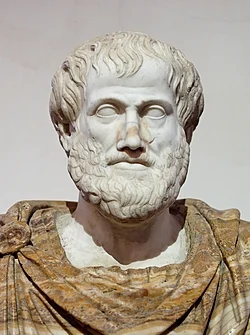
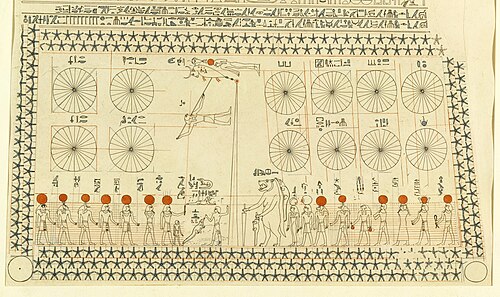
物理学のルーツは、紀元前650年から480年頃の古代ギリシャにおける「自然哲学」にあります。タレスなどのソクラテス以前の哲学者たちは、超自然的な説明を排し、あらゆる出来事には自然な原因があると考えました。例えば、ロイキッポスやデモクリトスが提唱した「原子論」は、数千年後の科学的発見によって正しさが証明されることになります。
その後、アリストテレス(紀元前384–322年)は広範な自然科学の体系を構築しました。彼の物理学は論理的な演繹に基づいたものでしたが、現代のような実験的な検証を重視する手法ではありませんでした。それでも、彼の枠組みはその後2000年近くにわたり、知的な基盤として大きな影響を与え続けました。
中世の発展と科学革命
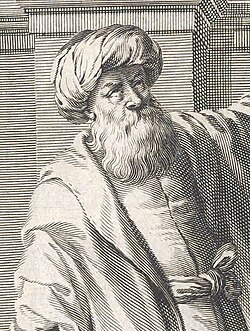
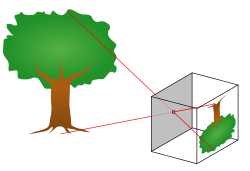
中世に入ると、イスラム圏などで光学などの研究が進みました。イブン・アル・ハイサムは、カメラ・オブスクラを用いた実験を通じて視覚の仕組みを研究し、光学の発展に寄与しました。
16世紀から17世紀にかけて、物理学は劇的な転換期(科学革命)を迎えます。コペルニクスによる地動説の提唱、ケプラーによる惑星運動の法則の発見、そしてガリレオ・ガリレイによる望遠鏡を用いた観測と実験的アプローチが、それまでの常識を覆しました。さらにアイザック・ニュートンは、運動の法則と万有引力の法則を統合し、天上の動きと地上の動きを同一の物理法則で説明することに成功しました。また、ニュートンとライプニッツは、連続的な変化を扱う数学である「微積分学」を開発し、物理現象を定量的に記述する強力なツールを提供しました。
古典物理学と現代物理学の境界
古典物理学の領域
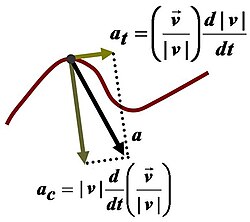
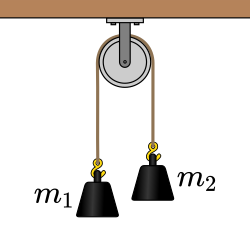
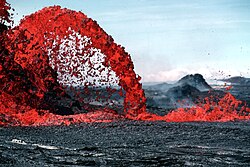
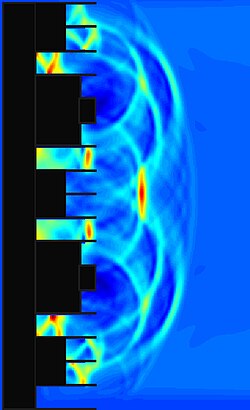
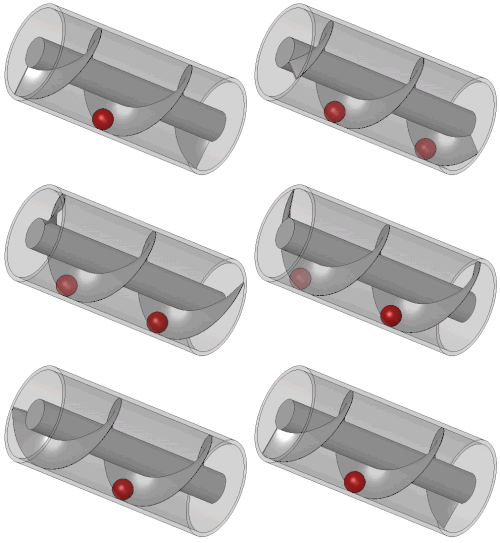
古典物理学は、主にニュートン力学、電磁気学、熱力学などで構成されます。これらは、人間が日常的に知覚できる速度やサイズの物体に対して非常に正確に機能します。例えば、音響学や古典的な光学、流体力学などがこの範疇に含まれます。
現代物理学への移行
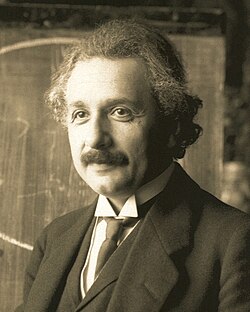
19世紀末から20世紀にかけて、古典物理学では説明できない現象が発見されました。マックス・プランクは黒体放射の問題を解決するために「量子」という概念を導入し、これが量子論の始まりとなりました。また、アルベルト・アインシュタインは光電効果の解明や相対性理論の提唱により、時間と空間の概念を再定義しました。
![Max Planck (1858–1947), proposed quanta to explain the blackbody spectrum,[34] originating quantum theory.[35][36]](/images/00/13/0013291063d257d4795761e82420b27452aed891c3e64aaef273ee3780f061e6.jpg)
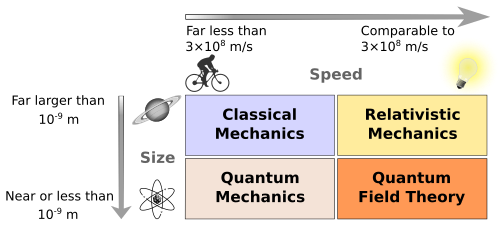
現代物理学では、非常に高速な物体(相対論的領域)や、極めて微小な粒子(量子論的領域)を扱うための新しい理論が必要です。古典力学が適用できる範囲には限界があり、極限状態では全く異なる物理法則が支配しています。

物理学の主要分野と現代の研究
現代の物理学は非常に専門化しており、多くの研究者が特定の分野に特化して活動しています。かつてのアインシュタインのような、複数の分野を横断する「万能型」の物理学者は稀になっています。
| 分野 | 主な研究対象・サブフィールド | 主要な概念・理論 |
|---|---|---|
| 核・素粒子物理学 | 原子核、素粒子、宇宙粒子物理学 | 標準模型、ヒッグス粒子 |
| 原子・分子・光物理学 | 原子、分子、量子光学、フォトニクス | 量子情報科学、量子化学 |
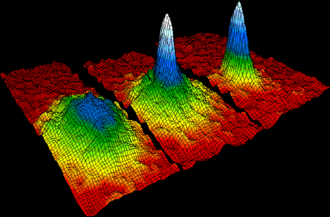
| 凝縮系物理学 | 固体物理学、ナノテクノロジー、材料科学 | 超伝導、ボース=アインシュタイン凝縮 |
| 天体物理学 | 星、銀河、宇宙の起源と進化 | 一般相対性理論、宇宙論 |
凝縮系物理学の重要性
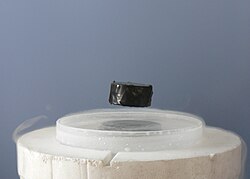
現代物理学の中で最大の規模を誇るのが凝縮系物理学です。もともとは固体物理学から発展し、物質の相転移や超伝導などの現象を研究します。化学や材料工学、ナノテクノロジーと密接に関連しており、実用的なデバイス開発に直結する分野です。
極限の探究:素粒子と宇宙
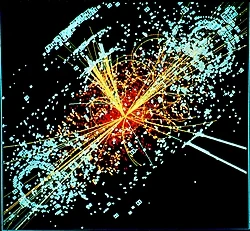
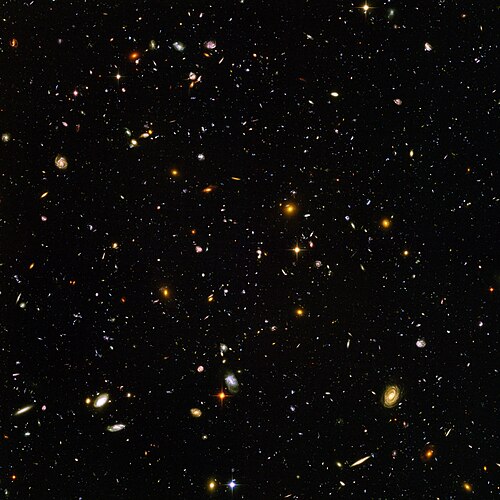
一方で、宇宙の最小単位を探る素粒子物理学では、大型ハドロン衝突型加速器(LHC)などの巨大装置を用いて、ヒッグス粒子のような未知の粒子の探索が行われています。また、天体物理学ではハッブル宇宙望遠鏡などの観測により、宇宙の深淵にある銀河の構造が明らかにされています。
物理学を支える理論と手法
物理学の根幹にあるのは、理論の構築と実験による検証のサイクルです。理論物理学者が数学を用いて自然界のモデルを作成し、実験物理学者がそれを検証します。また、計算物理学の発展により、複雑な現象のシミュレーションが可能になりました。
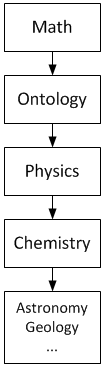
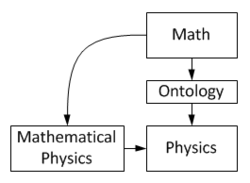
物理学において数学は単なる道具ではなく、宇宙の言語とも言えます。数学的物理学という分野では、物理的な問題に数学を適用するだけでなく、物理理論の定式化に適した新しい数学的手法の開発も行われています。
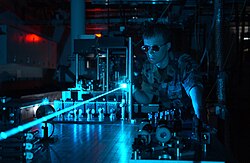
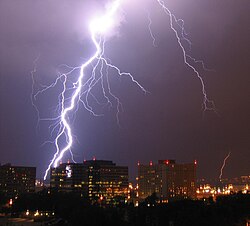
また、電磁気学のような分野では、雷のような自然現象から電子回路のような人工的なシステムまで、同一の電磁気理論で説明されます。
Frequently Asked Questions
古典物理学と現代物理学の決定的な違いは何ですか?
古典物理学は、日常的なサイズや速度の物体を対象とし、決定論的な挙動を扱います。対して現代物理学は、光速に近い速度(相対性理論)や、原子レベルの微小な世界(量子力学)を扱い、確率的な挙動や時空の歪みなどを考慮します。
凝縮系物理学とは具体的に何を研究する学問ですか?
多くの粒子が集まった「凝縮状態」にある物質の性質を研究する分野です。固体物理学を包含し、超伝導や超流動、液晶、ナノ材料など、物質の集団的な振る舞いや新しい相(状態)を解明することを目的としています。
物理学において数学はどのような役割を果たしていますか?
数学は物理現象を正確に記述するための「言語」としての役割を果たします。微積分や線形代数などの数学的ツールを用いることで、自然界の法則を数式として定式化し、将来の現象を定量的に予測することが可能になります。
現代の物理学者はどのような働き方をしていますか?
分野の高度な専門化に伴い、ほとんどの物理学者はキャリアを通じて一つの専門分野(例:素粒子物理学のみ、あるいは天体物理学のみ)に専念します。かつてのようにあらゆる分野を網羅する「ユニバーサリスト」は非常に稀な存在となっています。
References
- Information regarding the images in the footer was trimmed, the full descriptions are below:
- : a photo of a Newton's cradle, which, when in motion, demonstrates the of and in classical mechanics.
- : a diptych showing a before (left) and during (right) , illustrating the increase in through the visible loss of structural and morphological specificity, thereby widening the range of possible microstates (i.e. ).
- , & : perturbations propagating through a , forming patterns where causes the sand on the plate to arrange in geometric figures.
- & : the , a natural phenomenon involving the behaviour of in 's .
- & : a water strider using water’s to move across a pond.
- , & : an distorted by , a relativistic effect—common in cosmic environments—in which the indirectly alters the paths of .
- : a diagrammatic representation of the , illustrating . Particles passing through two slits and impinging on a surface produce an exemplifying their wave-like behaviour.
- & : a representing .
- See, for example, the influence of and on .
- Concepts which are denoted hypothetical can change with time. For example, the of nineteenth-century physics was denigrated by some, including 's critique of 's formulation of . By the end of World War II, the atom was no longer deemed hypothetical.
- See the work of , on 'systems far from equilibrium', and others.
- Yet, universalism is encouraged in the culture of physics. For example, the , which was innovated at by , was created in service to the computer infrastructure of CERN, and was/is intended for use by physicists worldwide. The same might be said for

📸 フォトギャラリー