Military parade on the Red Square in Moscow, 7 November 1964
← ホームへ戻る
ソビエト連邦USSR冷戦共産主義スターリン

ソビエト社会主義共和国連邦の歴史と構造誕生から崩壊まで

🗓 2026年8月10日

20世紀の国際政治において、アメリカ合衆国と並び世界を二分した超大国、それがソビエト社会主義共和国連邦(USSR)です。1922年の成立から1991年の解体まで、広大な領土と強力な軍事力、そして共産主義という独自の社会システムを掲げて世界に多大な影響を与えました。

本記事では、この巨大な国家がどのように誕生し、どのような変遷を経て消滅に至ったのか、その政治、経済、文化的な側面から詳しく解説します。
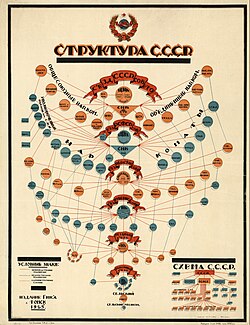
Structure of the Union of the Soviet Socialist Republics (1925)

Key Facts

  • 存続期間:1922年12月30日から1991年12月26日まで。
  • 最大領土:約2,240万平方キロメートルに及び、世界最大の面積を誇った。
  • 政治体制:共産党による一党独裁の連邦制社会主義国家。
  • 主要言語:ロシア語を公用語とし、各共和国の言語を地域言語として認めていた。
  • 象徴的成果:世界初の人工衛星スプートニクの打ち上げや、人類初の有人宇宙飛行に成功。

国家の成り立ちと権力構造

ソビエト連邦の起源は、1917年のロシア革命にあります。ウラジーミル・レーニン率いるボリシェヴィキが権力を掌握し、激しい内戦を経て、1922年に複数の社会主義共和国が統合される形で成立しました。

政治的な中心は共産党であり、形式上は「ソビエト(評議会)」による統治でしたが、実質的な権限は党の最高指導者に集中していました。最高権力機関として最高ソビエトが設置され、国家の意思決定が行われていました。
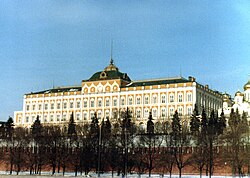
The Grand Kremlin Palace, the seat of the Supreme Soviet of the Soviet Union, 1982

指導者の変遷と統治スタイル

建国の父であるレーニンの後、権力を握ったのがヨシフ・スターリンです。彼は急速な工業化と農業の集団化を推し進めましたが、同時に「大粛清」と呼ばれる激しい政治弾圧を行い、恐怖政治による支配を確立しました。
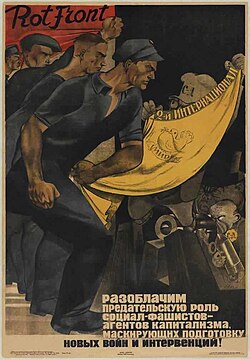
Soviet propaganda poster denouncing "social fascism," 1932.

その後、ニキータ・フルシチョフによる「脱スターリン化」を経て、政治的な緊張が一時的に緩和される「雪解け」の時代が訪れます。しかし、その後のレオニード・ブレジネフ時代には、経済の停滞(停滞の時代)が顕著となりました。
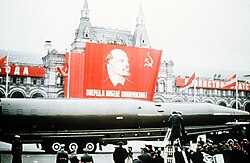
Military parade on the Red Square in Moscow, 7 November 1964

冷戦時代の対立と世界戦略

第二次世界大戦でナチス・ドイツを撃破し、東欧諸国に影響力を拡大したソ連は、資本主義陣営であるアメリカとの間で「冷戦」という激しい対立構造に入りました。軍備拡張競争が激化し、特に核兵器の開発と配備は世界を緊張させました。
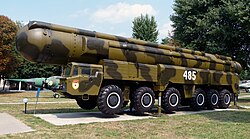
A medium-range SS-20 non-ICBM ballistic missile, the deployment of which by the Soviet Union in the late 1970s launched a new arms race in Europe when NATO responded by deploying Pershing II missiles in West Germany, among other things

外交面では、時にデタント(緊張緩和)と呼ばれる時期もあり、米ソ首脳による会談が行われましたが、アフガニスタン侵攻などの軍事介入により、再び関係が悪化することもありました。
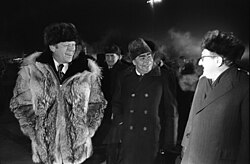
Gerald Ford, Andrei Gromyko, Leonid Brezhnev and Henry Kissinger speaking informally at the Vladivostok Summit in 1974

科学技術の躍進と社会生活

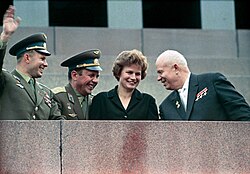
ソ連は軍事のみならず、科学技術、特に宇宙開発において世界をリードしました。1957年のスプートニク1号の打ち上げに始まり、ユーリ・ガガーリンによる人類初の宇宙飛行は、当時の世界に大きな衝撃を与えました。
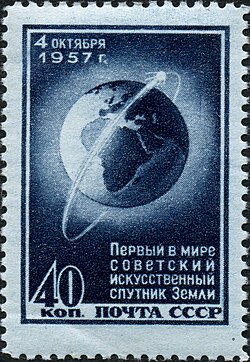
Soviet stamp showing the orbit of Sputnik 1

From left to right: Yuri Gagarin, Pavel Popovich, Valentina Tereshkova, and Nikita Khrushchev at Lenin's Mausoleum in 1963

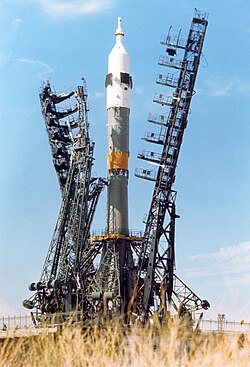
Soyuz rocket at the Baikonur Cosmodrome

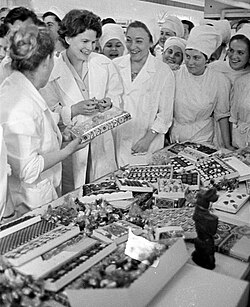
Valentina Tereshkova, the first woman in space, visiting the Lvov confectionery, Ukrainian SSR, 1967

また、エネルギー分野では大規模な水力発電所などのインフラ整備が進められ、経済発展の象徴となりました。一方で、社会生活においては国家による厳格な管理が行われ、宗教は事実上の国家無神論の下で制限されていました。
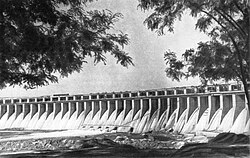
The DneproGES, one of many hydroelectric power stations in the Soviet Union and a symbol of Soviet economic progress

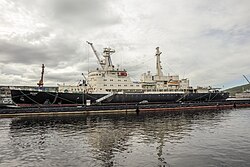
Nuclear Icebreaker Lenin

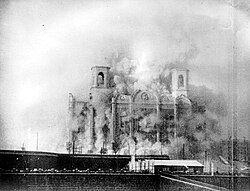
The Cathedral of Christ the Saviour in Moscow during its demolition in 1931

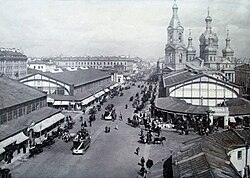
The Saviour Church on Sennaya Square in Leningrad was one of many notable church buildings destroyed during the Khrushchev Thaw.

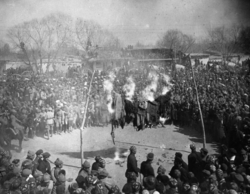
A paranja burning ceremony in the Uzbek SSR as part of Soviet Hujum policies

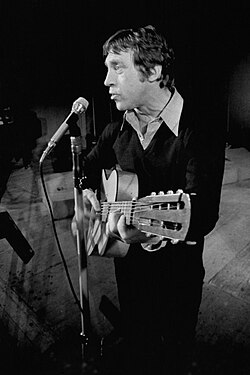
文化面では、社会主義リアリズムという芸術様式が推奨されましたが、一方でウラジーミル・ヴィソツキーのような詩人や音楽家が、体制への静かな抵抗や人間的な葛藤を表現し、国民に支持されました。
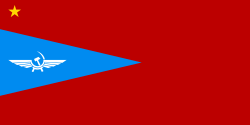
Aeroflot's flag during the Soviet era

Soviet singer-songwriter, poet, and actor Vladimir Vysotsky in 1979

スポーツにおいても、特にアイスホッケーなどの競技で世界的な強さを誇り、国家の威信をかけてメダルを競い合いました。
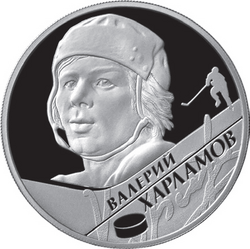
Valeri Kharlamov represented the Soviet Union at 11 Ice Hockey World Championships, winning eight gold medals, two silvers and one bronze.

経済体制と産業の光と影

ソ連は国家がすべての生産手段を管理する計画経済を採用していました。これにより、短期間での重工業化や軍事力の増強には成功しましたが、消費財の不足や非効率な生産体制という構造的な問題を抱えていました。
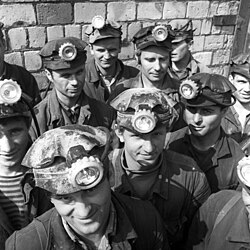
Workers of the Salihorsk potash plant, Belarus, 1968

1960年代には一定の経済水準に達していましたが、技術革新の遅れと官僚主義が足かせとなり、次第に国民の生活水準は停滞していきました。

The Soviet Union in comparison to other countries by GDP (nominal) per capita in 1965 based on a West-German school book (1971)[citation needed] > 5,000 DM 2,500–5,000 DM 1,000–2,500 DM 500–1,000 DM 250–500 DM < 250 DM

崩壊への道と終焉

1980年代半ば、最後の指導者ミハイル・ゴルバチョフが就任し、停滞した国家を立て直すために「ペレストロイカ(再構築)」と「グラスノスチ(情報公開)」という大胆な改革を断行しました。
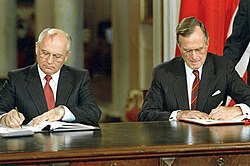
Mikhail Gorbachev and George H. W. Bush signing bilateral documents during Gorbachev's official visit to the United States in 1990

しかし、これらの改革は皮肉にも、長年抑え込まれていた民族主義的な不満や、政治的な自由への要求を爆発させる結果となりました。チェルノブイリ原発事故などの大惨事も、体制への不信感を決定的なものにしました。
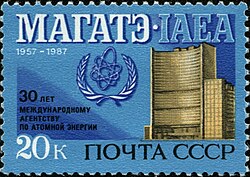
A Soviet stamp depicting the 30th anniversary of the International Atomic Energy Agency, published in 1987, a year following the Chernobyl disaster

バルト三国の独立運動や、各共和国での主権宣言が相次ぎ、1991年12月、ソビエト連邦は正式に解体されました。これにより、ロシア連邦をはじめとする独立国家共同体(CIS)へと分かれていくことになります。
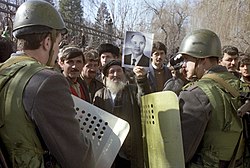
Nationalist anti-government riots in Dushanbe, Tajikistan, 1990

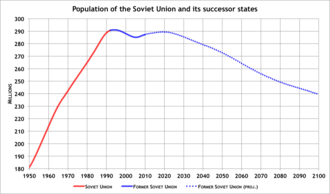
Population of the Soviet Union (red) and the post-Soviet states (blue) from 1961 to 2009 as well as projection (dotted blue) from 2010 to 2100

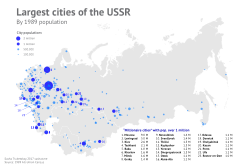
Largest cities of the USSR according to the 1989 census

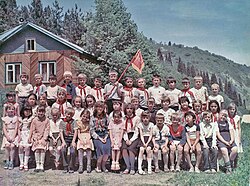
Young Pioneers at a Young Pioneer camp in the Kazakh SSR

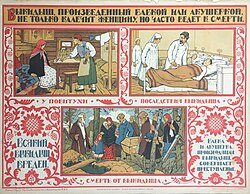
An early Soviet-era poster discouraging unsafe abortion practices

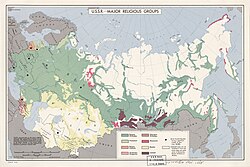
Major religious groups in the Soviet Union as published by the CIA

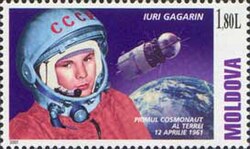
2001 stamp of Moldova shows Yuri Gagarin, the first human in space.

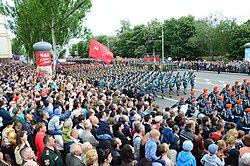
People in the Donetsk People's Republic celebrate the annual Victory Day over Germany, 9 May 2018

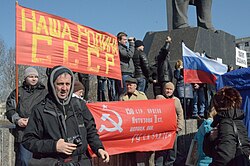
Protest against Ukrainian decommunization policies in Donetsk, 2014. The red banner reads, "Our homeland USSR".

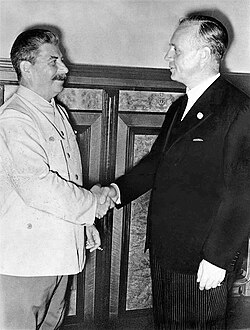
Joseph Stalin and Joachim von Ribbentrop exchanging a handshake after the signing of the Molotov–Ribbentrop Pact in August 1939.

ソビエト連邦の基本データ概要
項目 詳細
面積 約22,402,200 km²(世界1位)
人口(1989年) 約2億8,673万人
主要都市 モスクワ(首都)、レニングラード、キエフなど
通貨 ソビエトルーブル
政治体制 連邦制共産主義国家

Frequently Asked Questions

ソビエト連邦が解体した主な理由は何ですか?

経済の停滞による生活水準の低下、ゴルバチョフによる政治改革(ペレストロイカ・グラスノスチ)に伴う体制の不安定化、そして各共和国における民族主義の台頭が複合的に作用したためです。

「冷戦」とは具体的にどのような状態でしたか?

直接的な武力衝突は避けつつも、アメリカを中心とする資本主義陣営とソ連を中心とする社会主義陣営が、政治、経済、軍事、宇宙開発などのあらゆる分野で激しく対立し、競争していた状態を指します。

ソ連時代の宇宙開発が世界に与えた影響は?

世界初の人工衛星スプートニクや人類初の有人宇宙飛行に成功したことで、科学技術の可能性を広げると同時に、アメリカに強い危機感を与え、NASAの設立やアポロ計画などのさらなる宇宙開発競争を加速させました。

計画経済とはどのようなシステムですか?

市場の需要と供給に任せるのではなく、国家が何を、どれだけ、どのような価格で生産するかをあらかじめ計画し、管理する経済体制です。重工業の急速な発展には有効でしたが、消費者のニーズに応える柔軟性に欠けていました。

ソ連崩壊後、どのような国々が誕生しましたか?

ロシア、ウクライナ、ベラルーシのほか、カザフスタン、ウズベキスタン、エストニア、ラトビア、リトアニアなど、計15の独立国家が誕生しました。

References

  1. De facto, legally since 1990. had the right to declare their own regional languages.
  2. The name given to the
  3. As chairman of the Council of People's Commissars
  4. As General Secretary of the Communist Party and
  5. As Chairman of the , then as
  6. As General Secretary of the Communist Party and
  7. As Chairman of the Council of People's Commissars of the Soviet Union and Russian SFSR
  8. As Chairman of the Committee on the Operational Management of the Soviet Economy
  9. Unicameral
  10. From 5 September 1991 the

📸 フォトギャラリー

Military parade on the Red Square in Moscow, 7 November 1964
The Grand Kremlin Palace, the seat of the Supreme Soviet of the Soviet Union, 1982
Nationalist anti-government riots in Dushanbe, Tajikistan, 1990
Gerald Ford, Andrei Gromyko, Leonid Brezhnev and Henry Kissinger speaking informally at the Vladivostok Summit in 1974
Mikhail Gorbachev and George H. W. Bush signing bilateral documents during Gorbachev's official visit to the United States in 1990
Soviet propaganda poster denouncing "social fascism," 1932.
Joseph Stalin and Joachim von Ribbentrop exchanging a handshake after the signing of the Molotov–Ribbentrop Pact in August 1939.
Structure of the Union of the Soviet Socialist Republics (1925)
A medium-range SS-20 non-ICBM ballistic missile, the deployment of which by the Soviet Union in the late 1970s launched a new arms race in Europe when NATO responded by deploying Pershing II missiles in West Germany, among other things
The Soviet Union in comparison to other countries by GDP (nominal) per capita in 1965 based on a West-German school book (1971)[citation needed] > 5,000 DM 2,500–5,000 DM 1,000–2,500 DM 500–1,000 DM 250–500 DM < 250 DM
The DneproGES, one of many hydroelectric power stations in the Soviet Union and a symbol of Soviet economic progress
Workers of the Salihorsk potash plant, Belarus, 1968
A Soviet stamp depicting the 30th anniversary of the International Atomic Energy Agency, published in 1987, a year following the Chernobyl disaster
Soviet stamp showing the orbit of Sputnik 1
From left to right: Yuri Gagarin, Pavel Popovich, Valentina Tereshkova, and Nikita Khrushchev at Lenin's Mausoleum in 1963
Soyuz rocket at the Baikonur Cosmodrome
Aeroflot's flag during the Soviet era
Nuclear Icebreaker Lenin
Population of the Soviet Union (red) and the post-Soviet states (blue) from 1961 to 2009 as well as projection (dotted blue) from 2010 to 2100
Largest cities of the USSR according to the 1989 census
Valentina Tereshkova, the first woman in space, visiting the Lvov confectionery, Ukrainian SSR, 1967
Young Pioneers at a Young Pioneer camp in the Kazakh SSR
An early Soviet-era poster discouraging unsafe abortion practices
The Cathedral of Christ the Saviour in Moscow during its demolition in 1931
The Saviour Church on Sennaya Square in Leningrad was one of many notable church buildings destroyed during the Khrushchev Thaw.
A paranja burning ceremony in the Uzbek SSR as part of Soviet Hujum policies
Major religious groups in the Soviet Union as published by the CIA
Soviet singer-songwriter, poet, and actor Vladimir Vysotsky in 1979
Valeri Kharlamov represented the Soviet Union at 11 Ice Hockey World Championships, winning eight gold medals, two silvers and one bronze.
2001 stamp of Moldova shows Yuri Gagarin, the first human in space.
People in the Donetsk People's Republic celebrate the annual Victory Day over Germany, 9 May 2018
Protest against Ukrainian decommunization policies in Donetsk, 2014. The red banner reads, "Our homeland USSR".