歴史学とは、単に過去に起きた出来事を記憶することではなく、残された証拠に基づいて人間社会の歩みを批判的に分析し、再構成する学問です。私たちは歴史を通じて、現在の社会構造や文化的なアイデンティティがどのように形成されたのかを理解することができます。
Key Facts
- 史料の重要性:一次史料(当時の記録)と二次史料(後世の分析)を使い分けることが研究の基礎となる。
- 多様な視点:政治史だけでなく、経済、社会、文化、軍事など多角的なアプローチが存在する。
- 時代区分:一般的に古代、中世(ポスト古典期)、近代、現代という枠組みで整理される。
- 学問的進化:主観的な記述から、実証的な史料批判や科学的な分析手法へと発展してきた。
歴史を構築する「史料」と「手法」
歴史学の根幹を成すのは、過去の断片である史料の収集と分析です。研究者は、当時の人々が作成した日記や公文書などの「一次史料」を最優先し、それらを後世の学者がまとめた「二次史料」や、さらに要約された「三次史料」と照らし合わせます。
古代ギリシャの歴史家ヘロドトスのような先駆者は、聞き書きや観察を通じて歴史を記録しようと試みました。
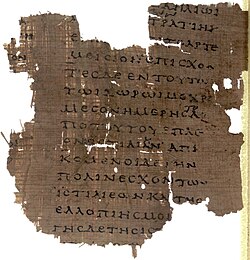
現代の歴史研究では、膨大な一次史料を保管するアーカイブが不可欠な役割を果たしており、研究者はここから客観的な証拠を抽出します。

史料批判と客観性の追求
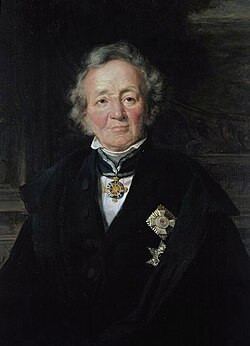
集められた史料をそのまま信じるのではなく、その信頼性や意図を検証する「史料批判」が行われます。レオポルド・フォン・ランケは、史料を厳格に評価する手法を導入し、歴史学を主観的な物語から学術的な専門分野へと進化させました。
歴史学の多様なアプローチと分類
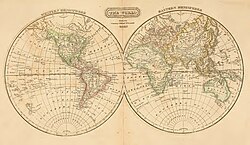
歴史学は、分析する対象や規模によってさまざまな分野に分かれています。地球規模の視点から人類全体を俯瞰する「世界史」や「ビッグヒストリー」がある一方で、特定の地域やコミュニティに焦点を当てる「地域史」も重要です。
専門領域による分類
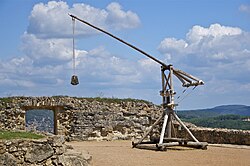
- 政治・軍事史:国家間の権力争いや戦争、軍事技術の変遷を研究します。例えば、投石機のような兵器の進化も分析対象となります。
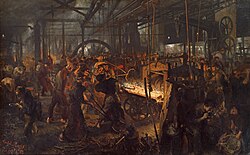
- 社会・経済史:産業革命のような社会構造の劇的な変化や、経済システムの変遷を追います。
- 文化・精神史:人々の考え方や価値観、芸術などの精神的な側面を考察します。
軍事史の視点からは、戦略や技術の進歩が歴史の転換点にどう寄与したかが明らかにされます。
また、産業革命は農耕社会から工業社会への移行という、人類の生活様式を根本から変えた事例として社会経済史の重要項目です。
時代区分と文明の歩み
歴史を整理するために、学術的に時代を区切る「時代区分」が用いられます。これにより、複雑な時間の流れを構造的に把握することが可能になります。
| 時代区分 | 主な特徴・キーワード | 代表的な例 |
|---|---|---|
| 古代 | 銅器・青銅器・鉄器時代、古典古代 | エジプトピラミッド、古代ギリシャ |
| ポスト古典期(中世) | 初期・盛期・後期中世 | 封建社会、宗教的権威の拡大 |
| 近代 | 近世、近代、現代 | 産業革命、国民国家の形成 |
古代エジプトのピラミッドは、当時の高度な文明と権力構造を今に伝える象徴的な遺産です。

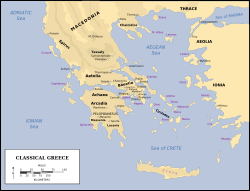
また、西洋文化の根源となった古代ギリシャの研究は、現代の哲学や政治学を理解する上でも欠かせません。
先史時代へのアプローチ
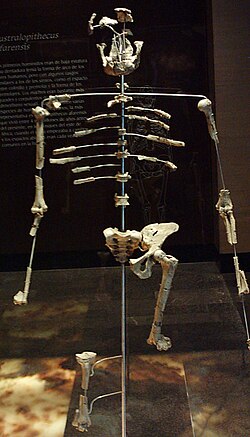
文字記録が存在しない「先史時代」については、考古学や古人類学の知見が活用されます。化石などの物理的な証拠が、人類の起源を解き明かす鍵となります。
歴史記述(ヒストリオグラフィー)の変遷
歴史をどのように記述するかという手法自体を研究するのが「歴史記述(ヒストリオグラフィー)」です。時代によって、歴史に求める正解は異なります。
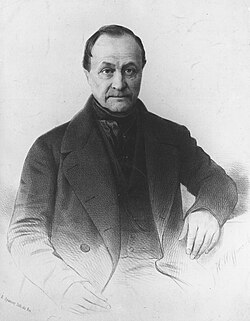
例えば、オーギュスト・コントは実証主義を唱え、科学的なアプローチによる歴史分析を推奨しました。
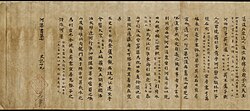
東洋においても、司馬遷の『史記』のように、後の歴史記述の模範となる基礎的な著作が誕生しています。
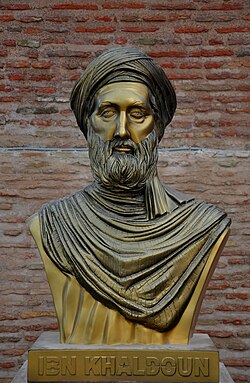
また、イスラム圏ではイブン・ハルドゥーンが社会変動の法則性を追求し、独自の歴史観を提示しました。
教育としての歴史学
歴史学は専門的な研究にとどまらず、学校教育や公共施設を通じて広く社会に共有されています。これにより、市民は共通の記憶を持ち、社会的なアイデンティティを形成します。

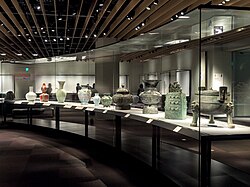
博物館での展示や遺物の公開といった「パブリック・ヒストリー」は、教科書以外の形式で歴史を学ぶ重要な機会を提供しています。
Frequently Asked Questions
一次史料と二次史料の違いは何ですか?
一次史料は、出来事が起きた当時、またはその目撃者によって作成された日記、手紙、公文書などの直接的な記録です。一方、二次史料は、それらの一次史料を後世の歴史家が分析し、解釈してまとめた論文や書籍のことを指します。
歴史学において「客観性」は完全に達成できるものですか?
完全な客観性を達成することは困難であると考えられています。歴史家自身の視点や時代の価値観が解釈に影響を与えるためです。しかし、厳格な史料批判と根拠の提示を行うことで、可能な限り主観を排除し、信頼性の高い記述を目指します。
先史時代と歴史時代の境界はどこにありますか?
一般的に、その社会で「文字による記録」が残され始めたかどうかが境界となります。文字のない時代は考古学的な遺物や化石で分析する「先史時代」となり、文字記録が現れた時点から「歴史時代」へと移行します。
なぜ時代区分(ピリオダイゼーション)が必要なのですか?
膨大な時間の流れをそのまま扱うのは困難であるため、共通の特徴を持つ期間をグループ化して整理するためです。これにより、社会構造の変化や文明の転換点を明確に捉え、分析しやすくすることができます。
References
- Some authors restrict the term history to the factual series of past events and use the term for the study of those events. Others use the term history for the study and representation of the past. They characterize historiography as a studying the methods and historical development of this academic discipline.
- Some theorists identify as a distinct period after prehistory that spans from the invention of writing to the first attempts to record history.
- Big History, formulated by the historian David Christian in the late 1980s, reaches back even further to the Big Bang, covering the cosmological development of the universe and the biological evolution of life in addition to human history.
- Early historians, such as Herodotus and Thucydides, already criticized the accounts of Homer and other poets as fantastic and inaccurate.
- Similarly, suggests: "What is very remarkable about German history as a whole is that the Germans use their history to think about the future, where the British tend to use their history to comfort themselves."
- , a related outlook, seeks to overturn established perspectives on history. This can take a variety of forms, from the introduction of new evidence and methods which counter current thinking, to criticizing the value or significance of historical events or actors. Some theorists use the term revisionism in a neutral sense for any rejection or reinterpretation of mainstream views. Others associate revisionism with practices that disregard genuine evidence and incorporate intensely sceptical and views to justify pseudohistorical perspectives, attempting to discredit established knowledge of historical events through epistemic criticism.
- Understood in a narrow sense, the historical method is sometimes limited to the evaluation or criticism of sources.
- The exact definitions of primary source and secondary source are disputed and there is not always consensus on how a particular source should be categorized. For example, if a person was not present at a riot but reports on it shortly after it happened, some historians consider this report a primary source while others see it as a secondary source.
- 's emphasis on source evaluation significantly influenced the practice of historical research.
- Historians consider the context and time of the document to understand the meanings of the terms it uses. For example, if a document uses the word awful, they have to decide whether it expresses the modern meaning 'terrible' or the historical meaning 'worthy of awe'.
📸 フォトギャラリー