現代のサイエンス・フィクション(SF)というジャンルの基礎を築いた人物として、H.G.ウェルズの名は欠かせません。彼は単なる空想小説家ではなく、科学的な知見と鋭い社会批判を融合させ、「社会科学的SF」という独自の領域を切り拓きました。時間旅行や宇宙人による侵略といった、今なお愛される物語の原型を創り出した彼の足跡を辿ります。
Key Facts
- SFの先駆者:『タイムマシン』や『宇宙戦争』など、現代SFの定番テーマを確立した。
- 多才な経歴:小説家としてだけでなく、教師、歴史家、ジャーナリストとしても活動。
- 科学的背景:ロイヤル・カレッジ・オブ・サイエンスで生物学を学び、トーマス・ヘンリー・ハクスリーの指導を受けた。
- 社会への影響:政治的ユートピア論を展開し、チャーチルなどの政治家にも影響を与えた。
- 国際的活動:PENインターナショナル会長を務めるなど、文学を通じた国際交流に尽力した。
若き日の歩みと知的形成
1866年、イングランドのケント州ブロムリーに生まれたハーバート・ジョージ・ウェルズは、幼少期から知的好奇心に溢れていました。彼はロイヤル・カレッジ・オブ・サイエンスで生物学を専攻し、当時の著名な科学者から指導を受けることで、後の作品に不可欠となる科学的思考の土台を築きました。
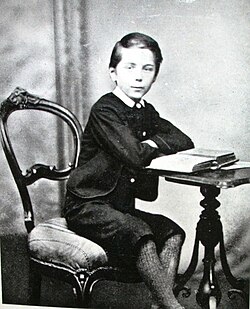
学生時代や青年期には、経済的な困難や健康上の問題に直面することもありましたが、それらが彼の人間観や社会に対する視点を深めることとなりました。サセックス州のアッパーパークで療養に専念した時期などは、彼の内省的な思考を促す重要な時間となりました。
![Wells spent the winter of 1887–88 convalescing at Uppark in Sussex, where his mother, Sarah, was the housekeeper.[20]](/images/b9/dc/b9dce185094465972f94254d1007f68c48e5a7a1a341e4e8597aa6677f4b21e8.jpg)
その後、ウェルズは教師としての道を歩みます。ミドハースト・グラマー・スクールでの勤務時代など、教育現場での経験は、彼が複雑な概念を分かりやすく伝える表現力を養う機会となりました。
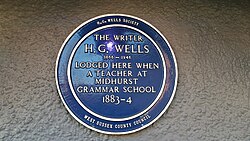
ロンドンでの研究生活を経て、彼は次第に自身の関心を文学的な表現へと移していきます。科学的な事実を物語に組み込むことで、読者に現実的な驚きを与える手法を確立していきました。
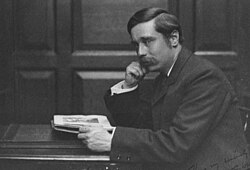
SFの金字塔と代表作の誕生
1890年代、ウェルズは世界を震撼させる一連の傑作を次々と発表します。1895年の『タイムマシン』では、時間の移動という概念を提示し、人類の遠い未来と階級社会の崩壊を描きました。続く『ドクトル・モローの島』や『見えない人間』では、科学の暴走と倫理的な葛藤という普遍的なテーマを追求しました。
特に1898年の『宇宙戦争』は、地球外生命体による侵略という設定を用い、当時の帝国主義的な社会構造を風刺した記念碑的な作品です。この物語に登場する三本脚の戦闘機械(トライポッド)は、今もなおSFの象徴的なイメージとして語り継がれています。
![141 Maybury Rd, Woking, where Wells lived from May 1895 until late 1896[35]](/images/5d/4e/5d4ee0439391f7b750e8b67a52cfa3fa971548e994b5c0303d56ebd097561456.jpg)
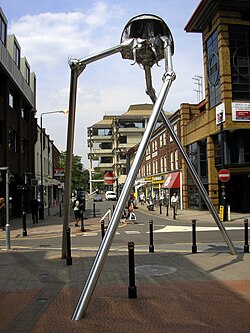
彼の想像力は地球に留まらず、『月世界旅行』では月への旅を描き、宇宙への憧憬と未知への恐怖を表現しました。これらの作品は、単なる娯楽ではなく、人類の進化や文明の行方に対する深い問いかけを含んでいました。
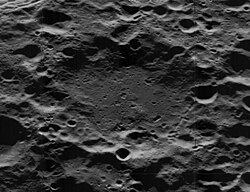
思想家としての展開と政治的活動
キャリアの中盤から、ウェルズは純粋なフィクションから、より直接的な社会批評や歴史記述へと活動の幅を広げます。『世界史概説』などの著作を通じて、人類の歩みを俯瞰的に捉え、未来への指針を示そうと試みました。
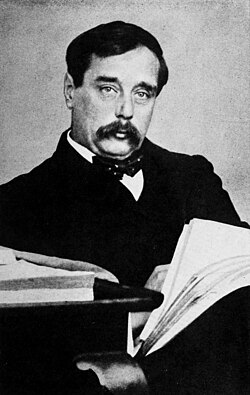
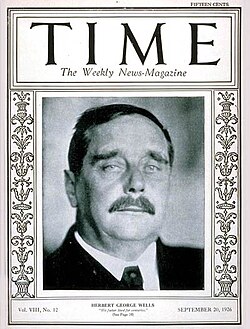
彼はまた、世界政府の設立や社会的なユートピアの実現を提唱する政治的な思想家としても知られていました。その先見的なアイデアは、ウィンストン・チャーチルのような政治指導者の思考にも影響を与えたと言われています。
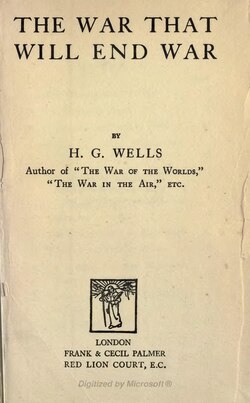
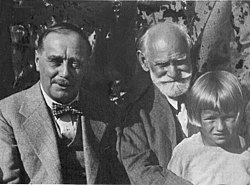
第一次世界大戦前後には、戦争の惨禍を目の当たりにし、平和的な世界秩序の構築を強く訴えました。また、ソビエト連邦への訪問を通じて、新しい社会システムの可能性を模索し、当時の科学者や政治家と活発な議論を交わしました。
晩年と不朽の遺産
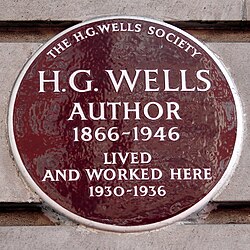
人生の最終章において、ウェルズはロンドンのリージェンツ・パークにある自宅で静かに過ごしました。彼は最後まで、人類の進歩と理性の勝利を信じ、執筆活動を続けました。
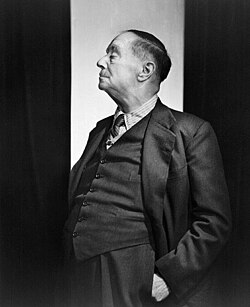
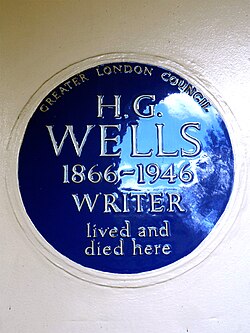
1946年に79歳で没した後も、彼の作品は世界中で読み継がれ、数多くの映画やドラマに翻案されました。彼の精神は、単なる物語の枠を超え、現代の科学技術への警鐘や未来への希望として生き続けています。
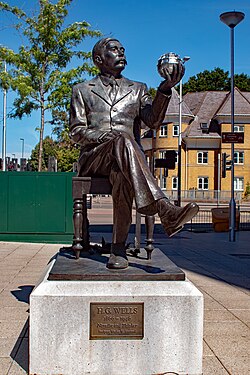
![Churchill avidly read Wells. An October 1906 Churchill speech was partly inspired by Wells's ideas of a supportive state as a "Utopia". Two days earlier, Churchill had written to Wells: "I owe you a great debt."[117][118]](/images/37/08/370878fa9bee04dc9036015a1225738d5c75fb9d7849c9ef1fc5e0cf495b65a7.jpg)
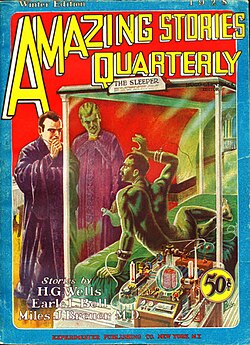
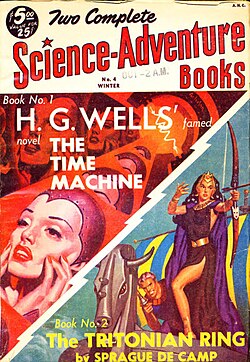
また、アメリカのSF雑誌での再版や、現代のデジタルメディアでの展開など、時代を超えて新しい世代に影響を与え続けています。
ウェルズの主要作品まとめ
| 作品名 | 発表年 | 主なテーマ・特徴 |
|---|---|---|
| タイムマシン | 1895年 | 時間旅行、未来の階級社会(エロイとモルロック) |
| ドクトル・モローの島 | 1896年 | 生物学的改造、人間性と動物性の境界 |
| 見えない人間 | 1897年 | 不可視化技術、科学者の孤独と狂気 |
| 宇宙戦争 | 1898年 | 火星人の侵略、文明の脆弱性と自然の力 |
| 月世界旅行 | 1901年 | 月への旅、未知の生態系と文明 |
| 世界史概説 | 1920年 | 人類史の俯瞰的な記述(ノンフィクション) |
Frequently Asked Questions
H.G.ウェルズはなぜ「SFの父」と呼ばれるのですか?
彼は、単なる空想ではなく、当時の最新科学(生物学や物理学)を物語の根拠として組み込む手法を確立したためです。時間旅行や宇宙侵略といった、後のSF作品のスタンダードとなる設定を数多く創出したことが高く評価されています。
彼の作品はどのような社会的メッセージを持っていましたか?
多くの作品で、科学技術の無制限な発展への危惧や、社会的な不平等の拡大に対する批判を描いています。例えば『タイムマシン』では、極端な階級分化が人類を二つの種に分断させる恐怖を描き、社会改革の必要性を訴えました。
政治的な活動にはどのようなものがありましたか?
彼は世界政府の設立を提唱し、国境を越えた理性的で組織的な世界秩序の構築を目指しました。また、PENインターナショナルの会長を務めるなど、作家としての地位を利用して国際的な平和と理解を促進しようと努めました。
現代の映画やドラマにどのような影響を与えていますか?
『宇宙戦争』や『タイムマシン』などは、時代に合わせて何度も映画化されており、現代のVFXを駆使した大作映画の原型となっています。また、「科学者が禁忌を犯して破滅する」というプロットは、多くのサイエンス・スリラーの基礎となっています。
ウェルズの作品の中で、特に推奨される入門書はありますか?
まずは『宇宙戦争』や『タイムマシン』などの短編・中編小説から入ることをお勧めします。これらは物語としての完成度が高く、彼が提示した「科学的想像力」を最も端的に体験できる作品です。
References
- (2000). Science Fiction. . p. 48. . 99087223. 41338934. 7485895M.
- "H. G. Wells – father of science fiction with hopes and fears for how science will shape our future". . Retrieved 12 August 2022.
- (2003). Don't Know Much About History: Everything You Need to Know About American History but Never Learned (1st ed.). New York: HarperCollins. pp. 431–432. .
- Handwerk, Brian (21 September 2016). "The Many Futuristic Predictions of H.G. Wells That Came True". Smithsonian Magazine. Retrieved 31 October 2023.
- James, Simon John (9 October 2017). "HG Wells: A visionary who should be remembered for his social predictions, not just his scientific ones". The Independent.
- (2004). H. G. Wells: Traversing Time. : . . Retrieved 24 August 2010.
- (2007). The Time Machine. London: . p. xiii. .
- "How Hollywood fell for a British visionary". . Archived from the original on 10 January 2022. Retrieved 14 March 2019.
- (1951). H. G. Wells: A Biography. , New York, and : . p. 99.
- "Nomination archive". . 1 April 2020. Retrieved 29 December 2022.
📸 フォトギャラリー