20世紀前半のアメリカ音楽シーンにおいて、既存の概念を根底から覆した異端児がいました。ヘンリー・カウエル(Henry Cowell)は、作曲家、ピアニスト、理論家、そして出版業という多才な顔を持ち、その過激なパフォーマンスと独創的な理論で「前衛音楽」の道を切り拓いた人物です。彼の革新的なアプローチは、後のジョン・ケージら次世代の作曲家に多大な影響を与え、現代音楽のあり方を決定づけました。
Key Facts
- トーン・クラスターの導入: 拳や前腕を使って鍵盤を同時に叩く奏法を体系化。
- ストリング・ピアノの創出: 鍵盤を介さず、ピアノ内部の弦を直接操作する技法を開発。
- 後世への影響: ジョン・ケージやルー・ハリソンらのメンターとなり、実験音楽の基礎を築いた。
- 音楽理論の執筆: 著書『New Musical Resources』を通じて、新しい音響資源の可能性を提示。
- チャールズ・アイヴズの普及: 孤高の天才アイヴズの作品を世に広めるため、出版活動に尽力した。
独学から始まった音響への探求
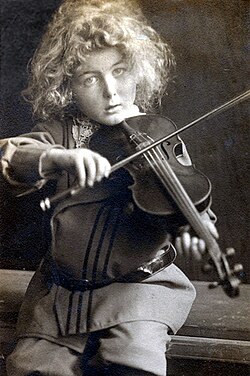
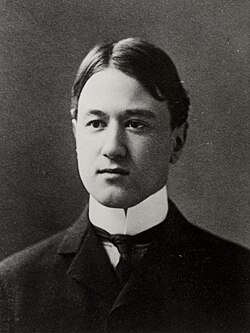
カウエルの音楽的旅路は、伝統的な教育とは無縁なところから始まりました。母親による家庭教育以外に正規の教育をほとんど受けなかった彼は、10代半ばから独学で作曲を開始します。15歳の時にわずか60ドルで中古のアップライトピアノを手に入れたことが、彼の実験精神に火をつけました。
彼はピアノという楽器を単なる旋律奏具ではなく、「音を出す装置」として捉えました。鍵盤を全力で叩きつけたり、母親の裁縫道具(ダーニング・エッグ)を弦の上で転がしたりするなど、日常的な動作を音楽へと昇華させたのです。1914年までに100曲以上の作品を書き上げ、その中には後のミニマリズムを予感させる反復的な構造を持つ『Anger Dance』などの初期作品が含まれていました。
学問的裏付けとニューヨークへの挑戦
17歳でカリフォルニア大学バークレー校に入学したカウエルは、音楽学者チャールズ・シーガーに師事します。シーガーは、カウエルが直感的に行っていた「トーン・クラスター(隣接する音を塊として同時に鳴らす技法)」に注目し、その理論化を促しました。これが後に彼の代表的な理論書となる『New Musical Resources』の原案となります。
その後、シーガーの勧めでニューヨークの音楽芸術院(後のジュリアード音楽院)へ進みますが、保守的な学風に息苦しさを感じ、わずか3ヶ月で中退。しかし、この地でレオ・オーンステインら同じ志を持つモダニストと出会ったことが、彼の活動をさらに加速させました。
楽器の概念を拡張した革新的技法
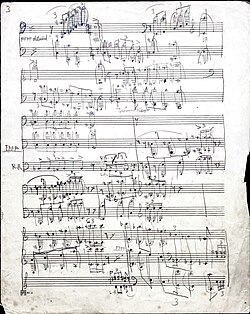
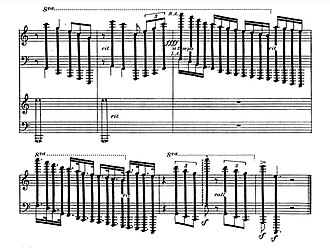
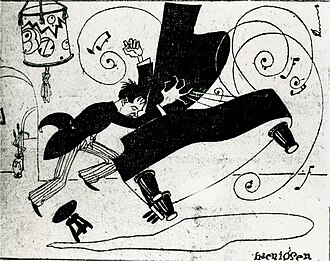
カウエルは、ピアノという楽器が持つ物理的な可能性を最大限に引き出そうとしました。特に注目すべきは、前腕や手のひらを用いて広範囲の音を同時に鳴らす奏法です。1916年の作品『Dynamic Motion』では、この大胆なクラスター技法が本格的に導入されました。
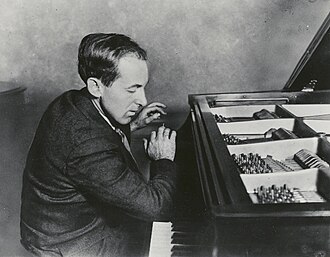
さらに、彼は「ストリング・ピアノ」という手法を確立します。これは鍵盤を叩くのではなく、奏者がピアノの内部に手を入れ、弦を直接弾いたり掃いたりするものです。このアプローチは、後にジョン・ケージが開発する「プリペアド・ピアノ(弦に物を挟んで音色を変えるピアノ)」の直接的なインスピレーションとなりました。
リズムとハーモニーの融合
ピアノ以外の領域でも、彼は「リズム・ハーモニー」という独自の概念を提唱しました。これは、複数の旋律線がそれぞれ独立した異なるリズムを持つポリフォニックな構造を指します。この理論は、彼の初期の弦楽四重奏曲などで実践され、音楽における時間軸の捉え方に新しい視点をもたらしました。
![Promotional flier for Cowell's 1924 Carnegie Hall debut[n 3]](/images/04/97/049700149d98916478f5fe592ef55ca42d2bb0d42b82a847127b84d754477432.jpg)
活動の拡大と社会的試練
1920年代後半、カウエルは「汎アメリカ作曲家協会」を設立し、南北アメリカ大陸の作曲家たちのネットワーク構築に尽力しました。ラテンアメリカの音楽を積極的に紹介し、国境を越えた前衛音楽のコミュニティを形成しようとしたのです。また、教育者としても名高く、ジョージ・ガーシュウィンやジョン・ケージらに影響を与え、「アメリカにおける新音楽の扉を開いた人物」と称されました。
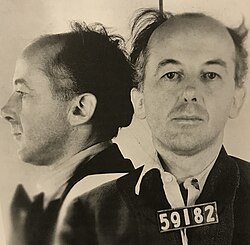
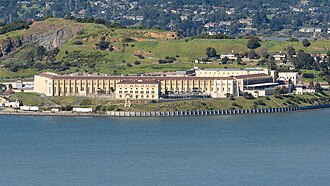
一方で、彼の人生には大きな困難もありました。1936年、彼は不当な状況下で逮捕され、サンクエンティン州立刑務所に投獄されます。この過酷な時期、多くの同僚作曲家や弟子たちが彼の釈放を求める運動を展開しました。1940年に仮釈放され、その後、民俗音楽学者のシドニー・ロバートソンとの結婚や、カリフォルニア州知事による恩赦を経て、ようやく自由を取り戻しました。
晩年と音楽的遺産
自由の身となった後のカウエルは、チャールズ・アイヴズの作品を普及させる活動に心血を注ぎました。アイヴズの独創的な音楽を世に知らしめるため、雑誌『New Music Quarterly』の創刊などを通じて、その価値を理論的に裏付け、出版を推進しました。
晩年はウッドストックで静かに過ごしましたが、1964年に大腸がんが判明。その後、脳卒中を併発し、1965年に68歳でこの世を去りました。彼が遺した「音の塊」としての音楽や、楽器の物理的構造へのアプローチは、現代のノイズミュージックや実験音楽の源流として今なお生き続けています。
ヘンリー・カウエルの概要まとめ
| 項目 | 詳細 |
|---|---|
| 生没年 | 1897年3月11日 - 1965年12月10日 |
| 主な役割 | 作曲家、ピアニスト、音楽理論家、出版業、教師 |
| 革新的技法 | トーン・クラスター、ストリング・ピアノ、リズム・ハーモニー |
| 代表的な著書 | 『New Musical Resources』 |
| 主な弟子・影響を受けた人物 | ジョン・ケージ、ルー・ハリソン、ジョージ・ガーシュウィン |
| 重要な貢献 | チャールズ・アイヴズの作品普及、汎アメリカ作曲家協会の設立 |
Frequently Asked Questions
トーン・クラスターとは具体的にどのような技法ですか?
通常、ピアノは指先で個別の音を弾きますが、トーン・クラスターは手のひらや前腕、あるいは拳を使って、隣接する複数の鍵盤を同時に押し下げる技法です。これにより、個別の音程ではなく「音の塊(クラスター)」としての響きを作り出します。
ストリング・ピアノが後の音楽にどう影響しましたか?
ピアノの内部構造に直接アプローチするこの手法は、楽器を「鍵盤楽器」という枠から解放しました。これがジョン・ケージによる「プリペアド・ピアノ」の着想源となり、現代の実験音楽における「楽器の拡張」という考え方の基礎となりました。
カウエルはどのような教育を受けていましたか?
彼はほとんど正規の学校教育を受けておらず、音楽についても母親による家庭教師的な指導を受けたのみでした。そのため、既存の音楽理論に縛られることなく、自由で実験的な作曲スタイルを確立することができました。
チャールズ・アイヴズとの関係はどのようなものでしたか?
カウエルはアイヴズの音楽的な先見性を高く評価し、彼の作品を出版し、世に広めるための強力なプロモーターとして活動しました。アイヴズの音楽を理論的に分析し、正当な評価を得させることで、アメリカ音楽史におけるアイヴズの地位を確立させました。
彼が投獄された理由は音楽活動に関連していたのですか?
いいえ、投獄の理由は音楽活動ではなく、当時の社会的な偏見に基づくものでした。しかし、この事件は当時の音楽コミュニティに大きな衝撃を与え、多くの作曲家たちが彼の権利を守るために団結するきっかけとなりました。
References
- Cowell describes the inspiration for the piece in the commentary track he recorded for Folkways in 1963: "The Anger Dance was composed at a time when I had been very much annoyed by the fact that a doctor to whom I showed a bent-up leg suggested that it should be cut off immediately. And since I didn't in the least approve of this, and thinking of it over and over again made me more and more angry, I stomped home on my crutches, and the phrases of the Anger Dance went through my mind louder and louder as I walked home" (track 20/5:06–5:41). Cowell biographer Michael Hicks (2002) describes the work as one of Cowell's "most prescient" and "proto-minimalist" (p. 60). The piece's structure does anticipate procedures, and an interpretation by Steffen Schleiermacher from 1993 is simultaneously metronomic and jazzy in a way that reveals its kinship with the work of , in particular. But in his own 1963 recording, Cowell expresses a torment, through jagged and ambivalent (all clearly purposeful), that renders Anger Dance very different in character from the work of the American minimalists.
- Often misspelled in some articles and music programs as "".
- Only four of the five written encores to Dynamic Motion — which excluded Time Table — were played at the debut, at the direction of Cowell.
- It is possible that Cowell had earlier dabbled in a more whimsical form of aleatory. The liner notes to the Folkways Henry Cowell: Piano Music, written in 1963 and revised in 1993, assert that each phrase of Anger Dance "may be repeated many times, depending on how angry the player is able to feel." Of Advertisement (Third Encore to Dynamic Motion) (1917, not 1914 as the liner notes state) — which Cowell called "a satire on repititious advertisement of a raucous nature" (track 20/2:14–2:20) — it is likewise said that "there is a section that may be repeated, to emphasize the absurdity, as many times as the performer likes." Nicholls (1991) notes that, in fact, the published score of Anger Dance "gives specific instructions regarding the number of repetitions each musical fragment should be subjected to" (p. 167). He observes, however, that Cowell in his own recording of the piece reiterates certain phrases beyond the specified number.
- For instrumentation details, see Percussion Ensemble Music 1910–1940. The first entr'acte in 's opera (1928) is scored for percussion ensemble.
- Note that this source includes a photograph of a man with a Rhythmicon; the man is not Cowell, as the image's position in the article implies, but an associate, musical theorist .
- Among those who were questioned and confessed to the police, the youngest was a seventeen-year-old who, at the time, would have been legally considered an adult under the former laws of California.
- Sources conflict on what actually caused Ives' sudden lack of contact with Cowell. It is believed that Ives's wife, Harmony, was the one who recommended that he not to write to Cowell while in prison — so as to not have her husband's name sullied by controversy, and herself having views against homosexual behavior. The only known correspondence the two had from this era was a letter Cowell received on May 29, 1937, with Ives saying, "I've started to write you a few times or more, but didn't because I didn't know what to write or say or what to think or do – and I don't now – so I'll shut up! At least I can do all I can & I will to help New M[usic] Editions keep going as well as possible and as you would want... I do hope you can keep well & that things will go well in the future."
- The most recent standard collection of Virgil Thomson's writings, edited by and published in 2002, identifies Thomson's statement as undated. The statement is excerpted at length in the liner notes to the Smithsonian Folkways CD Henry Cowell: Piano Music issued in 1993. There the quote is dated 1953, but no source is provided. Given that (a) many of the dates listed for Cowell's piano pieces in the Folkways liner notes are incorrect (see Hicks (2002), p. 80, for more on that topic) and (b) Thomson refers to "experiments begun three decades ago," a date earlier than 1953 is plausible.
📸 フォトギャラリー