私たちの身の回りで起こるあらゆる現象の背後には、熱伝達(Heat Transfer)という物理的なエネルギー移動が存在します。これは熱エネルギーが物理的なシステム間でどのように生成され、変換され、そして交換されるかを扱う熱工学の一分野です。熱の移動は単一の方式で起こるのではなく、複数のメカニズムが同時に作用することで、物質の温度変化や状態の変化をもたらします。
熱伝達を理解することは、効率的なエンジンの設計から地球規模の気候変動の解析、さらには人体における体温調節に至るまで、極めて幅広い分野で不可欠な知識となります。
Key Facts
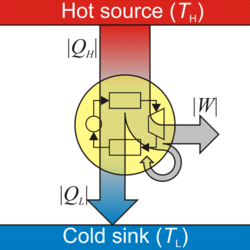
- 熱は常に高温領域から低温領域へと自発的に移動し、最終的に熱平衡状態に達します。
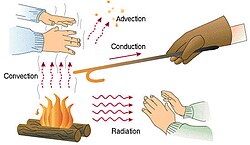
- 主要な伝達方式には、直接的な接触による「伝導」、流体の移動による「対流」、電磁波による「放射」があります。
- 相転移(沸騰や凝縮など)に伴う潜熱の移動も、極めて効率的な熱伝達手段となります。
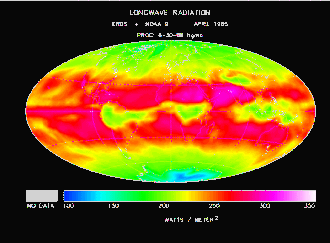
- 地球のエネルギー収支は、太陽からの短波放射の吸収と、宇宙への長波放射の放出のバランスで成り立っています。
熱伝達の主要なメカニズム
1. 熱伝導(Conduction)
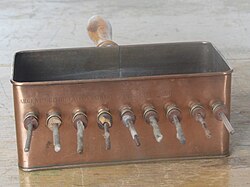
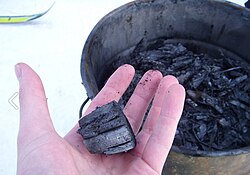
熱伝導とは、物質内部の粒子(分子や格子波など)が直接的に運動エネルギーを交換することで熱が伝わる現象です。これは「拡散」とも呼ばれ、主に固体や静止した流体の中で起こります。物質の熱伝導率は素材によって異なり、金属などは一般に高い伝導性を持ちます。
2. 熱対流(Convection)
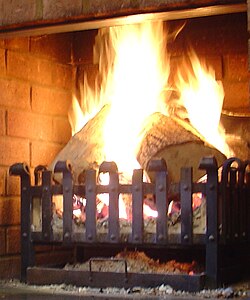
液体や気体などの流体が物理的に移動することで熱を運ぶ現象を対流と呼びます。対流には、ポンプやファンなどの外部動力によって強制的に流体を動かす強制対流と、温度差による密度変化(浮力)で自然に発生する自然対流の2種類があります。
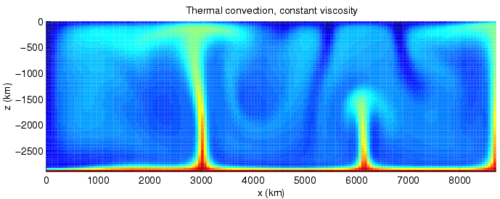
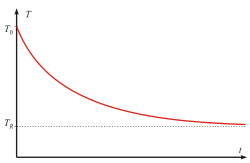
対流の発生しやすさはレイリー数という指標で評価され、一般にこの値が1,000〜2,000を超えると対流が顕著になります。また、ニュートンの冷却法則によれば、物体の温度変化率は周囲との温度差に比例します。
3. 熱放射(Radiation)
熱放射は、物質が電磁波(主に赤外線)を放出することで熱を伝える方式です。伝導や対流とは異なり、真空状態であっても熱を伝えることができます。太陽からのエネルギーが地球に届くのはこの放射によるものです。

放射による熱移動量は、ステファン=ボルツマン定数や物体の放射率、および絶対温度の4乗に依存します。この特性を利用し、鏡で太陽光を集光して超高温を作り出す太陽炉などの技術が開発されています。
相転移によるエネルギー輸送
物質が状態を変える際(相転移)、大量のエネルギーが吸収または放出されます。これにより、単なる温度変化以上の効率的な熱移動が可能になります。
- 沸騰(Boiling): 液体が気体に変わる際に熱を吸収します。
- 凝縮(Condensation): 気体が液体に変わる際に熱を放出します。産業用の熱交換器で広く利用されています。
- 融解(Melting): 固体が液体に変わる際に熱を吸収します。
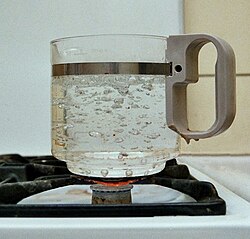
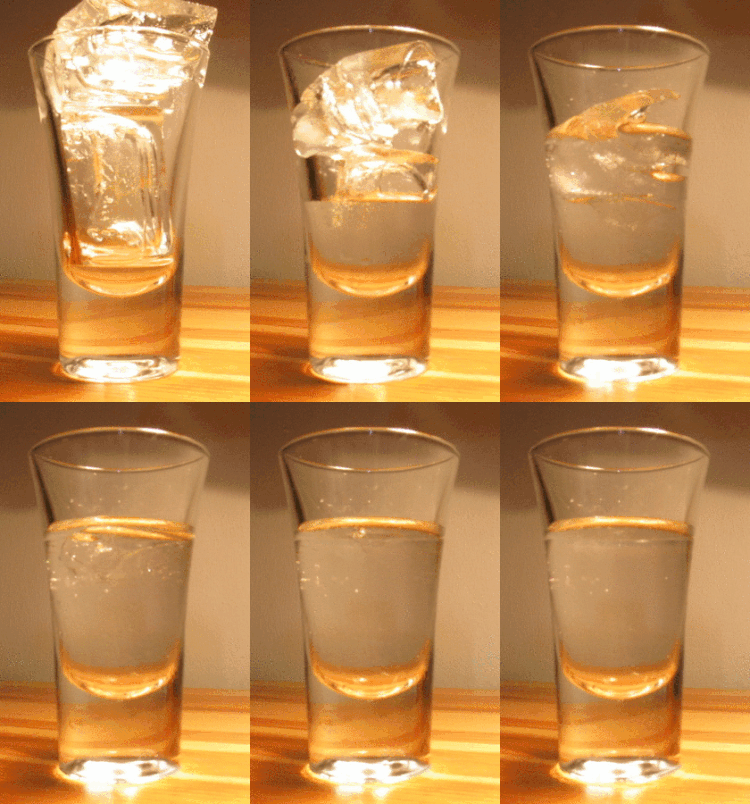
工学的応用と現代技術
熱管理と断熱
不要な熱移動を防ぐために、反射率の高い材料を用いた放射バリアや、真空層を持つデワー瓶(魔法瓶)が利用されます。宇宙空間では、アルミ蒸着マイラーを用いた多層断熱材(MLI)が衛星の温度制御に不可欠です。
冷却技術の進化
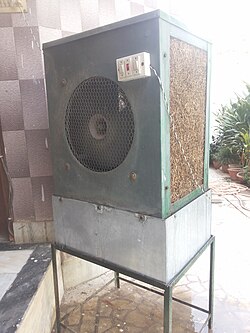
伝統的な気化冷却(蒸発冷却)から、量子物理学で用いられるレーザー冷却まで、多様な手法が存在します。レーザー冷却では、原子を絶対零度(-273.15 °C)付近まで冷却し、特殊な量子状態を観測することが可能です。
気候工学と地球環境
地球の温度調節において、温室効果ガスは地表からの長波放射を吸収し、再び地表へ戻すことで保温効果をもたらします。一方で、最新の気候工学では「受動的昼間放射冷却」という手法が研究されており、エネルギーを使わずに赤外線ウィンドウ(8–13 μm)を通じて宇宙へ直接熱を放出させ、地表を冷却させる試みが行われています。
![A representation of the exchanges of energy between the source (the Sun), the Earth's surface, the Earth's atmosphere, and the ultimate sink outer space. The ability of the atmosphere to redirect and recycle[39] energy emitted by the Earth surface is the defining characteristic of the greenhouse effect.](/images/bd/7b/bd7b380e2c7d2c8c0d781f5c11b74327f57f47f27969026ecf80b31164c9915c.webp)
熱伝達の歴史的背景
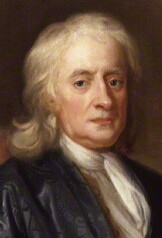
熱伝達の科学は、多くの先駆者による実験的なアプローチから発展しました。1701年にアイザック・ニュートンが物体の冷却速度と温度差の関係を指摘して以来、熱の性質に関する研究が進みました。
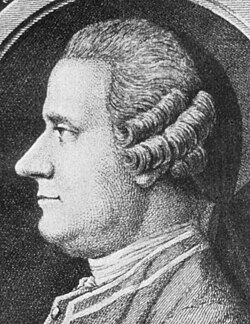
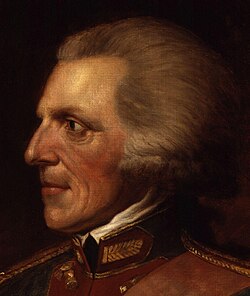
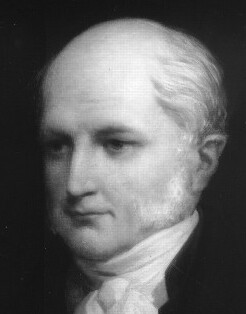
その後、ヤン・インゲンハウズは異なる金属間の熱伝導率を比較し、ベンジャミン・トンプソン(ラムフォード伯爵)は水や空気、真空中の熱伝導に関する詳細な実験を行い、「対流」という概念の定式化に寄与しました。
熱伝達特性のまとめ
| メカニズム | 主な伝達媒体 | 移動の原理 | 特徴的な例 |
|---|---|---|---|
| 熱伝導 | 固体(主に)、静止流体 | 粒子間の直接的なエネルギー交換 | 金属棒の加熱 |
| 熱対流 | 液体、気体(流体) | 流体の物理的な移動(バルクフロー) | 暖房による室温上昇 |
| 熱放射 | 電磁波(真空でも可) | 赤外線などの電磁波放出 | 太陽光による加熱 |
| 相転移 | 状態変化する物質 | 潜熱の吸収および放出 | 水蒸気の凝縮、氷の融解 |
![Lightning is a highly visible form of energy transfer and is an example of plasma present at Earth's surface. Typically, lightning discharges 30,000 amperes at up to 100 million volts, and emits light, radio waves, X-rays and even gamma rays.[21] Plasma temperatures in lightning can approach 28,000 kelvins (27,726.85 °C) (49,940.33 °F) and electron densities may exceed 1024 m−3.](/images/67/83/6783919d5d08ad6f70293d16562c12ff2276ff6e543caa3c56f66bc74525ad87.jpg)
Frequently Asked Questions
熱伝導と熱対流の決定的な違いは何ですか?
熱伝導は物質が移動せずに粒子同士がエネルギーを伝え合う現象であるのに対し、熱対流は液体や気体などの流体そのものが移動することで熱を運ぶ現象です。そのため、対流は流体の流れがある場合にのみ発生します。
真空状態で熱を伝える方法はありますか?
はい、熱放射(放射伝達)によって可能です。伝導と対流には物質(媒体)が必要ですが、放射は電磁波としてエネルギーが伝わるため、媒体のない真空空間でも熱を移動させることができます。
温室効果は熱伝達の観点からどう説明されますか?
地表から放出される長波(赤外線)放射を、大気中の温室効果ガスが吸収し、再び地表方向へ放射することで、熱が宇宙へ逃げにくくなる現象です。これにより大気圏内の熱エネルギーが保持されます。
相転移が熱伝達に効率的なのはなぜですか?
物質が状態を変える際に必要とする「潜熱」は、単なる温度上昇に必要な熱量よりも非常に大きいため、少量の物質の移動で大量のエネルギーを輸送できるからです。これはエアコンや冷蔵庫の冷媒サイクルに利用されています。
References
- Geankoplis, Christie John (2003). Transport Processes and Separation Principles (4th ed.). Prentice Hall. .
- Abedin, Engineer Zain ul (9 August 2023). "What are the Basic Concepts of Engineering Thermodynamics?". Archived from the original on 20 November 2023. Retrieved 20 November 2023.
- "B.S. Chemical Engineering". New Jersey Institute of Technology, Chemical Engineering Department. Archived from the original on 10 December 2010. Retrieved 9 April 2011.
- Lienhard, John H. IV; Lienhard, John H. V (2019). A Heat Transfer Textbook (5th ed.). Mineola, NY: Dover Pub. p. 3.
- Welty, James R.; Wicks, Charles E.; Wilson, Robert Elliott (1976). Fundamentals of momentum, heat, and mass transfer (2nd ed.). New York: Wiley. . 2213384.[]
- Faghri, Amir; Zhang, Yuwen; Howell, John (2010). Advanced Heat and Mass Transfer. Columbia, MO: Global Digital Press. .
- Taylor, R. A. (2012). "Socioeconomic impacts of heat transfer research". International Communications in Heat and Mass Transfer. 39 (10): 1467–1473. :2012ICHMT..39.1467T. :10.1016/j.icheatmasstransfer.2012.09.007.
- Abbott, J.M.; Smith, H.C.; Van Ness, M.M. (2005). Introduction to Chemical Engineering Thermodynamics (7th ed.). Boston, Montreal: McGraw-Hill. .
- "Heat conduction". Thermal-FluidsPedia. Thermal Fluids Central.
- Çengel, Yunus (2003). Heat Transfer: A practical approach (2nd ed.). Boston: McGraw-Hill. .[]
📸 フォトギャラリー