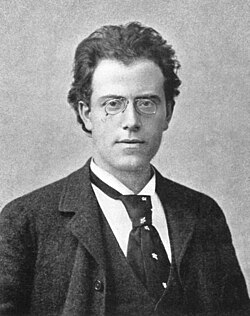
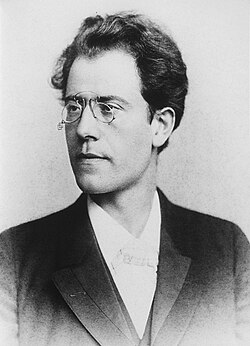
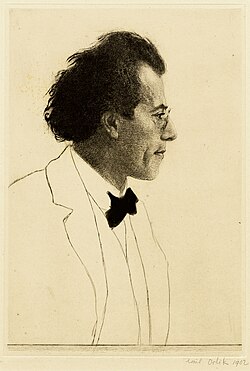
19世紀のロマン主義音楽を極めながら、20世紀の近代音楽への扉を開いた人物、それがグスタフ・マーラーです。彼は卓越した指揮者として当時の音楽界に君臨し、作曲家としては壮大なスケールの交響曲を通じて人間の生と死、自然、そして孤独を深く描き出しました。生前は指揮者としての名声が先行していましたが、没後、特に第二次世界大戦後になってから、その独創的な音楽性は世界中で再評価され、現代においても最も演奏される作曲家の一人となっています。
Key Facts
- 音楽的役割: 19世紀の伝統的な形式と20世紀のモダニズムを橋渡しした。
- 指揮者としての頂点: ウィーン宮廷歌劇場の音楽監督を務め、演奏水準を飛躍的に向上させた。
- 作曲スタイル: 大編成のオーケストラ、合唱、独唱を駆使した大規模な作品を多く残した。
- 後世への影響: シェーンベルクら「第二ウィーン楽派」やショスタコーヴィチに多大な影響を与えた。
- 波乱の人生: ユダヤ系家系に生まれ、反ユダヤ主義との闘いや家族の悲劇を経験した。
若き日の研鑽と指揮者としての台頭
1860年、ボヘミアの質素なユダヤ系家庭に生まれたマーラーは、幼少期から類まれなる音楽的才能を示しました。故郷の街で過ごした少年時代を経て、ウィーン音楽院で学び、1878年に卒業します。
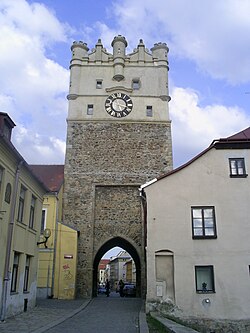
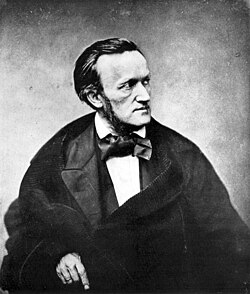
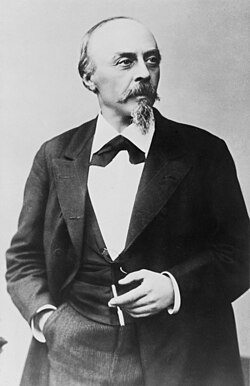
学生時代にはリヒャルト・ワーグナーの音楽に深く傾倒し、後の彼の音楽的基盤を築きました。卒業後はヨーロッパ各地の歌劇場で指揮者のポストを歴任し、着実にキャリアを積み上げていきます。
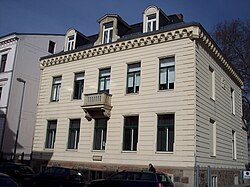
プラハやライプツィヒでの活動期には、作曲への情熱も燃やしていました。ライプツィヒに住んでいた頃、彼は自身の代表作となる第一交響曲を書き上げました。
その後、ブダペスト王立歌劇場やハンブルク市劇場での指揮を通じて、その名声を高めていきます。1893年には、第一交響曲の改訂版を「タイタン」という標題の交響詩として披露し、同時に「不思議な角笛」の歌曲集も発表しました。作曲家として本格的な成功を収めたのは、1895年にベルリンで初演された第二交響曲からであると言われています。
ウィーン時代の栄光と葛藤
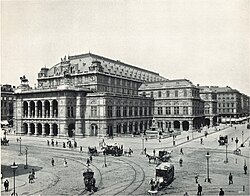
1897年、マーラーは音楽人生の頂点とも言えるウィーン宮廷歌劇場の監督に就任します。このポストを得るためにカトリックに改宗しましたが、それでも当時の反ユダヤ主義的な風潮による激しいバッシングにさらされました。
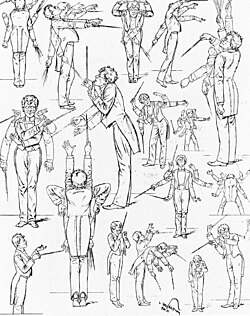
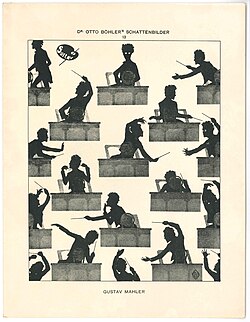
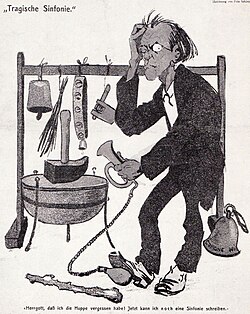
しかし、彼は妥協することなく、ワーグナーやモーツァルト、チャイコフスキーなどの作品において革新的な演出と極めて高い演奏水準を追求しました。その厳格な指揮スタイルは、時に風刺の対象となるほど強烈なものでした。
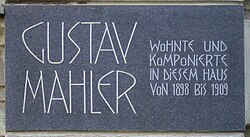
ウィーンでの生活の中で、彼は作曲活動を継続します。夏には人里離れた「作曲小屋」に籠もり、自然の中で創作に没頭しました。この時期に多くの交響曲や歌曲集が誕生しています。
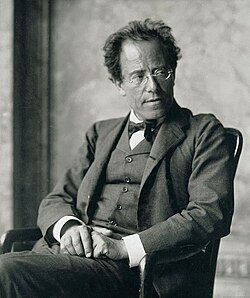

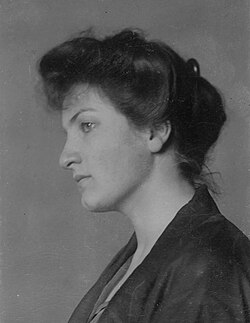
私生活では1902年にアルマ・シンドラーと結婚しますが、同時に弟の自死や子供の死といった深い悲劇に見舞われ、それらの感情が彼の音楽に深い哀愁と精神的な葛藤として刻み込まれました。
晩年とニューヨークへの旅立ち
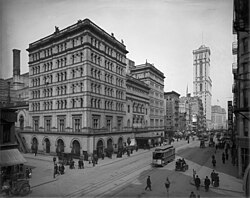
1908年、マーラーはヨーロッパを離れ、アメリカのニューヨーク・メトロポリタン歌劇場およびニューヨーク・フィルハーモニックの監督に就任します。新天地でもその類まれな能力を発揮しましたが、心身の疲労は蓄積していきました。
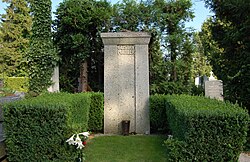
1911年5月18日、彼はウィーンでその生涯を閉じました。彼の死後、その音楽は一時的に忘れられた時期や、ナチス政権下で演奏禁止となる苦難の時代を経験しましたが、戦後の音楽再評価の流れの中で、世界で最も愛される作曲家の一人へと返り咲いたのです。
音楽的特徴と創作の変遷
マーラーの作品は、その規模の大きさと感情の激しさで知られています。分析家のデリック・クックらは、彼の創作活動を以下の3つの時期に分類しています。
- 第一期(1880年〜1901年): 『嘆きの歌』から「不思議な角笛」時代まで。
- 中期(1901年〜1907年): 創作活動がより集中し、ニューヨークへ旅立つまで。
- 後期(1907年〜1911年): 死に至るまでの短期間に書かれた、挽歌的な性格の強い作品群。

彼の音楽は、伝統的な交響曲の形式を拡張し、民謡や自然の音、俗世的な要素を大胆に取り入れたことで、後のアルノルト・シェーンベルクらによる無調音楽や近代音楽への道を切り拓きました。
| ジャンル | 代表作 | 特徴 |
|---|---|---|
| 交響曲 | 第1番「巨人」、第2番「復活」、第8番「千人の交響曲」など | 大編成のオーケストラと合唱を用いた壮大な構成 |
| 歌曲集 | 『不思議な角笛』、『大地の歌』、『ルックルト歌曲』 | 自然、愛、死をテーマにした深い精神性 |
| 舞台作品 | 『嘆きの歌』 | 初期の野心的な作風が現れた作品 |
Frequently Asked Questions
マーラーはなぜ「近代音楽の架け橋」と言われるのですか?
彼はベートーヴェン以来の交響曲の伝統を継承しながらも、形式を極限まで拡大し、不協和音や多様な音色を導入しました。このアプローチが、後のシェーンベルクらによる無調音楽や現代音楽の誕生に直接的な影響を与えたためです。
「千人の交響曲」とは本当に1000人が演奏したのですか?
一般に第8番交響曲を指しますが、マーラー自身はこの呼称を認めていませんでした。ミュンヘンでの初演時は1000人を下回っていましたが、後のニューヨーク公演などで1000人を超える出演者が揃ったことでこの名が定着しました。
指揮者としてのマーラーはどのような人物でしたか?
完璧主義者であり、妥協を許さない厳格な指導で知られていました。ウィーン宮廷歌劇場では、演出の刷新や演奏精度の向上を徹底し、当時のオペラ上演のあり方を根本から変えた偉大な指揮者として評価されています。
彼の音楽が戦後、急激に普及したのはなぜですか?
ナチス時代に弾圧されていたため、戦後、自由な表現への渇望とともに彼の人間的な苦悩や精神的な深みが、新しい世代の聴衆や演奏家に強く共鳴したためと考えられています。
References
- The music of Der Trompeter von Säkkingen has been mostly lost. A movement entitled "Blumine" was included in the first, five-movement version of .
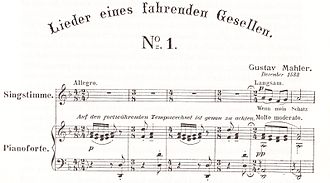
- Mahler may have been aware of this collection earlier, since he had based the first of the Lieder eines fahrenden Gesellen poems on a Wunderhorn text.
- Some sources, e.g., Paul Banks writing in Sadie, p. 509, give the appointment date as 8 September 1897. According to La Grange the decree appointing Mahler to the directorship was dated 8 October and signed by the Lord Chamberlain on behalf of the Emperor on 15 October.
- , Mahler's future wife, claimed to have introduced Mahler to Roller at her stepfather's house in January 1902. However, there is some evidence that Roller had worked on designs for the Hofoper as early as January 1901.
- The subscription concerts were an annual programme of orchestral concerts, performed by the Vienna Philharmonic Orchestra which comprised the elite instrumentalists from the Hofoper. Mahler was therefore well known to the players before he began his duties as the concerts conductor.
- One of the Rückert poems, "Liebst du um Schönheit", was left unorchestrated until this was carried out by a Leipzig musician, Max Puttmann. The song is usually performed alongside the others.
- See, for example, the letters to Alma sent from Munich in 1910, the last of which begins: "My beloved, madly beloved Almschili! Believe me, I am sick with love!" Carr, however, notes the extent to which Alma Mahler edited and selected the letters which she published in her book Memories and Letters, initially published in 1940.
- The term "" has been used to refer to the difficulties that Alma's distortions have created for subsequent historians. Jonathan Carr writes: "[B]it by bit, more about Alma has emerged to cast still graver doubt on her published work ... Letters from Mahler to her have come to light in a more complete form than she chose to reveal. It is now plain that Alma did not just make chance mistakes and see things 'through her own eyes.' She doctored the record."
- differentiates between "song" and "song-cycle"; he also disparages the term "song-symphonist", which he calls "a horrid cliché that belongs to the dubious history of Mahler's critics."
- The title "Symphony of a Thousand" was not acknowledged by Mahler. Jonathan Carr indicates that, at its Munich premiere, there were fewer than 1000 performers present. At the American premiere under Leopold Stokowski in 1916, however, there were 1,068 performers, including 950 choristers.
📸 フォトギャラリー