20世紀の音楽界において、これほどまでに個性的で議論を呼んだ音楽家は稀でしょう。カナダが生んだピアニスト、グレン・グールドは、伝統的な演奏形式に縛られず、独自の解釈と緻密なコントロールでクラシック音楽に革命をもたらしました。特にJ.S.バッハの再解釈における彼の功績は、今なお世界中のリスナーに衝撃を与え続けています。
Key Facts
- 本名:グレン・ハーバート・ゴールド(1932年〜1982年)
- 出身:カナダ、オンタリオ州トロント
- 代表作:バッハ『ゴールドベルク変奏曲』の録音(1955年および1982年)
- 音楽的特徴:打鍵を「上から叩く」のではなく「引き下げる」独自のテクニック
- 主要受賞歴:グラミー賞、ジュノー賞、グラミー生涯功労賞など
- 特異な経歴:キャリアの途中でコンサート活動を完全に停止し、スタジオ録音に専念した
音楽的ルーツと独自の奏法
グールドの音楽的基盤は、トロントの王立音楽院での学びから始まりました。彼の奏法に決定的な影響を与えたのが、師であるアルベルト・ゲレロです。ゲレロは、鍵盤を上から叩くのではなく、指を「引き下げる」ようにして打鍵するという独創的なアプローチを伝授しました。この技術が、グールド特有の明晰で粒立ちの良い音色の源泉となりました。
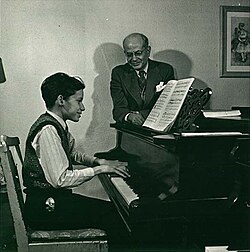
若き日のグールドは、音楽への深い情熱とともに、非常に繊細で個性的(エキセントリック)な一面を持っていました。愛犬のニッキーや、モーツァルトと名付けられたインコと共に過ごす時間は、彼にとって大切な安らぎのひとときであったと言われています。
![Gould in February 1946 with his dog, Nicky, and his parakeet, Mozart[25][26]](/images/74/50/7450fa07205681258c5b34b3367889e5cce74447d095c0ff419c32a5e628b7b3.jpg)
スタジオ録音への転向とテクノロジーへの傾倒
グールドは、聴衆の反応に左右されるライブパフォーマンスよりも、完璧なコントロールが可能なスタジオ録音に価値を見出しました。彼は録音技術を単なる記録手段ではなく、一つの芸術形式として捉えていました。編集によって理想の演奏を構築する手法を追求し、最終的にはコンサート活動を完全に引退してスタジオに閉じこもる道を選びました。
また、彼のこだわりは演奏スタイルに留まらず、使用する機材にも及びました。彼が愛用した低い高さのピアノ椅子は、彼の独特な姿勢を支えるための必須アイテムであり、現在でもそのレプリカが彼のこだわりを物語る象徴となっています。
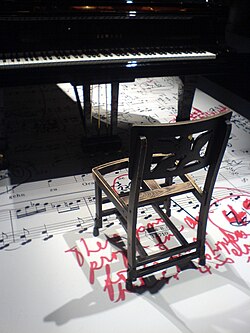
バッハへの献身と幅広い芸術性
グールドの名を世界に知らしめたのは、J.S.バッハの作品、特に『ゴールドベルク変奏曲』へのアプローチでした。彼はバッハの対位法的な構造を鮮やかに描き出し、当時の常識を覆すテンポとダイナミクスで演奏しました。しかし、彼の才能はバッハに留まらず、ベートーヴェンのピアノ協奏曲やソナタ、さらには自ら作曲した弦楽四重奏曲など、多岐にわたる作品に取り組んでいました。
また、彼は指揮や編曲、さらには音楽に関する論考などの執筆活動にも精を出し、音楽を多角的な視点から分析する知的な探究心を持っていました。
栄誉と不滅のレガシー
その類まれなる才能は、数多くの賞によって認められました。カナダの音楽賞であるジュノー賞や、世界的に権威のあるグラミー賞を何度も受賞し、没後にはグラミー生涯功労賞にも贈られています。彼の精神は、トロントにある「グレン・グールド・スクール」や「グレン・グールド財団」を通じて、次世代の音楽家たちに受け継がれています。
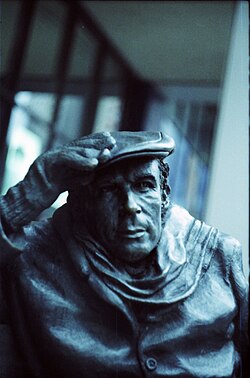
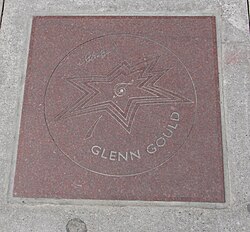
トロントの街中には、カナダ放送センター(CBC)外のベンチ彫刻や、カナダ・ウォーク・オブ・フェームの星など、彼を称える記念碑が点在しています。
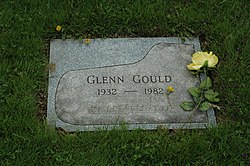
1982年、50歳という若さでこの世を去ったグールド。彼の墓碑には、彼が人生をかけて追求したバッハ『ゴールドベルク変奏曲』の冒頭部分(インキピット)が刻まれており、彼が最期まで音楽と共にあったことを示しています。
グレン・グールドのプロフィールまとめ
| 項目 | 詳細 |
|---|---|
| 活動期間 | 1945年 〜 1982年 |
| 主な楽器 | ピアノ、オルガン |
| 主要レーベル | Columbia Masterworks |
| 代表的な受賞 | グラミー賞(ゴールドベルク変奏曲など)、ジュノー賞 |
| 音楽的傾向 | バッハの再解釈、スタジオ録音の芸術化 |
Frequently Asked Questions
なぜグレン・グールドはコンサート活動を辞めたのですか?
彼はライブ演奏における聴衆との関係性や、その場の即興的な不確実性よりも、スタジオでの緻密な編集とコントロールによって「完璧な音楽的理想」を実現することを重視したためです。
彼が最も得意とした作曲家は誰ですか?
J.S.バッハです。特に『ゴールドベルク変奏曲』や『平均律クラヴィーア曲集』などの作品において、構造的な明晰さと独自の解釈を融合させた演奏で高く評価されました。
グールドの演奏スタイルの最大の特徴は何ですか?
非常にクリアなアーティキュレーション(音の切り離し)と、伝統的な感情表現に頼らない知的なアプローチ、そして師から学んだ「引き下げる」打鍵法による独特の音色が特徴です。
彼が受賞した主な賞にはどのようなものがありますか?
グラミー賞では『ゴールドベルク変奏曲』で最優秀クラシックアルバム賞などを受賞しており、カナダのジュノー賞でも複数の作品で受賞しています。また、2013年にはグラミー生涯功労賞が贈られました。
グレン・グールド・スクールとは何ですか?
彼の音楽的遺産を継承し、高度な音楽教育を提供するために設立された教育機関です。王立音楽院(RCM)の一部として運営されています。
References
- , p. 27) states, "Gould's first name is frequently misspelled as 'Glen' in documents (including official ones) dating back to the beginning of his life, and Gould himself used both spellings interchangeably throughout his life." , p. 24) further investigated the name-change records in Ontario's Office of the Registrar General and found only a record of his father Bert's name-change to Gould in 1979 (to be able to legally marry with that name); he concludes that the family's name-change was informal and "Gould was still legally 'Glenn Herbert Gold' when he died."
- According to , p. 24), "[Gould's] birth certificate gave his name as 'Gold, Glenn Herbert.' The family name had always been Gold [...] All of the documents through 1938 that survive among Gould's papers give his surname as 'Gold,' but beginning at least as early as June 1939, the family name was almost always printed 'Gould' in newspapers, programs, and other sources; the last confirmed publication of 'Gold' is in the program for a church supper and concert on 27 October 1940. The whole family adopted the new surname."
- Full circumstances of the name-change can be found in , pp. 24–26).
- According to , p. 27), "At least as far back as the mid-eighteenth century, there were no Jews in this particular Gold lineage."
- , p. 27) dates this incident on the basis of a discussion with Gould's father, who is cited by Friedrich as stating that it occurred "when the boy was about ten".
- ATCM is Associate, Toronto Conservatory of Music. The Conservatory received its in 1947 and became .
- During Gould's 1957 concert performances in Moscow, labelled him a phenomenon ().
- In their documentary film Glenn Gould: A Portrait (), Glenn Gould's father recalled that Glenn "would not come out [of his bedroom] until he memorized the whole music" [regarding one of Beethoven's piano concertos].
- In outtakes of the Goldberg Variations, Gould describes his practising technique by composing a drill on Variation 11, remarking that he is "still sloppy" and with his usual humour that "a little practising is in order." He is also heard practising other parts of the Goldbergs.
- Gould: "The piano was a means to an end for him, and the end was to approach Beethoven." See 07:40 minutes in.
📸 フォトギャラリー