Burnham portrait photograph taken in Arizona Territory in 1881
← ホームへ戻る

フレデリック・ラッセル・バーナム世界的なスカウト運動に影響を与えた伝説の冒険家

🗓 2026年8月15日

19世紀から20世紀にかけて、アメリカとアフリカという二つの大陸でその名を轟かせた人物がいます。フレデリック・ラッセル・バーナムは、単なる冒険家や軍人にとどまらず、現代のボーイスカウト運動の精神的な礎を築いた「スカウトの王」として知られています。ネイティブ・アメリカンの知恵とアメリカ西部の開拓精神を身につけた彼は、その卓越した追跡術を武器に、歴史的な紛争や未知の地への探検に身を投じました。

主要な実績と事実(Key Facts)

  • スカウト運動への貢献: ボーイスカウトの創設者ロバート・ベーデン・パウエルに野外技能(ウッドクラフト)を伝授し、国際的な運動の誕生に影響を与えた。
  • 軍歴: イギリス陸軍の少佐まで昇進し、最高位の勲章の一つである「ディスティングイッシュド・サービス・オーダー(DSO)」を受章。
  • 多様な戦歴: アメリカのアパッチ戦争から、アフリカのマタベレ戦争、そして第二次ボーア戦争まで、数々の激戦を経験した。
  • 自然保護への情熱: 後年、カリフォルニア州立公園委員会やレッドウッド保護連盟の創設メンバーとして環境保護に尽力した。

原野で培われた追跡の才能

バーナムの人生は、ミネソタ州のダコタ・スー族の保留地という、極めて特殊な環境から始まりました。幼少期にネイティブ・アメリカンの生活様式や自然との共生術を学んだ彼は、14歳でカリフォルニアへ移住し、当時のカウボーイやフロンティアマンから実践的なスカウト技術を習得しました。

その後、アリゾナ準州へと活動拠点を移したバーナムは、牧場主と羊飼いの激しい抗争である「プレザントバレー戦争」に巻き込まれます。この過酷な経験を経て、彼はアメリカ陸軍の民間人追跡者としてアパッチ戦争に従事し、その類まれなる能力を証明しました。
Burnham portrait photograph taken in Arizona Territory in 1881

彼が若き日にプレスコットで購入したシックスシューター(回転式拳銃)は、その後アフリカやメキシコでの冒険においても彼を支え続けた生涯の相棒となりました。
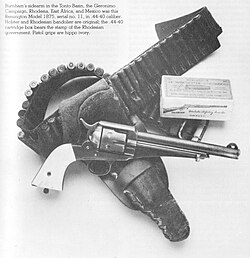
Caption reads: Burnham's sidearm in the Tonto Basin, the Geronimo Campaign, Rhodesia, East Africa, and Mexico was this Remington Model 1875, serial no. 11, in .44–40 caliber. Holster and Rhodesian bandoleer are original; the .44–40 cartridge box bears the stamp of the Rhodesian government. Pistol grips are hippo ivory.

アフリカ大陸での激闘と栄光

1893年、さらなる未知の世界を求めてバーナムは家族と共に南部アフリカへ渡ります。当時、セシル・ローズが進めていた「ケープ・トゥ・カイロ鉄道」計画に惹かれた彼は、イギリス南アフリカ会社にスカウトとして雇われ、マタベレ戦争に参戦しました。

特に有名なのが、アラン・ウィルソン少佐率いる「シャンガニ・パトロール」への参加です。バーナムはチーフ・オブ・スカウト(首席スカウト)として部隊を導き、絶望的な状況下でも生き残るという驚異的な生存能力を示しました。
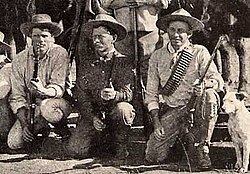
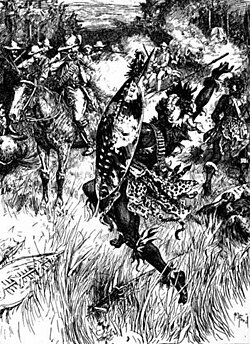
Photo taken in 1893 of three Bulawayo field scouts kneeling in front of their horses. Bob Bain on the left, Burnham in the middle, Maurice Gifford and his dog on the right.  Burnham is dressed in his Arizona clothes and is holding his Winchester model 1873 .44WCF rifle
A black-and-white sketch depicting a southern African battle fought amidst long grass in a thick wood. The image focuses on two figures in the foreground: a white soldier on horseback (on the left) and a black warrior on foot (on the right). The white man has apparently just fired his rifle at the warrior, who is thrown back in his stride by the shot, his spear falling from his right hand. More soldiers and warriors can be seen in the background.

また、彼はマタベレ族の精神的指導者ムリモの暗殺作戦においても重要な役割を果たし、戦況に大きな影響を与えました。これらの功績は、彼をアフリカにおける伝説的な追跡者へと押し上げました。
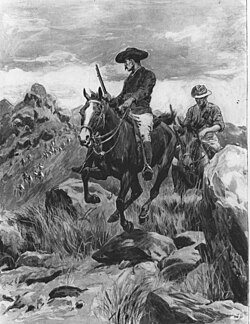
Drawing of Burnham and Bonar Armstrong soon after the shooting of the Mlimo priest in the Matopos Hills. The two men are on their horses, holding their rifles, and fleeing from the scene. Burnham looks back and sees many angry Matabele warriors running behind him in hot pursuit.

第二次ボーア戦争とイギリス王室からの評価

バーナムの活躍は、第二次ボーア戦争においても続きました。激戦の中で重傷を負った彼は、ロバート卿によってイギリス本国への帰還を命じられます。その際、彼は少佐に昇進し、ヴィクトリア女王との晩餐会に招待されるという栄誉に浴しました。

エドワード7世からは、プレトリアへの進撃における英雄的行為を称え、イギリス陸軍で2番目に高い勲章であるディスティングイッシュド・サービス・オーダー(DSO)を授与されました。アメリカ市民でありながらイギリス軍で最高レベルの栄誉を受けた彼は、英国メディアから「軍隊スカウトの王」と称賛されました。
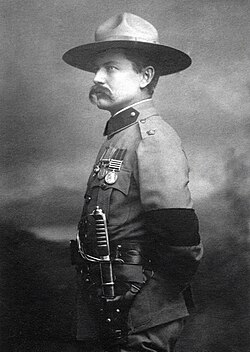
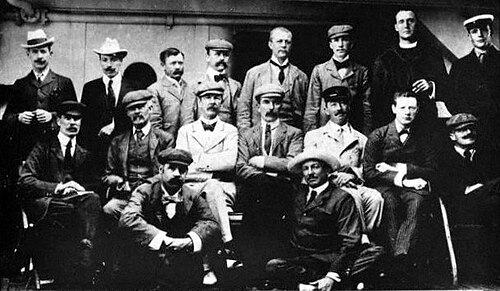
Photo of Burnham taken in 1901 in London after his investiture with the cross of the Distinguished Service Order by King Edward VII.  He is dressed in British Army uniform and standing at attention, facing right.  On his left arm is a black armband worn in mourning for the recent death of Queen Victoria. He is wearing his stetson hat and a sword on his left side. He sports a large handlebar mustache.
A formative photograph of 17 men. Eight stand, seven sit on chairs and two are on the floor.

ボーイスカウト運動の「もう一人の父」

バーナムの人生において最も永続的な影響を与えたのは、ロバート・ベーデン・パウエルとの深い友情です。バーナムはパウエルにアメリカ式の野外技能を教え、パウエルはバーナムを「現存する最高のスカウト」と評しました。

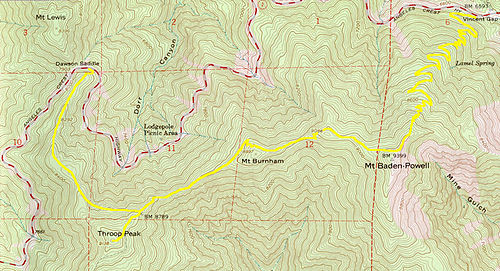
この二人の交流が、後の世界的なボーイスカウト運動の創設に大きなインスピレーションを与えたことは間違いありません。彼らの絆は死後も称えられ、カリフォルニア州には彼らの名にちなんだ「マウント・バーナム」と「マウント・ベーデン・パウエル」という隣接する二つの山頂が存在しています。
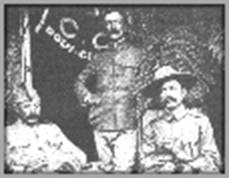
Photograph of three men at a Boy Scout event circa 1910.  The man seated on the left is unidentified, Burnham is in the middle, standing, and Baden-Powell is on the right, seated.  There is a table in front of the men.  Baden-Powell is wearing his stetson hat, Burnham has no hat, and man on the left has a modest hat.  Behind Burnham and to his right is a flag partially opened.
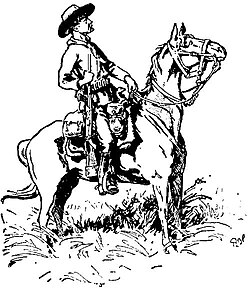
Baden-Powell's sketch of Chief of Scouts Burnham, Matopos Hills, 1896. Burnham is seated on a horse with his rifle at his side, and he is wearing his Stetson hat and neckerchief. Both Burnham and his horse are shown profile, facing right.
A map. See description

晩年と多才な活動

戦後の人生においても、バーナムは飽くなき好奇心を持って活動し続けました。メキシコでの探検では謎に包まれた「エスペランサ・ストーン」を発見し、また第一次世界大戦時には志願兵の募集活動に携わるなど、社会的な役割も担いました。
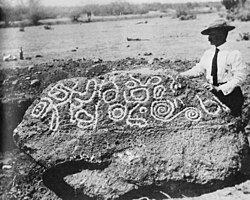
Photo taken in 1910 in Mexico of the very large Esperanza Stone, with Burnham standing to the right of the stone. The many inscriptions on the stone are sort of circular and have been filled in with white flour so they can be easily photographed.  In the background is a desert landscape.

また、彼は自然保護の先駆者としても知られています。カリフォルニア州立公園委員会の初代メンバーを務めたほか、レッドウッドの森を守る活動に尽力しました。1947年に86歳で心不全により没するまで、彼は常に挑戦し続ける人生を歩みました。
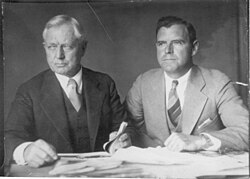
Photograph taken circa 1930 of Burnham with his son Roderick.  Frederick Burnham is on the left, and Roderick Burnham is on the right.  Both men are wearing suits and ties and they seated at a table with many papers in front of them.
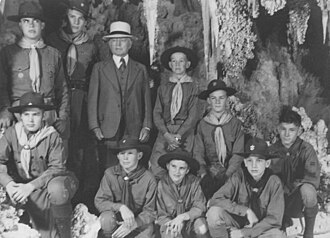
Photograph of Burnham in 1941 celebrating his 80th birthday with several Boy Scouts.  All of them are posing in Carlsbad caverns. The boys are dressed in their Boy Scout uniforms.  Burnham is dressed in a full suit and tie and wearing a white hat.
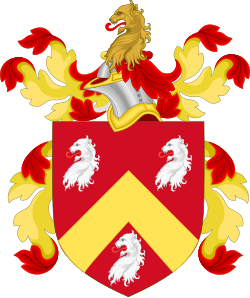
Coat of Arms of Frederick Russell Burnham

彼の家族関係においても、第一妻のブランチや息子ロデリック、そして後妻のイロなど、多くの人々が彼の波乱万丈な人生を支えました。また、従兄弟のチャールズ・エドワード・ラッセルは、NAACP(全米黒人地位向上協会)の創設に関わるなど、異なる分野で社会に貢献しました。
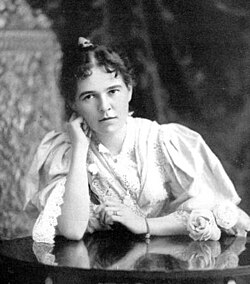
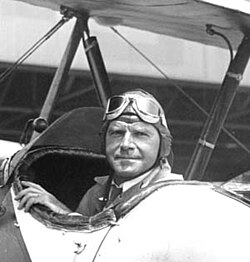
Photo of Blanche Blick Burnham taken in 1896 in Bulawayo, Rhodesia. She is seated at a table and her head is leaning on her right arm.  She is wearing a flowing dress.
Photograph of Roderick Burnham seated in a biplane, looking backwards toward the camera, and wearing a period pilot's cap and goggles.
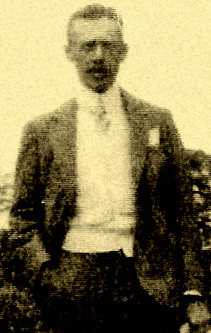
Photo of Burnham's brother Mather Howard Burnham.  Howard is wearing a suit and tie and standing with his right hand in his pocket.

バーナムの生涯まとめ

フレデリック・ラッセル・バーナムの経歴概要
項目 詳細
生没年 1861年5月11日 - 1947年9月1日
主な称号 スカウトの王、暗闇で見る者
軍階級 イギリス陸軍 少佐
主要受章 ディスティングイッシュド・サービス・オーダー (DSO)
主な貢献 ボーイスカウト運動への技術的影響、自然保護活動
主な戦域 アメリカ南西部、南部アフリカ(マタベレ、ボーア)

よくある質問(FAQ)

バーナムはボーイスカウトの創設者なのですか?

直接的な創設者はロバート・ベーデン・パウエルですが、バーナムはパウエルにアメリカ式の追跡術や野外技能を教えた人物であり、運動のコンセプトに多大な影響を与えたため、「スカウトの父」の一人と見なされています。

なぜアメリカ人なのにイギリス軍の勲章を受けたのですか?

彼はイギリス南アフリカ会社やイギリス陸軍に雇われ、植民地アフリカでの紛争で卓越した功績を挙げたためです。その勇気と能力が認められ、国籍に関わらずイギリス王室から高い評価を受けました。

「シャンガニ・パトロール」とは何ですか?

第一次マタベレ戦争中に、アラン・ウィルソン少佐が率いた偵察隊のことです。バーナムはこの隊の首席スカウトを務め、壊滅的な状況から生き残った数少ない人物の一人となりました。

晩年の彼はどのような活動をしていましたか?

カリフォルニア州立公園委員会の委員やレッドウッド保護連盟の創設メンバーを務めるなど、自然保護活動に深く関わっていました。また、ボーイスカウト・オブ・アメリカ(BSA)の地域幹部としても活動しました。

彼にちなんで名付けられた生物はありますか?

はい。カリフォルニアで発見された絶滅した古代象の一種である「セルベロドン・バーナミ(Serbelodon burnhami)」に、彼の名前が冠されています。

References

  1. According to McClintock and other sources, Burnham's father was a minister;[9] Burnham latterly wrote of his father as a "Presbyterian preacher". In Edwin Burnham's time, Presbyterians and Congregationalists cooperated in establishing many new congregations in the . "Presbygationalists", as these congregations were sometimes known, were allowed to choose either a Presbyterian or a Congregational pastor.
  2. The 's term for themselves in their own language is amaNdebele (the prefix ama- indicating the plural form of the singular Ndebele), whence comes a term commonly used in other languages, including English: "Matabele". Their language is called , generally rendered "Sindebele" in English. The area they have inhabited since their arrival from in the early 1800s is called . In historiographical terms, "Matabele" is retained in the names of the and , the former of which the Shangani Patrol was a part. For clarity, consistency and ease of reading, this article uses the term "Matabele" to refer to the people, and calls their language "Sindebele".
  3. Hales, Van Wyk, and Britt all provide slight variations on this quote. The quote cited here comes from a facsimile of a handwritten letter from Lord Roberts to Major Burnham. The complete text of the letter is as follows: "Army Head Quarters, Pretoria, June 25, 1900. Dear Major Burnham, As you are about to return to Europe, I take this opportunity of thanking you for the valuable service you have performed since you joined my head quarters at Paaderburg last February. I doubt if any other man in the force could have successfully carried out the perilous enterprises on which you have from time to time been engaged demanding as they did the training of a lifetime, combined with exceptional courage, caution and powers of endurance. I was sorry to hear of the serious accident you met with in your last successful attempt on the enemy's line of railway, and I ____ to hear that you are quite well again. Believe me your _____ Roberts"

📸 フォトギャラリー

Burnham portrait photograph taken in Arizona Territory in 1881
Caption reads: Burnham's sidearm in the Tonto Basin, the Geronimo Campaign, Rhodesia, East Africa, and Mexico was this Remington Model 1875, serial no. 11, in .44–40 caliber. Holster and Rhodesian bandoleer are original; the .44–40 cartridge box bears the stamp of the Rhodesian government. Pistol grips are hippo ivory.
Photo taken in 1893 of three Bulawayo field scouts kneeling in front of their horses. Bob Bain on the left, Burnham in the middle, Maurice Gifford and his dog on the right.  Burnham is dressed in his Arizona clothes and is holding his Winchester model 1873 .44WCF rifle
A black-and-white sketch depicting a southern African battle fought amidst long grass in a thick wood. The image focuses on two figures in the foreground: a white soldier on horseback (on the left) and a black warrior on foot (on the right). The white man has apparently just fired his rifle at the warrior, who is thrown back in his stride by the shot, his spear falling from his right hand. More soldiers and warriors can be seen in the background.
Drawing of Burnham and Bonar Armstrong soon after the shooting of the Mlimo priest in the Matopos Hills. The two men are on their horses, holding their rifles, and fleeing from the scene. Burnham looks back and sees many angry Matabele warriors running behind him in hot pursuit.
Photo of Burnham taken in 1901 in London after his investiture with the cross of the Distinguished Service Order by King Edward VII.  He is dressed in British Army uniform and standing at attention, facing right.  On his left arm is a black armband worn in mourning for the recent death of Queen Victoria. He is wearing his stetson hat and a sword on his left side. He sports a large handlebar mustache.
A formative photograph of 17 men. Eight stand, seven sit on chairs and two are on the floor.
Photograph of three men at a Boy Scout event circa 1910.  The man seated on the left is unidentified, Burnham is in the middle, standing, and Baden-Powell is on the right, seated.  There is a table in front of the men.  Baden-Powell is wearing his stetson hat, Burnham has no hat, and man on the left has a modest hat.  Behind Burnham and to his right is a flag partially opened.
A map. See description
Photo taken in 1910 in Mexico of the very large Esperanza Stone, with Burnham standing to the right of the stone. The many inscriptions on the stone are sort of circular and have been filled in with white flour so they can be easily photographed.  In the background is a desert landscape.
Photograph taken circa 1930 of Burnham with his son Roderick.  Frederick Burnham is on the left, and Roderick Burnham is on the right.  Both men are wearing suits and ties and they seated at a table with many papers in front of them.
Photograph of Burnham in 1941 celebrating his 80th birthday with several Boy Scouts.  All of them are posing in Carlsbad caverns. The boys are dressed in their Boy Scout uniforms.  Burnham is dressed in a full suit and tie and wearing a white hat.
Coat of Arms of Frederick Russell Burnham
Photo of Blanche Blick Burnham taken in 1896 in Bulawayo, Rhodesia. She is seated at a table and her head is leaning on her right arm.  She is wearing a flowing dress.
Photograph of Roderick Burnham seated in a biplane, looking backwards toward the camera, and wearing a period pilot's cap and goggles.
Photo of Burnham's brother Mather Howard Burnham.  Howard is wearing a suit and tie and standing with his right hand in his pocket.
Baden-Powell's sketch of Chief of Scouts Burnham, Matopos Hills, 1896. Burnham is seated on a horse with his rifle at his side, and he is wearing his Stetson hat and neckerchief. Both Burnham and his horse are shown profile, facing right.