地球上の生命は均等に分布しているわけではありません。ある特定の島や国、あるいはごく狭い地域にしか存在しない生物のことを、生物学では固有種(Endemic species)と呼び、この状態をエンデミズムと言います。単にその土地に住んでいる「在来種」とは異なり、世界中でそこだけにしか生息していないことが固有種の定義です。
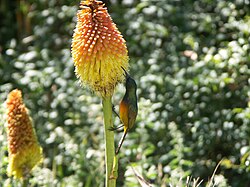
例えば、南アフリカ南西部にのみ生息するケープシュガーバードは、典型的な固有種です。このように分布が極めて限定的な種を研究することは、地球の生物多様性を理解し、絶滅のリスクを評価する上で極めて重要な意味を持ちます。
Key Facts
- 定義:特定の地理的範囲(島、国、地域など)にのみ自然分布し、他には存在しない種のこと。
- 対義語:世界中に広く分布する「世界周遊種(コスモポリタン)」が対照的な概念となる。
- 保全上の重要性:生息域が狭いため、環境変化による絶滅リスクが高く、保全優先地域の選定基準となる。
- 進化の指標:環境変化による種の移動、絶滅、あるいは多様化のプロセスを解明する手がかりとなる。
固有種の成り立ちと進化のメカニズム
生物が特定の地域に限定される理由は、進化の歴史や地理的な要因によって異なります。大きく分けると、古くから生き残った種と、新しく誕生した種の2つのパターンがあります。
時間軸による分類:パレオとネオ
かつては広範囲に分布していたが、環境の変化によって一部の地域にのみ生き残った種をパレオエンデミック(古固有種)と呼びます。イチョウ(Ginkgo biloba)はその代表例です。一方で、最近の種分化によって誕生し、まだ他の地域へ広がっていない種はネオエンデミック(新固有種)と呼ばれます。
種分化を促進する要因
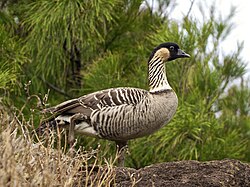
生物学的な要因、例えば移動能力の低さや、産卵場所に戻る習性(回帰本能)などが、高い種分化率と固有種の増加を招きます。東アフリカのリフトバレーにある湖のシクリッド(魚類)は、こうした要因により多様な固有種へと分化したと考えられています。
また、気候変動の際に安定した環境が維持された「避難所(リフュジア)」となる地域では、固有種が高密度に集まる傾向があります。
固有種が生まれやすい特殊な環境
地理的に隔離された環境は、独自の進化を促す「天然の実験室」となります。
島嶼(とうしょ)と「空の島」
海に囲まれた島は、物理的な隔離により固有種が生まれやすい代表的な場所です。また、高い山々の頂上付近も、周囲の低地とは異なる冷涼な気候を持つため、実質的に島のような隔離状態となり、「スカイアイランド(空の島)」と呼ばれます。フランスのアルプ・マリティーム地方にのみ見られるサキシフラガ・フロルレンタ(Saxifraga florulenta)などがその例です。
特殊な地質と閉鎖空間
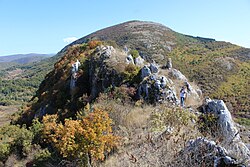
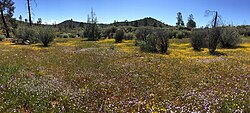
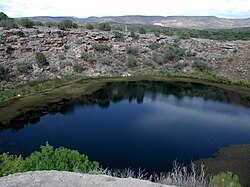
火山地帯や洞窟、特定の土壌(蛇紋岩地帯など)も固有種の温床となります。例えばトルコのクラ火山には、その特殊な環境に適応した13種の固有植物が存在します。また、ネバダ州のデビルズホールにある小さな湧水池のように、極めて狭い水域にのみ生息する種も存在します。
保全生物学におけるエンデミズムの役割
固有種は分布域が狭いため、気候変動や生息地の破壊に対して非常に脆弱です。そのため、多くの固有種が集まる地域は「生物多様性ホットスポット」として指定され、優先的に保護されるべき地域と見なされます。
しかし、一部の研究者は、特定の動物群(哺乳類など)だけを指標にすると、無脊椎動物などの他の生物群の多様性を十分にカバーできないと指摘しています。そのため、より包括的な視点での保全戦略が求められています。
固有種の分類と特徴まとめ
| 分類名 | 定義・特徴 | 例・備考 |
|---|---|---|
| パレオエンデミック | かつて広域に分布し、現在は限定的に生き残った種 | イチョウなど |
| ネオエンデミック | 最近分化し、分布を広げていない新しい種 | 新種の植物や昆虫など |
| ステノエンデミック | 極めて狭い範囲にのみ分布する局所的な固有種 | 特定の洞窟や湧水池の種 |
| ユーリエンデミック | 比較的広い範囲に分布するが、特定の地域に限定された種 | 大陸の一部にのみ分布する種 |
Frequently Asked Questions
「在来種」と「固有種」の違いは何ですか?
在来種は、人間によって持ち込まれたのではなく、もともとその地域に自然に生息している種を指します。一方、固有種は「その地域にしか存在せず、世界の他の場所にはいない」種のことです。つまり、すべての固有種は在来種ですが、すべての在来種が固有種であるわけではありません。
なぜ島や山頂に固有種が多いのですか?
地理的な隔離が起こるためです。海や低地によって他の集団から切り離されると、独自の環境に適応して進化し、元の集団とは異なる新しい種へと分化しやすくなります。
動物園や植物園にいる場合は固有種ではなくなりますか?
いいえ、なりません。固有種の定義は「自然状態でどこに分布しているか」に基づいています。飼育下や栽培下で他の地域に存在していても、野生での分布が限定的であれば、引き続き固有種と見なされます。
固有種であることは、絶滅しやすいことを意味しますか?
一般的に 그렇습니다。生息域が狭いため、一度大きな環境破壊や気候変動、外来種の侵入が起こると、逃げ場がなく、種全体が絶滅するリスクが非常に高くなります。
微生物にも固有種は存在しますか?
伝統的に、微生物はどこにでも存在するという「Everything is everywhere」という仮説が信じられてきましたが、現代の研究では微生物レベルでも地理的な限定分布(エンデミズム)が存在することが議論されています。
References
- Morrone, Juan J. (2008). "Endemism". Encyclopedia of Ecology. Vol. 3 (2 ed.). Elsevier. pp. 81–86. :10.1016/B978-0-444-63768-0.00786-1. .
- Riley, Adam (13 December 2011). "South Africa's endemic birds". 10,000 Birds. Adam Riley. Archived from the original on 27 November 2020. Retrieved 9 December 2020.
- Lhotská, Marie; Moravcová, Lenka (1989). "The Ecology of Germination and Reproduction of Less Frequent and Vanishing Species of the Czechoslovak Flora. II. Pulsatilla Slavica Reuss". Folia Geobotanica & Phytotaxonomica. 24 (2): 211–14. :10.1007/BF02853043. 4180912.
- Agnoli, G. L. (2005). "The genus Methocha in Europe: a discussion on taxonomy, distribution and likely origin of its known species and subspecies (Hymenoptera Tiphiidae Methochinae)". Bulletin of Insectology. 58 (1): 35–47.
- Qian, Hong; Mishler, Brent; Zhang, Jian; Qian, Shenhua (2024). "Global patterns and ecological drivers of taxonomic and phylogenetic endemism in angiosperm genera". Plant Diversity. 46 (2): 149–157. :2024PlDiv..46..149Q. :10.1016/j.pld.2023.11.004. 11128859. 38807907.
- "Precinctive". Encyclopedia of Entomology. Dordrecht: Springer. 2004. pp. 1819–1821. :10.1007/0-306-48380-7_3391. .
- "Endemic". . Archived from the original on 15 February 2016. Retrieved 6 December 2014.
from New Latin endēmicus, from Greek endēmos native, from en- ² + dēmos the people
See also the entry for en-2, where its meaning is given as "a prefix meaning "within, in," occurring in loanwords from Greek". - Frank, J. H.; McCoy, E. D. (March 1990). "Endemics and epidemics of shibboleths and other things causing chaos". Florida Entomologist. 73 (1): 1–9. 3495327. Archived from the original on 22 December 2014. Retrieved 12 December 2013.
- Frank, J. H.; McCoy, E. D. (March 1995). "Precinctive insect species in Florida". Florida Entomologist. 78 (1): 21–35. :10.2307/3495663. 3495663. Archived from the original on 16 July 2015. Retrieved 12 December 2013.
- (1900). "Coleoptera. I. Coleoptera Phytophaga". Fauna Hawaiiensis, Being the Land-Fauna of the Hawaiian Islands. Vol. 2, part 3. Cambridge: Cambridge University Press. pp. 91–116.
I use the word precinctive in the sense of 'confined to the area under discussion' ... 'precinctive forms' means those forms that are confined to the area specified.
📸 フォトギャラリー