1955年、アメリカ合衆国ミシシッピ州で起きた14歳の少年、エメット・ティルの殺害事件は、単なる凶悪犯罪に留まらず、全米、そして世界に衝撃を与えました。この悲劇は、当時の米国南部に根深く存在していた人種差別と、法を無視した私刑(リンチ)の残酷さを白日の下に晒し、後の公民権運動を突き動かす強力な起爆剤となりました。
シカゴで平穏に暮らしていた少年が、なぜ南部での短い滞在中に命を落とさなければならなかったのか。そして、その死がどのようにして歴史を変えたのかを詳しく解説します。
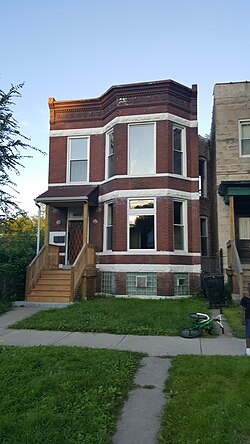
Key Facts
- 被害者:エメット・ティル(当時14歳)
- 事件発生日:1955年8月28日
- 場所:ミシシッピ州サンフラワー郡
- 死因:銃撃および激しい身体的損壊を伴うリンチ
- 加害者:ロイ・ブライアントとJ.W.ミラム(陪審員により無罪判決)
- 歴史的意義:遺体の公開により人種差別の実態が世界に伝わり、公民権運動が加速した
悲劇の始まり:日常から地獄への転落
シカゴに住んでいたエメット・ティルは、1955年夏に親戚を訪ねてミシシッピ州へ向かいました。しかし、そこで彼は当時の南部社会が強要していた厳格な人種隔離制度と、黒人に対する差別的な規範に直面することになります。
事件の引き金となったのは、白人女性キャロライン・ブライアントが経営する食料品店での出来事でした。エメットが彼女に対して不適切な言動をとったという主張がなされ、それが「白人女性への侮辱」と見なされたことで、激しい憎悪の標的となりました。
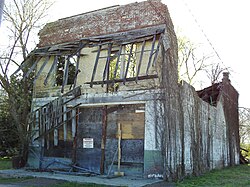
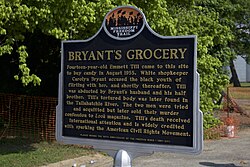
残酷な私刑(リンチ)の執行
8月28日、エメットはロイ・ブライアントとJ.W.ミラムによって誘拐されました。彼は激しい拷問を受けた後、銃で射殺され、遺体は無残に損壊された状態で川に捨てられました。これは、黒人コミュニティを恐怖で支配しようとする人種テロリズムの一形態でした。
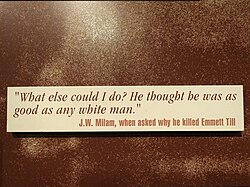
世界を揺るがした「開いた棺」の決断
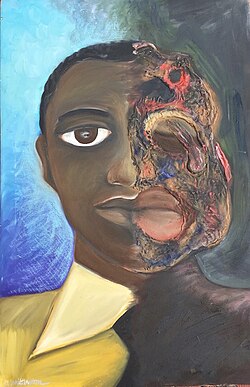
息子の遺体を引き取った母親のマミー・ティルは、ある重大な決断を下します。それは、あえて棺の蓋を開けたまま葬儀を行うことでした。彼女は、世界中の人々に「人種差別が息子に何をしたか」をありのままに見せたいと願ったのです。
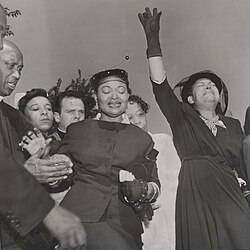
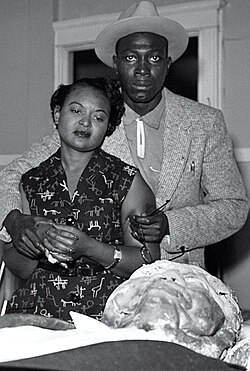
この葬儀の様子と遺体の写真は、『シカゴ・ディフェンダー』紙や『ジェット』誌などのメディアを通じて世界中に拡散されました。それまで南部で日常的に行われていたリンチの残酷さが可視化されたことで、多くの人々が人種差別の不当性に目覚め、社会的な怒りが爆発しました。
不当な裁判と勇気ある証言
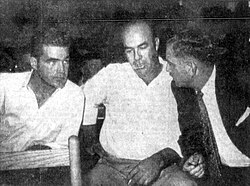
加害者のブライアントとミラムは逮捕されましたが、裁判の結果は衝撃的なものでした。白人のみで構成された陪審員は、明白な証拠があったにもかかわらず、二人を「無罪」と判定したのです。
しかし、この裁判で特筆すべきは、エメットの叔父であるモーズ・ライトの行動です。彼は法廷で、恐怖に打ち勝ち、加害者のミラムを指し示して証言しました。これは、当時のミシシッピ州において黒人が白人の犯罪を公然と告発するという、極めて危険で勇気ある行為であり、抑圧に対する抵抗の象徴となりました。
![Till's uncle, Mose Wright, identifying J. W. Milam during Milam's trial, an act that "signified intimidation of Delta blacks was no longer as effective as [in] the past".[101] Wright had "crossed a line that no one could remember a black man ever crossing in Mississippi".[102] Photojournalist Ernest Withers defied the judge's orders banning photography during the trial to capture this shot.](/images/59/a9/59a91e6bc32409d205e06170c68ef62f1d53ef82d554a3bf3c04c82342c0d967.png)
歴史的遺産と現代への影響
エメット・ティルの死は、その後のモンゴメリー・バス・ボイコット事件などの公民権運動へと繋がる精神的な土台となりました。彼の犠牲は、法的な差別撤廃を求める運動に正当性と緊急性を与えたと言えます。
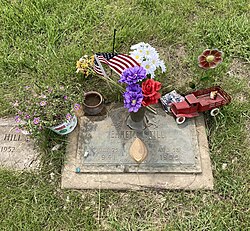
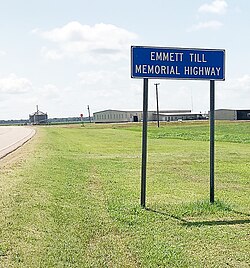
現在では、彼の記憶を継承するための記念碑やハイウェイが整備され、2022年には死後、米国最高栄誉の一つである議会金メダルが授与されました。
| 項目 | 詳細 |
|---|---|
| 事件の性質 | 人種差別に基づく誘拐・拷問・殺害(リンチ) |
| 社会的影響 | 人種差別の残酷さが可視化され、公民権運動が加速 |
| 司法の結果 | 加害者は陪審員により無罪判決(不当な判決) |
| 後世の評価 | 議会金メダルの授与、国立記念碑の設立 |
Frequently Asked Questions
なぜエメット・ティルは殺害されたのですか?
ミシシッピ州の店で白人女性に不適切な言動をしたと主張されたためです。当時の南部では、黒人が白人女性に不敬な態度を取ることは、激しい暴力や私刑(リンチ)を正当化する口実として利用されていました。
母親のマミー・ティルが棺を開けた理由は?
人種差別によって息子が受けた残酷な仕打ちを世界に伝え、二度と同じ悲劇を繰り返さないための社会的覚醒を促したかったからです。この決断が、世界的な関心を呼び起こしました。
裁判の結果はどうなったのでしょうか?
加害者のロイ・ブライアントとJ.W.ミラムは、白人のみで構成された陪審員によって無罪判決を受けました。これは当時の南部における司法制度の人種的な偏りを象徴する出来事となりました。
この事件が公民権運動に与えた影響は?
遺体の写真がメディアで公開されたことで、人種差別の実態が視覚的に証明され、全米の黒人コミュニティだけでなく白人層にも衝撃を与えました。これが、組織的な人権獲得運動への強い動機付けとなりました。
現在、エメット・ティルはどのように記憶されていますか?
彼の名前を冠した記念ハイウェイや博物館、国立記念碑などが設立されています。また、2022年には米国議会から金メダルが授与され、人権と正義の象徴として記憶されています。
References
- At the time of Emmett's murder in 1955, Emmett's mother was often referred to as Mamie Till Bradley, using her second husband's surname. In 1957, she married Gene Mobley and then became known as Mamie Till Mobley.
- Accounts are unclear; Till had just completed the seventh grade at the all-black McCosh Elementary School in Chicago. In 2018, a Chicago woman reported that she had been one of a small number of white students in Till's class. According to Mamie Till Mobley, Till had purchased a wallet which included a stock photo of actress .
- Simeon Wright,: 100–101 Mamie Till Mobley, Wheeler Parker, and historian Devery Anderson (2015) stated that Jones exaggerated his role as an eyewitness: he was in the Wright home the night Till was abducted, but had not yet arrived in Mississippi at the time of the store incident.
- During , Carolyn Bryant's testimony was taken outside the presence of the jury and ruled inadmissible.
- Notes later obtained from the defense give a different story, with Bryant earlier claiming she was "insulted" but not mentioning him touching her.
- Unserved , not formally charged
- Bryant and Milam admitted to the murder in an interview after their acquittal.
- Some recollections of this part of the story relate that news of the incident traveled in both black and white communities very quickly. Others say that Carolyn Bryant refused to tell her husband about it. According to some accounts, Till's eldest cousin Maurice Wright, perhaps put off by Till's bragging and smart clothes, told Roy Bryant at his store about Till's interaction with Bryant's wife.
- Several major inconsistencies between what Bryant and Milam told interviewer William Bradford Huie and what they had told others were noted by the FBI in 2006. The pair of men told Huie they were sober, yet reported years later that they had been drinking. In the interview, they said they had driven what would have been 164 miles (264 km) looking for a place to dispose of Till's body, to the cotton gin to obtain the fan, and back again, which the FBI noted would have been impossible in the time available before they were seen to have returned. Several witnesses recalled that they saw Bryant, Milam, and two or more black men with Till's beaten body in the back of the pickup truck in Glendora, yet they did not tell Huie they were in Glendora. (FBI, [2006], pp. 86–96.)
- Many years later, there were allegations that Till had been castrated. (Mitchell, 2007) John Cothran, the deputy sheriff who was at the scene where Till was removed from the river testified, however, that apart from the decomposition typical of a body being submerged in water, his genitals had been intact. (FBI [2006]: Appendix Court transcript, p. 176.) Mamie Till-Mobley also confirmed this in her memoirs. (Till-Bradley and Benson, p. 135.)
📸 フォトギャラリー