私たちは日々、何を買うか、どこで働くか、あるいは政府がどのように税金を使うかといった選択に直面しています。こうした個人の意思決定から国家レベルの経済変動までを科学的に分析するのが経済学です。経済学は単なるお金の計算ではなく、限られた資源をどのように効率的に配分し、社会全体の幸福(ウェルフェア)を最大化するかを探求する学問です。
現代の経済活動は、デジタルプラットフォームやグローバルな貿易ネットワークによって複雑化していますが、その根底にあるのは「希少性」という概念です。欲しいものは無限にあるが、それを満たす資源は限られているため、私たちは常に「選択」を迫られます。
Key Facts
- 経済学の二大柱:個別の主体を分析する「ミクロ経済学」と、国全体の動きを捉える「マクロ経済学」に分かれます。
- 市場メカニズム:需要と供給のバランスによって価格が決まり、資源が配分されます。
- 理論の変遷:アダム・スミスの古典派から、マルクス、ケインズ、そして現代の新古典派合成まで、時代と共に進化してきました。
- 分析手法:数学的モデル、ゲーム理論、統計的な計量経済学など、多様なアプローチが用いられます。
- 適用範囲:農業、環境、教育、健康、法制度など、社会のあらゆる領域に適用可能です。
経済思想の歴史的変遷
経済学としての体系的な思考は、時代ごとの社会課題への回答として発展してきました。初期の重商主義(Mercantilism)では、国家の富を増やすために貿易黒字を重視しました。
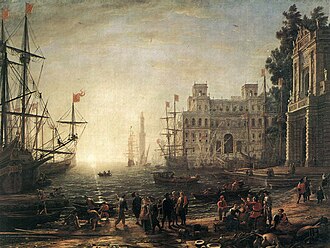
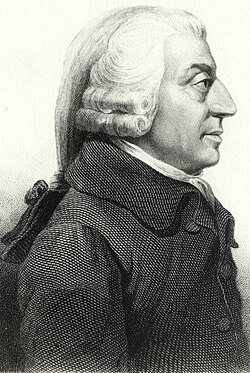
その後、1776年にアダム・スミスが『国富論』を著したことで、近代経済学の基礎が築かれました。彼は「見えざる手」という概念を用い、個人の自由な経済活動が結果的に社会全体の利益につながると説きました。
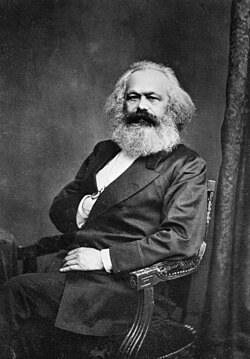
19世紀に入ると、カール・マルクスが資本主義の構造的な矛盾を批判し、政治経済学的な視点から労働価値説などを展開しました。
20世紀には、世界恐慌という未曾有の危機に直面し、ジョン・メイナード・ケインズが政府による有効需要の創出を提唱しました。これにより、政府が経済に積極的に介入するマクロ経済学の時代が到来します。
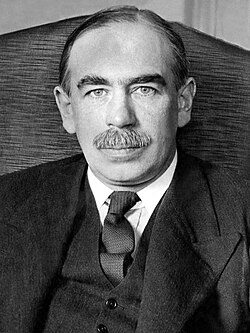
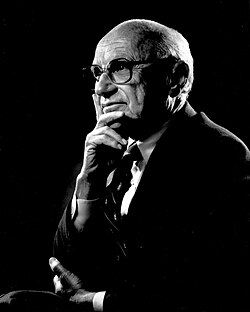
その後、ミルトン・フリードマンらによるマネタリズムが登場し、通貨供給量の管理を重視する考え方が広まりました。現代では、これらの理論を統合した新古典派合成や、行動経済学のような心理学的アプローチが取り入れられています。
ミクロ経済学:個別の意思決定と市場
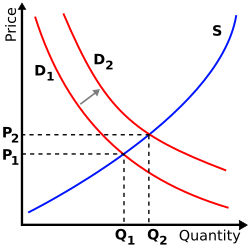
ミクロ経済学は、消費者や企業といった個々の経済主体がどのように意思決定を行うかを分析します。中心となるのは、商品の価格と数量がどのように決定されるかを示す需要と供給のモデルです。

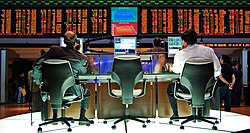
現代の市場は、物理的な店舗だけでなく、電子取引プラットフォームのような高度なネットワークへと進化しています。
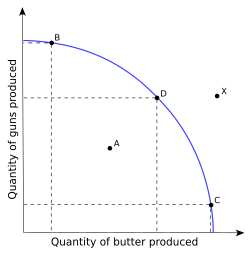
また、生産の効率性を考える際、「生産可能性 frontier(PPF)」という概念が用いられ、ある資源制約の下で最大どれだけの生産が可能かを分析します。
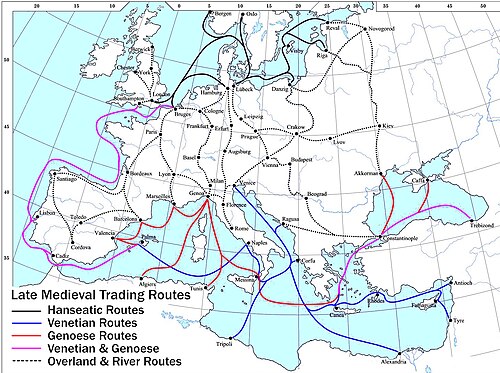
歴史的に見れば、中世ヨーロッパの貿易ルートのような物理的な物流網が、分業と特化による効率化を促進してきました。
市場が常に最適に機能するわけではありません。公害のように、生産コストが生産者ではなく環境や第三者に転嫁される「外部性」が発生すると、市場の失敗が起こり、価格が歪められます。

こうした問題に対処するため、環境経済学などの分野では、科学的なデータに基づいた分析が行われています。

マクロ経済学:国家レベルの視点
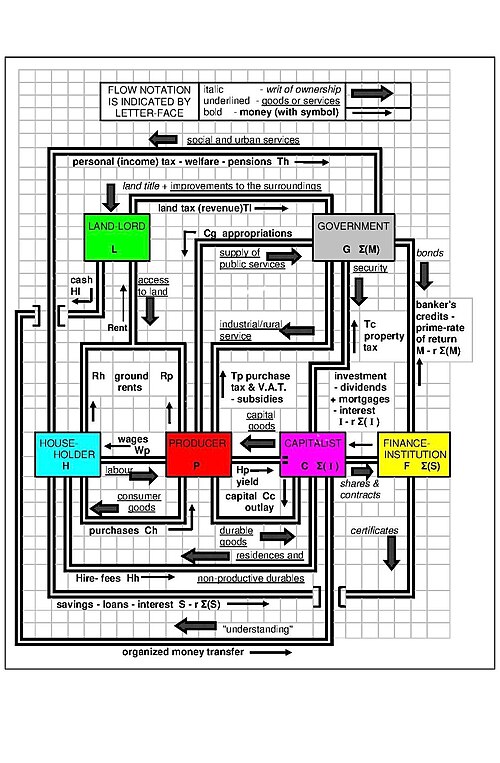
マクロ経済学では、個別の取引ではなく、GDP(国内総生産)や失業率、インフレ率といった国全体の指標を扱います。経済の循環モデルを用いて、お金がどのように社会を回っているかを分析します。
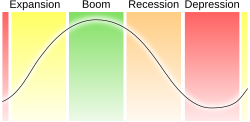
経済は一定のペースで成長するのではなく、好況と不況を繰り返す「ビジネスサイクル(景気循環)」を描きます。
特に重要な課題となるのが失業問題です。構造的な要因による失業率の変動は、国家の経済的安定性に直結します。
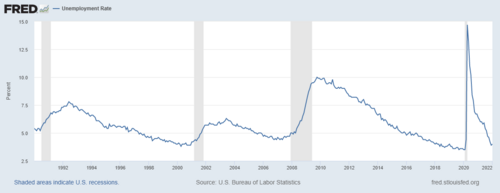
また、購買力平価(PPP)ベースの1人当たりGDPや、国ごとの所得中央値などの指標を用いることで、国際的な生活水準の比較や格差の分析が行われます。
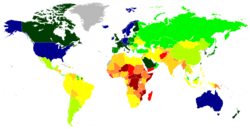
![Median income by country[180]](/images/7a/2e/7a2e4a5a09e5c36f63e2e65749b3ffb5d04d76b158c290adfa3590ac99f52c43.webp)
経済学の体系まとめ
| 分類 | 主な分析対象 | 代表的なキーワード |
|---|---|---|
| ミクロ経済学 | 消費者、企業、個別市場 | 需要と供給、ゲーム理論、市場の失敗 |
| マクロ経済学 | 国家経済、世界経済 | GDP、財政政策、金融政策、景気循環 |
| 応用経済学 | 特定の社会領域 | 労働経済学、環境経済学、開発経済学 |
| 計量経済学 | データによる実証分析 | 統計モデル、因果推論、時系列分析 |
Frequently Asked Questions
ミクロ経済学とマクロ経済学の決定的な違いは何ですか?
ミクロ経済学は「木」を見る学問であり、個々の消費者や企業の行動、特定の商品の価格決定などを詳細に分析します。対してマクロ経済学は「森」を見る学問であり、国全体の所得、物価水準、失業率など、経済全体の集計的な動きを分析します。
「市場の失敗」とは具体的にどのような状態を指しますか?
市場メカニズムに任せておくだけでは、資源の配分が効率的に行われない状態を指します。例えば、工場が川に排水を流して環境を汚染させる(外部不経済)場合、汚染コストが価格に反映されないため、社会的に望ましい量よりも多く生産されてしまうことが挙げられます。
ケインズ経済学が現代社会に与えた影響は?
不況時に政府が公共投資などを通じて意図的に需要を創出することで、経済を回復させることができるという視点を提供しました。これは現代の多くの国が採用している財政政策の理論的根拠となっており、危機の際の政府介入を正当化する枠組みとなっています。
計量経済学とはどのような手法を用いる学問ですか?
経済理論を数学的なモデルに落とし込み、実際の統計データを用いて検証する手法です。回帰分析などの統計的手法を用いて、ある変数が別の変数にどのような影響を与えたかという因果関係を定量的に明らかにします。
References
- "Capital" in Smith's usage includes and . The latter includes wages and labour maintenance, money, and inputs from land, mines, and fisheries associated with production.
- "This science indicates the cases in which commerce is truly productive, where whatever is gained by one is lost by another, and where it is profitable to all; it also teaches us to appreciate its several processes, but simply in their results, at which it stops. Besides this knowledge, the merchant must also understand the processes of his art. He must be acquainted with the commodities in which he deals, their qualities and defects, the countries from which they are derived, their markets, the means of their transportation, the values to be given for them in exchange, and the method of keeping accounts. The same remark is applicable to the agriculturist, to the manufacturer, and to the practical man of business; to acquire a thorough knowledge of the causes and consequences of each phenomenon, the study of political economy is essentially necessary to them all; and to become expert in his particular pursuit, each one must add thereto a knowledge of its processes." (, p. XVI)
- "And when we submit the definition in question to this test, it is seen to possess deficiencies which, so far from being marginal and subsidiary, amount to nothing less than a complete failure to exhibit either the scope or the significance of the most central generalisations of all." (, p. 5)
- "The conception we have adopted may be described as analytical. It does not attempt to pick out certain kinds of behaviour, but focuses attention on a particular aspect of behaviour, the form imposed by the influence of scarcity. (, p. 17)
- Compare with (2004), whose list of market failures is melded with failures of economic assumptions, which are (1) producers as price takers (i.e. presence of oligopoly or monopoly; but why is this not a product of the following?) (2) equal power of consumers (what labour lawyers call an imbalance of bargaining power) (3) complete markets (4) public goods (5) external effects (i.e. externalities?) (6) increasing returns to scale (i.e. practical monopoly) (7) perfect information (in The Economics of the Welfare State (4th ed.). Oxford University Press. 2004. pp. 72–79. .).
• (2015) classifies market failures as from failure of competition (including ), , , , situations, and disturbances (in "Chapter 4: Market Failure". Economics of the Public Sector (4th International Student ed.). W.W. Norton & Company. 2015. pp. 81–100. .).
📸 フォトギャラリー