地球の構造と進化:誕生から未来までを辿る惑星の物語
私たちが暮らす地球は、太陽系の中で生命を宿す唯一の惑星として知られています。単なる岩石の塊ではなく、絶えず変化し続けるダイナミックなシステムであり、その内部構造から外層の大気、そして複雑な生態系に至るまで、緻密なバランスの上に成り立っています。
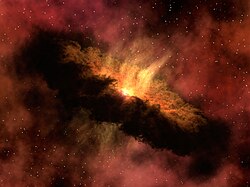
地球の物語は、数十億年前の宇宙の塵とガスが集まったところから始まりました。太陽系の形成過程で誕生した原始惑星系円盤の中で、物質が衝突と合体を繰り返すことで、現在の地球の基礎が築かれたのです。
Key Facts
- 平均半径: 約6,371kmの球形に近い形状。
- 表面構成: 約71%が水(海洋)で覆われ、残りの約29%が陸地。
- 大気組成: 窒素(約78%)と酸素(約21%)が主成分。
- 内部構造: 地殻、マントル、外核、内核の層状構造を持つ。
- 公転周期: 約365.25日で太陽の周囲を一周する。
地球の誕生と歴史的な変遷
初期の地球は、現在とは全く異なる姿をしていました。形成直後の大気はメタンなどが豊富で、空はオレンジ色に染まっていたと考えられています。
![Pale orange dot, an impression of Early Earth, featuring its tinted orange methane-rich early atmosphere[47]](/images/68/3a/683a31de45a7e4f4f2455c20e091a9be8111f186ac2cd55571f267cf95a33fa9.jpg)
その後、地球は「太古宙(Archean)」と呼ばれる時代に入ります。地殻が冷却されるとともに水が蓄積し、ストロマトライトのような初期の生命体が誕生しました。これらの生物が光合成を行うことで、大気中に酸素が供給され、生命の進化を加速させました。当時の月は現在よりもずっと地球に近く、その強力な引力によって激しい潮汐現象が起きていたと推測されています。
![An impression of the Archean, the eon after Earth's formation, featuring round stromatolites, which are early oxygen-producing forms of life from billions of years ago. After the Late Heavy Bombardment, Earth's crust had cooled, its water-rich barren surface is marked by continents and volcanoes, with the Moon still orbiting Earth half as far as it is today, appearing 2.8 times larger and producing strong tides.[60]](/images/4b/52/4b5204a76bb7804069345e20af57e33d36dd5bcb365f28a175d82404f7e23b64.png)
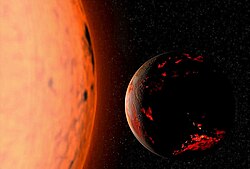
しかし、地球の旅は永遠ではありません。遠い未来、太陽が赤色巨星へと進化すると、地球は猛烈な熱にさらされ、生命が住めない焦土と化す運命にあります。
惑星としての物理的特性と位置付け
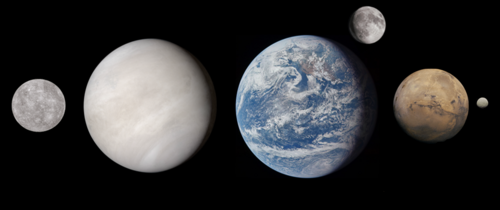
地球は太陽系内惑星(地球型惑星)の一つであり、水星、金星、火星などと共に岩石主体の構成を持っています。サイズで見ると、これらの惑星の中で最大規模を誇ります。
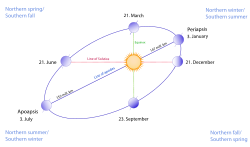
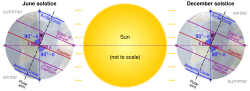
地球の形状は完全な球ではなく、自転による遠心力で赤道付近がわずかに膨らんだ「扁平球」となっています。また、地球は太陽に対して約23.4度の地軸の傾きを持っており、これが四季を生み出す決定的な要因となっています。
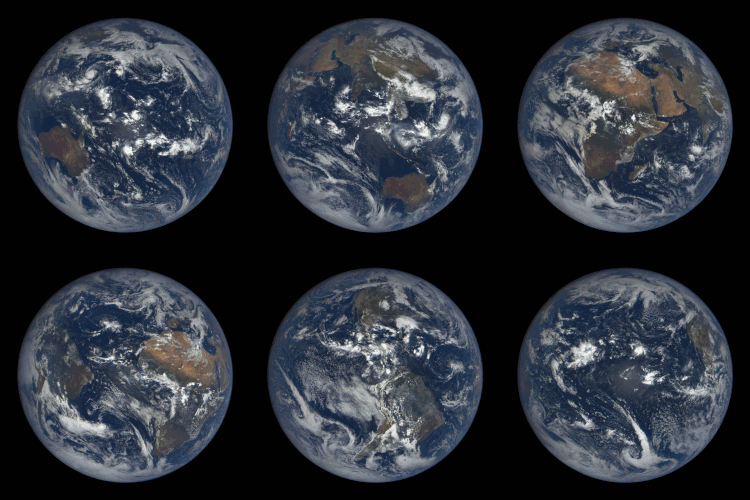
公転軌道は完全な円ではなく楕円形をしており、太陽との距離は常に変動しています。この軌道上の位置と地軸の傾きが組み合わさることで、地域ごとに異なる日照量と季節の変化がもたらされます。
地球の内部構造とダイナミズム
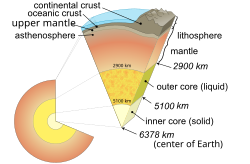
地球の内部は、密度と組成によっていくつかの層に分かれています。最も外側の薄い「地殻」の下には、地球の体積の大部分を占める「マントル」が広がり、中心部には鉄とニッケルを主成分とする「核(コア)」が存在します。
| 層の名前 | 深さ (km) | 主な特徴・密度 (g/cm³) |
|---|---|---|
| 地殻 (Crust) | 0 – 35 | 2.2 – 2.9 / 最外層の岩石層 |
| 上部マントル | 35 – 660 | 3.4 – 4.4 / アセノスフェアを含む |
| 下部マントル | 660 – 2,890 | 3.4 – 5.6 / 高圧環境下の岩石層 |
| 外核 (Outer Core) | 2,890 – 5,100 | 9.9 – 12.2 / 液体の金属層 |
| 内核 (Inner Core) | 5,100 – 6,378 | 12.8 – 13.1 / 高密度の固体金属層 |
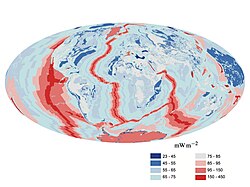
地球内部の熱は、主に海洋底の海嶺などを通じて表面へ放出されています。この熱対流が、地表を覆う巨大な「プレート」を動かす原動力となり、地震や火山活動を引き起こしています。
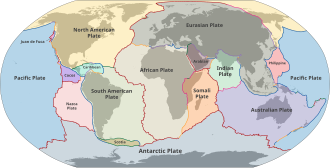
地表の地形は非常に多様であり、高い山脈から深い海溝まで、プレートの相互作用によって絶えず形作られています。
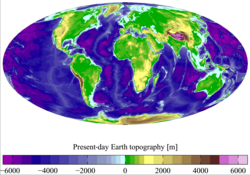
大気、海洋、そして生命の維持システム
地球を包み込む大気は、高度に応じて対流圏、成層圏、中間圏、熱圏、そして外気圏に分かれています。特に地表に近い対流圏では、雲や雨などの気象現象が発生し、生命にとって不可欠な水循環を支えています。
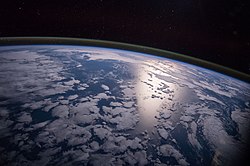
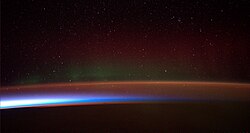
赤道付近では熱帯収束帯(ITCZ)と呼ばれる雲の帯が形成され、地球全体の熱輸送に重要な役割を果たしています。また、気候はケッペンの気候区分に代表されるように、緯度や地形によって多様なパターンに分かれています。
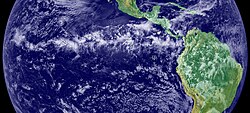
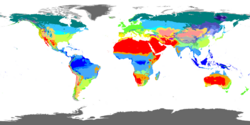
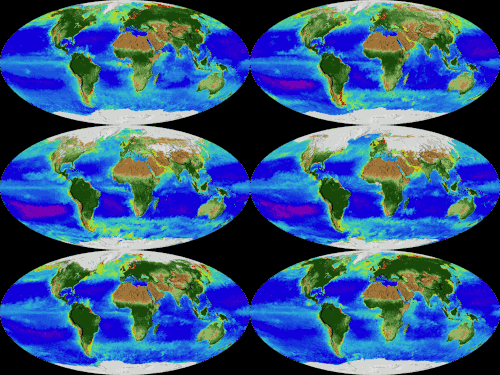
地球の表面の大部分を占める海洋は、巨大な熱貯蔵庫として機能し、地球全体の気温を安定させています。海洋と陸上の植生、そしてプランクトンなどの生物圏は、炭素や酸素の循環を通じて密接に連携しています。
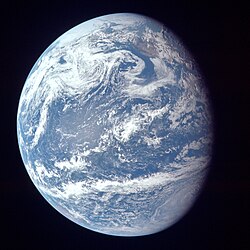
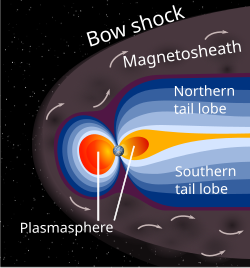
さらに、地球は強力な磁気圏を持っており、太陽から吹き付ける有害な太陽風から大気と生命を守るシールドの役割を果たしています。
人類の影響と現代の地球
人類の活動は、地球の環境に劇的な変化をもたらしました。夜の地球を捉えた画像では、都市部の人工的な光が網目のように広がっていることが分かります。

農業のための土地利用が進み、自然環境が改変される一方で、温室効果ガスの排出による平均気温の上昇(地球温暖化)が深刻な課題となっています。自然な変動要因を超えた人間活動による影響が、現在の気候変動の主因であると分析されています。

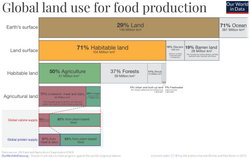
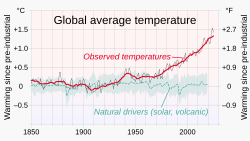
かつての人類は、地球を巨大な動物の背に乗った平らな円盤であると考える神話的な世界観を持っていましたが、科学の発展により、私たちは宇宙に浮かぶ一つの惑星としての地球を客観的に捉えられるようになりました。
![A combination of different cosmological Middle Eastern axis mundi ideas from the post-classical age (The Wonders of Creation by Zakariya al-Qazwini) showing a flat round Earth surrounded by a range of Qaf Mountains, resting on the back of a giant bull (Kujata or Behemoth), which in turn stands on a vast fish (Bahamut or Leviathan) in a cosmic ocean held up by an angel or jinn[281][282]](/images/3e/fb/3efba0dbe8b9cdd8646544309b2f525446669899816351c072d96fe8c0924e83.jpg)
宇宙から見た地球と周辺環境
地球の唯一の天然衛星である月は、地球の自転軸を安定させ、潮汐力を通じて海洋の循環に寄与しています。火星などの他惑星から見た地球は、小さな青い点として映ります。
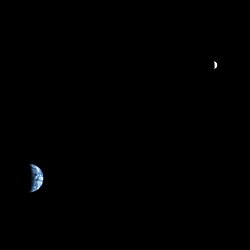
また、現代の地球周辺には、通信や観測のための人工衛星や、その運用を終えたスペースデブリ(宇宙ゴミ)が数多く飛散しており、新たな環境問題となっています。
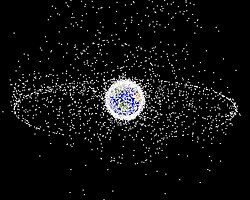
地球は、太陽、他の惑星、そして数多くの太陽系外天体と共に、広大な宇宙空間を旅し続けています。

Frequently Asked Questions
地球の形は完全な球体ですか?
いいえ、完全な球ではありません。自転による遠心力の影響で、赤道部分がわずかに膨らんだ「扁平球」という形状をしています。
なぜ地球には四季があるのですか?
地球の地軸が公転面に対して約23.4度傾いているためです。これにより、公転位置によって太陽光が当たる角度が変わり、季節的な温度変化が生じます。
地球の磁場はどうやって作られていますか?
地球内部の液体状の外核において、鉄などの金属が対流することで発電機のような仕組み(ダイナモ作用)が働き、磁場が生成されています。
大気中の酸素はどこから来たのですか?
数十億年前、海中で誕生したシアノバクテリアなどの光合成を行う生物が、二酸化炭素から酸素を放出したことで大気中に蓄積されました。
地球の未来はどうなりますか?
数億年から数十億年後、太陽が寿命を迎えて赤色巨星へと膨張すると、地球は極端な高温にさらされ、最終的には居住不可能な環境になると予測されています。
📸 フォトギャラリー