19世紀半ば、アメリカの西進運動の中で最も衝撃的なエピソードとして語り継がれているのがドナー一行(ドナー・リード一行)の旅です。中西部からカリフォルニアへの移住を目指した彼らは、不運な判断と過酷な自然環境によってシエラネバダ山脈に閉じ込められ、極限状態での生存を強いられました。飢餓と寒さ、そして生存のための禁忌に手を染めたこの出来事は、アメリカ開拓史における最大の悲劇の一つとして記憶されています。
Key Facts
- 出発地:ミズーリ州インディペンデンス(1846年春)
- 致命的な選択:「ヘイスティングス・カットオフ」という未確認の近道を選択し、大幅に遅延した。
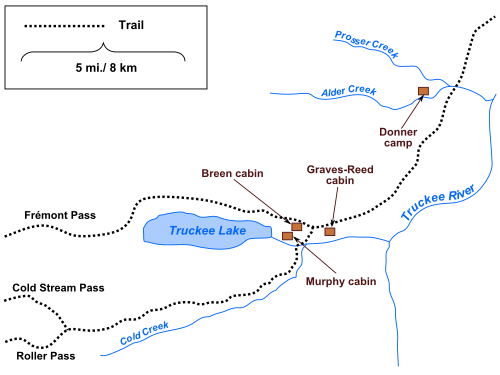
- 遭難場所:シエラネバダ山脈のトラックイー湖(現在のドナー湖)およびアルダークリーク付近。
- 生存率:同行者87名のうち、48名が生存。
- 極限状態:深刻な食料不足により、死者の遺体を食べるカニバリズムが発生した。
悲劇の始まり:誤ったルートの選択
1846年5月、ジョージ・ドナーとその家族、ジェームズ・リードらを含む一行は、カリフォルニアへの旅に出ました。当初は順調な滑り出しでしたが、彼らは旅程を短縮できるという甘い言葉に誘われ、ヘイスティングス・カットオフと呼ばれる新ルートを採用します。これは既存の道を外れ、ロッキー山脈のワサッチ山脈やグレートソルトレイク砂漠を横断する困難な道でした。
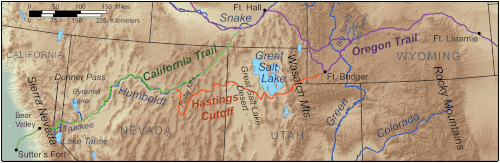
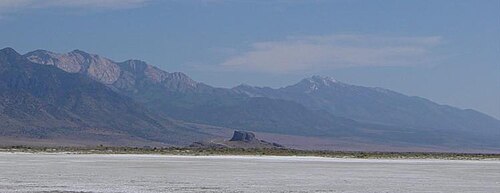
しかし、実際にはこのルートは険しく、案内役のヘイスティングスが提示した情報とはかけ離れていました。特にグレートソルトレイク砂漠の横断は地獄のような過酷さで、灼熱の太陽の下、馬車は塩の泥に足を取られ、多くの家畜が失われました。結果として、この「近道」は旅程を約240kmも延ばし、一行を致命的な遅延へと追い込んだのです。
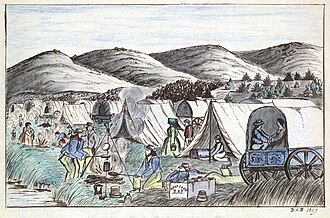
その後、ネバダ州のハンボルト川沿いを進む際にも多くの困難に見舞われ、グループ内には不和が生じ始めました。それでも彼らは前進を続けましたが、その遅れが後の運命を決定づけることになります。
シエラネバダの雪に閉ざされて
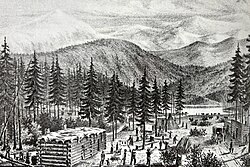
11月初旬、一行はようやくシエラネバダ山脈に到達しましたが、そこで彼らを待ち受けていたのは例年よりも早い記録的な大雪でした。標高約2,160メートルの峠付近で雪に阻まれた彼らは、前進不能となり、トラックイー湖(現在のドナー湖)付近とアルダークリークの2箇所に分かれて冬を越すためのキャンプを設営しました。
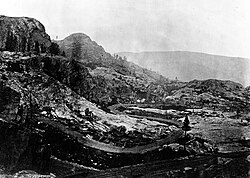
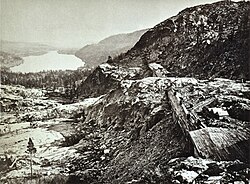
住居は粗末な丸太小屋やテントのみで、窓もドアもない劣悪な環境でした。食料は底をつき、一行は飢餓と極寒という二重の苦しみに直面します。雪の深さは凄まじく、後に建てられた記念碑の台座が当時の積雪量を物語っています。
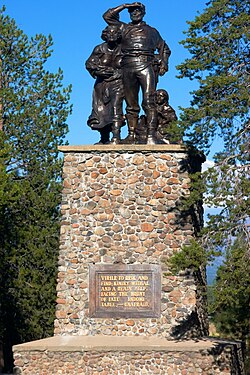
絶望的な状況の中、12月には一部のメンバーが救助を求めて徒歩で山を越えようと試みました。このグループは後に「フォーロン・ホープ(絶望的な希望)」と呼ばれ、多くの犠牲者を出しながらも、一部が生存して救助を呼びかけることになります。
極限状態での生存とカニバリズム
救助隊が最初に到着したのは、雪に閉じ込められてから約4ヶ月後の1847年2月中旬でした。それまでの間、生き残るために彼らが選んだのは、亡くなった仲間の遺体を食べるという、人間としての尊厳を捨てた究極の選択でした。日記などの記録には、家族や友人の死を悼みながらも、生き延びるために肉を口にした凄惨な様子が記されています。
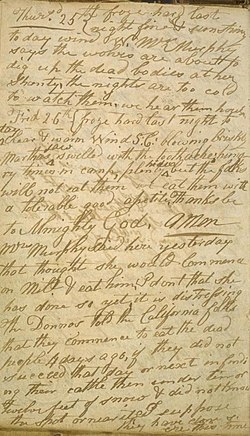
また、生存のためにミウォク族のガイド2名を殺害し、その肉を食べたという衝撃的な事例も報告されています。救助活動は3回にわたって行われ、最終的に生き残った人々は、深い精神的傷跡を抱えたままカリフォルニアの地へと降り立ちました。
救助と生存者のその後
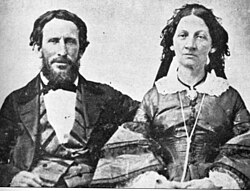
生存した人々はサンノゼやメアリーズビルなどに定住しました。ジェームズ・リードはゴールドラッシュで成功を収め、富を築きました。また、ブリーン家は宿屋を営むなど、社会復帰を果たしましたが、彼らが「カニバリズムに手を染めた人々」であるという噂は、その後も長く彼らを苦しめ続けました。
ドナー一行の旅の概要まとめ
| 項目 | 詳細 |
|---|---|
| 出発時期・場所 | 1846年春、ミズーリ州インディペンデンス |
| 主要な誤算 | ヘイスティングス・カットオフの採用による大幅な遅延 |
| 遭難原因 | シエラネバダ山脈での早すぎる大雪による孤立 |
| 生存人数 | 87名中 48名(生存率 約55%) |
| 歴史的教訓 | 未確認ルートの危険性と、極限状態における人間心理の記録 |
関連する視覚的記録
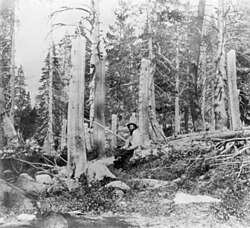
当時の惨状を伝える資料として、アルダークリークに残された切り株の高さが、当時の積雪の深さを証明しています。
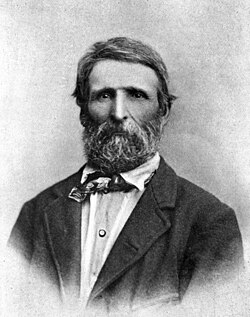
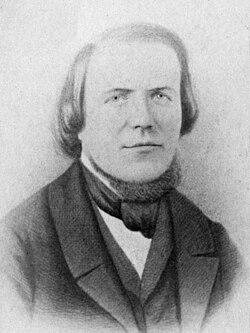
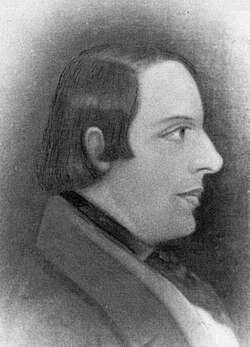
また、救助隊や同行者の記録として、ウィリアム・H・エディやチャールズ・タイラー・スタントンなどの名前が残っています。
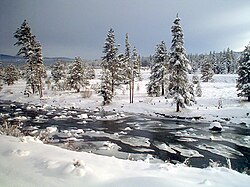
現在のドナー湖周辺の風景は、かつての悲劇を忘れさせるほど美しいですが、冬のトラックイー川の流れは、当時の人々が直面した冷酷な自然を想起させます。
Frequently Asked Questions
なぜ彼らは危険な近道(カットオフ)を選んだのですか?
案内役のジム・ブリジャーらが、そのルートが平坦で安全であり、旅程を350マイル(約560km)短縮できると主張したためです。実際には地形が険しく、誤った情報に基づいた判断でした。
カニバリズムは本当に起きたのでしょうか?
はい。生存者の証言や日記、後の歴史研究によって、飢餓に耐えかねて死者の遺体を食べたことが確認されています。一部の生存者は恥じらいから否定しましたが、多くの記録がその事実を裏付けています。
救助が遅れた理由は何だったのでしょうか?
当時、カリフォルニアの多くの成人男性が米墨戦争に従事していたため、救助に割ける人員が限られていました。また、記録的な大雪によって道路が遮断され、物理的に接近することが困難だったためです。
生存者はその後どうなったのですか?
多くはカリフォルニアに定住し、農業や商業に従事しました。中にはゴールドラッシュで成功した者もいましたが、社会的な偏見や、凄惨な体験による精神的なトラウマに生涯悩み続けた人々も多くいました。
この出来事は現在どのように記憶されていますか?
ドナー記念州立公園などが整備され、開拓時代の過酷さと人間の生存本能を伝える歴史的教訓として保存されています。また、自然の脅威に対する警告としても語り継がれています。
References
- There are no written records of native tribes having crossed the desert, nor did the migrants mention any existing trails in this region. (Rarick, p. 69)
- Tamsen Donner's letters were printed in the Springfield Journal in 1846. (McGlashan, p. 24)
- While Hastings was otherwise occupied, his guides had led the Harlan–Young Party through , which was not the route that Hastings had intended to take. (Rarick, p. 61)
- The route that the party followed is now known as . (Johnson, p. 28)
- In 1986, a team of archaeologists attempted to cross the same stretch of desert at the same time of year in four-wheel drive trucks and were unable to do so. (Rarick, p. 71)
- The location has since been named Donner Spring where the Donner Party recuperated, at the base of . (Johnson, p. 31)
- Reed's account states that many of the travelers lost cattle and were trying to locate them, although some of the other members thought that they were looking for his cattle. (Rarick, p. 74, Reed's own account "The Snow-Bound, Starved Emigrants of 1846 Statement by Mr. Reed, One of the Donner Company" in Johnson, p. 190)
- In 1871, Reed wrote an account of the events of the Donner Party in which he omitted any reference to his killing Snyder, although his step-daughter Virginia described it in a letter home written in May 1847, which was heavily edited by Reed. In Reed's 1871 account, he left the group to check on Stanton and McCutchen. (Johnson p. 191.)
- The branch of from the California plains region were the Cosumne, between where and are located. Luis and Salvador, both Cosumne, were Catholic converts employed by Sutter. Historian Joseph King deduced that Luis' given Miwok name was Eema. He was probably 19 years old in 1846. Salvador's given name was probably QuéYuen, and he would have been 28 years old the same year. (King, Joseph A. [1994]. "Lewis and Salvador: Unsung Heroes of the Donner Party", The Californians, Vol. 13, No. 2, pp. 20–21.)
- The cabins were built by three members of another group of migrants known as the Stevens Party, specifically by Joseph Foster, Allen Stevens and , in November 1844. (Hardesty, pp. 49–50) Virginia Reed later married a member of this party named John Murphy, unrelated to the Murphy family associated with the Donner Party. (Johnson, p. 262)
📸 フォトギャラリー