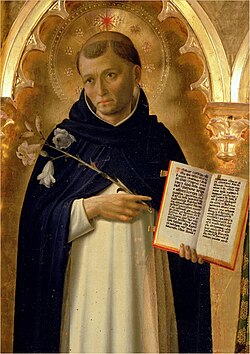
カトリック教会において「説教者会(Ordo Praedicatorum)」として知られるドミニコ会は、真理の探究と福音の伝道に捧げられた修道会です。13世紀初頭に設立されて以来、彼らは知的な卓越性と深い信仰を融合させ、キリスト教神学の発展に決定的な役割を果たしてきました。
主要な事実(Key Facts)
- 創設者: 聖ドミニコ・デ・グスマン
- 設立時期: 女性向けは1206年、男性向けは1215年に開始され、1216年に教皇権による承認を受けた
- 主な目的: 説教を通じた信仰の伝道と、異端への対抗、神学的研究
- 構成員: 司祭を含む数千人の修道士、修道女、および第三会(世俗信徒)で構成
- 象徴的な人物: トマス・アクィナス、アルベルトゥス・マグヌスなど、教会博士を輩出
ドミニコ会の起源と発展
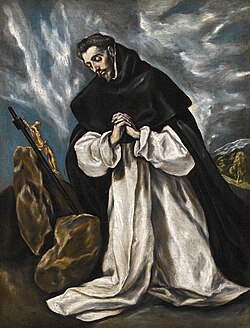
ドミニコ会の始まりは、聖ドミニコが南フランスで活動していたカタリ派(当時の二元論的な異端)に対し、正しい教義を説く必要性を感じたことにあります。彼は単なる禁欲的な生活ではなく、高度な教育を受けた説教者が社会の中で活動することの重要性を説きました。
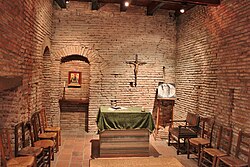
男性向けの修道会はフランスのトゥールーズで、女性向けはプルーイユでそれぞれ基盤を築きました。その後、ローマのサンタ・サビーナ教会などが彼らの重要な拠点となりました。
精神性と神学的伝統
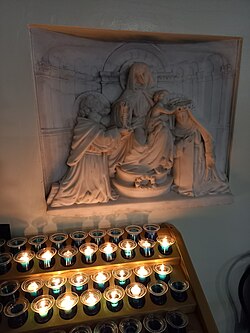
ドミニコ会の精神の中核にあるのは、「賛美し、祝福し、説教する」という使命感です。彼らは信仰、希望、愛における一致を重視し、特に聖母マリアへの深い崇敬を伝統として持っています。
また、神秘主義の伝統も深く、ラインラント神秘主義やイギリスのドミニコ会神秘主義など、個人の内面的な神との結びつきを追求する流れが生まれました。これは、単なる理論的な神学にとどまらず、実践的な霊性を追求する姿勢の表れです。
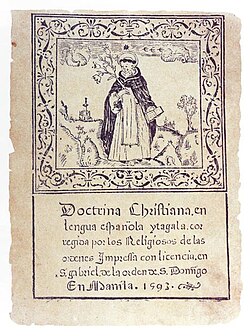
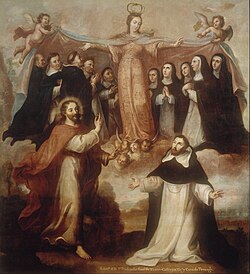
知的な巨人と歴史的影響
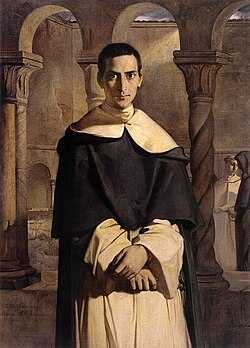
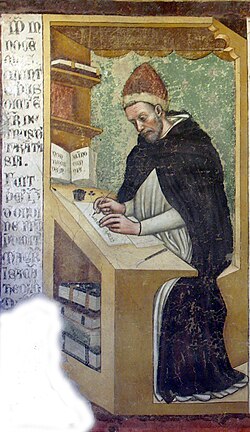
ドミニコ会は、カトリック教会における知的なリーダーとしての地位を確立しました。特にトマス・アクィナスは、アリストテレス哲学とキリスト教信仰を統合し、後世の神学に多大な影響を与えた最大の神学者の一人とされています。
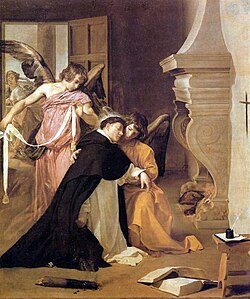
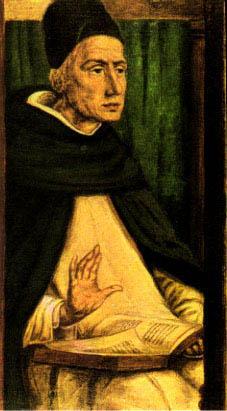
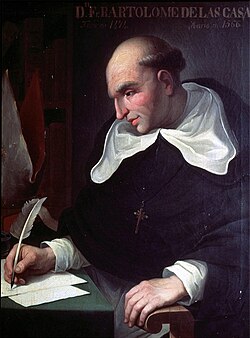
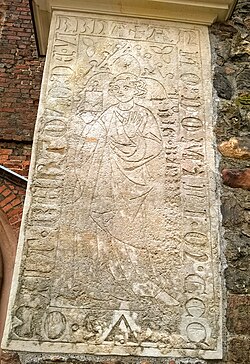
また、自然科学に精通したアルベルトゥス・マグヌスや、先住民の権利を擁護したバルトロメ・デ・ラス・カサスなど、学問や人権の分野で先駆的な役割を果たした人物も多く存在します。一方で、歴史的には異端審問に関与した側面もあり、その活動は時代の要請に応じて多様な形態を取りました。
![A figure depicting the term domini canes ('hounds of the lord') since the Inquisition in the 13th century,[b][37][clarification needed] on a corner of a former Dominican monastery (before the Reformation), Old University, Marburg, Germany](/images/dd/40/dd405b2114902697303c351b27dd985516d308541ba1a3e3f2553e9bfdd71fbd.jpg)
多様な構成員と現代の活動
ドミニコ会は、厳格な誓いを立てる修道士や修道女だけでなく、世俗で生活しながら会に属する「第三会(tertiary)」やアソシエイトなど、多様な形態のメンバーを受け入れています。これにより、社会のあらゆる層に福音を届けることが可能となりました。
現代においても、世界各地で大学や学校を運営し、教育を通じて真理の探究を続けています。フィリピンのサント・トマス大学やアメリカのプロビデンス大学など、数多くの教育機関がそのネットワークに含まれています。
教会の指導者としての役割
ドミニコ会からは、教皇や枢機卿などの最高指導者が数多く輩出されました。教皇インノケンティウス5世やピウス5世などがその代表例であり、教会の法的な方向性や典礼の整備に寄与しました。

ドミニコ会の概要まとめ
| 項目 | 詳細 |
|---|---|
| 正式名称 | Ordo Praedicatorum (OP) |
| 創設者 | 聖ドミニコ・デ・グスマン |
| 主要拠点 | フランス(トゥールーズ、プルーイユ)、イタリア(ローマ) |
| 主な活動 | 説教、神学研究、教育、伝道 |
| 著名な聖人 | トマス・アクィナス、カタリナ・デ・シエナ、ロサ・デ・リマ |
Frequently Asked Questions
ドミニコ会と他の修道会の違いは何ですか?
多くの修道会が静寂や隠遁を重視したのに対し、ドミニコ会は「説教」と「教育」という能動的な伝道活動に特化して設立された点が大きな特徴です。
「第三会」とはどのような人々ですか?
修道院に入らずに、家庭や職場などの世俗的な生活を送りながら、ドミニコ会の精神に基づいた信仰生活を送り、その使命をサポートする信徒のことです。
トマス・アクィナスはなぜ重要視されているのですか?
彼は理性と信仰を調和させ、カトリック教会の公式な神学的枠組みを構築したため、現在でも「教会博士」として最高の権威を持つ一人とされています。
ドミニコ会は現在も活動していますか?
はい。世界中で司祭や修道女が活動しており、教育機関の運営や社会福祉、神学的研究などを通じて現代社会に貢献し続けています。
ドミニコ会のシンボルにはどのような意味がありますか?
例えば、聖母マリアを象徴する八角の星などが用いられることがあり、これらは神の導きと聖母への献身を表しています。
異端審問との関係はどのようなものだったのでしょうか?
中世において、教義の正しさを判定する知的な能力が求められたため、多くのドミニコ会士が審問官として任命されました。これは当時の教会体制における彼らの役割の一面でした。
References
- The word friar is etymologically related to the word for brother in .
- The reference to "" draws on the tradition that Dominic's mother, while pregnant with him, had a vision of a black and white dog with a torch in its mouth; wherever the dog went, it set fire to the earth. It was explained that the vision was fulfilled when Dominic and his followers went forth, clad in black and white, setting fire to the earth with the . In English, the word "hound" has two further meanings that may be drawn upon. A hound is loyal, and the Dominicans have a reputation as obedient servants of the faith.
- Albertus Magnus helped shape English Dominican thought through his idea that God is knowable, but obscure. Additionally, the English friars shared his belief that wisdom and understanding enhance one's faith in God. The English Dominicans also studied classical writers. This was also part of his legacy.
📸 フォトギャラリー