私たちが「災害」と呼ぶ出来事は、単なる自然現象や事故ではありません。それは、コミュニティが自力で対処できないほどの深刻な被害が発生し、外部からの支援が必要となった状態を指します。国連などの国際機関では、危険な事象が、その地域の脆弱性や対応能力と相互に作用し、人的・物質的・経済的、あるいは環境的な損失をもたらす「社会機能の深刻な混乱」として定義されています。
災害は、発生原因によって大きく「自然災害」と「人為的災害」に分けられます。しかし、現代では気候変動による極端な気象の増加や、不適切な都市計画が被害を拡大させるなど、両者の境界線は曖昧になっています。人間活動が自然現象を悪化させる「人為的に加速された災害」という視点も重要視されています。
Key Facts
- 災害の定義:地域社会の能力を超えた被害が発生し、外部支援を必要とする事態。
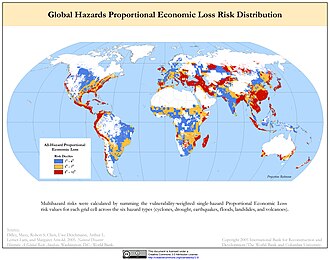
- 格差の現状:災害死の95%以上が低所得国で発生しており、被害額も工業国より格段に大きい。
- DRR(防災):事後の復旧ではなく、事前のリスク軽減とコミュニティの強靭化(レジリエンス)に焦点を当てる。
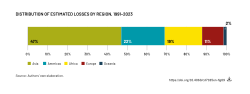
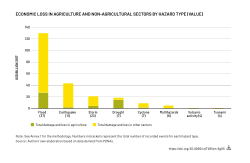
- 農業への打撃:1991年から2023年までに、災害による農業損失は約3.26兆ドルに達した。
- 気候変動の影響:干ばつや洪水などの自然現象をより頻繁に、かつ激しくさせている。
災害の種類と分類
発生速度と規模による分類
災害はその影響範囲や進行速度によって、以下のように分類されます。
- 規模別:地域社会のみに影響し外部支援を要する「小規模災害」と、社会全体に影響し国家レベルや国際的な協調対応が必要な「大規模災害」に分かれます。
- 速度別:地震や火山噴火、化学事故のように急激に発生する「急発災害(Sudden-onset)」と、干ばつや海面上昇、感染症の拡大のように時間をかけて進行する「緩慢発災害(Slow-onset)」があります。

自然災害と人為的災害
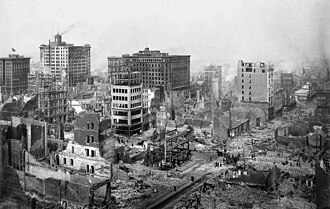
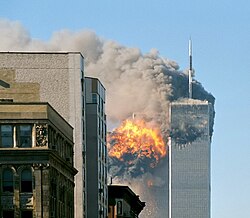
自然災害は、地質学的(地震・津波)、水文学的(洪水)、気象学的(台風・熱波)な要因によって引き起こされます。一方、人為的災害は、テロ攻撃、原油流出、大規模停電、核事故など、人間の活動が直接的な原因となるものです。
複合的・連鎖的災害
単一の原因ではなく、複数の要因が絡み合う「複合災害」も存在します。特に、ある災害が別の災害を誘発する連鎖的な影響(カスケード効果)は深刻です。例えば、地震が津波を引き起こし、それが沿岸の原子力発電所に被害を与えるというケースがこれに当たります。
災害がもたらす多角的な影響
人的・健康的被害
直接的な外傷だけでなく、避難生活による衛生環境の悪化や感染症の拡大、慢性疾患の悪化などが懸念されます。また、精神的なトラウマなどのメンタルヘルスへの影響も長期的に続きます。
経済的損失と食料安全保障
災害はインフラを破壊し、莫大な経済的損失をもたらします。特に農業分野への影響は甚大で、生産設備の破壊や農地の喪失は、食料価格の高騰を招き、低所得層の栄養状態を悪化させる要因となります。
リスク軽減へのアプローチ:DRRと対応
災害リスク軽減(DRR)とは
DRR(Disaster Risk Reduction)は、災害が起きた後の「対応」ではなく、起きる前の「予防」に重点を置く考え方です。建物の耐震化や適切な土地利用計画、早期警戒システムの整備などを通じて、社会の脆弱性を減らし、回復力(レジリエンス)を高めることを目的としています。
![Disaster risk reduction progress score for some countries in 2011. The score of 5 is best. Assessments include four indicators that reflect the degree to which countries have prioritized disaster risk reduction and the strengthening of relevant institutions.[38]](/images/65/d6/65d6197c914390ed0a3b116697ab1a1ebe5ebad0ef077f988853e64c41c7e322.png)
緊急対応と復旧
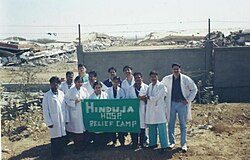
実際に災害が発生した際は、迅速な避難誘導、救助活動、そして食料・シェルター・医療などの人道支援が最優先されます。国内の能力を超える場合は、国際的な人道支援組織によるサポートが不可欠となります。
災害リスクのまとめ
| 分類項目 | 主な例 | 特徴 |
|---|---|---|
| 急発災害 | 地震、津波、化学事故 | 予兆が少なく、短時間で甚大な被害が出る |
| 緩慢発災害 | 干ばつ、砂漠化、海面上昇 | 時間をかけて進行し、慢性的なストレスとなる |
| 自然災害 | 台風、火山噴火、洪水 | 自然現象が起点となるが、脆弱性で被害が変わる |
| 人為的災害 | テロ、原油流出、電力喪失 | 人間の過失や意図的な行動が原因となる |
Frequently Asked Questions
「自然災害」という言葉は適切ではないと言われるのはなぜですか?
現象自体は自然なものであっても、それが「災害」になるのは、不適切な都市計画や貧困、準備不足といった人間側の「脆弱性」が組み合わさった結果だからです。そのため、専門家の間では単に「災害」と呼び、その原因となる「ハザード(危険要因)」を具体的に指定すべきだという議論があります。
低所得国で被害が大きくなる理由は何ですか?
主にインフラの脆弱性が挙げられます。耐震基準を満たさない建物が多く、緊急時の避難計画や早期警戒システムが十分に整備されていないため、同じ規模の自然現象であっても、先進国よりはるかに大きな人的・経済的損失を被る傾向にあります。
DRR(災害リスク軽減)と気候変動適応の違いは何ですか?
どちらも脆弱性を減らすという点では似ていますが、DRRはあらゆる災害リスク(地震や事故を含む)を減らすことに焦点を当てます。一方、気候変動適応は、温暖化に伴う海面上昇や極端な気象変化など、気候変動に特化したリスクへの対応を指します。現在はこれらを統合して対策を講じることが一般的です。
「複合災害」とは具体的にどのようなものを指しますか?
単一の要因ではなく、複数の災害が連鎖的に発生することを指します。例えば、激しい豪雨(気象災害)が土砂崩れ(地質災害)を引き起こし、それが道路を遮断して救助活動を妨げる、あるいは地震が津波を呼び、それが発電所の事故につながるといった連鎖的なプロセスが含まれます。
References
- "What is a disaster?". www.ifrc.org. International Federation of Red Cross and Red Crescent Societies. Retrieved 21 June 2017.
- "Disasters & Emergencies: Definitions" (PDF). Addis Ababa: Emergency Humanitarian Action. March 2002. Archived (PDF) from the original on 6 November 2015. Retrieved 26 November 2017 – via World Health Organization International.
- "Definition: Disaster". www.undrr.org. 30 August 2007. Archived from the original on 26 August 2025. Retrieved 11 December 2025.
- "Natural Hazards | National Risk Index". hazards.fema.gov. Retrieved 8 June 2022.
- "Why natural disasters aren't all that natural". openDemocracy. 26 November 2020. Archived from the original on 29 November 2020. Retrieved 29 December 2020.
- Gould, Kevin A.; Garcia, M. Magdalena; Remes, Jacob A.C. (1 December 2016). "Beyond 'natural-disasters-are-not-natural': the work of state and nature after the 2010 earthquake in Chile". Journal of Political Ecology. 23 (1): 93. :10.2458/v23i1.20181.
- Smith, Neil (11 June 2006). "There's No Such Thing as a Natural Disaster". Items. Archived from the original on 22 January 2021. Retrieved 29 December 2020.
- "World Bank: Disaster Risk Management".
- Luis Flores Ballesteros. "Who's getting the worst of natural disasters?" 54Pesos.org, 4 October 2008 Archived 3 September 2017 at the
- UNGA (2016). Report of the open-ended intergovernmental expert working group on indicators and terminology for disaster risk reduction. United Nations General Assembly (UNGA).
📸 フォトギャラリー